ArgentinaSouth AmericaPlaces to GoThings to Do
Mostrar todo

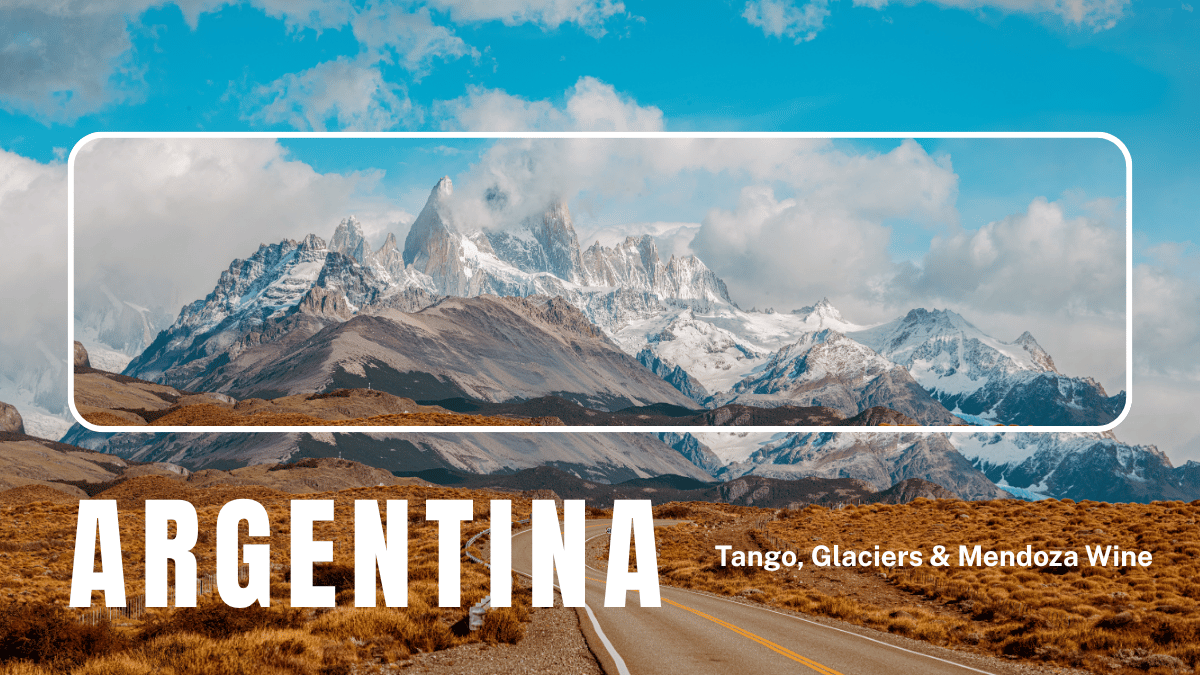
Argentina Travel Guide: Tango, Patagonia and Wine

cover

Argentina tour stretches from subtropical wetlands and red-rock valleys to vineyards, the Atlantic coast, the Patagonian steppe, and glaciated Andes. Buenos Aires provides tango, architecture, and neighborhood food culture; Mendoza adds wine and mountain scenery; El Calafate opens the route to major glaciers.

For a first visit, combine Buenos Aires with one or two regions in 10 to 14 days. Do not try to cover Iguazu, Mendoza, Bariloche, El Calafate, and Ushuaia in one short vacation.


Best Time to Travel to Argentina

There is no single best time to travel to Argentina. Use the region as the deciding factor:
  • Buenos Aires: Spring and fall often provide comfortable walking weather. Summer can be hot and humid; winter is cooler and generally suitable for city sightseeing.
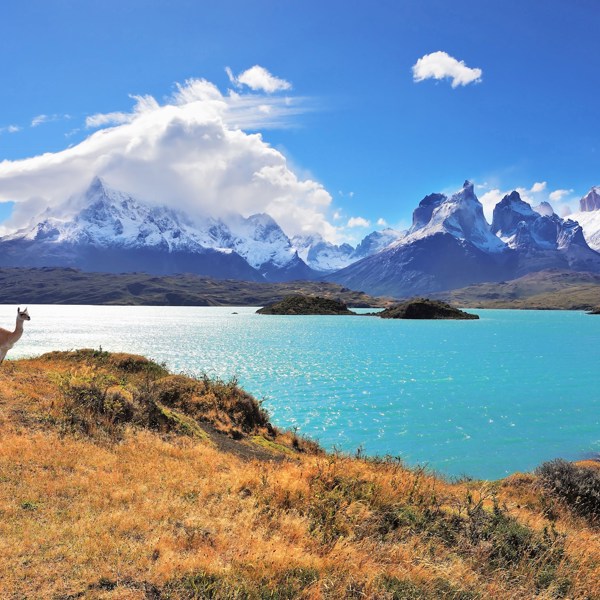
  • Patagonia: Late spring through early fall is the main period for hiking and glacier travel. Wind and cold remain possible at any time.
  • Mendoza: Spring and fall favor vineyard scenery and outdoor meals. Summer is hot, while winter brings colder nights and mountain conditions.
  • Iguazu: The falls can be visited year-round. Heat, rainfall, water levels, and crowds vary, and no season guarantees a specific flow.
  • Northwest: Dry-season travel can support clearer roads, but high-elevation nights may be cold. Summer rains can affect routes.
  • Bariloche: Summer suits hiking and lakes; winter is the main snow-sports period.
National holidays, festivals, harvest events, school breaks, and ski periods can increase demand. Check current calendars before reserving flights and hotels.

Buenos Aires: Tango, Neighborhoods, and Cafe Culture

Buenos Aires deserves at least three full days. Its broad avenues, ornate public buildings, apartment districts, parks, bookstores, soccer culture, and late dining hours make it more than a transit point.

Start with the historic center around Plaza de Mayo, then walk toward San Telmo for markets, antique shops, colonial-era streets, and tango associations. La Boca is known for the brightly painted Caminito area and Boca Juniors, but it is not a neighborhood to wander without local awareness. Visit the established tourist zone, follow current advice, and use suitable transportation in and out.

Recoleta adds grand avenues, museums, parks, and its famous cemetery. Palermo spreads across several sub-neighborhoods with restaurants, nightlife, design shops, and green space. Puerto Madero offers modern waterfront walking but reveals less of the city's older residential character.

Buenos Aires


How to See Tango Respectfully


Tango developed around the Rio de la Plata and became part of Buenos Aires's social and cultural identity. Visitors can choose a staged dinner show, a smaller performance, a lesson, or a milonga where people gather for social dancing.

A large show is easy to book and built for spectators. A milonga provides a closer look at the dance community but has etiquette involving invitations, floor direction, seating, and clothing. Beginners should take a lesson or go with a local host rather than treating dancers as a backdrop for photos.

Tango appears in more than one tourist district. Compare venue scale, transport, meal expectations, and performance style instead of assuming the most expensive package is the most authentic.

El Calafate and Perito Moreno Glacier

El Calafate is the main base for visiting the southern sector of Los Glaciares National Park and Perito Moreno Glacier. The glacier can be viewed from a network of boardwalks that provides changing angles across the ice front. Boat outings and guided ice activities may also operate under specific seasonal and safety conditions.

Glacier access, park fees, operating hours, and tour availability can change. Check current official park information and qualified operators before travel. Ice trekking requires suitable fitness and equipment and may have eligibility rules.

Los Glaciares National Park


The weather is often windy and can shift rapidly. Bring a waterproof outer layer, warm insulation, gloves, sun protection, and secure footwear even if El Calafate feels mild in the morning. Two or three nights allow one main glacier day and a buffer for weather or another regional outing.

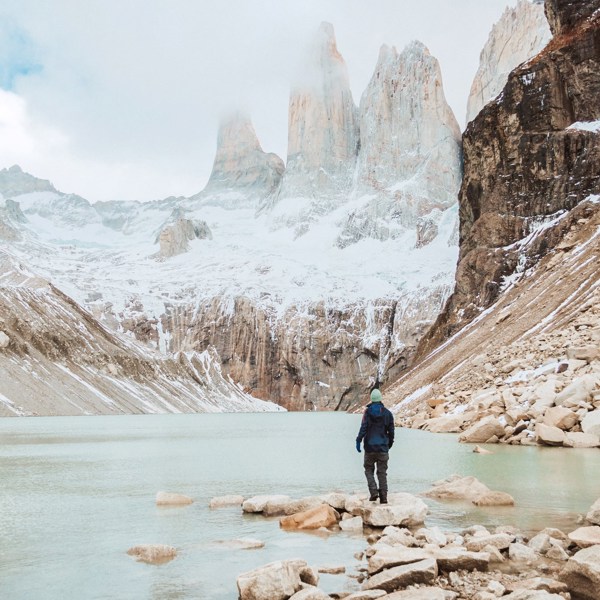
Travelers seeking multi-day trekking often continue to El Chaltén, the gateway to trails near Mount Fitz Roy and Cerro Torre. Trail conditions vary with wind, snow, rain, and season; hikers should use current park and local guidance.

Mendoza: Malbec, Vineyards, and the Andes

Mendoza sits in a dry region east of the Andes and is Argentina's best-known base for wine tourism. Irrigation channels and tree-lined streets shape the city, while vineyards spread across several surrounding wine areas.

Lujan de Cuyo and the Uco Valley are common choices for winery visits. Maipu also has established producers and can suit travelers interested in cycling, though traffic, heat, alcohol consumption, and road conditions require caution. A guided driver or organized wine route avoids drinking-and-driving risks.

Malbec is the headline grape, but wineries also work with Cabernet Sauvignon, Cabernet Franc, Bonarda, Chardonnay, and other varieties. High-altitude growing areas differ in soil, temperature, and style. A useful tasting compares regions or production methods rather than moving rapidly through as many wineries as possible.

Reservations are often important because wineries may not accept unscheduled visitors. Confirm the current tasting format, language, meal, transportation, and cancellation terms directly. Two to four nights work well for the city, one or two wine days, and optional Andes scenery.

Iguazu Falls: Subtropical Forest and Water

Iguazu Falls lies on the border between Argentina and Brazil within protected subtropical forest. The Argentine side uses trails and transport systems to reach multiple viewpoints across the waterfall complex. Heat, humidity, rain, spray, and crowds shape the day.

Bring quick-drying clothing, non-slip footwear, insect repellent, sun protection, and a waterproof cover for electronics. Follow barriers and staff instructions; wet paths can be slippery, and wildlife should never be fed.

Some travelers visit both the Argentine and Brazilian sides. Crossing the international border introduces passport, visa, and re-entry requirements based on nationality. Verify current rules with official authorities before building a two-country itinerary.

Puerto Iguazu is the main base on the Argentine side. Two nights support one full park day, while three allow more flexibility or a border crossing when documentation and schedules permit.

Bariloche and the Lake District

San Carlos de Bariloche combines Andean lakes, forest, mountain viewpoints, chocolate shops, and alpine-influenced architecture. It works as a base for scenic drives, boat outings, hiking, and winter sports.

The Circuito Chico route introduces nearby lakes and viewpoints, while longer trips lead toward Villa La Angostura, San Martín de los Andes, or mountain trailheads. A rental car provides flexibility, but weather, snow, road surfaces, and seasonal traffic require preparation.

Salta and the Northwest

Northwestern Argentina provides colonial cities, high desert, multicolored rock formations, salt flats, Indigenous and Andean traditions, and vineyards at high elevation. Salta is the main urban gateway, while Jujuy Province leads toward the Quebrada de Humahuaca.

Distances, altitude, heat, and mountain roads make route planning important. Build up gradually before strenuous activity at elevation, hydrate, and seek medical advice if altitude poses a personal health concern.

South of Salta, Cafayate is known for wine, especially Torrontés, and a dramatic road corridor through the Calchaqui Valleys. Self-driving offers freedom but demands concentration on remote roads. Guided trips are useful for travelers who prefer to focus on scenery rather than navigation.

Is Argentina Safe to Travel?

Is Argentina safe to travel? Argentina is a major tourism destination, but visitors should use normal city and transportation precautions. Pickpocketing, phone theft, bag snatching, unofficial taxis, and distraction scams can occur in busy areas. Keep valuables discreet, use reputable transportation, and avoid leaving bags unattended in cafes or stations.

In Buenos Aires, neighborhood conditions can change within a short distance. Ask accommodation staff for current local guidance, especially at night. Carry only the cash needed for the day and keep backup cards and document copies separate.

Outdoor risks differ by region. Patagonia brings wind, sudden weather, and remote trails; the northwest adds altitude and long road sections; Iguazu has heat, wet surfaces, and wildlife. Follow park rules, weather alerts, and road information.

Safety conditions can change. Review current official travel advisories and local guidance before traveling to Argentina. A balanced approach recognizes real precautions without treating the entire country as either risk-free or dangerous.

Argentina

Getting Around Argentina

Domestic flights are the most practical way to link Buenos Aires with distant regions such as Patagonia, Iguazu, Mendoza, Salta, and Ushuaia. Buenos Aires has more than one airport, so check both the airport code and transfer time before booking separate tickets.

Long-distance buses connect many cities and can offer comfortable seating, but journeys may consume a full day or night. Confirm the service class, terminal, luggage rules, and current schedule with the operator.

Rental cars work well in Mendoza wine country, the Lake District, and parts of the northwest. Remote fuel stops, gravel roads, border restrictions, snow, and insurance terms need attention. Never combine wine tasting with driving.

Sample Itineraries

8 Days: Buenos Aires and Patagonia

Spend three or four nights in Buenos Aires, then fly to El Calafate for Perito Moreno Glacier. Add El Chaltén only if the schedule leaves enough time for trekking and weather changes.

10 Days: Buenos Aires and Mendoza

Begin with four nights in Buenos Aires, then fly to Mendoza for city time, two wine days, and an Andes outing. This route suits food, culture, and scenery without constant relocation.

12 Days: Buenos Aires, Iguazu, and Patagonia

Combine Buenos Aires with two nights in Puerto Iguazu and four nights in the El Calafate or El Chaltén area. Flights and buffers matter because these regions are far apart.

14 Days: A Broad First Visit

Use Buenos Aires as the urban anchor, choose one northern destination such as Iguazu or Salta, then add Mendoza or one Patagonian base. Three domestic regions plus the capital are enough for a full two-week trip.

What to Eat and Drink

Argentine food varies by region, but beef, empanadas, pizza, pasta, grilled provoleta cheese, and dulce de leche are widely recognized. An asado is a social barbecue tradition, not simply a steak order. Parrillas specialize in grilled meats and may offer cuts unfamiliar to visitors.

Empanada fillings and pastry styles differ across provinces. The northwest is particularly associated with regional versions, while Patagonia adds lamb and trout. Buenos Aires has strong Italian influence in its pizza, pasta, cafes, and ice cream.

Mate is a caffeinated herbal infusion shared socially from a gourd and metal straw. Do not assume a stranger's cup is open for sampling; wait for an invitation and follow the group's etiquette.

Wine drinkers should look beyond Malbec. Mendoza, Salta, Patagonia, and other regions produce distinct styles. Drink water, eat during tastings, and use a driver.

Practical Tips

  • Plan by region. Argentina's long distances make a focused route more satisfying.
  • Check airport codes. Buenos Aires airport transfers can complicate separate flight bookings.
  • Carry payment options. Currency and card conditions can change quickly.
  • Learn basic Spanish. English availability becomes less consistent outside major tourism businesses.
  • Pack layers. Patagonia and high elevations require wind and cold protection even in warmer months.
  • Reserve key activities. Winery meals, glacier excursions, tango performances, and popular lodging may require booking.
  • Leave buffers. Weather and transport disruption can affect flights, roads, and outdoor tours.
  • Use official sources. Verify park access, border rules, prices, and schedules close to departure.
Argentina works best when the itinerary pairs distinct regions with enough time in each. Buenos Aires and Mendoza create a culture-and-wine route; Buenos Aires and El Calafate combine tango with glacial Patagonia; Iguazu or Salta adds a northern landscape. Select the contrast that matters most, protect the trip with realistic travel days, and leave the rest for another visit.

FAQ

How many days do you need in Argentina?

Ten days support Buenos Aires and one major region. Two weeks allow the capital plus two regions without excessive transfers. Three weeks is better for a broad route involving both northern Argentina and Patagonia.

What is the best first-time itinerary?

Pair Buenos Aires with El Calafate for city culture and glaciers, or with Mendoza for tango, food, wine, and the Andes. Add Iguazu when waterfalls and subtropical wildlife are a priority.

Is Argentina expensive for travelers?

Costs and exchange rates can change rapidly. International flights, domestic air travel, premium Patagonia hotels, and guided excursions may be major expenses. Compare prices near the booking date rather than relying on older budgets.

Do you need a car to get around in Argentina?

No for Buenos Aires or a flight-based trip using guided transfers. A car is useful in wine country, the Lake District, and the northwest, but road conditions and driving distances require preparation.

What makes the best Argentina travel guide useful?

It should explain regional differences, realistic travel times, seasonal trade-offs, current safety checks, and which destinations fit together. A useful guide helps travelers remove stops as confidently as they add them.

Resumen

Best Time to Travel to Argentina

Buenos Aires: Tango, Neighborhoods, and Cafe Culture

El Calafate and Perito Moreno Glacier

Mendoza: Malbec, Vineyards, and the Andes

Iguazu Falls: Subtropical Forest and Water

Bariloche and the Lake District

Salta and the Northwest

Is Argentina Safe to Travel?

Getting Around Argentina

Sample Itineraries

What to Eat and Drink

Practical Tips

FAQ

America's 250th Anniversary Mega Sale

image