Bariloche and the Lake District
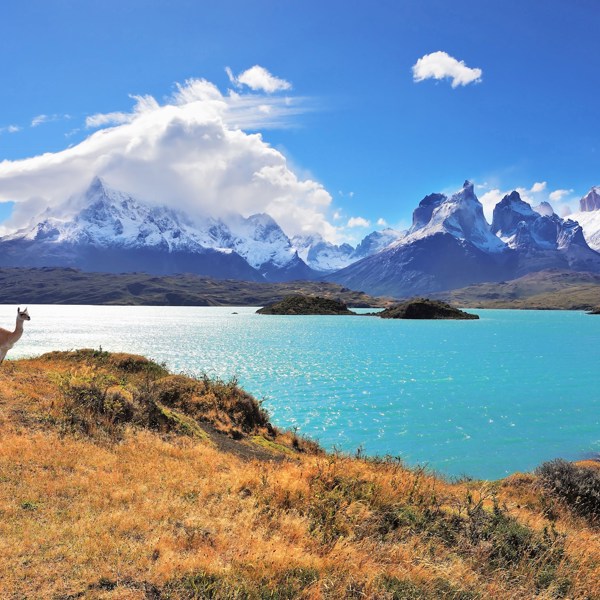
San Carlos de Bariloche combines Andean lakes, forest, mountain viewpoints, chocolate shops, and alpine-influenced architecture. It works as a base for scenic drives, boat outings, hiking, and winter sports.
The Circuito Chico route introduces nearby lakes and viewpoints, while longer trips lead toward Villa La Angostura, San Martín de los Andes, or mountain trailheads. A rental car provides flexibility, but weather, snow, road surfaces, and seasonal traffic require preparation.
Salta and the Northwest
Northwestern Argentina provides colonial cities, high desert, multicolored rock formations, salt flats, Indigenous and Andean traditions, and vineyards at high elevation. Salta is the main urban gateway, while Jujuy Province leads toward the Quebrada de Humahuaca.
Distances, altitude, heat, and mountain roads make route planning important. Build up gradually before strenuous activity at elevation, hydrate, and seek medical advice if altitude poses a personal health concern.
South of Salta, Cafayate is known for wine, especially Torrontés, and a dramatic road corridor through the Calchaqui Valleys. Self-driving offers freedom but demands concentration on remote roads. Guided trips are useful for travelers who prefer to focus on scenery rather than navigation.
Getting Around Argentina
Domestic flights are the most practical way to link Buenos Aires with distant regions such as Patagonia, Iguazu, Mendoza, Salta, and Ushuaia. Buenos Aires has more than one airport, so check both the airport code and transfer time before booking separate tickets.
Long-distance buses connect many cities and can offer comfortable seating, but journeys may consume a full day or night. Confirm the service class, terminal, luggage rules, and current schedule with the operator.
Rental cars work well in Mendoza wine country, the Lake District, and parts of the northwest. Remote fuel stops, gravel roads, border restrictions, snow, and insurance terms need attention. Never combine wine tasting with driving.
Sample Itineraries
8 Days: Buenos Aires and Patagonia
Spend three or four nights in Buenos Aires, then fly to El Calafate for Perito Moreno Glacier. Add El Chaltén only if the schedule leaves enough time for trekking and weather changes.
10 Days: Buenos Aires and Mendoza
Begin with four nights in Buenos Aires, then fly to Mendoza for city time, two wine days, and an Andes outing. This route suits food, culture, and scenery without constant relocation.
12 Days: Buenos Aires, Iguazu, and Patagonia
Combine Buenos Aires with two nights in Puerto Iguazu and four nights in the El Calafate or El Chaltén area. Flights and buffers matter because these regions are far apart.
14 Days: A Broad First Visit
Use Buenos Aires as the urban anchor, choose one northern destination such as Iguazu or Salta, then add Mendoza or one Patagonian base. Three domestic regions plus the capital are enough for a full two-week trip.What to Eat and Drink
Argentine food varies by region, but beef, empanadas, pizza, pasta, grilled provoleta cheese, and dulce de leche are widely recognized. An asado is a social barbecue tradition, not simply a steak order. Parrillas specialize in grilled meats and may offer cuts unfamiliar to visitors.
Empanada fillings and pastry styles differ across provinces. The northwest is particularly associated with regional versions, while Patagonia adds lamb and trout. Buenos Aires has strong Italian influence in its pizza, pasta, cafes, and ice cream.
Mate is a caffeinated herbal infusion shared socially from a gourd and metal straw. Do not assume a stranger's cup is open for sampling; wait for an invitation and follow the group's etiquette.
Wine drinkers should look beyond Malbec. Mendoza, Salta, Patagonia, and other regions produce distinct styles. Drink water, eat during tastings, and use a driver.
FAQ
How many days do you need in Argentina?
Ten days support Buenos Aires and one major region. Two weeks allow the capital plus two regions without excessive transfers. Three weeks is better for a broad route involving both northern Argentina and Patagonia.What is the best first-time itinerary?
Pair Buenos Aires with El Calafate for city culture and glaciers, or with Mendoza for tango, food, wine, and the Andes. Add Iguazu when waterfalls and subtropical wildlife are a priority.Is Argentina expensive for travelers?
Costs and exchange rates can change rapidly. International flights, domestic air travel, premium Patagonia hotels, and guided excursions may be major expenses. Compare prices near the booking date rather than relying on older budgets.Do you need a car to get around in Argentina?
No for Buenos Aires or a flight-based trip using guided transfers. A car is useful in wine country, the Lake District, and the northwest, but road conditions and driving distances require preparation.What makes the best Argentina travel guide useful?
It should explain regional differences, realistic travel times, seasonal trade-offs, current safety checks, and which destinations fit together. A useful guide helps travelers remove stops as confidently as they add them.