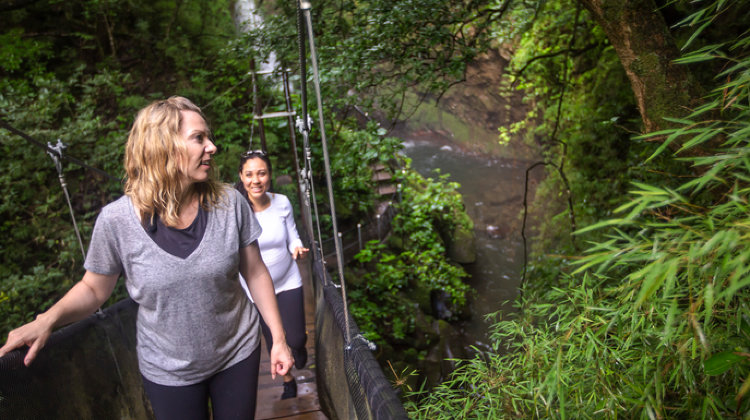
For a first visit, choose two or three regions in seven to 10 days. Arenal, Monteverde, and Manuel Antonio form a practical nature-focused route. Add Tortuguero for Caribbean wetlands, Guanacaste for a beach-centered finish, or the Osa Peninsula for a more remote wildlife trip. The best itinerary balances outdoor activities with enough time to watch wildlife without rushing between hotels.
Costa Rica Travel Guide: Rainforests, Volcanoes and Wildlife

For a first visit, choose two or three regions in seven to 10 days. Arenal, Monteverde, and Manuel Antonio form a practical nature-focused route. Add Tortuguero for Caribbean wetlands, Guanacaste for a beach-centered finish, or the Osa Peninsula for a more remote wildlife trip. The best itinerary balances outdoor activities with enough time to watch wildlife without rushing between hotels.
Basic Information About Costa Rica
Spanish is the official language, and the colon is the national currency. US dollars are accepted in many tourism businesses, but exchange rates and change practices vary. Cards are common in established destinations, while cash remains useful for small restaurants, local transport, tips, and remote areas.
Top Costa Rica Classic Tours
Best Places to Visit in Costa Rica
Arenal and La Fortuna: Volcano Views and Hot Springs
La Fortuna is the main base for Arenal Volcano, rainforest walks, waterfalls, hot springs, hanging bridges, and adventure activities. The volcano's symmetrical profile is a major attraction, though clouds can hide it for hours or days. Build the trip around the area's broader landscape rather than treating a clear summit view as guaranteed.Hiking routes lead through secondary forest and old lava terrain, but access and permitted trails can change. Use marked paths, follow park instructions, and do not enter restricted volcanic areas. Hot-spring properties range from simple pools to large resort complexes; compare atmosphere, access, and what is included before booking.
Three nights allow time for a guided nature walk, one active outing, and a slower day. La Fortuna also connects reasonably well with Monteverde, though the mountains and Lake Arenal make the transfer longer than the straight-line distance suggests.

Monteverde: Cloud Forest and Canopy Wildlife
Monteverde is known for cloud forest, where moisture carried by the wind supports mosses, ferns, orchids, and dense canopy life. The area includes several reserves rather than one single park. Trails, visitor limits, and guide arrangements differ, so choose a reserve based on habitat, difficulty, and current access.Birders come for species such as the resplendent quetzal, but no wildlife sighting is guaranteed. A local naturalist guide improves the chance of spotting animals and explaining the forest's ecology. Night walks reveal insects, frogs, and sleeping birds that are easy to miss during the day.
Monteverde can be cool, wet, and windy even when the coast is hot. Pack a waterproof layer and shoes with good grip. Two or three nights suit most visitors.
Manuel Antonio: Rainforest beside the Pacific
Manuel Antonio combines a compact national park with Pacific beaches, forest trails, and convenient tourism services around Quepos. Monkeys, sloths, iguanas, and birds may be seen, but the park is a protected habitat rather than a guaranteed animal show.Follow current entry and reservation procedures, and use official channels for tickets. Rules concerning food, bags, opening days, and permitted items can change. Never feed wildlife or place belongings where monkeys or raccoons can grab them.
The surrounding area is popular and developed. Travelers seeking quieter beaches can use Manuel Antonio as a short wildlife stop rather than a long resort stay.

Tortuguero: Canals and Caribbean Wetlands
Tortuguero sits on the northern Caribbean coast and is reached through a combination of road and boat transport or by air. Its network of canals, lagoons, rainforest, and beaches supports rich wildlife, including monkeys, caimans, birds, and sea turtles.Turtle nesting and hatching are seasonal natural events with strict viewing rules. Use authorized guides, avoid lights and flash photography, and never touch an animal. Timing and sightings cannot be promised.
Boat tours are central to the visit. Choose operators that keep a respectful distance from wildlife and limit noise. Two nights provide a useful introduction, while three allow more flexibility for weather.

Guanacaste: Dry Forest and Pacific Beaches
Guanacaste in northwestern Costa Rica has a pronounced dry season, tropical dry forest, ranching traditions, and a wide range of Pacific beach towns. The region suits travelers who want easier access to beaches, resorts, surfing, and sunsets after an inland nature route.Beach atmosphere varies considerably. Tamarindo is busy and service-rich, while smaller communities may be quieter but harder to reach without a car or transfer. Sea conditions differ by beach and day; follow local warnings and ask about currents before swimming.
Osa Peninsula and Corcovado: Remote Rainforest
The Osa Peninsula offers one of Costa Rica's most intensive rainforest trips. Corcovado National Park protects lowland tropical forest and coastal habitat used by tapirs, scarlet macaws, monkeys, and other wildlife. Its remoteness requires more planning than Arenal or Manuel Antonio.Park access, approved guide requirements, entry points, and transport arrangements must be confirmed before travel. Heat, humidity, rain, river conditions, and long walks can make the trip physically demanding. Osa is best for travelers willing to devote several days and accept simpler logistics.
Puerto Viejo and the Southern Caribbean
Puerto Viejo de Talamanca combines beaches, Afro-Caribbean culture, restaurants, and access to wildlife areas on the southern Caribbean coast. Nearby Cahuita is known for coastal forest and coral habitat, while inland communities provide opportunities to learn about Indigenous Bribri culture through appropriately run local visits.Caribbean weather does not follow the Pacific pattern exactly. Rain is possible throughout the year, and travelers should use regional forecasts rather than a single national seasonal rule.
Best Time to Travel to Costa Rica
Dry-season travel supports easier road conditions and more predictable beach days, but it also brings stronger visitor demand. Green-season travel offers lush landscapes, active waterfalls, and fewer crowds in many areas. Rain often arrives in intense periods rather than continuing all day, but storms and flooding can disrupt roads and activities.
September and October tend to be especially wet on much of the Pacific side, while parts of the Caribbean may have calmer intervals. Weather changes by elevation and coast, so check the exact destinations rather than relying on a San Jose forecast.
Wildlife goals can also determine timing. Turtle nesting, whale migration, bird activity, and flowering cycles vary by coast and species. Confirm current, ethical viewing opportunities with official park information or responsible local operators.
Wildlife Watching without Harming Wildlife
Costa Rica's animals are easiest to appreciate with patience and a trained guide. Sloths can remain hidden high in trees, monkeys move rapidly through the canopy, and many frogs or snakes rely on camouflage. Binoculars and a guide's spotting scope are more useful than getting close.
Follow these principles:
- Never feed, touch, call, or surround wildlife.
- Keep the distance required by guides and park rules.
- Avoid flash photography, especially during night walks and turtle tours.
- Do not move animals from trails for a better photograph.
- Choose sanctuaries carefully and avoid businesses offering direct contact with wild animals.
- Keep food secured so monkeys, coatis, and raccoons cannot take it.
- Stay on marked trails to protect habitat and reduce encounters with snakes or unstable terrain.
Wildlife sightings are never guaranteed. A responsible guide will not bait animals or promise a specific species.
Volcanoes beyond Arenal
Beaches: Pacific or Caribbean?
Choose the Caribbean for a more humid tropical setting, Afro-Caribbean culture, wildlife, and a route through Tortuguero or Puerto Viejo. The two coasts have different weather patterns and should not be compared using the same forecast.
Many beaches lack lifeguards. Rip currents, rocks, changing tides, and strong surf require caution even when other people are swimming. Ask locally about current conditions, stay out of the water when warnings are posted, and supervise children closely.

Is Costa Rica Safe to Travel?
Use registered transportation or reputable transfer services, keep accommodation doors and windows secured, and avoid isolated beaches or poorly lit streets after dark. Ask local accommodation staff for current neighborhood guidance rather than applying one rule to the whole country.
Natural conditions present additional risks. Heavy rain can cause flooding or landslides, volcanic parks may close, and ocean currents can be dangerous. Follow official weather, park, road, and emergency information. Travelers should also review their government's current travel advisory before departure.
Safety conditions can change, so this article does not replace current official advice. Good preparation, insured travel, and situational awareness matter more than treating Costa Rica as either completely risk-free or unusually dangerous.
Getting Around Costa Rica
Rental cars provide flexibility, but driving requires patience. Roads can be narrow, steep, unpaved, or affected by rain. Travel times are often longer than expected, and navigation apps may suggest unsuitable shortcuts. Avoid river crossings and do not drive onto a route simply because an app displays it.
Shared and private shuttles connect many established tourism areas. They reduce driving stress and work well for a route such as Arenal–Monteverde–Manuel Antonio. Public buses cost less but require more time and careful schedule checking.
Domestic flights can help with remote areas such as Tortuguero or the Osa Peninsula, but baggage allowances, weather, and schedules need confirmation. Boat transfers are part of some itineraries and should be booked with reputable operators.
Sample Itineraries
7 Days: Arenal and the Pacific
Spend three nights near Arenal, then transfer to Manuel Antonio or a Guanacaste beach for three or four nights. This route balances rainforest, volcano scenery, activities, and coast without excessive movement.10 Days: Arenal, Monteverde, and Manuel Antonio
Use three nights in Arenal, two or three in Monteverde, and three on the central Pacific. Add a final night near the departure airport when the flight schedule makes a same-day transfer risky.12 to 14 Days: Add Tortuguero or Osa
Begin with Tortuguero before continuing to Arenal and the Pacific, or give the Osa Peninsula several dedicated nights after a central route. Do not add both remote regions unless the trip is long enough for complicated transfers and weather buffers.Travelers who prefer coordinated logistics can choose Costa Rica vacation packages before arranging each transfer independently.
What to Pack for a Trip to Costa Rica
- Lightweight, quick-drying clothing
- A breathable waterproof jacket
- Closed walking shoes with good grip
- Sandals or water-friendly footwear
- Sun protection and a brimmed hat
- Insect repellent appropriate for the destination
- Binoculars for wildlife viewing
- A dry bag or waterproof phone pouch
- Refillable water bottle
- Small flashlight for night walks and power interruptions
- Copies of travel documents and insurance information
Choose Fewer Regions and See More
FAQ
How many days do you need in Costa Rica?
Seven days support two regions, while 10 days is better for three established stops. Two weeks allow a remote area or a slower beach stay without turning most days into transfers.What is the best first-time route?
Arenal, Monteverde, and Manuel Antonio provide a useful mix of volcanic scenery, cloud forest, wildlife, and the Pacific coast. Travelers who dislike frequent transfers can drop one stop and stay longer in the other two.Do you need a rental car?
No. Shuttles, buses, domestic flights, boats, and guided transfers can form a complete trip. A car provides flexibility but adds driving, navigation, parking, and road-condition responsibilities.Can you see wildlife without a guide?
Yes, but a qualified local guide greatly improves the chance of spotting camouflaged animals and interpreting behavior. Guides are particularly useful in cloud forest, lowland rainforest, and on night walks.Is the rainy season a bad time to visit?
No. The green season brings lush scenery and fewer crowds in many places. Travelers need flexible outdoor plans, rain gear, and awareness that heavy weather may disrupt roads, boats, or tours.También te puede interesar

Costa Rica Family Adventure Tour | Tours4fun Customer Story
19 Oct 2026

Alaska Family Tour with Kids | Tours4fun Customer Story
16 Oct 2026

Canadian Rockies by Train Tours: Routes, Seasons & Tips
15 Oct 2026
Resumen
Basic Information About Costa Rica
Best Places to Visit in Costa Rica
Best Time to Travel to Costa Rica
Wildlife Watching without Harming Wildlife
Volcanoes beyond Arenal
Beaches: Pacific or Caribbean?
Is Costa Rica Safe to Travel?
Getting Around Costa Rica
Sample Itineraries
What to Pack for a Trip to Costa Rica
Choose Fewer Regions and See More
FAQ
America's 250th Anniversary Mega Sale