Why Visit Guangzhou?
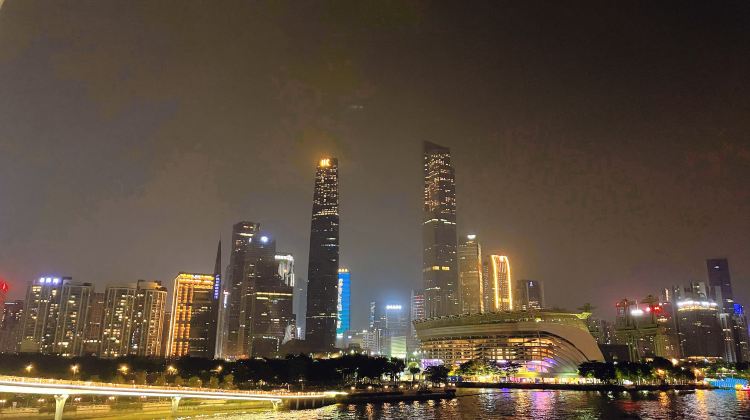
Guangzhou combines the depth of an old port with the energy of a modern Chinese megacity. Its most rewarding sights are not concentrated in one historic center. Instead, the city unfolds through contrasting districts: arcaded streets in Liwan, ancestral halls and markets in older neighborhoods, museums and high-rises in Zhujiang New Town, and riverside public spaces extending across the urban area.
Best Time to Travel to Guangzhou
Autumn and the cooler part of winter often provide the most comfortable conditions for walking, with less oppressive heat than summer. Spring can be humid and rainy, while summer is hot, wet, and subject to severe weather disruptions. Conditions vary from year to year, so check a current forecast and regional weather advisories before outdoor day trips.
Major trade fairs and public holidays can sharply affect hotel availability, rail tickets, and crowd levels. Travelers without a reason to attend should check Guangzhou's event calendar before fixing dates. During busy national holiday periods, reserve intercity transportation as early as official booking windows allow.
Historic Guangzhou: Liwan, Xiguan, and Shamian
Liwan District preserves some of Guangzhou's clearest links to its trading past. The Xiguan area is associated with traditional mansions, narrow lanes, Cantonese opera, craft traditions, and long-established food shops. Enning Road and the surrounding streets provide a useful walking area, though restoration and commercial development continue to change individual blocks.
Chen Clan Ancestral Hall is one of the city's strongest introductions to Lingnan decorative arts. Its courtyards and halls feature wood, stone, brick, ceramic, and plaster ornament. Rather than rushing through, look closely at roof ridges, screens, beams, and carved narrative scenes.
Nearby, Shamian Island reflects a different chapter of Guangzhou's history. Its tree-lined streets and European-influenced buildings date from the period when foreign concessions operated beside the old trading city. Today it serves as a calm walking district, but its architecture makes more sense when viewed within Guangzhou's broader history of maritime trade and outside intervention.
Qingping Market and surrounding commercial streets add everyday texture. As with any active market, be considerate when photographing vendors and avoid blocking narrow passages.
Lingnan Gardens and Architecture
Lingnan gardens are adapted to southern China's climate and social traditions. Compared with the large imperial landscapes of northern China, many are compact and closely integrated with domestic architecture. Rockwork, ponds, covered corridors, carved screens, shaded courtyards, and framed views create variety within limited space.
Baomo Garden
Baomo Garden in Guangzhou's Panyu District combines water features, bridges, pavilions, sculpture, and displays of traditional craftsmanship. It is more elaborate and reconstructed than an untouched historic residence, yet it provides an accessible visual introduction to Lingnan garden design. Panyu is south of central Guangzhou, so allow for a dedicated half-day rather than treating the garden as a quick central stop.
Foshan's Qinghui Garden
Qinghui Garden in Shunde is one of the best-known classical Lingnan gardens. Its ponds, pavilions, decorative glass, courtyards, and carefully arranged sightlines make it a strong companion to a food trip in Shunde. The garden is urban rather than remote, which makes it possible to combine architecture and dining in the same day.
Liang Garden and Foshan Heritage
Liang Garden in Foshan offers another perspective on Lingnan design and scholarly domestic space. In central Foshan, travelers can also visit Zumiao, or the Ancestral Temple, a complex associated with local religious practice, martial arts culture, and Cantonese performance traditions. Current opening and ticket arrangements should be checked before departure.Practical Guangzhou Travel Tips
- Save destination names in Chinese. This helps with taxis, station navigation, and restaurant searches.
- Check the railway station carefully. Guangzhou has multiple major stations, and arriving at the wrong one can disrupt an onward journey.
- Use the metro for most city trips. Add extra time during commuter peaks and for large interchange stations.
- Carry a backup payment method. Mobile payment is widespread, but international travelers should not depend on one app or card.
- Pack for humidity and rain. Breathable clothing, a compact umbrella, and comfortable shoes are useful for much of the year.
- Reserve selectively. Museums, popular restaurants, trains, and attractions may use different booking systems; confirm only those relevant to your dates.
- Keep Macau documents accessible. The crossing is an international-style border process, not an ordinary city-to-city transfer.
- Order with the group in mind. Cantonese meals are designed for sharing, so coordinate dishes instead of ordering separate mains.
Guangzhou makes the Pearl River Delta manageable by giving the trip a strong center. Start with morning tea and the historic neighborhoods, compare old trading streets with the Zhujiang New Town skyline, then choose one regional thread: Lingnan gardens, Shunde cooking, Kaiping migration heritage, or the route to Macau. That focused approach reveals how the Delta's cities are connected without reducing them to interchangeable stops.
FAQ
How many days do you need in Guangzhou?
Three days cover the historic districts, modern riverfront, major museums, and several focused meals. Five to seven days allow time for Foshan, Shunde, a Lingnan garden, or an onward trip to Macau.Is Guangzhou a good destination for first-time visitors to China?
Yes. The city has strong public transportation, major air and rail connections, a wide range of hotels, and distinctive food and history. Some English signage is available in transport hubs, but translation tools and saved Chinese addresses remain useful.What food is Guangzhou best known for?
Guangzhou is best known internationally for dim sum, but its food culture also includes roast meats, white-cut chicken, wonton noodles, congee, slow soups, clay-pot rice, seafood, and regional desserts.Can you visit Macau from Guangzhou in one day?
A day trip is possible in logistical terms, but transportation, immigration, and local transit reduce sightseeing time. An overnight stay is more comfortable and provides a better view of Macau beyond its busiest landmarks.Is Foshan or Shunde better for a day trip?
Choose central Foshan for martial arts heritage, temples, and ceramics. Choose Shunde for a food-centered day paired with Qinghui Garden. Travelers with an overnight stay can include a focused selection from both.