GuangzhouChinaAsiaBest TimePlaces to GoThings to Do
Show All

Guangzhou and the Pearl River Delta: Dim Sum, Lingnan Gardens and Macau

cover

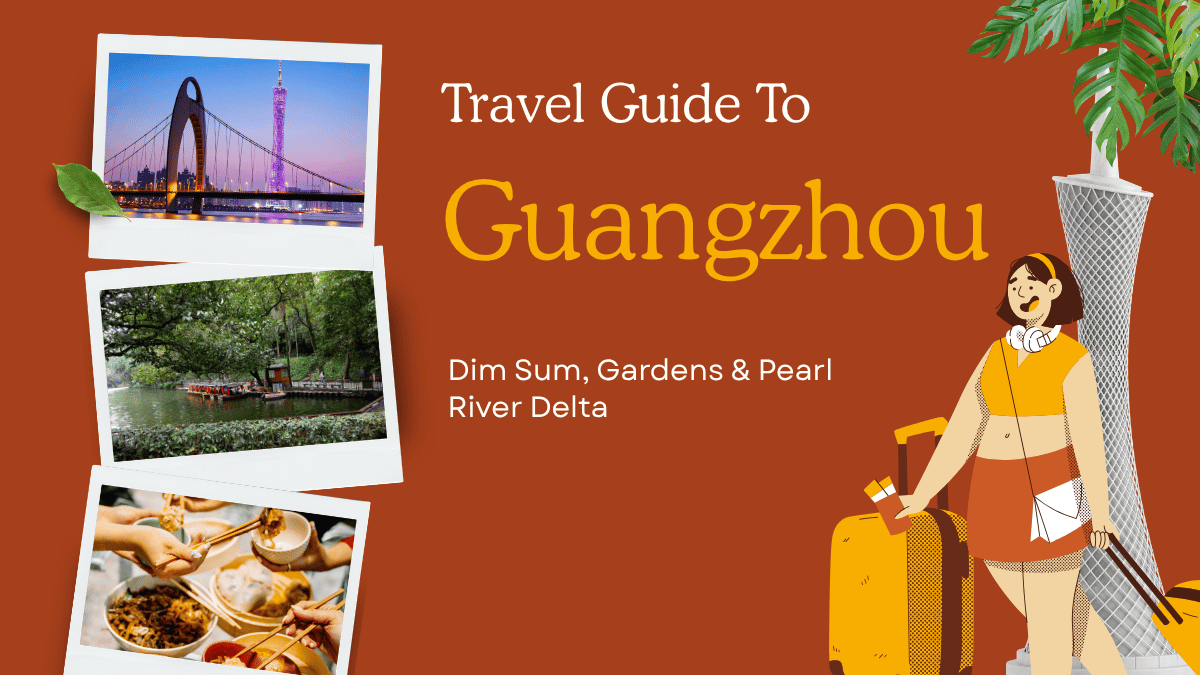
Guangzhou is the cultural and commercial anchor of the Pearl River Delta, a densely connected region where historic trading districts sit beside modern skylines, factory cities, garden towns, and ferry ports. For travelers, the city offers three strong reasons to stay: Cantonese food at its source, Lingnan architecture shaped by the subtropical south, and fast access to Foshan, Shunde, Kaiping, Zhuhai, and Macau.

A useful first trip gives Guangzhou at least three days, then adds one or two regional stops based on interest. Choose Foshan and Shunde for martial arts heritage and food, Kaiping for rural watchtowers, or Zhuhai and Macau for a coastal finish. The Delta looks compact on a map, but urban transfers and border procedures mean that a selective route works better than a long checklist.


Where Is Guangzhou?

Guangzhou is the capital of Guangdong Province in southern China. It stands on the Pearl River and forms part of the Guangdong–Hong Kong–Macao Greater Bay Area. International travelers may still recognize its older English name, Canton, which survives in terms such as Cantonese food and the Canton Fair.

The city is linked by rail and highway to major Pearl River Delta destinations. Foshan adjoins Guangzhou to the west, while Shenzhen, Hong Kong, Zhuhai, and Macau lie farther south and east around the estuary. Guangzhou Baiyun International Airport and several major railway stations make the city a practical arrival point, but travelers should check the exact station before departure because the terminals serve different routes.

guangzhou

Why Visit Guangzhou?

Guangzhou combines the depth of an old port with the energy of a modern Chinese megacity. Its most rewarding sights are not concentrated in one historic center. Instead, the city unfolds through contrasting districts: arcaded streets in Liwan, ancestral halls and markets in older neighborhoods, museums and high-rises in Zhujiang New Town, and riverside public spaces extending across the urban area.

Best Time to Travel to Guangzhou

Autumn and the cooler part of winter often provide the most comfortable conditions for walking, with less oppressive heat than summer. Spring can be humid and rainy, while summer is hot, wet, and subject to severe weather disruptions. Conditions vary from year to year, so check a current forecast and regional weather advisories before outdoor day trips.

Major trade fairs and public holidays can sharply affect hotel availability, rail tickets, and crowd levels. Travelers without a reason to attend should check Guangzhou's event calendar before fixing dates. During busy national holiday periods, reserve intercity transportation as early as official booking windows allow.

Start with Dim Sum and Cantonese Food

How Morning Tea Works


In Guangzhou, yum cha—literally drinking tea—is the social meal built around tea and small dishes commonly called dim sum. Families and friends gather over steamed, baked, and fried items rather than ordering a single main course. Popular choices include shrimp dumplings, pork dumplings, steamed rice noodle rolls, barbecue pork buns, turnip cake, chicken feet, and egg tarts.

Arrive earlier for the broadest selection at busy traditional restaurants. Ordering systems differ: some dining rooms use a paper checklist, others use carts, table-side menus, or mobile ordering. Tea may be charged per person, and staff may ask which variety the table wants before food is ordered.

Dim sum is only one part of Cantonese cooking. Roast goose, white-cut chicken, clay-pot rice, wonton noodles, congee, double-skin milk, slow soups, and seasonal seafood all deserve space in a food-focused itinerary. Shunde, now a district of Foshan, is particularly respected for techniques involving fish, milk, and careful control of texture.

dim sum


Practical Dining Advice


Solo diners can still eat well, but dim sum is easier with two or more people because each basket contains several pieces. Visit a local bakery, noodle shop, or congee restaurant when a banquet-style dining room feels excessive. At seafood restaurants, confirm how items are priced and prepared before ordering. Travelers with allergies or dietary restrictions should carry a written Chinese explanation, as sauces and stocks may contain ingredients not visible in the final dish.

Historic Guangzhou: Liwan, Xiguan, and Shamian

Liwan District preserves some of Guangzhou's clearest links to its trading past. The Xiguan area is associated with traditional mansions, narrow lanes, Cantonese opera, craft traditions, and long-established food shops. Enning Road and the surrounding streets provide a useful walking area, though restoration and commercial development continue to change individual blocks.

Chen Clan Ancestral Hall is one of the city's strongest introductions to Lingnan decorative arts. Its courtyards and halls feature wood, stone, brick, ceramic, and plaster ornament. Rather than rushing through, look closely at roof ridges, screens, beams, and carved narrative scenes.

Nearby, Shamian Island reflects a different chapter of Guangzhou's history. Its tree-lined streets and European-influenced buildings date from the period when foreign concessions operated beside the old trading city. Today it serves as a calm walking district, but its architecture makes more sense when viewed within Guangzhou's broader history of maritime trade and outside intervention.

Qingping Market and surrounding commercial streets add everyday texture. As with any active market, be considerate when photographing vendors and avoid blocking narrow passages.

Modern Guangzhou and the Pearl River

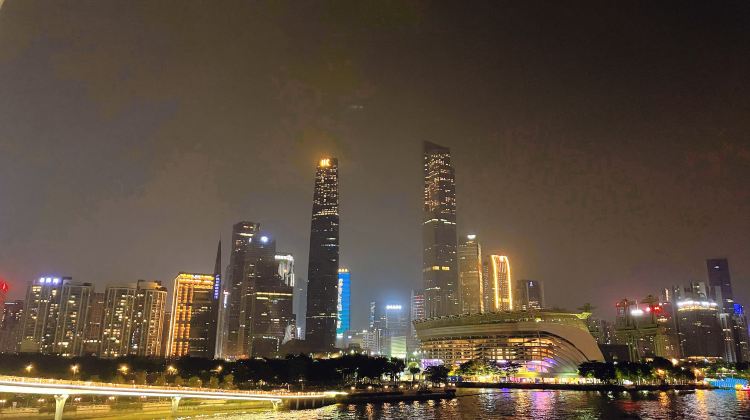
Zhujiang New Town showcases Guangzhou's contemporary face. The district contains major cultural venues, offices, shopping centers, and towers arranged around broad public spaces. Guangdong Museum is a useful stop for regional history, art, and natural history; travelers should verify current admission and reservation procedures before visiting.

Across the river, Canton Tower forms the most recognizable point on the skyline. The surrounding riverfront is worthwhile even without entering the tower. After dark, illuminated buildings create a very different view from Liwan's low-rise lanes.

A Pearl River cruise is one way to see the skyline, but departure piers, routes, and operating times can change. Confirm the current pier and arrive with enough time to locate the correct boarding area. An evening walk along a central riverfront section offers a simpler alternative without a fixed schedule.

guangzhou tower

Lingnan Gardens and Architecture

Lingnan gardens are adapted to southern China's climate and social traditions. Compared with the large imperial landscapes of northern China, many are compact and closely integrated with domestic architecture. Rockwork, ponds, covered corridors, carved screens, shaded courtyards, and framed views create variety within limited space.
 

Baomo Garden


Baomo Garden in Guangzhou's Panyu District combines water features, bridges, pavilions, sculpture, and displays of traditional craftsmanship. It is more elaborate and reconstructed than an untouched historic residence, yet it provides an accessible visual introduction to Lingnan garden design. Panyu is south of central Guangzhou, so allow for a dedicated half-day rather than treating the garden as a quick central stop.
 

Foshan's Qinghui Garden


Qinghui Garden in Shunde is one of the best-known classical Lingnan gardens. Its ponds, pavilions, decorative glass, courtyards, and carefully arranged sightlines make it a strong companion to a food trip in Shunde. The garden is urban rather than remote, which makes it possible to combine architecture and dining in the same day.
 

Liang Garden and Foshan Heritage


Liang Garden in Foshan offers another perspective on Lingnan design and scholarly domestic space. In central Foshan, travelers can also visit Zumiao, or the Ancestral Temple, a complex associated with local religious practice, martial arts culture, and Cantonese performance traditions. Current opening and ticket arrangements should be checked before departure.

Best Day Trips from Guangzhou

Foshan: Martial Arts and Ceramics


Foshan is close enough for a day trip and substantial enough for an overnight stay. The city is linked to southern Chinese martial arts traditions and is widely associated with figures such as Wong Fei-hung and Ip Man. At Zumiao, displays and scheduled performances may add context, though travelers should verify the day's program rather than assuming a demonstration will coincide with their visit.

Foshan is also known for ceramics, particularly around Shiwan. Museums, workshops, and surviving kiln heritage show how utilitarian pottery and expressive ceramic sculpture developed side by side.

foshan


Shunde: A Food-Led Excursion


Shunde is the best regional addition for travelers whose priority is food. Build the day around two or three deliberate meals instead of moving between distant attractions. Qinghui Garden provides a cultural break between restaurants, while neighborhood dessert shops offer specialties based on milk, ginger, sesame, or beans.

Restaurant popularity can create queues, especially on weekends and holidays. Keep backup choices nearby and avoid crossing the district for one social-media-famous dish when a respected local alternative is available.


Kaiping: Diaolou and Village Landscapes


Kaiping lies farther west and requires more travel time, but its diaolou make it one of the Delta's most distinctive cultural excursions. These fortified multi-story residences combine Chinese building traditions with architectural influences brought back by overseas Chinese communities. The UNESCO-listed group is spread among several villages and rural areas rather than contained in one compact site.

A driver, organized excursion, or carefully arranged local transfer makes the day easier. Avoid promising several village clusters in a rushed schedule; one or two well-chosen areas allow time to understand the buildings and the migration history behind them.


Zhuhai: A Coastal Pause


Zhuhai sits beside Macau and offers waterfront parks and a convenient staging point for a border crossing. Travelers continuing to Macau should choose accommodation with their intended crossing point and onward transport in mind.

zhuhai

Adding Macau to a Guangzhou Trip

Macau is a Special Administrative Region with its own immigration controls, currency, and border procedures. Traveling from mainland China to Macau involves a formal departure and entry process, even when the journey begins elsewhere in the Pearl River Delta. Passport, visa, and re-entry requirements depend on nationality and individual circumstances.

macau


Before travel, consult the official immigration authorities for mainland China and Macau and verify that your documents permit the complete route, including any return to mainland China. Do not rely on a hotel, airline, or older travel post as the sole source for entry advice.

Once in Macau, the historic center brings together Portuguese-influenced civic buildings, churches, tiled pavements, Chinese temples, and dense residential streets. Senado Square and the Ruins of St. Paul's are the best-known stops, but nearby lanes reveal more of the city's layered character. A-Ma Temple reflects Chinese maritime traditions that predate the colonial city.

Macanese food draws from Chinese and Portuguese culinary histories, with dishes shaped by maritime trade and local adaptation. Cantonese dining remains equally important. Macau can be visited as a long day, but staying one or two nights gives more time for the historic peninsula, Taipa, and quieter hours after day visitors leave.

Transport options between Guangzhou, Zhuhai, and Macau can change, and the best route depends on the chosen border checkpoint and current service. Confirm the exact station, terminal, operating schedule, and immigration requirements shortly before departure.

Where to Stay in Guangzhou

  • Liwan: Best for heritage streets, traditional food, and a slower historic atmosphere.
  • Yuexiu: Convenient for established sights, parks, and central transportation.
  • Tianhe: Useful for modern shopping, business districts, and rail connections from Guangzhou East or Guangzhou South via the metro network.
  • Zhujiang New Town: Best for contemporary architecture, museums, upscale hotels, and evening river views.
  • Panyu: Practical for selected southern attractions or access to Guangzhou South Railway Station, but less convenient for repeated sightseeing in the old center.

Classic 5-Day Guangzhou Itinerary

Day 1: Old Guangzhou

Begin with morning tea, then visit Chen Clan Ancestral Hall and walk through Xiguan or Enning Road. Finish on Shamian Island or beside the Pearl River.

Day 2: Museums and the Modern City

Spend the morning at a major museum, continue through Zhujiang New Town, and see the riverfront skyline after dark. Keep reservations flexible until current museum entry rules are confirmed.

Day 3: Foshan and Shunde

Choose Foshan for martial arts and ceramics, Shunde for food and Qinghui Garden, or combine a limited selection from both. An overnight stay helps travelers who want a long dinner without returning late to Guangzhou.

Day 4: Lingnan Garden or Kaiping

Visit Baomo Garden for an easier Guangzhou-based day, or dedicate the full day to Kaiping's diaolou and villages. Do not attempt both.

Day 5: Continue toward Macau

Travel toward Zhuhai and complete border procedures for Macau. Stay overnight if time allows. Travelers who prefer coordinated regional logistics can compare Guangzhou tours and broader Guangzhou vacation packages before finalizing the route.

Practical Guangzhou Travel Tips

  • Save destination names in Chinese. This helps with taxis, station navigation, and restaurant searches.
  • Check the railway station carefully. Guangzhou has multiple major stations, and arriving at the wrong one can disrupt an onward journey.
  • Use the metro for most city trips. Add extra time during commuter peaks and for large interchange stations.
  • Carry a backup payment method. Mobile payment is widespread, but international travelers should not depend on one app or card.
  • Pack for humidity and rain. Breathable clothing, a compact umbrella, and comfortable shoes are useful for much of the year.
  • Reserve selectively. Museums, popular restaurants, trains, and attractions may use different booking systems; confirm only those relevant to your dates.
  • Keep Macau documents accessible. The crossing is an international-style border process, not an ordinary city-to-city transfer.
  • Order with the group in mind. Cantonese meals are designed for sharing, so coordinate dishes instead of ordering separate mains.
Guangzhou makes the Pearl River Delta manageable by giving the trip a strong center. Start with morning tea and the historic neighborhoods, compare old trading streets with the Zhujiang New Town skyline, then choose one regional thread: Lingnan gardens, Shunde cooking, Kaiping migration heritage, or the route to Macau. That focused approach reveals how the Delta's cities are connected without reducing them to interchangeable stops.

FAQ

How many days do you need in Guangzhou?

Three days cover the historic districts, modern riverfront, major museums, and several focused meals. Five to seven days allow time for Foshan, Shunde, a Lingnan garden, or an onward trip to Macau.

Is Guangzhou a good destination for first-time visitors to China?

Yes. The city has strong public transportation, major air and rail connections, a wide range of hotels, and distinctive food and history. Some English signage is available in transport hubs, but translation tools and saved Chinese addresses remain useful.

What food is Guangzhou best known for?

Guangzhou is best known internationally for dim sum, but its food culture also includes roast meats, white-cut chicken, wonton noodles, congee, slow soups, clay-pot rice, seafood, and regional desserts.

Can you visit Macau from Guangzhou in one day?

A day trip is possible in logistical terms, but transportation, immigration, and local transit reduce sightseeing time. An overnight stay is more comfortable and provides a better view of Macau beyond its busiest landmarks.

Is Foshan or Shunde better for a day trip?

Choose central Foshan for martial arts heritage, temples, and ceramics. Choose Shunde for a food-centered day paired with Qinghui Garden. Travelers with an overnight stay can include a focused selection from both.

Summary

Where Is Guangzhou?

Why Visit Guangzhou?

Best Time to Travel to Guangzhou

Start with Dim Sum and Cantonese Food

Historic Guangzhou: Liwan, Xiguan, and Shamian

Modern Guangzhou and the Pearl River

Lingnan Gardens and Architecture

Best Day Trips from Guangzhou

Adding Macau to a Guangzhou Trip

Where to Stay in Guangzhou

Classic 5-Day Guangzhou Itinerary

Practical Guangzhou Travel Tips

FAQ

America's 250th Anniversary Mega Sale

image