GyeongjuBusanSeoulSouth KoreaAsiaPlaces to GoThings to DoFood & DrinkTravel TipsVacations
Mostrar todo

Travel Guide to South Korea: K-Culture, Food & Temples

cover

This travel guide to South Korea starts with the shape of the country rather than a list of sights, because where you land decides what you can see. Seoul holds the palaces, the markets, and most of the flights; Busan holds the coast, and the smaller cities in between hold the temples, the hanok villages and the royal tombs that give a trip its depth.


How much time do you need? Five days in a coach cover the circle from Seoul down to Busan and back up through the mountains, which is tight but workable. Seven or eight days let the same route breathe and add Gwangju and the tea fields at Boseong.


Treat it as a South Korea vacation guide for a first trip rather than a diary: it covers the cities, the food worth planning around, temple and hanbok time, the seasons, the driving distances between stops, and the practical details that decide whether the days feel rushed.


Seoul, Busan and the Cities Between Them

Seoul, Busan, and the towns in between do different jobs, and a route that treats them as one long list of sights ends up a blur of palaces. Give each place a role, and the country starts to make sense.


Seoul: Palaces and the First Full Day


Almost every route begins in Seoul, and the full-day city pattern is predictable enough to plan around. A Seoul tour usually opens at Jogyesa temple, moves to Gyeongbokgung Palace for the Royal Guard Changing Ceremony, then covers the National Folk Museum before heading out of town.


One detail catches people off guard: on Tuesdays the palace stop becomes Deoksu Palace instead, so if Gyeongbokgung is the reason you came, do not book that day. The Korean Folk Village sits about an hour and a half from the city and holds around 260 types of traditional houses, which fills an afternoon on its own.

seou


Busan: Coast, Beach and Cable Car


Busan is the counterweight to the capital, and most of what you came for sits along the water. Haeundae Beach and Dongbaek Park take a couple of hours, the Songdo Sea Cable Car puts you over the sea rather than beside it, and the UN Memorial Cemetery and Nurimaru APEC House round out a day without much driving.


A Busan tour works well as the halfway point of a loop, since the city sits at the bottom of the country and the routes back north usually run through Gyeongju.

busan


Gyeongju: Tombs and Observatory


Gyeongju holds the Silla-era sights, and they sit close together. The Daereungwon Tomb Complex is a group of grassy burial mounds you walk between, the Cheomseongdae Observatory is a short stop that takes about twenty minutes, and both pair naturally with the temples outside town.


Jeonju and Andong: Hanok Villages


Jeonju Hanok Village keeps around 700 traditional houses, and wandering the lanes on foot is the point rather than any single building. Gyeonggijeon Shrine is in the same town and takes about an hour. Andong Hahoe Folk Village is the other half of the pair: it is UNESCO-listed, people still live there, and Queen Elizabeth II visited it, which is the kind of detail local guides enjoy repeating.

Korean Foods You Must Try

Food changes with the region on this route, and that is the useful part: the same week gives you a city grill, a temple table and a fish market within a few days of each other. Here is what to plan around.


Jeonju Bibimbap


Jeonju is where bibimbap gets taken seriously, and it is the lunch to build the day around. Eat it after walking the hanok lanes, since the village is where the restaurants cluster.


Korean BBQ and Hanjeongsik


Korean BBQ is the meal most visitors already know they want, and it works best as a dinner with a group, since the table fills up with meat, leaves and side dishes. Hanjeongsik is the formal alternative: a set menu built around a spread of small dishes rather than one main plate, which is the version to book when you want to sit for two hours.


Jagalchi Market on the Coast


Jagalchi Market in Busan is the seafood stop of the trip, and the visit runs about two hours at market pace. Go hungry, because this is a market you eat in rather than walk through.


Tea, Sweets and the Boseong Fields


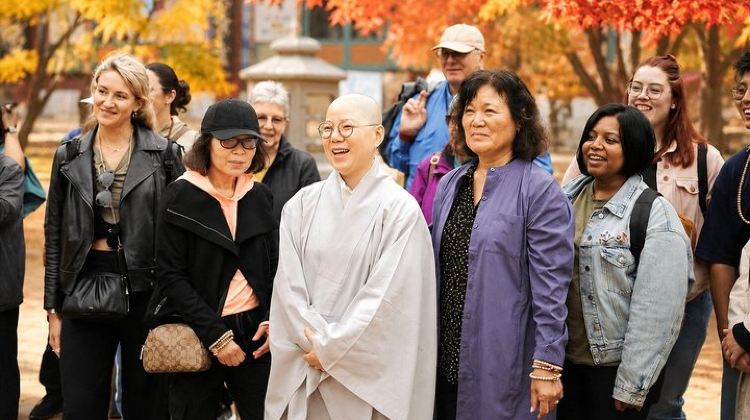
Boseong holds the country's largest green tea plantation, and the rows of bushes are the reason the detour south is worth the drive. Nearby, Baekyangsa Temple runs a tea conversation with a Buddhist monk, which is a seated hour rather than a tasting. If you like doing something with your hands, the sweets-making session with instructors works for children as well as adults.

Temples, Hanbok and K-Culture

The cultural half of a Korean trip is easier to plan when you separate the things you visit from the things you do. Temples are visits, while hanbok, tea sessions, and sweets classes are activities with a set time, which is why they shape the day more than another palace stop does.


Bulguksa and Seokguram


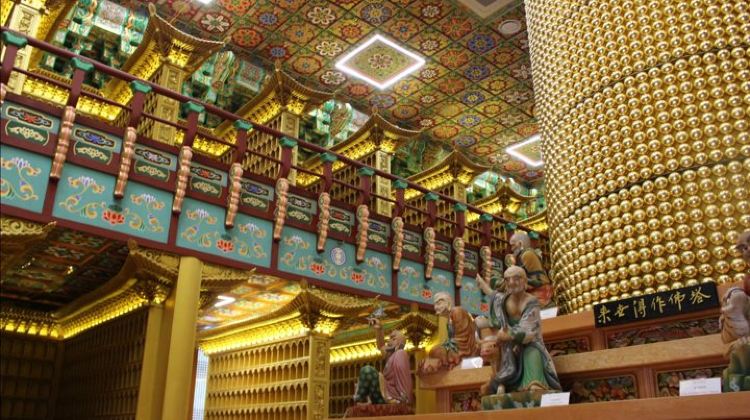
Bulguksa is the Silla Buddhist temple outside Gyeongju, and the carved stone relics are what earned it World Heritage status. Seokguram Grotto was built by Kim Dae-Seong during the reign of King Gyeong-Deok, which ran from 742 to 765, and it sits in the hills above the temple.


Hanbok in Jeonju


Wearing hanbok through Jeonju Hanok Village is the photo stop that actually works, because the lanes of traditional houses give you a backdrop rather than a studio wall. It slots into the village walk instead of eating a day, and the all-inclusive loop builds it into the visit rather than leaving it as an extra.


K-Pop Stops Along the Route


K-culture shows up in odd places on this route. Gangneung Hangho Beach has the bus stop used for BTS album jacket photos, and Gwangju is J-Hope's hometown, with his song Ma City taking the May 18 Democratization Movement as its subject. Both stops take minutes, which is the right expectation: they are photo pauses between longer drives, not destinations of their own.

Getting Between Cities Without a Car

The distances here are shorter than the map suggests, and most of a loop is spent on good roads rather than stuck in traffic. A South Korea tour that circles the country handles that driving for you, and the leg times below are the ones the published itineraries quote.


Do you need to rent a car? Not on a route like this. The stops are close enough together that a coach covers three or four a day, and someone else deals with city traffic while you look out of the window.


Leg Distance Drive time
Seoul to Gongju 130 km 1 hr 30 min
Gongju to Jeonju 80 km 1 hr
Jeonju to Gwangju 100 km 1 hr 30 min
Gwangju to Suncheon 100 km 1 hr
Suncheon to Yeosu 38 km 40 min
Gyeongju to Andong 170 km 2 hr 30 min
Andong to Pyeongchang 234 km 2 hr 30 min
Pyeongchang to Seoul 195 km 3 hr 30 min


The longest runs cross the mountains at the end of the trip, which is why most loops sleep in Pyeongchang rather than pushing back to Seoul in one go.

Best Time to Visit South Korea

The season changes two things on this route: how much walking you will enjoy, and whether the mountain day survives the schedule. Palaces, markets and temples run all year, so the calendar mostly decides how the outdoor half feels.


Spring


Spring is the stretch the published itineraries do not flag for crowding, which makes it the easiest season to keep a full circle intact. The walking that Jeonju, Andong, and the temple grounds ask of you stays the same in any month, and the tea terraces at Boseong hold their place on the schedule without a weather caveat.


Summer


Summer runs warm and humid, and that is the review most travelers come back with: carry water, wear light clothing, and expect the walking to feel longer than the distance suggests. The operator also warns that Mt. Seorak may not be visitable in the summer peak because of crowds, so treat the mountain day as the flexible one.


Autumn


Fall is the second half of that same peak warning, and Seorak is where it bites. If the mountain is the reason for your trip, build the loop around a date outside the crowd window rather than hoping the coach gets in.


Winter


Winter puts Pyeongchang on the map for a different reason: it hosted the 2018 Winter Olympic Games, and the drive around the venues is part of the route. The cable car up to Gwongeumseong Fortress is priced at $20 per person and is optional, and the ski jump monorail is another add-on. Cold days also make the indoor stops, the museums, and the tea session a better value than a long outdoor walk.

What to Keep and What to Drop

A first trip to South Korea works better once you accept that the circle is the point and the individual stops are negotiable. Keep the hanok village walk and the temple morning in Gyeongju, because neither can be reproduced in the capital, and keep one full day in Seoul at the end so the last day is not spent rushing toward the airport.


Drop the mountain day if crowds bother you, and trade it for a second Seoul day rather than pushing the coach through a queue. Drop Jeju Island on a one-week trip as well; it appears on the longer routes, which is the right place for it, and trying to bolt it onto five days costs you the south coast.


Rather than stretching a short trip across the whole country, pick the half that matches your interest. The southwest holds the food and the tea fields, the southeast holds the coast and the Silla sights, and the east holds the mountains. If Seoul is all the time you get, the capital alone will keep you busy for several days without a day trip. The rule this guide keeps returning to is simple: fewer stops, more time in each.

FAQ

Is it still safe to travel to South Korea now?

Yes. South Korea is generally safe for tourists to visit. Based on the latest available government travel advisories, there is no general recommendation to avoid travel to South Korea.

What's the best month to visit South Korea?

The best month to visit South Korea is October, especially if you're planning your first trip. October offers a great combination of comfortable temperatures, clear skies, autumn foliage, and excellent sightseeing conditions. However, April and May are equally attractive if you prefer spring flowers and cherry blossoms.

Is $1000 enough for 2 weeks in Korea?

Yes! $1,000 can be enough for a 2-week trip to South Korea, but it depends on whether you're including flights and accommodation. If you're talking about $1,000 USD per person, excluding international flights, it's a workable budget for 14 days, especially if you stay in budget hotels or guesthouses, eat local food, and use public transportation.

How many days in Korea are good for a first-time visit?

For a first-time visit to South Korea, I recommend 7–10 days. This gives you enough time to experience Seoul, explore another city, enjoy Korean food and culture, and travel without feeling rushed.

Resumen

Seoul, Busan and the Cities Between Them

Korean Foods You Must Try

Temples, Hanbok and K-Culture

Getting Between Cities Without a Car

Best Time to Visit South Korea

What to Keep and What to Drop

FAQ

America's 250th Anniversary Mega Sale

image