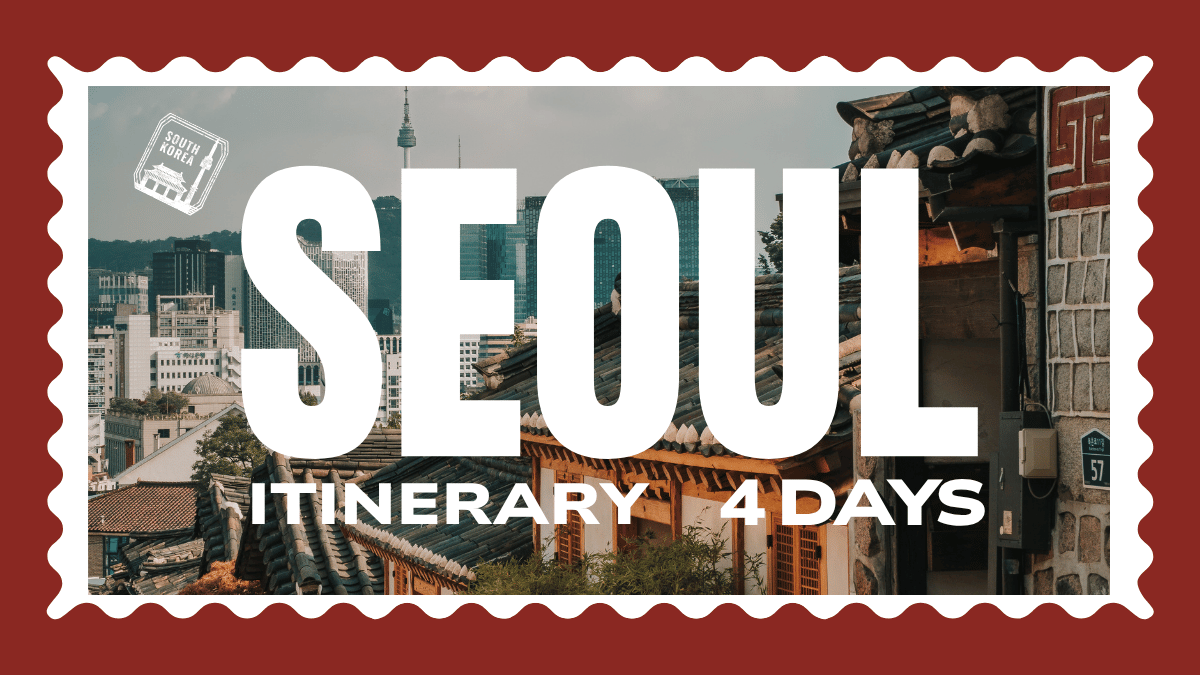
4 days is a short window for a city this size, so each day below has one job. The order matters more than the stops: culture when you are fresh, shopping when your feet are tired, and food when the city is out eating.
Day 1: Palaces, Hanok Lanes and the Old Core
Gyeongbokgung Palace takes the morning. Arrive for opening, because the courtyards fill as the morning goes on and the light is better before the tour coaches reach the gate. Walk the palace at a steady pace rather than trying to see every hall, then leave through the side that points uphill toward Bukchon Hanok Village.
The village is a residential neighborhood of narrow lanes, not a museum, so keep your voice down, stay out of open doorways, and treat the people carrying groceries as neighbors rather than scenery. The slope is real, the paving is uneven, and flat shoes decide whether the hour is pleasant. Rent a hanbok before the palace gate if you want the photographs; carrying one around after lunch stops being fun.
Sit down for a real lunch after the village, then spend the afternoon on one smaller site rather than three. The old core rewards a slow walk, and your legs need the reserve for day three.

Day 2: Shopping, and How Seoul Prices Things
Seoul retail runs on two systems, and knowing which one you are standing in saves both money and argument. Big-street shops price in fixed amounts and often have English-speaking staff, and their demo counters for skincare and cosmetics are where most visitors end up buying in volume. Stalls and small vendors expect a bundle conversation, especially on several of the same item.
Ask for the tax refund paperwork at the counter when you pay, not at the airport, and keep the receipts together in one envelope. The other limit nobody plans for is luggage weight: buy tea, ceramics, stationery and fabric on day two, and leave anything heavy for the last afternoon so you are not carrying it around for two days.
Shop in the late afternoon and eat dinner where you shopped. Mornings are better spent outdoors, and the retail streets are at their liveliest when the offices empty.
Day 3: Street Food, Market by Market
Market food is the day that gets squeezed, usually by treating it as a snack stop between sights. Give it a full day and go at meal times, when the stalls are turning over stock, and the seating is in use. Walk the length of the aisle first, see what the next table ordered, then commit to one stall and sit down.
Portions are built for grazing, so three or four small orders across a morning beat one large plate, and cash still settles faster than a card at the busiest counters. Seafood counters are best early, before the trays thin out. If you want something sweet to take home, the traditional sweet called gangjeong keeps well and travels better than anything wet.
Book the food day for a weekday if you can. Weekend markets are busier, the lines are longer, and the stallholders have less time to explain what you are looking at.

Day 4: The Day Out, or the Slow Day
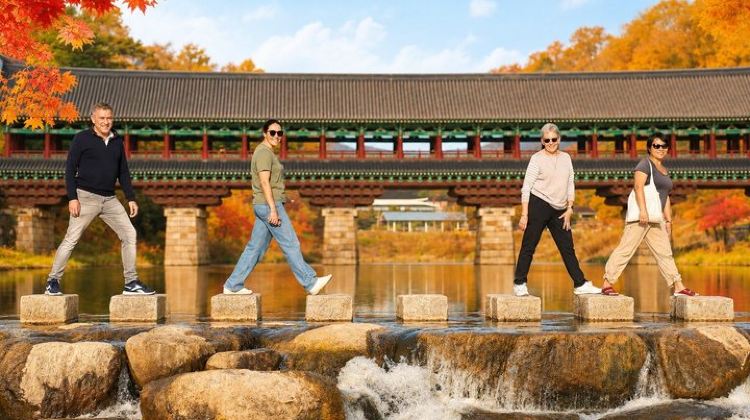
The fourth day is where a four-day plan either breathes or breaks. Three options are worth the hours: the border, a folk village, or a mountain. The border suits travelers who came to Korea for the DMZ and want a guided, fixed-order day. A folk village day is gentler, with more walking and fewer checkpoints. Mt. Seoraksan is a two-hour walk from the Sogongwon park gate, so it fits a long day out; the ridge routes above it are a two-day private trip of their own.
If none of those appeal, keep day four in the city and use it as a buffer. A slow morning, a last shopping run, and an early dinner near the hotel is a legitimate way to end a trip, and it protects you if a flight or a booking moves.