ChinaAsiaBest TimePlaces to GoThings to Do
Mostrar todo

Inner Mongolia Grasslands: Horse Riding, Yurt Stays and Gobi Desert

cover

Inner Mongolia is where northern China's open steppe meets forest, volcanic terrain, wetlands, and the Gobi Desert. A trip here might include riding across the grasslands, sleeping in a yurt-style camp, learning about Mongolian culture, and watching dunes change color late in the day. Yet these experiences are spread across an enormous region, so choosing the right area matters more than trying to cover everything.

For wide summer grasslands, Hulunbuir and Xilingol are the main choices. Hohhot works well for a shorter introduction that combines museums, temples, and nearby pastoral scenery. Travelers drawn to desert landscapes should look west toward Ordos or the Alxa region. This guide explains how those areas differ and how to build a practical first trip.


Where Is Inner Mongolia?

The Inner Mongolia Autonomous Region stretches across much of northern China. It borders Mongolia and Russia and curves from the northeast near Heilongjiang to the dry western landscapes beside Gansu and Ningxia. This long shape explains why the region has no single climate or defining landscape.

Hohhot is the regional capital and a common gateway for first-time visitors. Other important Inner Mongolia cities and urban gateways include Baotou, Ordos, Chifeng, and Hulunbuir. In the far northeast, Hailar District serves as the main transport base for many Hulunbuir grassland routes. Farther west, Alxa Left Banner is a starting point for desert travel.

Inner Mongolia is part of China and should not be confused with the independent country of Mongolia to its north. Visitors use China's regular transportation, currency, and entry system throughout the autonomous region.

Inner Mongolia

Best Time for Visiting Inner Mongolia

June through August is the main grassland travel period. Temperatures are generally warmer, pastures are more likely to be green, and camps operate their fullest seasonal schedules. This is also a busy period, so popular accommodations and vehicles may require booking.

September can bring clear air, autumn color, and fewer summer crowds, especially in the northeast. Nights become colder, however, and some seasonal services begin to wind down. Spring is often windy, with landscapes that may not yet be green.

Winter brings severe cold across much of Inner Mongolia. Snow-covered steppe and winter festivals can appeal to experienced cold-weather travelers, but clothing, transport buffers, and operator capability become critical. Desert trips are often more comfortable outside the hottest part of summer, though day-to-night temperature swings remain important.

Because Inner Mongolia spans such a long distance, check conditions for the exact destination rather than using a forecast for Hohhot to plan Hulunbuir or Alxa.

Which Inner Mongolia Grassland Should You Visit?

The best grassland depends on your starting city, trip length, and preferred scenery. Hulunbuir offers vast northeastern landscapes and longer road journeys. Xilingol provides classic steppe closer to Beijing than Hulunbuir. Areas near Hohhot are easier to add to a short northern China itinerary.
 

Hulunbuir: Broad Steppe and Varied Landscapes


Hulunbuir is often the first name associated with the Inner Mongolia grassland. Its northeastern location supports broad summer pastures, rivers, wetlands, birch woods, and pastoral communities. Routes commonly begin in Hailar and continue by road toward grassland areas and border-region towns.

The distances are significant, and the journey is part of the experience. Travelers pass through changing terrain rather than moving between a series of compact attractions. A private vehicle or organized route is useful because public transportation does not connect every scenic stop conveniently.

Hulunbuir suits travelers who can devote several days to the region. It is especially rewarding for landscape photography, slow road trips, and travelers who want more than a single staged grassland stop. Summer brings the greenest scenery, while early autumn can add golden tones and colder nights.

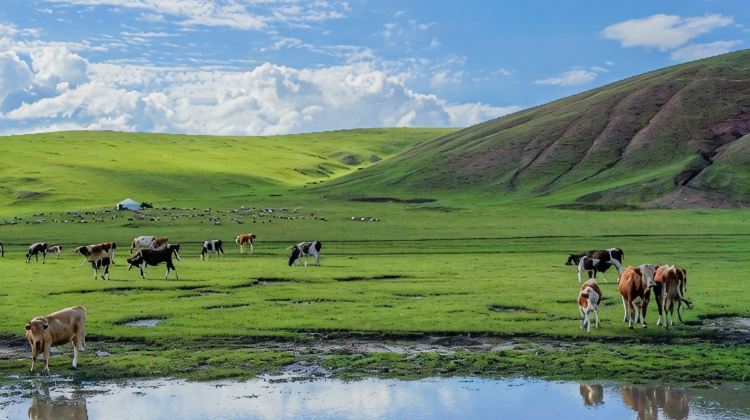
hulunbuir


Xilingol: Classic Steppe and Easier Northern Access


The Xilingol grasslands spread across central Inner Mongolia and are known for rolling steppe, livestock, and long horizons. Xilinhot is the principal urban gateway for the area. Compared with Hulunbuir, Xilingol can fit more naturally into an itinerary focused on Beijing and central Inner Mongolia, although the region still requires substantial overland travel.

This is a good choice for grassland drives, horseback activities, local food, and nights away from major cities. The experience varies between working pastoral areas and tourism-oriented camps, so ask how much time the itinerary spends in each setting.

Travelers should not expect every section of the steppe to look equally green. Rainfall, grazing patterns, and the time of year affect the landscape. Current local conditions are more useful than promotional photos taken in a different season.


Gegentala and Grasslands near Hohhot


Travelers with limited time often choose a grassland excursion from Hohhot. Gegentala is among the established tourism areas accessible from the capital, and other camps operate across the surrounding region. These options usually emphasize convenience, cultural performances, horse riding, and yurt-style accommodations.

The scenery may feel more developed than remote Hulunbuir, but the shorter access makes this a practical introduction. Pairing a grassland stay with Hohhot's museums and historic sites gives a more balanced view of Inner Mongolia than a quick photo stop alone.

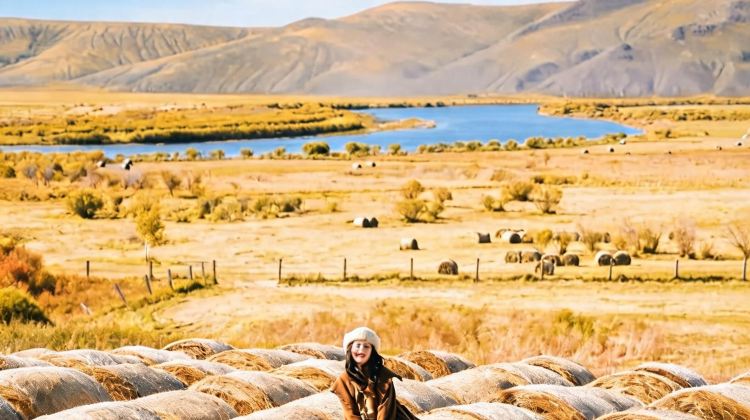
huhehaote

Horse Riding on the Grasslands

Horse riding has deep connections to Mongolian pastoral culture, but a visitor ride is a tourism activity that should be chosen with care. Riding options range from a short led circuit near camp to longer guided outings across open ground. Travelers should select the format that matches their actual experience.

Before mounting, confirm the route, approximate duration, pace, helmet availability, guide supervision, and what happens if the weather changes. Wear long pants and closed shoes with a secure heel. Keep cameras and phones stored until the horse is stationary, and do not attempt a fast pace simply for a photograph.

Animal welfare also matters. Look for healthy horses, appropriate tack, reasonable workloads, and handlers who do not pressure guests into activities. Families should ask about age, height, and supervision requirements before arrival rather than assuming every camp follows the same rules.

What to Expect from a Yurt Stay

A traditional Mongolian circular dwelling is commonly called a ger in Mongolian and a yurt in English-language travel materials. Tourist accommodations use the familiar shape but vary widely inside. Some are simple seasonal structures with shared facilities; others function more like hotel rooms with private bathrooms, electricity, heating, or air conditioning.

Before booking, check the sleeping setup, bathroom arrangement, power supply, temperature control, hot water, meal plan, and distance from the main camp facilities. Do not judge comfort from the exterior alone. A decorative yurt may be a modern permanent room, while a simpler camp may offer a closer connection to the surrounding landscape.

Even in summer, grassland temperatures can drop after sunset. Wind is common, and rain can turn paths muddy. Bring a warm layer, rain protection, a flashlight, and a portable battery. Light sleepers may also want earplugs because camps sometimes hold evening performances or group dinners.

A yurt stay is most meaningful when it includes more than accommodation. Ask about local food, pastoral life, music, crafts, or opportunities to learn from community hosts. Treat cultural activities respectfully and request permission before photographing people at close range.

yurt

From Steppe to Gobi Desert

Inner Mongolia's western side replaces green pasture with dry basins, rocky plains, and major dune systems. This landscape is part of the broader Gobi environment rather than a single continuous field of sand.
 

Alxa: Remote Desert Routes


The Alxa region is the strongest choice for travelers who want a desert-focused Inner Mongolia tour. Its landscapes include dunes, gravel plains, oases, and distant mountains. Trips require careful logistics because sights are dispersed and public transportation is limited outside the main towns.

Desert conditions can be demanding. Sun exposure, wind, dust, and temperature changes all matter. Carry more water than you expect to need, use sun protection, and follow your guide's instructions around dunes and remote roads. Mobile service may be inconsistent in isolated areas.

Some Alxa journeys are tied to seasonal scenery or large events, but dates, access, and local rules can change. Verify current information before building a trip around one specific event or natural display.


Ordos and the Kubuqi Desert


Ordos offers another route into Inner Mongolia's dry landscapes. Parts of the Kubuqi Desert have developed visitor facilities and organized activities, making the area more accessible than remote Alxa. The trade-off is a more structured tourism environment.

Choose activities based on safety and environmental impact rather than quantity. Walking on the dunes at cooler times of day may be more memorable than packing several motorized attractions into a short visit. Wind can affect visibility and comfort, so keep the schedule flexible.

ordos

Inner Mongolia Cities Worth Adding

Hohhot


Hohhot is the best city for understanding the region before heading into the countryside. The Inner Mongolia Museum provides context on natural history, steppe cultures, archaeology, and regional development. The city also contains Tibetan Buddhist temples, mosques, markets, and restaurants serving local dishes.

hohhot


Ordos


Ordos combines a modern urban landscape with access to desert tourism and sites linked to Mongolian history and culture. It works best when the surrounding region, rather than the city alone, is part of the route.
 

Hailar

Hailar is a district within Hulunbuir and the main arrival point for many northeastern grassland trips. It provides hotels, restaurants, transport connections, and museums before travelers continue into more rural areas.

What to Eat

Meat and dairy play major roles in traditional Mongolian food culture. Visitors may encounter hand-held mutton, roasted lamb, milk tea, yogurt, cheese-like dairy products, and wheat-based staples. Preparation and flavors vary by community and restaurant.

In cities, menus also reflect northern Chinese cooking, including noodles, dumplings, hot pot, and grilled dishes. Portions can be generous, and group meals often work better than ordering several heavy dishes for one person. Travelers with dietary restrictions should carry a written Chinese explanation because meat stock or dairy may not be obvious from a dish's appearance.

Sample Routes

4 Days: Hohhot and Nearby Grassland


Spend the first day in Hohhot, then travel to a nearby grassland camp for horse riding, cultural activities, and one overnight stay. Return to Hohhot for museums, temples, or an onward train. This is the simplest route for a short trip to northern China.


6 Days: Hulunbuir Road Trip


Start in Hailar and use a driver or organized itinerary to connect grasslands, wetlands, forests, and small-town stops. Avoid changing accommodations every night if you prefer a slower pace. Weather and road conditions should shape the precise route.
 

7 Days: Hohhot, Ordos, and the Desert


Combine Hohhot's cultural sites with a grassland stay, then continue toward Ordos and an established desert area. This route shows the shift from city to steppe and sand without requiring travel to far northeastern Hulunbuir.

Travelers who want transport and accommodations coordinated can review Inner Mongolia tours and compare broader Inner Mongolia vacation packages against an independent itinerary.

Tips for Traveling to Inner Mongolia

  • Plan by region, not by checklist. Hulunbuir, Hohhot, and Alxa are far apart and should not be treated as neighboring stops.
  • Expect long drives. Scenic routes include substantial travel between towns, camps, and viewpoints.
  • Carry layers. Sun, wind, rain, and sharp evening temperature drops can occur during the same trip.
  • Bring sun and dust protection. Sunglasses, sunscreen, lip balm, and a light face covering are useful on exposed steppe and desert routes.
  • Download offline maps and translation tools. Mobile coverage and English-language service become less consistent outside cities.
  • Carry some cash. Mobile payments dominate in China, but international visitors should have a backup method for smaller rural businesses.
  • Respect fences and livestock. The grassland is working land, not an unrestricted park. Follow local guidance before walking or driving off established routes.
  • Leave room for weather changes. Wind, rain, and local road conditions can alter outdoor plans.
 
Visiting Inner Mongolia works best when the itinerary has a clear geographic focus. Choose Hulunbuir for an expansive northeastern road trip, Xilingol or Hohhot for a classic and more accessible grassland experience, or Alxa and Ordos for desert terrain. With realistic travel times, responsible operators, and the right clothing, the journey becomes more than a quick yurt photo: it becomes a grounded introduction to one of northern China's most varied regions.

FAQ

Is Inner Mongolia worth visiting?

Yes, particularly for travelers interested in open landscapes, Mongolian culture, road trips, horse riding, and desert scenery. It provides a strong contrast to China's dense historic cities and southern river landscapes.

How many days do you need in Inner Mongolia?

Four days are enough for Hohhot and one nearby grassland stay. Hulunbuir deserves five to seven days because of its distances. A route combining central grassland and desert areas also works best with about a week.

Can you stay in a traditional yurt?

Travelers can stay in yurt-style accommodations across tourist areas, but facilities and cultural authenticity vary. Confirm whether the property is a simple seasonal camp, a modern fixed room, or a community-hosted stay before booking.

Is the Gobi Desert in Inner Mongolia?

Parts of Inner Mongolia contain landscapes within the wider Gobi region, especially in the west. Alxa is a major destination for remote desert scenery, while Ordos provides access to more developed dune-tourism areas.

Is horse riding suitable for beginners?

Many camps offer short rides for beginners, but safety standards differ. Ask about helmets, supervision, horse handling, route difficulty, and insurance. Beginners should choose a controlled pace and an experienced guide.

Resumen

Where Is Inner Mongolia?

Best Time for Visiting Inner Mongolia

Which Inner Mongolia Grassland Should You Visit?

Horse Riding on the Grasslands

What to Expect from a Yurt Stay

From Steppe to Gobi Desert

Inner Mongolia Cities Worth Adding

What to Eat

Sample Routes

Tips for Traveling to Inner Mongolia

FAQ

America's 250th Anniversary Mega Sale

image