ColombiaSouth AmericaBest TimePlaces to GoThings to DoTravel Tips
Mostrar todo

Colombia Travel Guide: From Coffee Farms to Caribbean Coast

cover

Colombia rewards travelers who make room for contrast. A single trip can combine high-altitude museums in Bogotá, green coffee hills near Salento, Medellín's urban viewpoints, Cartagena's colonial streets, and warm Caribbean water. The challenge is not finding places to go; it is choosing a route that fits the country's mountain geography and your available time.

This Colombia travel guide covers the main regions, the best time to travel, useful route ideas, local food, transportation, and practical considerations. First-time visitors with 10 to 14 days will usually have a better trip by choosing two or three regions instead of trying to cross the entire country.


Basic Information About Colombia

Colombia sits at the meeting point of South America, Central America, the Caribbean, and the Pacific. Its landscapes range from Andean plateaus and tropical valleys to grasslands, rainforest, and two coastlines. Elevation often matters more than latitude: Bogotá can feel cool while Cartagena is hot and humid on the same day.

Spanish is the main language, and the Colombian peso is the national currency. Large cities and established tourism areas have broad accommodation choices, while remote destinations may require more advance coordination. Domestic flights can save substantial time because mountain roads make some overland journeys much longer than they appear on a map.


Best Places to Visit in Colombia

Bogotá: Museums, Markets, and Mountain Views


Colombia's capital Bogota is often the most practical entry point for an international trip. The historic La Candelaria district brings together colonial-era streets, university life, street art, and several major museums. The Gold Museum is a useful introduction to pre-Hispanic metalwork and the cultures that shaped the region long before Spanish rule.

For a broad city view, travelers often head toward Monserrate, the mountain rising above central Bogotá. Weather can change quickly at this elevation, so carry a light waterproof layer even when the morning looks clear. Beyond the historic center, neighborhoods such as Chapinero and Usaquén offer restaurants, cafes, and a more contemporary view of the city.

Allow two or three days if you enjoy museums and food. Bogotá also works as a base for a day trip to the Salt Cathedral of Zipaquirá, an underground Roman Catholic church built within a former salt mine.

bogota


Medellín: Urban Culture in a Mountain Valley


Medellín occupies a narrow valley framed by steep green mountains. Its cable-car network is both public transportation and a way to understand the city's geography. Visitors can pair central museums and plazas with neighborhood food, botanical gardens, and viewpoints reached from higher parts of the valley.

Comuna 13 is known for public art, outdoor escalators, and community-led tours. Choose a responsible local guide, follow neighborhood rules, and treat the area as a living community rather than a photo set. The city also makes a convenient starting point for Guatapé, where brightly painted facades and a reservoir landscape create an easy contrast with urban Medellín.

Three days is comfortable for the city, with an additional day for Guatapé. Medellín's pleasant reputation should not obscure its microclimates: afternoon rain is possible, and temperatures become cooler in surrounding highlands.

medellin


Coffee Country: Salento, Filandia, and the Cocora Valley


The Andean coffee region is one of the most distinctive places to visit in Colombia. Towns including Salento and Filandia provide access to farms, mountain scenery, and the cultural traditions of the coffee-growing landscape. Pereira, Armenia, and Manizales are the region's main urban gateways.

A farm visit is most useful when it follows the full process from cultivation and harvesting to sorting, roasting, and tasting. Production schedules vary by location and season, so a visit should be framed as an agricultural experience rather than a promise that travelers will see every processing stage.

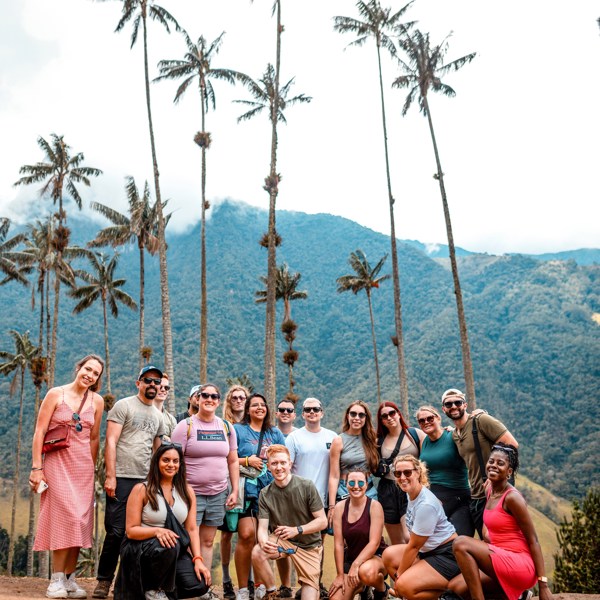
Near Salento, the Cocora Valley is known for its steep green slopes and tall wax palms. Trail conditions can be muddy, and cloud or rain may arrive quickly. Start early, wear footwear with grip, and confirm current trail access locally. Spending two or three nights in the region leaves time for both a coffee farm and a valley walk without rushing between them.

Salento


Cartagena: History beside the Caribbean


Cartagena pairs fortified colonial districts with a busy modern port and a hot Caribbean climate. The walled city contains plazas, churches, balconies, restaurants, and restored historic buildings. Nearby Getsemaní is known for colorful streets, murals, small bars, and an active evening scene.

The city's beauty also brings crowds and persistent street selling. Early mornings are better for quiet walks, while the middle of the day calls for shade and a slower pace. Castillo San Felipe de Barajas adds military history and wide city views, but its exposed paths can feel especially hot.

Cartagena's city beaches are convenient, though travelers seeking clearer water often consider an organized boat outing or a stay elsewhere along the coast. Sea and weather conditions can affect departures, so treat island time as flexible rather than packing it tightly before a flight.

Cartagena


Tayrona Area and the Caribbean Coast


The Caribbean coast east of Cartagena offers a different setting: forested mountains descend toward coves and beaches around the Tayrona area. Santa Marta is the main transport hub, while smaller communities provide access to beaches, hikes, and the foothills of the Sierra Nevada de Santa Marta.

Conditions, opening arrangements, permitted activities, and access routes can change. Confirm current park information through official channels before traveling. Heat, humidity, rain, and rough sea conditions also shape what is practical on any particular day. Carry water, protect yourself from the sun, and follow posted swimming warnings; not every attractive beach is safe for swimming.

Travelers who prefer a quieter coastal base can consider areas around Palomino, while those interested in a more demanding mountain experience may research guided trips farther into the Sierra Nevada. Remote and culturally sensitive areas require reputable operators and respect for Indigenous communities.


Cali and Colombia's Pacific Side


Cali is strongly associated with salsa music and dance. Lessons and live music venues give visitors a more active cultural experience than a conventional sightseeing checklist. As in other large cities, neighborhood choice and late-night transportation matter, so ask accommodation staff or local guides for current advice.

Colombia's Pacific coast is far less connected by road than its Caribbean side. Travelers go for dense rainforest, marine life, community-based tourism, and wild coastal scenery. Trips usually require flights or boats, careful weather planning, and flexible expectations. This is a better addition for a longer return visit than for a first 10-day itinerary.

Best Time to Visit Colombia

There is no single nationwide answer to the best time to visit Colombia. Regional altitude, rainfall patterns, and local events matter more than a simple summer-versus-winter distinction.

December through February and parts of July and August are often drier in several popular Andean and Caribbean destinations, which can make city walks and hiking easier. These periods can also attract more visitors and higher accommodation demand. Rainier months still offer worthwhile travel, greener landscapes, and fewer crowds, but mountain trails and road journeys may be less predictable.

Bogotá remains relatively cool throughout the year because of its elevation. Medellín is milder, while Cartagena and the Caribbean lowlands stay warm and humid. The Amazon and Pacific regions follow their own rainfall and river patterns. Before booking, check recent regional conditions rather than relying on a national weather summary.

Festival dates can reshape prices, transport, and availability. If a major celebration is central to your trip, verify its current schedule with the official organizer and reserve accommodation early.

Top Things to Do in Colombia

The strongest itineraries mix cities, landscapes, and local culture. Useful starting points include:
  • Take a guided coffee-farm tour and learn how growing conditions affect the final cup.
  • Walk through La Candelaria and visit Bogotá's major museums.
  • Ride Medellín's public cable cars for a clearer view of the valley's geography.
  • Hike among wax palms in the Cocora Valley when trail conditions permit.
  • Tour Cartagena's walls, plazas, and fortifications early in the day.
  • Spend time on the Caribbean coast, allowing flexibility for sea conditions.
  • Join a salsa class in Cali rather than watching from the edge of the dance floor.
  • Taste regional dishes and compare how ingredients change between the Andes and coast.
  • Visit local markets with a guide who can explain unfamiliar fruits and foods.
  • Choose community-led tours that keep more tourism income in the destination.

What to Eat and Drink

Colombian food varies substantially by region. Arepas appear in many forms, from simple grilled corn cakes to versions filled or topped with cheese, egg, or meat. Bandeja paisa is associated with Antioquia and is known as a large, filling combination plate. In Bogotá, ajiaco brings together chicken, potatoes, corn, and herbs in a warming soup suited to the capital's cool climate.

Along the Caribbean, fish, coconut rice, plantain, and tropical fruit are common. Empanadas and other fried snacks make convenient quick meals, while fresh juices are an easy way to try fruits that may be unfamiliar to international visitors.

Coffee quality is not limited to the coffee region, but visiting a farm adds context. Ask about origin, processing, and roast rather than assuming every cup will taste the same. Tap-water guidance differs by destination and can change, so confirm locally instead of applying one rule to the entire country.

coffee

How to Build a Colombia Itinerary

7 Days: One City and One Region

Combine Bogotá with coffee country, or pair Medellín with Cartagena. A domestic flight can make the latter practical, but even a short trip needs buffer time for airport transfers and possible delays. Avoid adding a third distant region.

10 Days: Andes to Caribbean

Spend two nights in Bogotá, three nights in coffee country or Medellín, and three or four nights in Cartagena. This route delivers a clear progression from highland culture to tropical coast without constant relocation.

14 Days: Cities, Coffee, and Coast

With two weeks, combine Bogotá, coffee country, Medellín, and Cartagena, or replace one city with several nights near Tayrona. Keep at least one flexible block for weather, transport disruption, or simple rest.

Travelers who prefer support with long-distance logistics can compare Colombia vacation packages when deciding how much of the route to arrange independently.

Transportation Tips

Domestic flights are useful between distant regions such as Bogotá, Medellín, Cartagena, and the Caribbean gateways. Book with enough connection time and check baggage rules directly with the operating airline.

Intercity buses work well on many established routes, but mountain roads can make travel slow. Choose reputable operators and avoid building a fixed activity immediately after a long transfer. In cities, use registered taxis or established ride-booking options where available, and confirm the safest current choice with your hotel or local host.

For rural trips, a guided transfer may save time and reduce uncertainty. Rental cars offer flexibility but introduce mountain driving, tolls, urban traffic, parking, and route-security considerations. They are not essential for a first visit.

Practical Travel Advice

  • Pack for several climates. Bring breathable clothing for the coast, a light warm layer for high-altitude cities, rain protection, and comfortable walking shoes.
  • Allow time to adjust in Bogotá. The elevation can make a fast first day uncomfortable. Hydrate and begin at an easy pace.
  • Protect valuables. Use ordinary big-city precautions, keep phones discreet in crowded areas, and avoid carrying more cash than needed.
  • Check current guidance. Conditions vary by department and route. Review official travel advisories and local advice before visiting remote areas.
  • Carry digital and offline information. Save accommodation addresses, tickets, and essential contacts in case mobile service is weak.
  • Use ATMs thoughtfully. Prefer machines inside banks, malls, or other controlled locations, and review fees before confirming a withdrawal.
  • Learn practical Spanish. Basic phrases improve transport, restaurant, and market interactions outside heavily visited areas.
  • Respect local communities. Ask before photographing people, follow rules in Indigenous territories, and choose operators with clear community relationships.
 
Colombia's range is its appeal, but it also makes selective planning essential. A Colombia tour linking one Andean city, coffee country, and the Caribbean provides a strong first look at the country's geography and culture. Give each stop enough time, keep weather and transportation plans flexible, and save the Amazon, Pacific coast, or eastern plains for a future trip rather than reducing them to hurried checkboxes.
 

FAQ

How many days do you need in Colombia?

10 to 14 days is a useful first-trip range for two or three regions. Seven days works for one city paired with one nearby or flight-connected destination. Trying to cover Bogotá, Medellín, coffee country, Cartagena, and Tayrona in a single week creates more transit than meaningful travel.

Is Colombia suitable for first-time visitors to South America?

Yes, especially with a focused route through established destinations. First-time visitors should plan transportation, choose accommodation carefully, follow current local safety advice, and avoid overly tight connections.

Should you visit Medellín or coffee country?

Choose Medellín for urban culture, restaurants, museums, and city viewpoints. Choose coffee country for farms, small towns, hiking, and a slower rural pace. With 10 days or more, the two can fit in the same itinerary if you limit other regions.

Can you combine Cartagena and Tayrona?

Yes, but they are not next door. The journey requires a substantial overland transfer, and onward access around the Tayrona area may add more time. Allow several nights rather than treating Tayrona as a rushed outing from Cartagena.

What is the best way to travel around Colombia?

Use flights for long distances, buses for selected regional routes, and trusted local transportation within cities. The best mix depends on time, budget, road conditions, and comfort with independent travel.

Resumen

Basic Information About Colombia

Best Places to Visit in Colombia

Best Time to Visit Colombia

Top Things to Do in Colombia

What to Eat and Drink

How to Build a Colombia Itinerary

Transportation Tips

Practical Travel Advice

FAQ

America's 250th Anniversary Mega Sale

image