Zoella Última actualización 15 Sep 2026
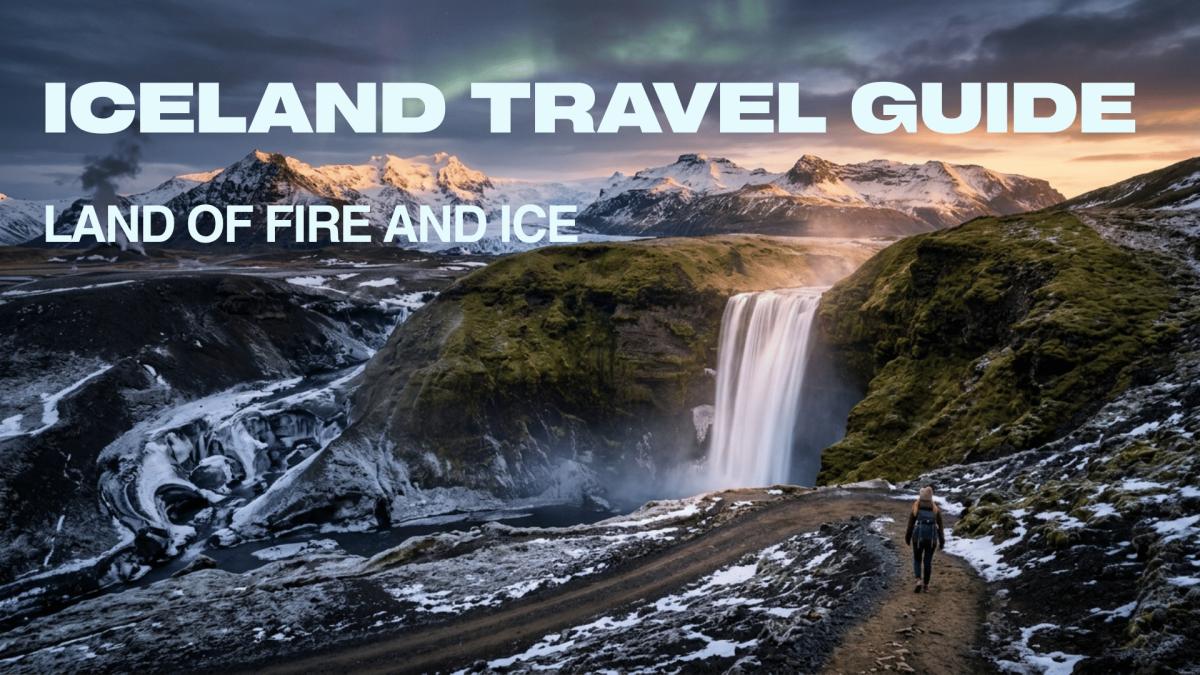
Iceland is unlike anywhere else on Earth. This North Atlantic island nation sits on the Mid-Atlantic Ridge, where the Eurasian and North American tectonic plates pull apart, creating a landscape of active volcanoes, geysers, glaciers, and hot springs. The result is a destination that offers experiences you cannot find anywhere else.
This Iceland travel guide covers everything you need to know: what to do in Iceland, the best places to visit, top attractions, and how to plan your trip. Whether you have five days or two weeks, you will find practical advice to make the most of your time in this extraordinary country.
Best Multi-Day Iceland Tours
Why Visit Iceland?
Unique Geological Features
Iceland's location on the tectonic plate boundary creates geological wonders. You can walk between two continents at Þingvellir National Park, watch Strokkur geyser erupt every 6-10 minutes at Geysir, and soak in natural hot springs scattered across the countryside. The landscape feels almost alien, with black sand beaches, moss-covered lava fields, and towering waterfalls.

Northern Lights and Midnight Sun
Iceland offers two extraordinary natural phenomena. From September to March, the aurora borealis dances across the sky on clear nights. From June to August, the midnight sun means nearly 24 hours of daylight, giving you endless time for outdoor activities. Both experiences draw visitors from around the world.
Compact and Accessible
Despite its dramatic landscapes, Iceland is relatively small. The Ring Road circles the entire island in about 1,300 kilometers, making it possible to see major highlights in 7-10 days. Most attractions are within a few hours' drive of Reykjavik, the capital, so you do not need to spend days traveling between sites.
Best Places to Visit in Iceland
Reykjavik: The Capital City
Reykjavik is the world's northernmost capital and home to about two-thirds of Iceland's population. The city is compact and walkable, with colorful houses, interesting museums, and a lively food scene. Visit Hallgrimskirkja church for city views, visit the Harpa concert hall's architecture, and check out the Reykjavik Art Museum. The city serves as your base for exploring the surrounding areas.

The Golden Circle
The Golden Circle is Iceland's most popular tourist route, covering three major attractions within easy reach of Reykjavik. Thingvellir National Park is where the tectonic plates meet and where Iceland's parliament was founded in 930 AD. Geysir geothermal area features the Strokkur geyser, which erupts regularly. Gullfoss waterfall is a massive two-tiered falls that plunges into a deep canyon. You can complete the Golden Circle in one long day.

The South Coast
Iceland's south coast offers some of the country's most dramatic scenery. Seljalandsfoss and Skogafoss are two impressive waterfalls you can visit in a single day. Further east, Reynisfjara black sand beach features basalt columns and powerful waves. The glacier town of Vik serves as a good base for exploring this region. If you continue east, you will reach Vatnajökull National Park, home to Europe's largest glacier.

The Westfjords
The Westfjords are remote and less visited, which means fewer crowds and more pristine nature. This peninsula in northwest Iceland features dramatic cliffs, secluded beaches, and the famous Dynjandi waterfall. The area requires more time to see due to winding roads, but the solitude and scenery reward those who make the journey.

The Snæfellsnes Peninsula
Often called 'Iceland in miniature,' the Snæfellsnes Peninsula offers a condensed version of the country's diverse landscapes. You will find glaciers, lava fields, black sand beaches, and fishing villages all within a small area. The Snæfellsjökull glacier, which inspired Jules Verne's 'Journey to the Center of the Earth,' dominates the peninsula. This area is popular for day trips from Reykjavik or as part of a longer Iceland travel itinerary.

Top Iceland Attractions: Things to See in Iceland
Waterfalls
Iceland has hundreds of waterfalls, each with its own character. Gullfoss on the Golden Circle is massive and powerful. Seljalandsfoss on the south coast allows you to walk behind the falling water. Skogafoss is a classic curtain waterfall with a staircase leading to the top. Dettifoss in the north is Europe's most powerful waterfall. Each offers a different experience, and visiting several gives you a sense of Iceland's geological diversity.
Glaciers and Ice Caves
Glaciers cover about 11 percent of Iceland. Vatnajokull is the largest, with outlet glaciers you can hike on with a guide. During winter, natural ice caves form under the glaciers, creating blue ice chambers that are accessible through guided tours. The experience of walking on or inside a glacier is memorable and ranks among the top things to see in Iceland.
Geothermal Areas
Iceland's geothermal activity creates landscapes that look like another planet. The Blue Lagoon is the most famous geothermal spa, though it is man-made and requires booking. Natural hot springs like Secret Lagoon in Fludir or Myvatn Nature Baths in the north offer similar experiences with fewer crowds. Geothermal areas also feature mud pots, steam vents, and colorful mineral deposits.
Volcanic Landscapes
Iceland has about 30 active volcanic systems. You can visit crater lakes, lava fields, and even walk through a magma chamber at the Into the Volcano experience on the Reykjanes Peninsula. Recent eruptions at Fagradalsfjall (2021-2023) created new lava fields that are now accessible to visitors. Volcanic activity shaped Iceland's landscape, and seeing these features helps you understand the island's geological story.
Wildlife
Iceland is home to unique wildlife. Puffins nest on coastal cliffs from May to August, with the best viewing at Latrabjarg in the Westfjords or Borgarfjörður Eystri in the east. Icelandic horses roam freely in many areas, and you can take riding tours to experience these distinctive animals. Whale-watching tours operate from Reykjavik, Husavik, and other coastal towns, with chances to see humpbacks, minkes, and occasionally orcas. Iceland Travel Itinerary
5-Day Iceland Itinerary
A 5-day trip works well if you focus on the south and west. Spend day one exploring Reykjavik. Day two covers the Golden Circle. Days three and four cover the south coast as far as Vik or the glacier lagoon at Jökulsárlón. Day five can include the Blue Lagoon or Reykjanes Peninsula before departure. This itinerary covers major highlights without feeling rushed.
7-Day Iceland Itinerary
With 7 days, you can add the Snæfellsnes Peninsula or venture further east on the south coast. You could also include the highland roads (open only in summer) for a more adventurous experience. A week gives you time to see at a comfortable pace and includes buffer days for weather delays, which are common in Iceland.
10-Day Iceland Itinerary
A 10-day Iceland travel itinerary allows you to circle the entire island via the Ring Road. You can spend time in the north around Akureyri and Lake Myvatn, see the east fjords, and still cover the south coast and Golden Circle thoroughly. This duration works well for travelers who want a comprehensive experience without rushing.
Guided Tours vs. Self-Drive
You can visit Iceland independently by renting a car, or join a guided tour that handles logistics. Guided tours typically include accommodation, transportation, and expert guides who know the best times to visit each attraction. Self-drive gives you flexibility but requires planning and comfort with Iceland's road conditions, which can be challenging in winter. Many travelers find that pre-arranged tours strike a good balance between structure and freedom. Practical Tips for Visiting Iceland
Best Time to Visit
The best time to visit Iceland depends on what you want to see. Summer (June-August) offers the midnight sun, accessible highland roads, and puffin season. Winter (September-March) brings northern lights opportunities and ice cave access, though daylight is limited. Spring and fall are shoulder seasons with fewer crowds but unpredictable weather. Each season has distinct advantages, so choose based on your priorities.
Transportation
Iceland is expensive. Expect to pay $15-25 for a basic meal, $200-400 per night for a mid-range hotel, and $50-100 per day for car rental. Gas, groceries, and activities add up quickly. Budget travelers can save by camping, cooking their own meals, and focusing on free natural attractions. Pre-booked Iceland vacation packages often include accommodation and transportation at group rates, which can reduce overall costs compared to booking everything independently.
Budget Considerations
Iceland is expensive. Expect to pay $15-25 for a basic meal, $200-400 per night for a mid-range hotel, and $50-100 per day for car rental. Gas, groceries, and activities add up quickly. Budget travelers can save by camping, cooking their own meals, and focusing on free attractions like hiking and natural scenery. However, even budget trips to Iceland cost more than most European destinations.
Weather and Packing
Iceland's weather changes rapidly. Locals say if you do not like the weather, wait five minutes. Pack layers, including a waterproof jacket, warm fleece, and sturdy waterproof shoes. Even in summer, temperatures rarely exceed 15°C (59°F). Wind is constant and can make it feel colder than the thermometer suggests. Dress for all conditions regardless of the forecast.Plan Your Iceland Adventure
Iceland offers experiences that feel otherworldly: glaciers, volcanoes, geysers, waterfalls, and the northern lights all within a small, accessible island. Whether you spend five days exploring the south coast or two weeks circling the entire country, you will leave with memories of landscapes unlike anywhere else on Earth.
Whether you are planning a 5-day trip or a 2-week adventure, Tours4fun offers curated Iceland vacation packages that handle the logistics so you can focus on enjoying the experience. From the Golden Circle to the remote Westfjords, a well-planned itinerary ensures you see the highlights without missing hidden gems.
Start planning your Iceland travel itinerary by deciding what you want to see and how much time you have. Whether you choose independent travel or a guided tour, the key is to prepare for weather, book accommodation early, and leave room for spontaneity.
FAQ
How many days do you need in Iceland?
You can see major highlights in 5-7 days, but 10 days allows you to circle the entire island and explore more thoroughly. If you only have 3-4 days, focus on Reykjavik, the Golden Circle, and the South Coast. Longer trips (2 weeks or more) let you explore the Westfjords and highlands in depth.What is the best time to visit Iceland?
Summer (June-August) is best for midnight sun, puffins, and accessible roads. Winter (September-March) is best for northern lights and ice caves. Spring and fall offer fewer crowds but unpredictable weather. Choose based on what you want to experience.Do you need a car in Iceland?
A car gives you flexibility to explore at your own pace and reach attractions not served by public transportation. However, if you prefer not to drive, many tour companies offer day trips from Reykjavik to major attractions. For a comprehensive Iceland travel itinerary, a car is recommended, but not essential if you join organized tours.Is Iceland expensive to visit?
Yes, Iceland is one of Europe's most expensive destinations. Budget $200-400 per day for accommodation, food, transportation, and activities. You can reduce costs by camping, cooking your own meals, and focusing on free natural attractions, but even budget trips cost more than in most European countries.Can you see the Northern Lights in Iceland?
Yes, Iceland is one of the best places to see the aurora borealis. The season runs from September to March on clear nights. You need to be away from city lights for the best viewing. Many hotels and tour companies offer northern lights tours or alerts when activity is high.