HangzhouChinaAsiaBest TimePlaces to GoThings to Do
Mostrar todo

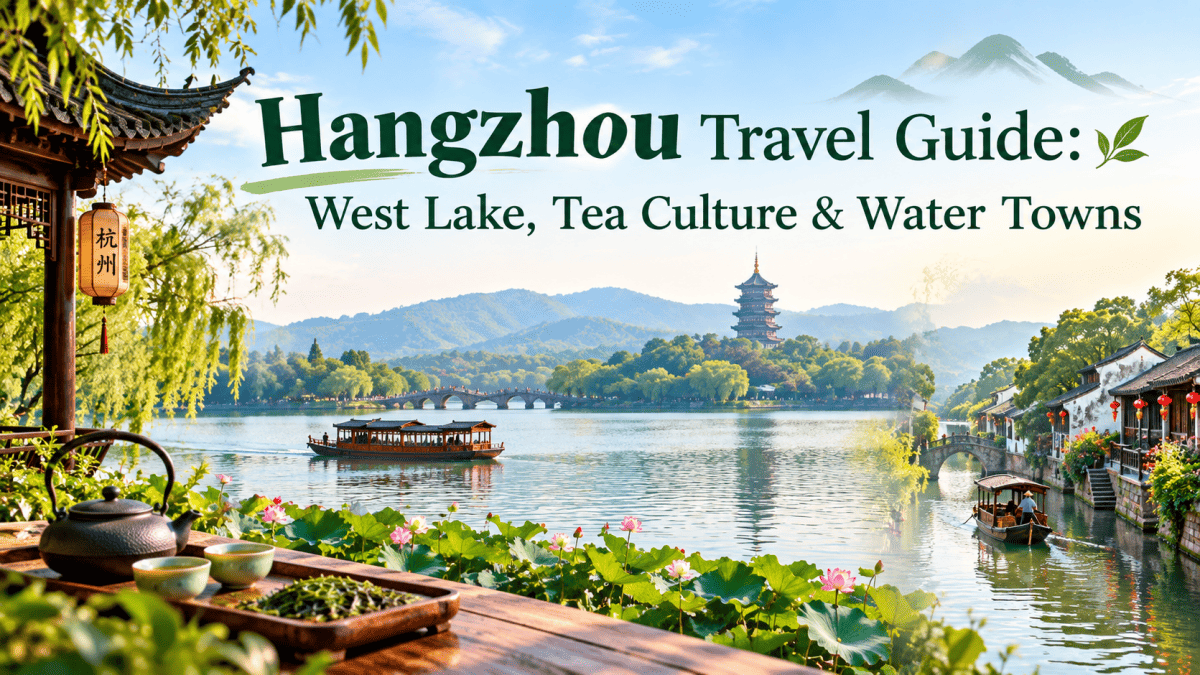
Hangzhou Travel Guide: West Lake, Tea Culture & Water Towns

cover

Hangzhou sits about 170 kilometers southwest of Shanghai, nestled at the southern end of the Grand Canal where the Qiantang River meets the hills of western Zhejiang province. For over a thousand years, this city has drawn poets, painters, and merchants who came to see the lake that defines it. Marco Polo called it the most splendid city in the world. Today, Hangzhou balances that classical heritage with a modern tech economy, including the headquarters of Alibaba.

For travelers, Hangzhou works as a perfect 2-3 day destination on its own or as part of a longer China itinerary that includes Shanghai and the surrounding region. The city offers a concentrated experience of Chinese culture: classical gardens, Buddhist temples, tea plantations, silk markets, and the water towns that made this region famous.


Where Is Hangzhou Located?

Hangzhou serves as the capital of Zhejiang province in eastern China. The city sits on Hangzhou Bay, an inlet of the East China Sea, with Shanghai located 170 kilometers to the northeast and the provincial city of Huangshan (gateway to the Yellow Mountains) about 250 kilometers to the south.

The location matters for trip planning because Hangzhou connects easily to other major destinations. High-speed rail reaches Shanghai in 45-60 minutes, making a combined Shanghai-Hangzhou itinerary straightforward. The city also serves as a base for visiting the water towns of Wuzhen and Xitang, both within an hour by road.


hangzhou

How to Get to Hangzhou

Hangzhou Xiaoshan International Airport (HGH) handles flights from major Asian cities and domestic flights from across China. The airport connects to the city center by metro (Line 1, about 40 minutes) or taxi (about 30-45 minutes depending on traffic).

High-speed rail provides the most convenient access from Shanghai. Trains depart from Shanghai Hongqiao station every 10-15 minutes and reach Hangzhou East station in 45-60 minutes. From Hangzhou East, the metro connects to the West Lake area in about 20 minutes.

West Lake: The Heart of Hangzhou

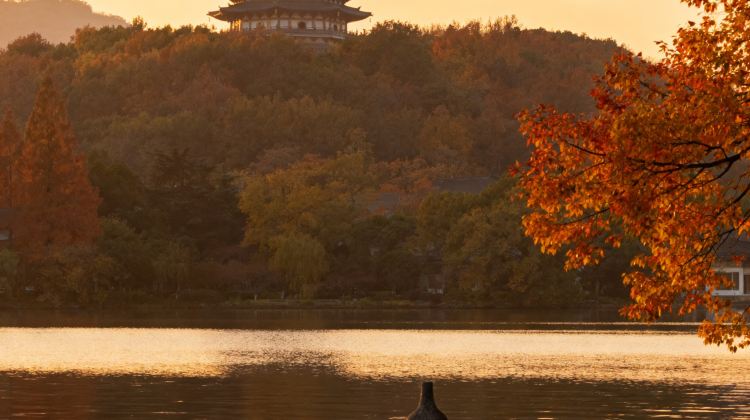
West Lake (Xi Hu) defines Hangzhou the way the Eiffel Tower defines Paris. The lake covers 6.4 square kilometers and is surrounded by hills on three sides, with pagodas, temples, and gardens dotting the shores. UNESCO designated West Lake as a World Heritage Site in 2011, recognizing its influence on garden design across East Asia over the past millennium.

west lake

The Ten Scenes of West Lake

Since the Southern Song Dynasty, locals have identified ten specific views around the lake that capture its essence through different seasons and times of day. These Ten Scenes of West Lake remain the standard itinerary for visitors today:
 
  • Sunset Glow over Leifeng Pagoda: The reconstructed pagoda offers panoramic views
  • Orioles Singing in the Willows: A park along the southern shore with willow trees
  • Three Pools Mirroring the Moon: Three stone pagodas in the water, featured on the one-yuan banknote
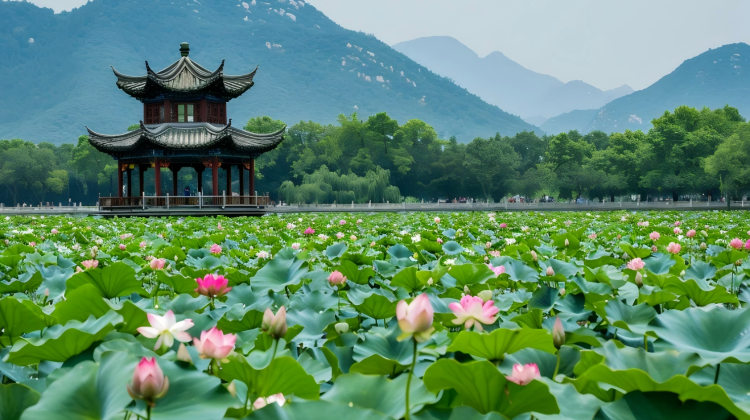
  • Lotus in the Breeze at Curved Yard and Courtyard: Summer lotus flowers
  • Autumn Moon over the Calm Lake: Best viewed in September-October
  • Melting Snow at Broken Bridge: A famous winter scene

Exploring the Lake

You can walk the full perimeter of West Lake in about 3-4 hours, covering roughly 15 kilometers. The paths are flat and well-maintained, making this accessible for most visitors. Bicycle rental stands dot the shoreline, and cycling the loop takes about 1.5-2 hours.

Boat rides operate from multiple docks around the lake. The standard route visits the islands in the lake, including Three Pools Mirroring the Moon. Boats run from early morning until evening, with the best light for photography in the early morning or late afternoon.

Practical Info

West Lake is free to enter. Boat rides and pagoda visits charge separate fees. The lake area works well as a half-day or full-day experience. Early morning visits (before 8 AM) offer the best atmosphere with fewer crowds and softer light.

Longjing Tea Villages: China's Most Famous Green Tea

Longjing (Dragon Well) tea ranks as China's most famous tea, and the villages where it grows sit in the hills west of West Lake. The tea has been cultivated here for over a thousand years, with the imperial court of the Qing Dynasty particularly favoring the leaves from this specific region.

tea

Longjing Village

Longjing Village sits about 8 kilometers from West Lake and serves as the gateway to the tea plantations. The village itself has been redeveloped for tourism, with tea shops, restaurants, and museums. You can watch tea being processed, taste different grades of Longjing tea, and purchase directly from producers.

The tea plantations surrounding the village create the landscape that makes this area famous. Terraced rows of tea bushes climb the hillsides, with farmers still hand-picking leaves during the harvest season (late March through May for the highest grade, called "Pre-Qingming" tea).

Meijiawu Tea Village

Meijiawu offers a more authentic experience than the commercialized Longjing Village. This working village sits in a valley surrounded by tea plantations, with family-run tea houses where you can sit down, drink fresh Longjing tea, and eat local food.

The tea houses typically charge a small fee that includes unlimited tea refills and sometimes a simple meal. You can watch the tea preparation process and learn about the different grades of Longjing tea. The village works well as a half-day visit combined with a hike through the surrounding tea plantations.

Nine Creeks and Eighteen Gorges

This scenic area connects Longjing Village to the Qiantang River through a network of streams, waterfalls, and hiking trails. The path follows the creeks through bamboo forests and tea plantations, offering a peaceful escape from the city. The full hike takes about 2-3 hours and provides views of the tea-growing region from above.

Practical Info

Reach Longjing Village by taxi or bus from West Lake (about 20-30 minutes). The best time to visit runs from late March through May (spring harvest) and September through November (autumn harvest). Tea prices vary dramatically by grade and season. Pre-Qingming tea (picked before early April) commands the highest prices, while later harvests offer good quality at lower cost.

Water Towns Near Hangzhou

The water towns south of Hangzhou preserve the canal culture that made this region prosperous for centuries. These towns feature stone bridges over narrow canals, whitewashed houses with black-tiled roofs, and wooden boats that once carried goods along the Grand Canal network.

Wuzhen Water Town

Wuzhen sits about 130 kilometers from Hangzhou and represents the most well-preserved water town in the region. The town splits into two sections: Dongzha (East Gate) offers the authentic experience with working residences and local life, while Xizha (West Gate) provides a more polished tourist experience with boutique hotels and restaurants.

The town features ancient bridges, traditional workshops (indigo dyeing, rice wine brewing, silk weaving), and museums dedicated to local crafts. Evening visits to Xizha reveal the town lit by traditional lanterns, with the canal reflections creating the classic water town image.

wuzhen

Xitang Water Town

Xitang sits about 90 kilometers from Hangzhou and offers a less commercialized alternative to Wuzhen. The town features 900 meters of covered corridors (langpeng) that shelter the canalside paths from rain, a unique feature among water towns. The town also gained fame as a filming location for Mission: Impossible III.

Xitang works well as a day trip from Hangzhou, with the town most atmospheric in the early morning or evening when day-trippers have left. The covered corridors create a distinctive atmosphere, especially on rainy days.

Practical Info

Both water towns charge entrance fees (around 150 RMB for Wuzhen, 100 RMB for Xitang). Reach both towns by bus from Hangzhou or by organized tour. Allow a full day for each town, or stay overnight to experience the towns in the quieter early morning and evening hours.

Other Must-Visit Places in Hangzhou

Lingyin Temple

Lingyin Temple (Temple of the Soul's Retreat) ranks among China's most important Buddhist temples, with a history spanning 1,700 years. The temple sits in a forested valley west of West Lake, with the Feilai Feng (Flying Peak) limestone formations providing a dramatic backdrop.

The peak features hundreds of Buddhist rock carvings dating from the 10th to 13th centuries, making this one of the best collections of Song Dynasty stone sculpture in China. The temple complex itself has been rebuilt multiple times, with the current structures dating primarily from the late 19th and 20th centuries.

linying temple

Hefang Street

Hefang Street serves as Hangzhou's historic commercial district, with buildings dating from the Ming and Qing dynasties. The street functions as a pedestrian shopping area, with traditional shops selling tea, silk, crafts, and local snacks alongside modern boutiques.

The street works well for an evening visit, combining shopping with dinner at one of the many restaurants serving Hangzhou cuisine. Local specialties include West Lake fish, Dongpo pork (named after the poet Su Dongpo), and Longjing shrimp.

Xixi Wetland

Xixi Wetland covers 11.5 square kilometers of rivers, ponds, and marshland in western Hangzhou. The wetland provides a natural contrast to the cultivated beauty of West Lake, with wild waterways, bird sanctuaries, and traditional fishing villages.

You can explore the wetland by boat or on foot along elevated walkways. The area works well as a half-day visit, particularly in spring when the plum blossoms bloom or in autumn when the foliage changes color.

Hangzhou Cuisine: What to Eat

Hangzhou cuisine ranks as one of the eight great traditions of Chinese cooking, emphasizing fresh ingredients, light seasoning, and delicate presentation. The cuisine draws on the region's abundant freshwater fish, bamboo shoots, and tea leaves.

Signature Dishes

 
  • West Lake Fish in Vinegar Gravy (Xi Hu Cu Yu): A whole freshwater fish in sweet-sour sauce
  • Dongpo Pork: Braised pork belly named after poet Su Dongpo, tender and flavorful
  • Longjing Shrimp: River shrimp stir-fried with Longjing tea leaves
  • Beggar's Chicken: Chicken baked in clay and lotus leaves
  • Sister Song's Fish Broth: A thick soup with fish, mushrooms, and bamboo shoots

Where to Eat

Lou Wai Lou, established in 1848, serves as the most famous restaurant for traditional Hangzhou cuisine, located on Gushan Island near West Lake. The restaurant commands premium prices but offers authentic versions of the classic dishes.

For more casual dining, Hefang Street and the restaurants around West Lake serve good versions of local specialties at moderate prices. The tea villages around Longjing also serve simple local food that pairs well with fresh tea.

How Many Days Do You Need in Hangzhou?

A minimum 2-day Hangzhou tour covers the essential highlights: one day for West Lake and the surrounding temples, and one day for the Longjing tea villages. Adding a third day allows time for a water town visit (Wuzhen or Xitang) or a more relaxed pace exploring the wetlands and local neighborhoods.

Suggested Itineraries

 
  • 2 Days: Day 1: West Lake (morning boat ride, afternoon walk or cycle around the lake, sunset at Leifeng Pagoda). Day 2: Longjing tea villages (morning), Lingyin Temple (afternoon).
  • 3 Days: Add Wuzhen or Xitang water town as a day trip, or explore Xixi Wetland and Hefang Street.
  • 4 Days: Combine Hangzhou with Shanghai (45 minutes by high-speed rail) or add Huangshan (Yellow Mountains) to the south.

Best Time to Visit Hangzhou

Spring (March through May) offers the best combination of weather and scenery. The tea harvest season brings activity to the Longjing villages, the willows around West Lake turn green, and temperatures stay mild (15-25°C). This is also peak tourist season, so expect crowds on weekends.

Autumn (September through November) provides clear skies, comfortable temperatures, and beautiful foliage. The osmanthus flowers bloom in September, filling the air with fragrance. This season works particularly well for photography around West Lake.

Summer (June through August) brings heat and humidity, with temperatures often exceeding 35°C. The lotus flowers bloom in West Lake during this season, but the weather makes outdoor activities uncomfortable. Winter (December through February) offers quiet crowds and occasional snow scenes around the lake, though temperatures can drop near freezing.

Conclusion

Hangzhou delivers a concentrated experience of Chinese culture in a manageable 2-3 day package. West Lake provides the classical beauty that has inspired artists for a millennium, the Longjing tea villages offer insight into one of China's most famous products, and the nearby water towns preserve the canal culture that shaped this region's history.

The city connects easily to Shanghai and the broader Yangtze Delta region, making it a natural addition to any China itinerary. Whether you spend your time walking around West Lake, tasting fresh Longjing tea in the villages, or exploring the ancient streets of Wuzhen, Hangzhou rewards visitors who take time to experience its layered history and culture.


FAQ

What are the must-visit places in Hangzhou?

The must-visit places in Hangzhou include West Lake (UNESCO World Heritage Site), Longjing tea villages, Lingyin Temple (1,700-year-old Buddhist temple), Hefang Street (historic shopping district), and the nearby water towns of Wuzhen and Xitang. West Lake and the tea villages represent the essential Hangzhou experience.

How do you get from Shanghai to Hangzhou?

High-speed rail provides the fastest connection between Shanghai and Hangzhou. Trains depart from Shanghai Hongqiao station every 10-15 minutes and reach Hangzhou East station in 45-60 minutes. From Hangzhou East, the metro connects to the West Lake area in about 20 minutes. Tickets cost about 75 RMB for second class.

Is Hangzhou worth visiting?

Hangzhou offers a concentrated experience of classical Chinese culture: West Lake's scenic beauty, Longjing tea plantations, ancient temples, and nearby water towns. The city works well as a 2-3 day destination and connects easily to Shanghai. For travelers interested in Chinese culture, history, and landscape design, Hangzhou ranks among the most rewarding cities to visit.

Can you do a day trip to Hangzhou from Shanghai?

Yes, a day trip to Hangzhou from Shanghai is possible thanks to the 45-minute high-speed rail connection. However, you will only have time for West Lake and one other attraction. A more relaxed pace requires staying overnight. If you do a day trip, take the first train out (around 7 AM) and return on an evening train (after 7 PM) to maximize your time.

What should I buy in Hangzhou?

Hangzhou is famous for Longjing tea, silk products, and traditional crafts. Purchase Longjing tea directly from the tea villages for the best quality and price. Hangzhou silk has been prized for centuries, with the China Silk Museum offering both education and shopping. Hefang Street sells traditional crafts, fans, and local snacks.

Resumen

Where Is Hangzhou Located?

How to Get to Hangzhou

West Lake: The Heart of Hangzhou

Longjing Tea Villages: China's Most Famous Green Tea

Water Towns Near Hangzhou

Other Must-Visit Places in Hangzhou

Hangzhou Cuisine: What to Eat

How Many Days Do You Need in Hangzhou?

Best Time to Visit Hangzhou

Conclusion

FAQ

America's 250th Anniversary Mega Sale

image