FlorenceItalyEuropePlaces to GoThings to DoFood & DrinkTravel TipsVacations
Mostrar todo

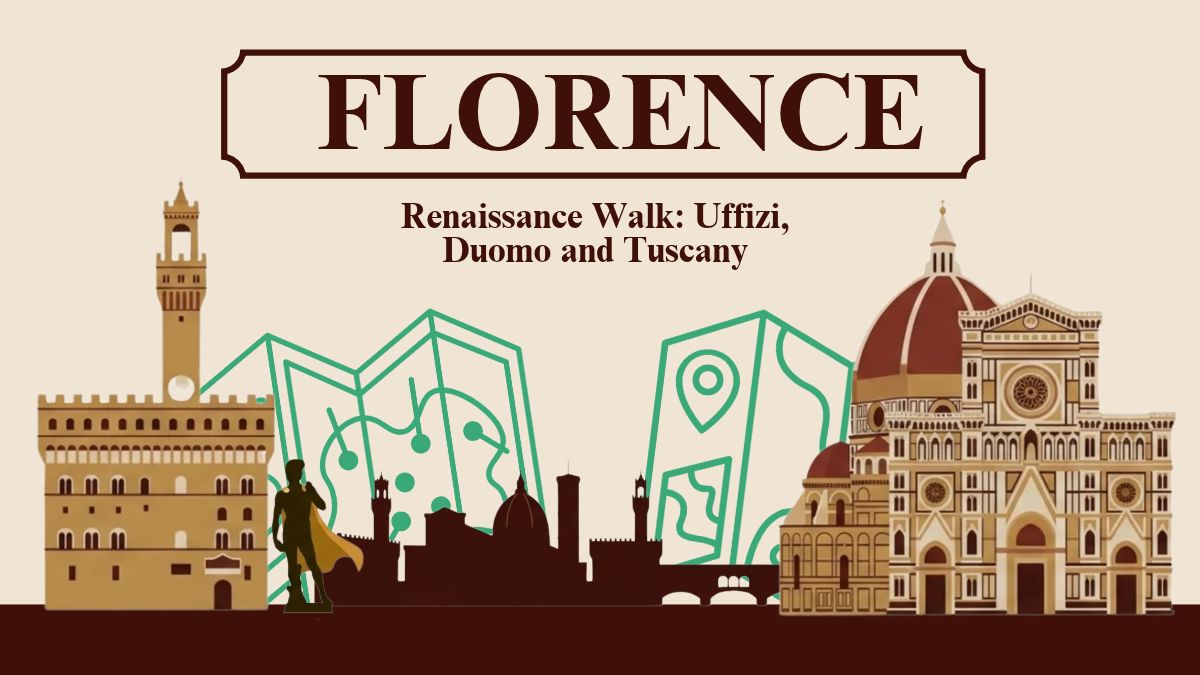
Florence Renaissance Walk: Uffizi, Duomo and Tuscany

cover

A Florence Renaissance Walk is simple to describe and harder to pace. The historic center is compact enough that the cathedral, Piazza della Signoria and the Arno sit inside one loop, yet the two buildings people come for, the Duomo and the Uffizi, each absorb most of a usable day once you add the queue, the security check and the rooms themselves.


The whole center has been a UNESCO World Heritage Site since 1982, which explains why the street plan still reads as medieval while the buildings standing on it are dressed in Renaissance stone.  That is the useful frame, and it explains why Renaissance Florence built its art into the street. The Florence Italy Renaissance story is not a museum label: the paintings were civic paperwork, paid for by banks and guilds and installed where citizens would trip over them.


What follows is the route order that keeps backtracking low, the Uffizi entry decision that shapes your morning, four day trips out of the city, ranked by what each one costs you in hours, and the seasonal arithmetic behind the queues.

8-Day Best of Northern Italy Tour from Florence

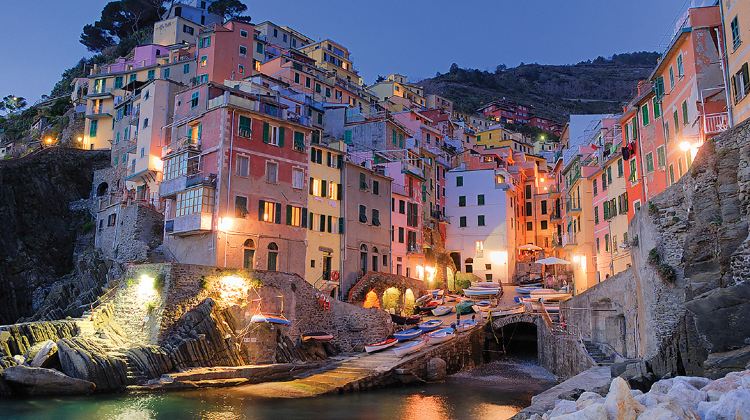
8-Day Best of Northern Italy Tour from Florence to Venice·Pisa, Cinque Terre Rail Pass & Lake Como Ferry
Scenic Train
Daily breakfast
Admission Included
5.0
Código del tour: 760302
Ciudad de inicio / Ciudad de fin
Florence, Venice
Duración
8 Days
Ciudad y atracciones
Venice, Monterosso Al Mare, Riomaggiore+3 más
Idiomas
English Live
Tamaño del grupo
Máx. 16 viajeros
Operador
G Adventures
De
$2,001.05


Florence Renaissance Walk

The loop has no fixed start, but the cathedral square fills earliest, so it makes the better opening. Three stops carry the story, and each changes what you notice at the next one.


The Cathedral Square and the Dome Climb


Cattedrale di Santa Maria del Fiore, fourth by size among European churches, with the largest brickwork dome of its kind. Scale is the point of standing there: a city of bankers paid for a church that size to announce it could outbuild its rivals, and the Campanile Tower beside it repeats the argument in stone.


The dome climb counts as its own activity rather than part of the church visit, and it is the piece to schedule before the piazza fills with groups.

Cattedrale di Santa Maria del Fiore


Piazza della Signoria and the Uffizi Courtyard


The square holds Palazzo Vecchio, the city's civic address, and the Uffizi begins at its edge, as Wikipedia's entry for the museum records. Walk the courtyard before you join the queue. Giorgio Vasari designed the complex from 1560 for Cosimo I de' Medici as offices for Florentine guilds and committees, which is what the name means, and the work finished in 1581. The narrow court opens to the Arno at the far end, and architectural historians treat it as the earliest regularized streetscape in Europe.

Uffizi


Ponte Vecchio, the Arno and the Oltrarno


Ponte Vecchio is a medieval stone bridge over the Arno, and it works as the hinge between the two halves of the walk. Cross it and the tone changes: the Oltrarno, the artisan quarter, is where workshops still outnumber souvenir racks, and where the streets are quieter for the same reason they are less photographed.


Two small rituals sit on this leg. The bronze boar fountain, il Porcellino, takes a coin and a rubbed nose in exchange for a promised return visit, and the walk up toward Piazzale Michelangelo is the standard place to watch the light go off the water at the end of the day.


If you would rather follow than navigate, a guided walk covers this ground with someone dating the buildings as you pass them.

Ponte Vecchio

Uffizi Gallery Entry: The Booking That Sets the Day

The ticket, not the route, is the constraint. Every other stop on this walk can slide by an hour; a museum slot cannot, and the queue you skip by booking is the same queue that eats an afternoon.


What the Rooms Hold


The collection is Medici property that stayed in Florence by legal arrangement. After the family line ran out, the last heiress, Anna Maria Luisa de' Medici, negotiated the family pact that handed the collections to the city, and Wikipedia records the gallery opening to the public in 1769. The same Florence page lists Botticelli, Leonardo da Vinci, Michelangelo, Raphael, Giotto and Perugino among the artists on the walls.


Allow for the shape of the building. Between 45 and 50 rooms have carried paintings from the 13th to the 18th century, and the octagonal Tribuna, finished in 1584 for Francesco I, was built to show a handful of masterpieces in one room. Wikipedia counted 5,249,968 visitors in 2024, which is the reason the slot matters.


When to Take the Slot


Tickets for the Uffizi Gallery behave like airline seats: the price moves far less than the availability. That page recommends booking online at least two to three weeks ahead, choosing the skip-the-line option and arriving ten minutes before the slot, and it warns that same-day tickets often sell out in peak season.


The reasoning sits on Wikipedia's page for the museum, fetched on 2026-11-12. In peak periods, July named among them, waiting times for entry can stretch to five hours, advance tickets cut that sharply, and a revised ticketing system introduced in 2018 brought queuing down to minutes.


Two decisions follow. Give the gallery your freshest hours rather than the tail of an afternoon, and put the dome climb on a separate day instead of stacking two stair-heavy interiors.

Day Trips From Florence: Four Ways Out of the City

The regional trains from Santa Maria Novella reach the main Tuscan cities in under two hours, and that single number sets the shape of a day out in Tuscany. The smaller places are the exception: for San Gimignano and Montepulciano the same page suggests a car.


Pisa: One Square, One Decision


Pisa is the shortest run of the four, and the reason to go is a single square. Piazza dei Miracoli, a UNESCO site since 1987, holds the Leaning Tower and a cathedral with a gilded coffered ceiling. The city was a maritime rival of Venice before it was a university town, and it has been a center of education for centuries, which is why the streets off the square feel lived in rather than staged.


The decision is whether to join the posing crowd in front of the tower or watch it from the edge of the lawn. Both are honest; the latter gets you back on a train sooner.

pisa


Siena and San Gimignano: Two Hill Towns in One Day


Siena is the medieval counterweight to Florence, and the two cities read as different centuries. Its cityscape is dominantly medieval, the action collects at Piazza del Campo, and the Gothic cathedral sits above it; UNESCO listed the historic center in 1995. San Gimignano, which joined the UNESCO list in 1990, is the smaller stop, and its towers are what people photograph.


Pairing them is the standard solution, and it is sold in two shapes: an 11-hour day from $89 that covers Siena and San Gimignano, and a longer loop from $118 that adds Chianti and Pisa. The difference is not quality but stamina, since the longer version spends more of the day in a seat.


One geographic note from the same page: Siena sits with Chianti to its northeast, San Gimignano to the west and Montalcino to the south, which is why it works as a base for wine as well as a day trip.

siena


Chianti: The Wine Detour


Chianti takes its name from the ground the grapes grow in rather than from a method, and the bottle most visitors recognize is one of several wines the region makes. The Tuscany page lists Brunello di Montalcino, Vino Nobile di Montepulciano, Morellino di Scansano and Vernaccia di San Gimignano beside it, which is the practical hint: one tasting will not cover the range.


No pass is needed to visit wineries. Booking ahead is advised at the well-known estates in Chianti, Montalcino and Bolgheri, and a five-hour Chianti wine tour runs from Pisa for travelers whose trip splits across cities.

chianti


Val d'Orcia and Montalcino: The Long Southern Day


The southern run asks the most of you. Val d'Orcia has been a UNESCO site since 2004 and Pienza's center since 1996, Montalcino is where Brunello comes from, and a stop at Sant'Antimo Abbey lets you hear chanting inside the walls.


Montepulciano is one of the places where a car beats the train, so this is the day to join an organized trip or accept a slower rail route rather than improvise.

Best Time to Visit Florence

The city sits in a basin, and that one piece of geography explains the weather advice: heat collects in summer, damp collects in winter, and the two middle seasons do the work other cities assign to high summer.


Spring, March to May


Highs climb from about 12°C in March to 20–22°C by May, according to the same page, and rain remains possible, so layers are the sensible packing rule. Crowds sit below summer levels, which changes the museum arithmetic in your favor. Early May is when the Giardino dell'Iris and the Giardino delle Rose are at their peak, and the Oltrarno streets are comfortable to walk without heat.


Summer, June to August


June averages 26–27°C, July and August 29–30°C, and the basin pushes some days into the mid-30s. The advice is to move museum visits early, take shade at midday and save open-air dinners for after sundown. It also notes that high season means longer lines, which sends you back to the booking question above.


Autumn, September to November


September holds 23–25°C and October 16–18°C, with rain arriving in late October and settling in through November. That page treats this as the season when crowds thin and the piazzas stop feeling frantic, and it points to harvest work in the vineyards around Florence plus crisp morning walks in the hills of Fiesole. The dome climb stops being a midday punishment, which is worth counting as a reason.


Winter, December to February


Days run 7–12°C and nights can dip near freezing in January and February, while rain is more frequent in November and December, so a waterproof layer earns its space in the bag. The return is quiet: shorter queues at the big museums, Christmas markets in the piazzas and soft morning light across the cathedral. Daylight is short, so outdoor legs belong early in the day.

Passes, Extra Museums and What to Skip

A Florence travel guide usually stops at the ticket advice above. The part it tends to skip is the extra museum, and that choice sets the shape of your other day.


The Accademia holds Michelangelo's David and has done since 1873, per the Florence page, and it runs its own queue on its own timetable. Stacking it onto the Uffizi on one day is possible and unpleasant: two timed entries, two security lines, and a walk between them that you end up rushing.


Then the pass question. The Florence page puts the Firenze Card at €85 for 72 hours, covering more than 70 museums with priority entry, and the Tuscany page adds that it includes public transit. The arithmetic is simple enough to do on a napkin: count the paid sites you will genuinely enter. Two interiors rarely reach €85; four or more paid attractions usually do.


Everything on this walk sits within walking distance in Florence, so one base beats splitting the stay across the river. Book the museum, then build the day around the slot: cathedral square early, gallery at your appointed hour, and the Arno and the Oltrarno when the light softens.


That is the whole method. The walk gives the city an order, the ticket gives the day an anchor, and the day trips give the week its range.

FAQ

Is one day enough for the Uffizi and the cathedral?

No. Two timed entries in one day cancel the walk between them, which is the part worth keeping. Give each its own morning and the loop still fits around both.

Do I need a car for the day trips?

For Pisa and Siena the train does the job. San Gimignano and Montepulciano are the two on the driving side of the line.

How do I reach the center from Florence airport?

The northern Italy product page names the Autolinee Toscane bus, routes 30 and 35, and the GEST tram, route T2, as the public options from Amerigo Vespucci airport.

Can the loop be walked in reverse?

Yes. Nothing in the order is fixed, and starting at the Arno puts the cathedral square at the end, which suits a late arrival.

What is worth booking before I fly?

The gallery slot before anything else, then any winery tasting. Advance booking at the well-known Chianti estates is treated as essential rather than optional.

Resumen

Florence Renaissance Walk

Uffizi Gallery Entry: The Booking That Sets the Day

Day Trips From Florence: Four Ways Out of the City

Best Time to Visit Florence

Passes, Extra Museums and What to Skip

FAQ

America's 250th Anniversary Mega Sale

image