| Area | Best For | Signature Experiences | Planning Tradeoff |
| Madrid and central Spain | Art and easy day trips | Museums, parks, historic towns | Inland rather than coastal |
| Barcelona and Catalonia | Architecture and city-coast variety | Gaudí, markets, Mediterranean walks | Deserves several full days |
| Andalusia | Layered history and living traditions | Palaces, courtyards, flamenco | Multiple tempting city stops |
| Northern Spain | Food and greener scenery | Coastal towns, hikes, regional cuisine | Less direct for a classic first route |
| Balearic or Canary Islands | Beach and nature focus | Coves, volcanic landscapes, water activities | Requires an extra flight or ferry |
Things to Do in Spain for a First-Time Visit

Start With Spain’s Landmark Cities

Madrid gives a first-time visitor a clear introduction to Spanish art, public life, and central geography. Pair one major museum with Retiro Park, a neighborhood walk, and a long meal instead of stacking museums from morning to night. The capital also works as a base for historic cities beyond its center. Exploring the wider Spain destination guide before fixing your route helps reveal how different the central plateau, Mediterranean coast, Atlantic north, and southern regions feel.
Barcelona offers a different rhythm. Its modernist architecture, medieval lanes, market culture, and seafront can fill several days without a complicated plan. Reserve focused time for the architecture you care about, but balance ticketed landmarks with walks through older districts and along the waterfront. Madrid and Barcelona can share one trip, yet neither should be reduced to a single overnight. If you have only a week, choose one as your principal city and pair it with a contrasting region.
From Madrid, a private half-day Segovia excursion fits travelers who want a concentrated historic-town experience without changing hotels. Its practical benefit is a defined outing from the capital. The limitation is depth: a half day leaves less room for slow exploration, and the product page was not accessible for verifying detailed inclusions, transport, or pacing.
Recommend Tour
Make Food and Living Culture Part of the Plan
Flamenco deserves similar care. In Andalusia or Madrid, a focused performance can be more meaningful than treating the form as background entertainment. Read the venue description, understand whether the emphasis is music, dance, or dinner, and leave space to listen. Festivals, neighborhood celebrations, and late dining hours also shape daily life, but they vary by place and date. A planning platform such as Tours4fun can help you survey activity types; use that overview to identify what fits your interests, then verify the details that can change before you commit.
Add a Coast, Island, or Nature Escape

Spain’s coast is not one uniform beach destination. The Mediterranean offers city-and-sea combinations around Barcelona, Valencia, Alicante, and Málaga. The Atlantic and Cantabrian north bring greener landscapes, dramatic bays, fishing communities, and cooler conditions. The Balearic Islands suit travelers seeking coves and Mediterranean water, while the Canary Islands add volcanic terrain and a climate that can support outdoor plans beyond the mainland’s main beach season.
Choose the coast by experience, not by a universal ranking. A traveler who wants museums by day and a beach walk before dinner may be happiest in Valencia or Barcelona. Someone prioritizing hiking, surfing, or seafood may prefer the north. An island stay makes sense when swimming, sailing, or landscape is a central purpose, but it is inefficient as a token one-night add-on. If Spain is part of a longer European vacation, protect enough days for the country instead of inserting a distant island only because it looks close on a map.
Nature also extends inland. National parks, mountain areas, vineyards, and rural villages provide a quieter counterpoint to Spain’s big cities. Pick one reachable landscape that matches your season and ability. Weather, trail access, and transport details can change, so confirm local conditions shortly before departure rather than relying on a fixed annual formula.
Build a Route That Leaves Time to Enjoy It

Count usable sightseeing days, not just dates on a calendar. A seven-day trip may lose much of its first and last days to arrival, departure, and adjustment. Every hotel change also consumes time through packing, station transfers, check-in, and orientation. For roughly one week, choose two bases. With ten days, three bases can work if the route is direct. Two weeks allows more regional contrast, but it still does not justify zigzagging across the whole country.
A balanced first route might pair Madrid with Andalusia, Barcelona with Valencia, or Madrid with Barcelona plus one carefully chosen third base. Fast rail can make major-city travel convenient, but the sensible route still depends on the exact cities. Group nearby stops, avoid doubling back, and reserve a full day for destinations that matter most. Travelers who prefer a structured framework can review a Spain tour package for routing ideas, even if they ultimately travel independently.
Keep international alternatives separate from the Spain plan. The eight-day Ecuadorrian Highlands tour from Quito fits a different traveler comparing a future culture-and-nature journey in Ecuador. Its benefit is a structured Quito round trip through Otavalo, Cotopaxi, Cuenca, and Cajas, with listed transport and some meals. Its limitations are decisive here: it is not in Spain, involves moderate activity, and eight calendar days include arrival and transfer time. It should never be inserted into a first Spain itinerary.
Recommend Tour

Use Tours Selectively, Not Automatically
The 14-day inland Amazon tour from Quito is another separate South America option, not a Spanish activity. Based only on its supplied title, it may fit a traveler planning an extended, nature-led Ecuador journey, with the benefit of a longer single-theme framework. Its limitations are that the page was inaccessible, itinerary details could not be verified, and the tour belongs in a different vacation rather than alongside Madrid, Barcelona, or Andalusia. For Spain, spend guided-tour time where context matters most and protect unscheduled hours everywhere else. That balance lets architecture, food, public squares, beaches, and evening street life become connected experiences rather than isolated appointments.
Recommend Tour

FAQ
What should a first-time visitor not miss in Spain?
Choose one major city, one contrasting region, a regional food experience, and time for everyday street life. Madrid or Barcelona makes a strong anchor, while Andalusia, the north, Valencia, or an island adds a distinct second perspective.How many days are enough for a first trip to Spain?
Seven days suits two bases, ten days can support three connected bases, and two weeks allows deeper regional variety. Count arrival, departure, and transfer time before deciding how many destinations realistically fit.Which Spanish city is best for first-time visitors?
Madrid is ideal for art, central day trips, and onward connections. Barcelona is stronger for travelers prioritizing modernist architecture and a Mediterranean setting. The better choice depends on interests, not a universal ranking.When is the best time to visit Spain?
There is no single best month for every region. Spring and fall often suit city sightseeing, summer favors many beach plans but can be hot inland, and winter can work well for culture-focused cities or the Canary Islands.También te puede interesar

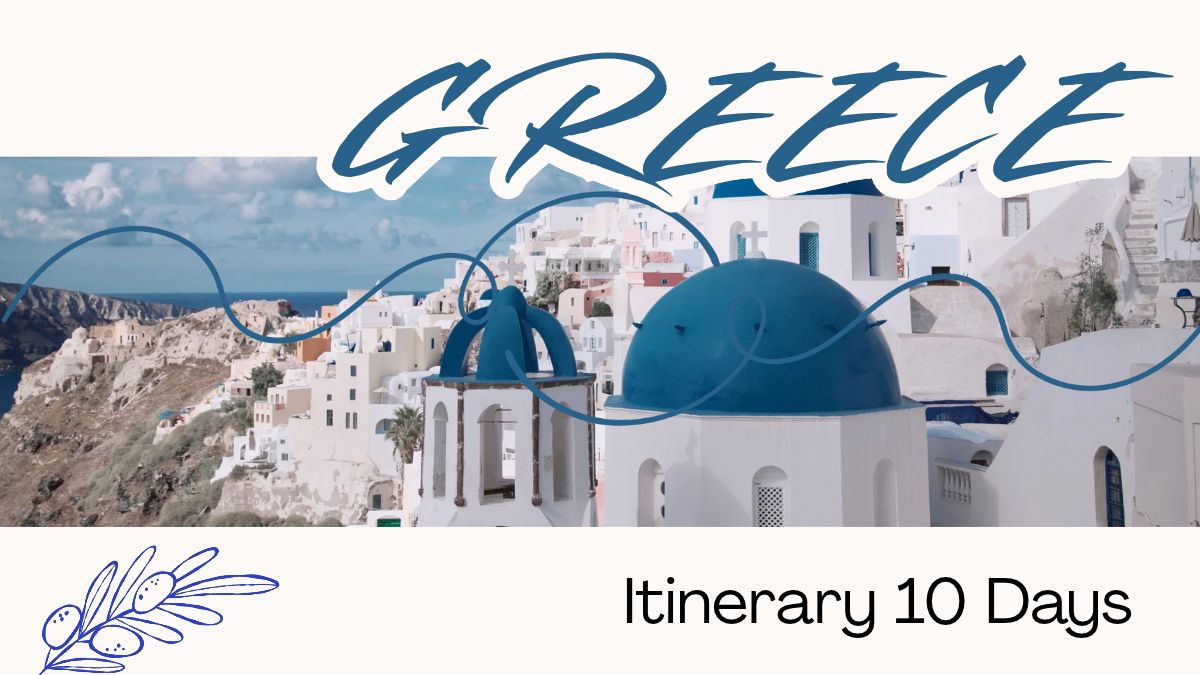
Greece Itinerary 10 Days: Athens, Santorini & Meteora Route
03 Nov 2026

Seoul Itinerary 4 Days: Culture, Shopping & Street Food
03 Nov 2026

12 Things to Do in Seoul for First Timers: K-Pop to Palaces
03 Nov 2026
Resumen
Start With Spain’s Landmark Cities
Make Food and Living Culture Part of the Plan
Add a Coast, Island, or Nature Escape
Build a Route That Leaves Time to Enjoy It
Use Tours Selectively, Not Automatically
FAQ
America's 250th Anniversary Mega Sale