Philadelphia vs Washington DC: Which Is Better for History?

cover

Both cities can claim a piece of the American story, but they tell it in different ways. Philadelphia is where the founding happened, and many of its key sites sit within a few blocks of each other. Washington is where the nation's government, monuments, and national collections live, spread across a long stretch of federal parkland and a wide choice of free museums.

I wrote this Philly vs DC comparison for travelers who have time for one city, or who are deciding how to split a trip. It covers what each city does best, how the costs compare, how much time you need, how to get from one to the other, and how to book the tickets that need advance notice. 

Philadelphia vs Washington DC

  Philadelphia Washington, DC
History focus The founding of the nation National institutions and later chapters of American history
Signature sites Independence Hall, Liberty Bell Center, Museum of the American Revolution, National Constitution Center National Archives, US Capitol, Smithsonian museums, National Mall memorials, White House
Layout A compact historic district that visitors can cover in 2 to 3 hours for the major sites A large national park along the Mall, plus museums across the city
Cost Several free sites, plus paid museums Most major museums and tours are free
Advance booking Independence Hall timed tickets White House request, Capitol and some museum timed entry
Suggested time 2 days 3 days

Philadelphia vs DC: What Each City Does Best

Philadelphia: The Founding Story in One Place


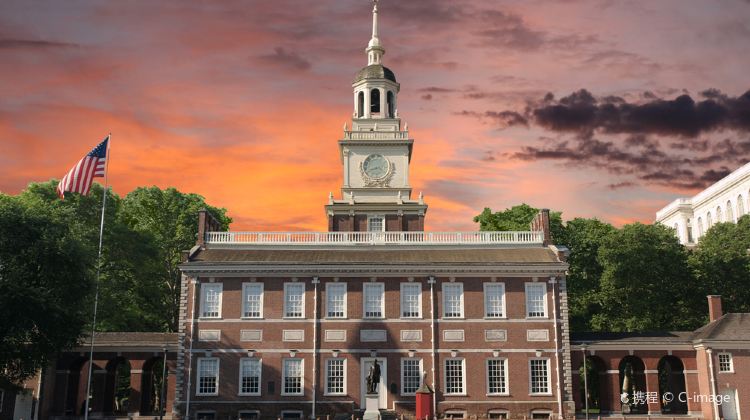
Philadelphia works best if you want to understand how the country began. The Independence Hall area, the Liberty Bell Center, and the Museum of the American Revolution make a clear sequence. The city's visitor center describes the historic district as compact and walkable, and says many major sites can be seen in two to three hours, with a full day for tours, museums, and meals.

Here is what I'd put on a first visit:
  • Independence Hall. Entry is by timed ticket. The tickets are free, with a $1 administrative fee per ticket.
  • Liberty Bell Center. Entry is free at 526 Market Street, and no tickets are required.
  • Museum of the American Revolution. The museum's current exhibition, The Declaration's Journey, runs through January 3, 2027.
  • National Constitution Center. Adult admission is $24.95 on-site or $19.95 online.
Philadelphia
 

Washington, DC: The Nation's Institutions


Washington covers more ground and a longer span of history. The National Archives, the Capitol, and the Smithsonian museums all sit near the National Mall, which is open 24 hours a day and runs from the foot of the Capitol to the Potomac River. The memorials are best at quieter times, such as early evening or morning.

Highlights include:
  • National Archives. Entry is free. Timed-entry tickets cost $1 and are optional but recommended.
  • US Capitol. Tours are free and cover the Crypt, the Rotunda, and National Statuary Hall.
  • Smithsonian museums. All Smithsonian museums are free. The National Museum of African American History and Culture requires free timed passes.
  • The White House. Tours are free, but you must request them in advance (more on this below).
Washington

Washington DC vs Philadelphia: Costs Compared

Costs are one of the clearest differences in the DC vs. Philly decision. Many of DC's biggest historical sites are free, while Philadelphia has more paid museums.
 
Site City Cost (as of October 2026)
Independence Hall Philadelphia Free, with a $1 fee per timed ticket
Liberty Bell Center Philadelphia Free
Museum of the American Revolution Philadelphia $25 online, $27 walk-up for adults, according to the museum's price list, which sits under its walking-tour section
National Constitution Center Philadelphia $19.95 online, $24.95 on-site (adult)
National Archives Washington, DC Free, with an optional $1 timed-entry ticket
US Capitol tour Washington, DC Free
Smithsonian museums Washington, DC Free
White House tour Washington, DC Free, by advance request
Mount Vernon (in Northern Virginia) Near DC $30 for adults 12 and older

Philadelphia isn't expensive, but if you add the two paid museums to your list, the total will be higher than a similar day of Smithsonian visits in DC.

DC vs Philly: Time, Walking and Layout

Philadelphia is the easier city to cover quickly. Its visitor center recommends starting at the Independence Visitor Center and describes the historic district as compact. The cobblestone streets in places such as Elfreth's Alley need extra care.

Washington needs more time and more advance booking. The National Mall is open around the clock, but museum hours are not. The Smithsonian's hours page lists several museums as open only on some days. For example, the National Museum of American History is listed as open Friday through Tuesday, and the National Museum of African American History and Culture is listed Wednesday through Sunday, both from 10 a.m. to 5:30 p.m. The hours may change, so check the days before you schedule anything.

How to Get Between Philadelphia and DC

If you want to see both cities, the train is the easiest option.
 
Option Time
Amtrak, Philadelphia 30th Street to Washington Union Station About 2 hours 19 minutes
Drive (about 136 miles) About 2 hours 41 minutes
FlixBus About 3 hours 6 minutes
Greyhound About 3 hours 30 minutes

Times come from a route aggregator, so check the current schedules. Flying is possible but slower door-to-door and much more expensive, so I'd skip it.

Philly vs DC: Which Is Better for History?

It depends on the kind of history you want and how much time you have.
 
If you want Choose
The founding era in a short, focused visit Philadelphia
The widest range of free museums and memorials Washington, DC
A walkable trip with little transit Philadelphia
The Capitol, the National Archives, and national collections Washington, DC
Both the founding and the institutions that followed Both, by train

If I had to pick one city for a first-time visitor with only two days, I'd choose Philadelphia for its clear founding story and its compact layout. With three or more days, I'd choose Washington, because the choice of free museums and memorials is difficult to match. If you can manage both, the two-hour train ride makes it simple.

A 4-Day Plan for Both Cities

Day Plan
1 Philadelphia: Independence Hall in the morning, then the Liberty Bell Center and the Museum of the American Revolution
2 Philadelphia: National Constitution Center, a walk through the historic district, then an afternoon train to Washington
3 Washington: National Archives and the Capitol tour, then the memorials on the Mall in the evening
4 Washington: Smithsonian museums, with a timed pass for the African American History and Culture museum if you've booked one


If you want to add Mount Vernon, give it a half day, and check its current hours first.


Booking Tips for History Sites in Philly and DC

  • Reserve Independence Hall tickets early. You can reserve up to 30 days ahead on Recreation.gov, with up to 10 tickets per account. Additional next-day tickets are released at 5 p.m. the day before. Arrive 30 minutes before your tour time for screening.
  • Request the White House tour well ahead. The National Park Service doesn't issue tickets. US citizens request through their Member of Congress, and international visitors go through their embassy. One section of the NPS page says at least three weeks ahead, and another says up to three months in advance and no less than 21 days. Tours may be canceled at short notice, so call the visitors office line before you go.
  • Book the Capitol tour online. Reservations are recommended, and same-day passes may be limited. Tours run Monday through Saturday, and the last tour starts at 3:20 p.m. Tours in Mandarin and Spanish are available.
  • Reserve free timed passes where required. The National Museum of African American History and Culture requires them.
  • Reserve the National Archives early on busy days. Waits can exceed an hour without a timed-entry ticket during holidays and peak months.
  • Know where the restrooms are. The Liberty Bell Center has none, so use the Independence Visitor Center at 6th and Market Streets.

Final Thoughts

Philly vs DC isn't a contest with one winner. Philadelphia gives you the founding story in a compact, walkable area, and Washington gives you the national institutions, memorials and free museums. Book Independence Hall tickets and any White House request early, check opening days for the Smithsonian museums, and take the train between the two if you have the time.
 

FAQ

Is Philly or DC better for history?

Philadelphia is better for the founding story in a compact area. Washington is better for national institutions, memorials, and free museums. If you can visit both, the train takes about two hours.

How far is Philadelphia from Washington, DC?

The drive is about 136 miles, which takes about 2 hours and 41 minutes. The Amtrak train takes about 2 hours and 19 minutes.

Is Philadelphia vs. DC cheaper for sightseeing?

DC is usually cheaper for sightseeing because the Smithsonian museums, the Capitol tour, and the National Archives are free. Philadelphia has free sites too, such as the Liberty Bell Center, but its major paid museums add up.

Do I need tickets for Independence Hall?

Yes. Entry is by timed ticket, which is free, with a $1 administrative fee per ticket. You can reserve on Recreation.gov up to 30 days in advance.

Can I tour the White House?

Yes, by advance request. US citizens apply through their Member of Congress, and international visitors go through their embassy. Tours are free but may be canceled at short notice.

Resumen

Philadelphia vs Washington DC

Philadelphia vs DC: What Each City Does Best

Washington DC vs Philadelphia: Costs Compared

DC vs Philly: Time, Walking and Layout

How to Get Between Philadelphia and DC

Philly vs DC: Which Is Better for History?

A 4-Day Plan for Both Cities

Booking Tips for History Sites in Philly and DC

Final Thoughts

FAQ

America's 250th Anniversary Mega Sale

image