LondonUnited KingdomEuropePlaces to GoThings to DoWhere to StayFood & DrinkVacations
Mostrar todo

London Travel Guide 2026: Top Landmarks & Hidden Gems

cover

A London travel guide is more useful when it tells you what to cut, not just what to see. Here is the order I would do things in, and the things I would leave out.


The two sights people come for, Big Ben and Buckingham Palace, sit on opposite sides of a walkable center, and the Tower of London is a short ride east of both. Get the order right, and you stop losing half days to the Underground. I would build a first trip around one clear stop per cluster and keep one of those days loose for a museum or a market. Treat any day trip as extra on top of that count rather than part of it, because that is the piece that always runs long.


So what should you book first, and which corners deserve the detour? Below you will find the landmarks with a realistic time budget, the quiet places most people walk past, how many days the city needs, how to move around it, and which areas suit which trip.


London in One Page: How the City Fits Together

London grew up along the River Thames, and the Romans laid out the first settlement here, which is why the oldest streets sit in a knot rather than a grid. Three clusters carry almost everything you came for, and once you see the city that way it stops feeling endless.


Westminster holds Big Ben, Westminster Abbey, the Houses of Parliament, Parliament Square and Downing Street. East along the river you get the Tower of London, Tower Bridge and the Thames itself. The center-west side holds Buckingham Palace, Trafalgar Square, Piccadilly Circus and Oxford Street.


This is the itinerary I planned to use for my first visit.


Cluster Time to allow How I would sequence it
Westminster Half a day Walk it as one loop, from the Abbey to Parliament Square and Downing Street
River and the Tower Half a day Pair the Tower of London with Tower Bridge in a single walk
Center-west palaces and squares Half a day Buckingham Palace in the morning, then Trafalgar Square and Piccadilly Circus
The City and St Paul's Cathedral Two to three hours Slot it between the river and the West End
A day trip out of town A full day Pick one: Stonehenge, Bath, Windsor Castle or the Cotswolds


Day trips sit outside all of it, and any one of them costs you a full day of the trip rather than a morning. The Eurostar puts mainland Europe within reach if you have a spare day at the end.

The Landmarks Worth Your Time

Four names come up in every conversation about London, and each one asks for a different chunk of your day. None of them needs a full day on its own, which is exactly why people overspend their hours here.


Tower of London and Tower Bridge


Tower of London is the landmark where the visit happens indoors rather than in a photograph. The Crown Jewels stay on exhibition inside, and the buildings around them carry the oldest royal stories in the city. Give it two to three hours, and arrive early if you can, because the crowds build from mid-morning onwards.


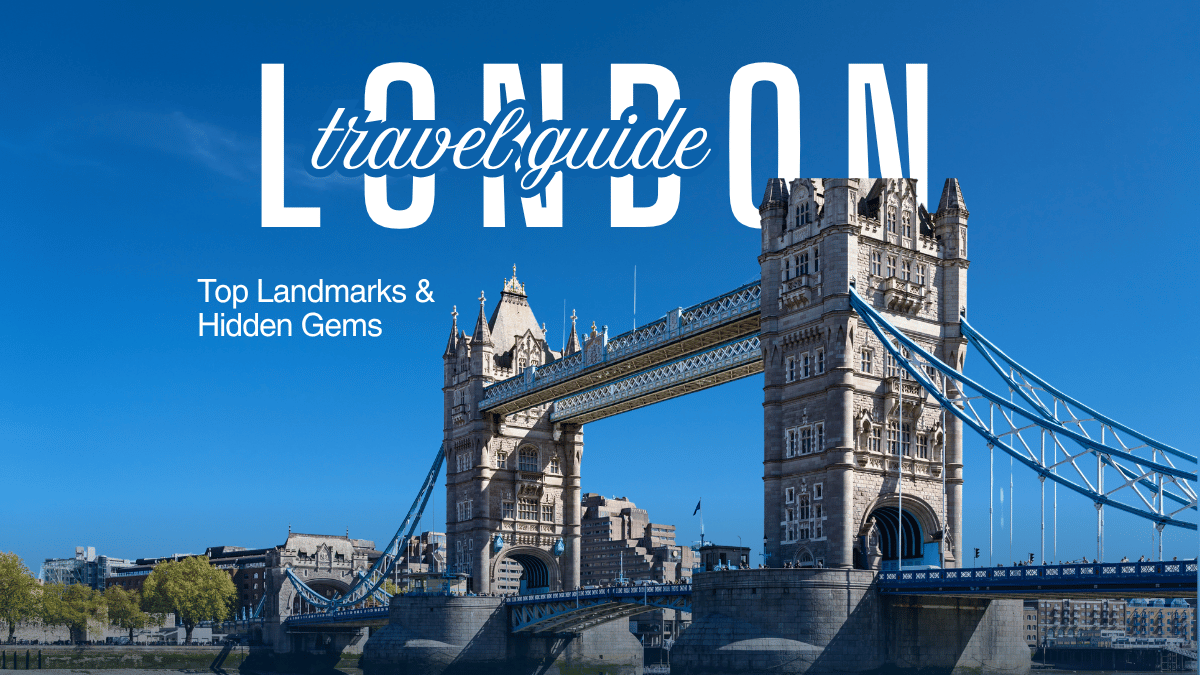
Then walk the few minutes to Tower Bridge. Twilight is the moment worth waiting for, when the bridge is illuminated, and the river goes dark behind it. Is an entire morning at the Tower worth it? For history people, yes. For everyone else, two hours plus the bridge is the right shape.

tower of London


Westminster, Big Ben and the Abbey


Westminster is the densest half mile in London. Big Ben, the Houses of Parliament, Parliament Square, Downing Street and Westminster Abbey sit within a few minutes of each other, and the Abbey is where Prince William and Princess Kate were married. With a single afternoon left in the city, spend it here, because you can cross five names off without touching the Underground.


Walking tours often open at Trafalgar Square and then head over to Downing Street and Parliament Square, which makes a sensible first hour for a first visit. The evening version trades the politics for ghost stories and mysteries, so pick by mood.

Westminster


Buckingham Palace


The palace is the official London residence of the royal family, and visits take in many of the lavish rooms and the Royal Gardens. The changing of the guard pulls the biggest crowd of the day, and the ceremony does not take place every day, so check before you build a morning around it.


Arrive early if you want to watch the ceremony rather than the backs of heads. The palace is a short walk from Trafalgar Square, which makes the two easy to pair and leaves the afternoon free for the center-west squares.

Buckingham palace


St Paul's Cathedral


St Paul's anchors the City, the old financial quarter, and it sits on the city route that loops London's center. Give the cathedral an hour or two.


What I like here is the timing as much as the dome. Once the office crowds go home, the streets around St Paul's empty out, and from there you can walk toward the river and the Tower with nobody in front of you. Two landmarks in one afternoon are very doable.

Quieter Corners Most Visitors Walk Past

The city thins out fast once you step off the postcard route. These are the three I keep going back to, and each works best as a half day of its own.


Borough Market and the riverside around it


Borough Market is the food stop I would build an afternoon around. Go on a weekday if you can, because the aisles move slowly once the weekend crowd arrives, and order a proper late lunch while you are there.


The season changes this place more than people expect. Autumn is when seasonal dining around the market takes over and the outdoor crowds thin, and the walk back along the Thames afterwards is the quiet half of the day.


Richmond Park and the Serpentine


Both of these come into their own once the leaves turn. Richmond Park fills with color, and the tree-lined avenues near the Serpentine bring the same turning foliage into central London.


Give either one two hours. Richmond Park is the longer ride west, so pair it with a slow morning instead of a packed day, and the Serpentine is the easy version when you are already in Hyde Park.

hyde park


Notting Hill and Hampstead


Both neighborhoods feel more local than central, and both reward a slow morning over a checklist. They feel most like themselves once the summer crowds have thinned and the light softens.


Two seasonal swaps are worth knowing when the weather turns. Ice-skating at Somerset House in winter and the floral displays at Kew Gardens in spring give you a reason to change plans on a cold or wet day, and both are easier to fit in than a landmark morning.

How Many Days London Really Needs

So how many days do you actually need? The honest answer comes down to how many day trips you want, because the city itself takes about three days, and everything above that is the country around it.


Two days: the clusters at speed


Two days gets you Westminster and the river, and nothing else. You still walk away with Big Ben, the Abbey, the Tower of London and Tower Bridge, and both evenings stay in the center. What you give up is the British Museum, a market lunch and every day trip.


It works if you treat the trip as a sampler and keep your hotel central. It stops working if Stonehenge is on your list, because one day out costs you a third of the whole visit.


Three to four days: landmarks plus one day out


Three days is what I would book for most first trips. One day each for Westminster, the river and the City, and one evening kept free for dinner and a slow walk. Add a fourth day and a day trip becomes possible, whether that is Stonehenge, Bath, Windsor Castle or the Cotswolds, without eating into the three city days.


Three days also solves the museum problem that two days creates. A single morning at the British Museum or the Tate Modern fits once you stop trying to see everything in one push.


Five days and up: slow mornings and two days out


Five days buys you that museum morning, a late lunch at Borough Market, and a second day out. It also lets you put the quiet corners in properly instead of squeezing them between landmarks.


One caution about stretching the trip. Every extra day is another hotel night and another dinner, and after five days the fresh mornings run out unless you add a second day out. If your dates are short, cut the day trips before you cut the landmarks, because that is where the regret usually sits.

Getting Around London

Nobody walks London end to end, and the trick is knowing which hops deserve a train and which ones deserve your feet. Which one saves you more time? Usually the train, though nowhere near as often as people assume.


The Underground for the long hops


The London Underground is the historic system that carries most of the city, and it earns its keep on two hops in particular: Westminster to the Tower, and anything reaching Oxford Street. On foot each of those takes the better part of an hour, and by train they are a handful of stops.


The part worth planning is the direction of your day. A Westminster morning, a river afternoon and an evening in the center means three short rides instead of five long ones.


Walking, the river and bikes


From Trafalgar Square you can reach Downing Street, Parliament Square, Big Ben and Westminster Abbey on foot in a single stretch, which is exactly why the walking tours open there.


Thames River cruises turn the trip itself into the sightseeing, and the run between Westminster and Tower Bridge is the stretch worth paying for. Bikes cover the same ground faster, and the riverside paths are where they make the most sense.


Buses and the hop-on hop-off option


London bus tours show you more of the city in less time, and the vintage open-top double-deckers are the fun version of it. Hop-on hop-off buses keep the transport and drop the schedule, so you can stop at the Tower of London, the London Eye, Madame Tussauds or The View from The Shard and pick up again afterwards.


If you would rather hand the routing over entirely, a London tour that loops the central sights takes the decisions out of your morning. That is what I would suggest to anyone traveling with parents or young kids, because nobody wants to read a map at eight in the morning.

Where to Stay

The area matters more than the hotel in London, because you will spend more time moving between sights than sitting in your room. If you are comparing a few London vacation packages of different lengths, check which part of the city each one bases you in before you decide.


West End and Leicester Square


Best for theater, late dinners and walking home after dark. The West End theater season opens in autumn, and the streets around Leicester Square and Piccadilly Circus stay busy well into the evening, which suits a first trip where every night ends somewhere.


What you pay for here is the address rather than the space, so expect a compact room in a central building.


Chinatown and Soho


Best for food and for a base you never have to leave. Both sit within walking distance of the landmarks on your list, and the evening walk through Leicester Square, Chinatown and Soho is worth planning ahead instead of stumbling into.


Earls Court, Fulham and Brentford


This west belt is where the coach hotels cluster, including the IBIS London Earls Court, the properties around Stamford Bridge on Fulham Road and the Holiday Inn Brentford Lock. Trips that leave London in the morning often collect guests from here, which saves a dawn ride back across the city.


You trade walkability for quieter nights and a pick-up at your own door.

Putting Your London Days Together

Two habits decide how a London trip feels, and neither of them is a landmark. Start early, because a nine o'clock arrival at the Tower of London or Westminster Abbey beats the line that builds later in the day. Then stay out in the evening, because the center is at its best once the day crowds head back to their hotels.


Sort the fixed pieces first. The Tower, the Abbey and any day trip you have settled on are the ones that set the shape of a morning, and moving them later costs you the same time back. Keep the museums, the markets and the parks loose so you can shift them when the weather changes.


One last decision ties everything together: your base and your day count move as a pair. With three days rather than four, drop the second day trip and keep both evenings in the center. With a full week, keep Hampstead and Richmond Park in the plan, because that is where the extra days actually pay off.

FAQ

How many days do I need for a first visit to London?

Three days covers Westminster, the river and the City without rushing. Two days works if you cut the day trips, and four or five days lets you add one or two days outside the city.

What is the quickest way between the main landmarks?

Take the Underground for the long hops, such as Westminster to the Tower of London or anything reaching Oxford Street. Inside one cluster, walking beats waiting for a train.

Which day trip out of London is worth a full day?

Stonehenge, Bath, Windsor Castle and the Cotswolds are the four I would choose between, and each one eats a whole day. Pick a single one so the city keeps its three days.

When is the best time to visit London?

Early autumn keeps highs near 19-20°C with thinner crowds, and winter stays mild at around 7-10°C with the festive lights on. Summer brings the longest daylight, with highs around 20-23°C.

Resumen

London in One Page: How the City Fits Together

The Landmarks Worth Your Time

Quieter Corners Most Visitors Walk Past

How Many Days London Really Needs

Getting Around London

Where to Stay

Putting Your London Days Together

FAQ

America's 250th Anniversary Mega Sale

image