Most first-time visitors to London spend a whole day and a fair amount of money on one palace. The free places to visit in London are the ones residents use all year: four national museums, a handful of covered markets, the royal parks that stitch Westminster to Kensington, and pubs on corners that were old before the guidebooks arrived. What each one asks at the door is on its own website, so check before you build a day around it.
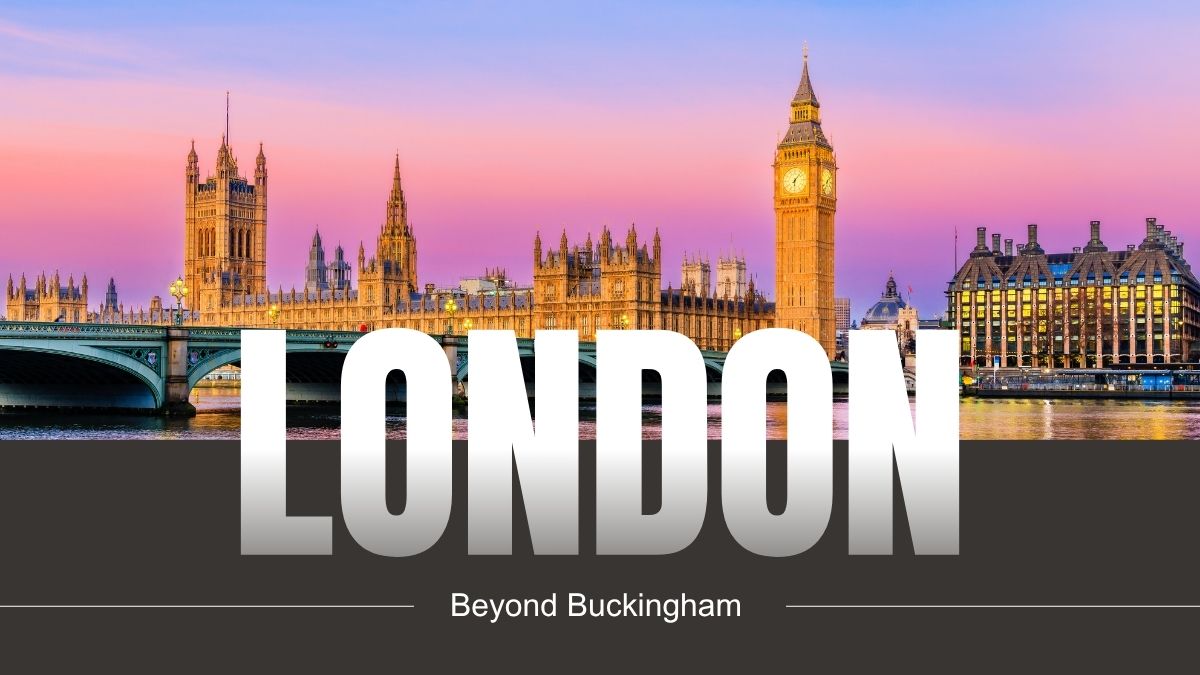
The must-see places to visit in London — Big Ben, Westminster Abbey, the Tower of London and the palace itself — cluster along the same stretch of the Thames. What decides whether a day works is the order you take it in, and whether the afternoon goes to walking or to queuing.
So this guide runs in that order: collections, then markets, then pubs. You will find the hours that hold up, the crowds to dodge, and the point at which a ticket starts to earn its price.
7-Day England & Scotland Loop Tour
Ciudad de inicio / Ciudad de fin
London, Manchester, Edinburgh+1 más
Ciudad y atracciones
London, Cambridge(England), York, England+29 más
Idiomas
Chinese Live, English Live
Tamaño del grupo
Máx. 50 viajeros
Audiencia del tour
Chinese speakers
Free Museums That Reward a Second Visit
Four collections carry most of the weight, and they sit in four separate districts, which is the real problem. If free places to visit in London is what you typed into a search bar, these four are where that search usually ends. Spreading them over two days beats trying to fit all four between breakfast and dinner.
British Museum, Bloomsbury
Bloomsbury is built around this collection, and the district around it is worth the walk before you go in: squares, old houses, the university. The permanent rooms are the part to plan around, and the desk at the door tells you what is not included. The mistake is starting at the front and working through in order. Pick two wings that interest you, take the stairs once, and leave while your legs still work. What you skip is the reason to come back on a wet morning later in the week.

National Gallery, Trafalgar Square
The gallery fronts Trafalgar Square, which makes it the easiest of the four to slot into a West End afternoon. Walk in, then use the square outside as your rest stop rather than a café. The National Portrait Gallery sits in the same district, so a single visit can cover two collections if you keep the pace slow and the list short. Check the closing time before you plan an evening visit.
Victoria and Albert Museum, South Kensington
South Kensington holds three museums within a few streets: the V&A, the Natural History Museum and the Science Museum. That cluster is the reason a wet day in London does not have to be a lost one. You can move between buildings without getting on the Tube, and Kensington Gardens and Hyde Park are close enough to break up the afternoon when the sky clears. Give the V&A its own half day; the object cases reward slow looking.
Tate Modern, South Bank
The South Bank puts modern art, Borough Market and the Globe Theatre within one walk along the river. The building itself is the argument for going even if the collection is not your taste. Come late in the day, when the market crowds thin and the riverside path empties, then eat on the way back rather than before.
Market Walks: Four Markets, Four Districts
A market morning is a walk and a coffee, and it is the easiest half-day in London to get wrong. Turn up at the wrong hour and you get shutters or elbows. The four below sit in different districts, so treat them as one per day rather than a crawl, and look up the market's own opening days before you build a route around one.
| Market |
Area |
What's there |
What you eat |
| Borough |
South Bank |
Market stalls, Tate Modern, the Globe |
Food stalls |
| Camden |
Camden |
Camden Town Markets, alternative fashion |
Street food |
| Portobello Road |
Notting Hill |
Fruit and antiques |
Fruit |
| Spitalfields |
East End |
Market stalls, Brick Lane in the district |
Food stalls |
Borough is the one to build a day around, because it sits in the South Bank district and hands you the Tate Modern, the Globe and the river path without another fare. Go early and the stalls are working, the queues are short, and you can eat standing up without losing an hour. Check the market's own calendar before you set the date.
Portobello is a fruit and antiques market first and a photo opportunity second, and the Notting Hill streets behind it are the reason to walk rather than ride. Arrive before the crowd turns the pavement into a single slow queue.
Camden Town holds the Camden Town Markets, a hub of alternative fashion and youth-oriented stalls, and it pairs with the British Library in the same district. Start there in the morning, then leave before the evening crowd arrives for the music venues.
The East End rewards a separate morning. Columbia Road fills with flowers, and Spitalfields and Petticoat Lane sit in the same district as Brick Lane, which is where the food is.
Historic Pubs Without the Tourist Markup
Almost every pub in central London claims history, and a fair number of them are right. The building gives it away before the menu does: a tiled frontage, a corner entrance cut at an angle, windows that were made for gaslight. So what separates a working pub from a tourist one? Rarely the age of the place. It is who is standing at the bar at six.
Read the frontage for the brewery name. A house tied to a brewery tends to keep the same beer and the same fittings for decades, which beats a refurbished room with a cocktail list. If the sign names a brewery, the pub is selling beer first and food second, and the prices usually reflect that.
Drinks are ordered and paid for at the bar, not from a table, and the round is bought by one person at a time. Sit down and wait for table service and you will lose twenty minutes. Order, pay, carry, then find a seat, and remember that the room at the back is usually quieter than the one by the door.
For the setting rather than the name, Hackney and Camden both hold pubs alongside their cafés and bars, Soho puts jazz in the same small rooms, and the streets behind Borough Market give you old corners within a short walk of the stalls. One street back from any landmark is the whole trick: the beer is the same, and the markup is not.

Buckingham Palace: When the Ticket Is Worth It
Here is the honest split. Outside the railings, the ceremony in the forecourt draws a crowd every time it runs, and you watch it from the pavement with everyone else. Inside, the tours take you through the palace's lavish rooms and out into the Royal Gardens, and that is a paid ticket; check the palace's own calendar for the months it sells. Decide which of those two things you actually came for.
If you want pageantry, stand on the street, arrive well before the crowd thickens, and accept that you will be looking over shoulders. If you want interiors, the Buckingham Palace tour is the way in, and it is worth the money precisely because so little of royal London lets you indoors. Booking ahead matters more than picking the right day.
There is a third option that most itineraries ignore. Walk the edge of St James's Park and Green Park instead, past Horse Guards and along Whitehall, and you get the ceremonial setting without the queue. The parks are open ground, the walk is flat, and you can leave the moment the weather turns. Save the ticket for a trip when the gardens are the point, and skip it when they are not.
A Walking Route That Links the Free Stops
One day on foot can hold more than most people attempt, provided you start west and finish east with the river as your last stop. Begin in South Kensington, where three of the free places to visit in London sit in the same district. Pick one, not three, and be out of the door before the school groups arrive.
From there, the parks do the work. Kensington Gardens runs into Hyde Park, and the tree-lined avenues near the Serpentine give you a straight, flat line east without a single road crossing worth worrying about. Keep the water on your left, exit at the eastern edge, and carry on through Green Park toward St James's Park and the palace railings. This is the stretch people photograph, and it costs nothing but shoe leather.
Then the city tightens. Whitehall, Horse Guards, the Houses of Parliament and Westminster Abbey come at you in a cluster, and the bridge puts you on the South Bank with the Globe, the Tate Modern and Borough Market ahead. Finish there. By late afternoon the market has thinned, the light is going, and you have covered in a day what the map makes look like two.
Two practical notes. The route is a full day, roughly, and November daylight runs out early, with highs of 10-12 °C and around nine days of rain that month, so start at opening rather than after lunch. And if you would rather have the logistics handled, London tours cover the same ground by coach in a morning, which is a fair trade when your feet are done.
Where to Stay to Keep Walking
Does the district matter? More than any other booking on the trip. Where you sleep decides how much of this you can walk. The districts that hold the free stops are also the districts worth paying for, and a room near the river spares you the commute.
Bloomsbury puts the British Museum at your door and the West End a short walk south. South Kensington keeps three museums, Hyde Park and Kensington Gardens within a morning's stroll, and it is quiet at night. Westminster and St James's give you the parks and the palace on foot. Southwark and the South Bank trade calm for the market, the Tate and the river path. Camden and Notting Hill put a market outside your window, at the price of a longer walk into the centre.
Pay for transport by tapping a contactless bank card or phone on the reader, or use an Oyster card, which works as pay-as-you-go across buses, the Tube, the Docklands Light Railway and London Overground. Tap in and out at the station readers, and let the daily cap settle the bill; single tickets cost more than the capped total. Buses take no cash, so have a card ready before you board.

On time, four or five days covers the landmarks, a museum or two and a neighbourhood without rushing, and a week adds Camden, Shoreditch and Greenwich. Stay central and short if the museums are the plan; stay outer and longer if the markets are. Skip the hotel breakfast and eat at the market instead, because that is where the morning is.
FAQ
Can you cover the best places to visit in London in a day on foot?
The central cluster is walkable, but not all of it in one day without rushing. A realistic version is one museum in the morning, the parks and the palace railings around midday, then the South Bank in the afternoon. Two days lets you add a market morning without cutting anything short.Do the museums here need a ticket or a booking?
Check each museum's own page before you go: the permanent rooms in the four collections named above are the point of the day, and the palace interior is the paid alternative. Attractions such as the London Eye sit firmly in the paid column, and anything ticketed is signposted at the door.How many days in London are enough?
For most first-time visitors, 4–5 days in London is ideal. This gives you enough time to see the major landmarks, explore different neighborhoods, enjoy museums, and experience London's food and culture without rushing.What not to do in London as a tourist?
Avoid unlicensed taxis, street gambling games, unofficial attraction tickets, leaving valuables exposed, and walking through unfamiliar, poorly lit areas late at night.