SpainEuropeTravel Tips
Mostrar todo

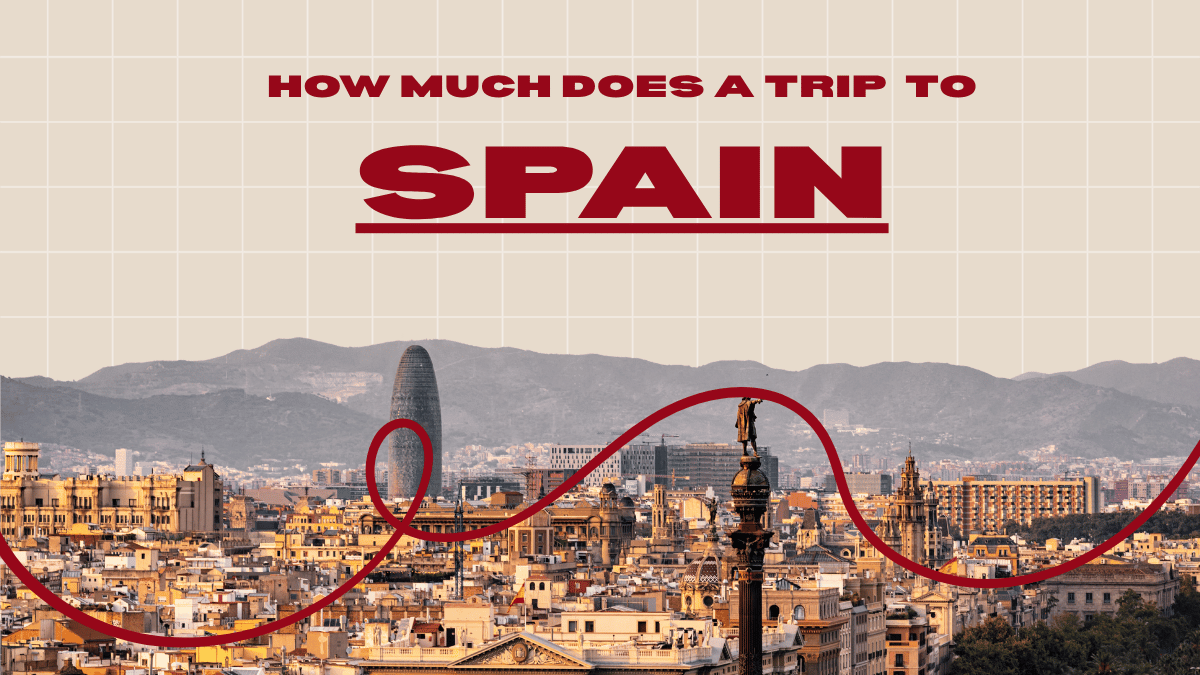
How Much Does a Trip to Spain Cost? Detailed Expense List

cover

Planning a Spain tour involves understanding various costs, from flights and accommodation to food and attractions. Many travelers wonder how much a trip to Spain costs and whether it fits their budget. The truth is, Spain offers excellent value compared to other Western European destinations, with costs varying significantly based on travel style, season, and regions visited.

This comprehensive guide breaks down every expense you'll encounter, helping you determine how much to travel to Spain and create a realistic budget for your Spanish adventure.


Average Spain Travel Cost by Budget Type

The Spain travel cost varies dramatically depending on your travel preferences. Here's what you can expect to spend per person per day across different budget levels:

Budget Travelers: €50-80 Per Day

Budget travelers can explore Spain comfortably on €50-80 per day. This includes staying in hostels or budget hotels (€20-35 per night), eating at local tapas bars and markets (€15-25 daily), using public transportation (€5-10), and visiting free or low-cost attractions. Cities like Granada, Valencia, and Seville offer particularly good value for budget-conscious visitors.

Mid-Range Travelers: €100-180 Per Day

Mid-range travelers typically spend €100-180 daily, enjoying 3-star hotels (€60-100 per night), dining at nice restaurants (€30-50 daily), taking occasional taxis or trains between cities (€20-40), and experiencing paid attractions and tours (€20-40). This budget allows you to experience Spain's highlights comfortably without luxury expenses.

Luxury Travelers: €250+ Per Day

Luxury travelers spend €250 or more daily, staying in 4-5 star hotels or boutique properties (€150-300+ per night), dining at fine dining establishments including Michelin-starred restaurants (€80-150+ daily), hiring private guides and drivers (€100-200), and enjoying exclusive experiences like flamenco shows and premium wine tastings.

Major Expense Categories for Spain Trips

Understanding where your money goes helps you plan your cost to visit Spain more accurately.
 

Accommodation Costs

Accommodation represents your largest expense in Spain. Budget hostels range from €15-30 per night for dorm beds, while private rooms in budget hotels cost €40-70. Mid-range 3-star hotels average €70-120 per night in most cities, rising to €120-200 in Madrid and Barcelona during peak season. Luxury 4-5 star hotels start at €180-300 per night, with premium properties exceeding €400.

Booking 2-3 months in advance saves 20-30% on accommodation. Consider staying slightly outside city centers for better rates, especially in Madrid and Barcelona. Many hotels include breakfast, which adds value to your stay.

Food and Dining Expenses

Food costs in Spain are reasonable compared to other Western European countries. A café breakfast (coffee and pastry) costs €3-6. Lunch at a local restaurant runs €10-15 for a menú del día (fixed-price menu with multiple courses). Dinner at a mid-range restaurant costs €15-25 per person without wine. Tapas bars offer small plates for €3-8 each.

Grocery shopping saves money if your accommodation has a kitchen. Local markets provide fresh produce, cheese, and cured meats at reasonable prices. Wine is remarkably affordable, with decent bottles costing €5-10 in restaurants and €3-6 in shops.

Spain food

Transportation Costs

Transportation costs depend on your itinerary. Domestic flights between major cities cost €40-120 if booked in advance. High-speed AVE trains connect Madrid-Barcelona (€60-120, 2.5 hours) and Madrid-Seville (€50-90, 2.5 hours). Regional trains and buses offer cheaper alternatives, typically €15-40 for intercity travel.

Within cities, metro and bus tickets cost €1.50-2.50 per ride. Multi-ride cards (10 trips for €10-12) provide better value. Taxis start at €2.50-3.50 plus €1.10-1.30 per kilometer.

Attraction and Activity Costs

Many of Spain's top attractions are free or low-cost. Free attractions include Madrid's Retiro Park, Barcelona's Gothic Quarter, Seville's Plaza de España, and Granada's Albaicín neighborhood. Major museums charge €10-15, though many offer free entry during specific hours.

The Alhambra in Granada costs €14-19 and requires booking. Sagrada Familia in Barcelona charges €26-36. The Prado Museum in Madrid costs €15 but offers free entry Monday-Saturday 6-8 PM and Sunday 5-7 PM. Flamenco shows range from €20-40 depending on venue and seating.

Sagrada Familia

Is Spain Expensive to Visit Compared to Other European Countries?

Many travelers ask whether Spain is expensive to visit relative to France, Italy, or the UK. Spain consistently ranks as more affordable than these destinations.

Spain vs. France and Italy

Daily costs in Spain average 20-30% less than in France or Italy. A mid-range hotel in Paris costs €120-200, while similar quality in Madrid runs €80-140. Restaurant meals in Spain are 25-35% cheaper than in France. Public transportation in Spanish cities costs less than in Paris or London.

Spain vs. Northern Europe

Compared to Scandinavia, the Netherlands, or Switzerland, Spain is significantly cheaper. Amsterdam hotel rates average 40-50% higher than Madrid. Daily food costs in Copenhagen are nearly double those in Barcelona. Even Germany's major cities cost 15-25% more than Spain's urban centers.

Regional Cost Variations Within Spain

Costs vary across Spain's regions. Madrid and Barcelona are the most expensive cities, particularly for accommodation. Seville, Granada, and Valencia offer better value while providing authentic Spanish experiences. Coastal tourist areas like Costa del Sol charge premium prices from June to August but drop significantly in shoulder seasons.

Seasonal Impact on Spain Travel Costs

When you visit dramatically affects how much does a trip to Spain costs.
 

Peak Season (June-August)

Summer brings the highest prices and largest crowds. Hotel rates increase 30-50% compared to shoulder seasons. Flights cost 20-40% more. Popular attractions have longer lines and require booking. Despite higher costs, summer offers the best weather for beach destinations and outdoor festivals.

Shoulder Seasons (April-May, September-October)

These months provide the best balance of good weather and reasonable prices. Hotel rates are 20-30% lower than peak season. Flights cost less and have better availability. Weather remains pleasant for sightseeing and outdoor activities. This is the ideal time for budget-conscious travelers seeking value.

Off-Season (November-March)

Winter offers the lowest prices, with hotels 40-60% cheaper than summer. Flights are cheapest, especially January-February. Some coastal resorts close or reduce services. Weather is mild in southern Spain but cold in Madrid and northern regions. This season works well for city-focused itineraries and budget travelers.

Sample Spain Trip Budgets

Here are realistic total costs for different trip lengths and travel styles:

7-Day Budget Trip: €600-900 Per Person

This includes budget accommodation (€210-350), food (€150-210), local transportation (€50-70), intercity transport by bus or regional train (€80-120), and attractions (€60-90). This budget works for travelers comfortable with hostels, local restaurants, and public transit.

7-Day Mid-Range Trip: €1,200-1,800 Per Person

This covers 3-star hotels (€560-840), restaurant meals (€280-420), local transportation (€70-100), high-speed trains between cities (€150-240), and paid attractions (€140-200). This budget provides comfort while experiencing Spain's highlights.

10-Day Luxury Trip: €3,500-5,000+ Per Person

Luxury travelers spend €350-500+ daily on 4-5 star hotels (€1,800-3,000), fine dining (€700-1,000), private tours and transfers (€500-800), premium attractions and experiences (€300-500), and domestic flights or first-class train (€200-400).

Money-Saving Tips for Spain

Reducing your cost to visit Spain is possible with strategic planning:
 

Book Accommodation Early

Reserve hotels 2-3 months in advance for 20-30% savings. Consider apartments with kitchens to save on meal costs. Stay in neighborhoods slightly outside tourist centers for better rates and authentic experiences.

Eat Like a Local

Avoid tourist-trap restaurants near major attractions. Eat at local tapas bars and markets. Take advantage of menú del día lunch specials, which offer multiple courses at fixed prices. Have your main meal at lunch when prices are lower than dinner.

Use Public Transportation

Metro and bus systems in Spanish cities are efficient and affordable. Purchase multi-ride cards for better value. Walk whenever possible—Spanish cities are compact and pedestrian-friendly. Avoid taxis except for late-night returns or airport transfers.

Visit Free Attractions

Many world-class museums offer free entry during specific hours. Explore free attractions like parks, plazas, and historic neighborhoods. Take free walking tours (tip-based) to learn about cities while staying within budget.

Travel During Shoulder Season

Visit in April-May or September-October for lower prices, fewer crowds, and pleasant weather. You'll save 20-30% on accommodation and flights compared to peak season while enjoying similar experiences.

Plan Your Spain Trip with Confidence

Understanding how much does a trip to Spain costs helps you create a realistic budget and make informed decisions about accommodation, dining, and activities. Spain offers exceptional value compared to other Western European destinations, with options for every budget level.

Whether you're planning a budget backpacking adventure or a luxury cultural experience, Spain delivers outstanding value. The key is planning, traveling during shoulder seasons when possible, and embracing local experiences over tourist-oriented services.

For travelers seeking structured itineraries with pre-arranged accommodations and transportation, Spain vacation packages offer convenient options that bundle major expenses together. These packages can simplify budgeting and sometimes provide better value than booking components separately.

FAQ

How much does a trip to Spain cost for two weeks?

A 14-day Spain trip costs €1,200-1,800 per person for budget travel, €2,400-3,600 for mid-range comfort, and €5,000-7,000+ for luxury experiences. These estimates include accommodation, meals, transportation, and attractions.

Is Spain expensive to visit for American tourists?

Spain is relatively affordable for American tourists, especially compared to France, Italy, or Scandinavia. The current exchange rate typically favors US dollars. Daily costs average €80-150 for mid-range travel, making Spain accessible for various budgets.

How much does it cost to travel to Spain, including flights from the US?

Round-trip flights from major US cities to Spain cost €400-800 in economy class, depending on season and booking time. Add this to ground costs: budget travelers spend €600-900 total for a week, mid-range travelers €1,200-1,800, and luxury travelers €3,500+.

What is the cheapest month to visit Spain?

January and February offer the lowest prices for flights and accommodation. November and March also provide good value. These months work well for city-focused trips, though some coastal resorts close for the season.

How much cash should I bring to Spain for a week?

Budget travelers need €400-600 for a week, mid-range travelers €800-1,200, and luxury travelers €2,000+. Credit cards are widely accepted, so you can carry less cash and withdraw from ATMs as needed.

Resumen

Average Spain Travel Cost by Budget Type

Major Expense Categories for Spain Trips

Is Spain Expensive to Visit Compared to Other European Countries?

Seasonal Impact on Spain Travel Costs

Sample Spain Trip Budgets

Money-Saving Tips for Spain

Plan Your Spain Trip with Confidence

FAQ

America's 250th Anniversary Mega Sale

image