HonoluluUnited StatesNorth AmericaPlaces to GoThings to DoTravel Tips
Mostrar todo

Honolulu and Oahu Travel Guide: Waikiki to North Shore Surf

cover

Honolulu is easy to plan loosely. The beach sits a short walk from most Waikiki hotels, the history takes a morning, and the surf on the far side of the island runs on its own calendar. Where people get stuck is the order.


A useful Honolulu travel guide has to answer three questions at once: where you sleep, whether you drive, and how many days the island needs. Start with the difference between Oahu and Honolulu. Oahu is the island, Honolulu is its capital and biggest city, and most of what you came for sits on the south shore while the rest of the island lies well beyond the city limits.


Honolulu was settled by Polynesian immigrants in the 11th century and incorporated as a city in 1907. It has been a port and a capital for a long time, and it still behaves like one. Downtown has a palace and a state capitol, the harbor has a memorial, and the beach has a crowd at sunrise.


So how do you split a short trip? If you travel to Honolulu for the beach and the memorial, the order of the days matters more than the count. Get the harbor morning right, put the island loop in the middle, and the calendar mostly fills itself. What decides the rest is a single question: keys in your pocket or a seat in a van.


Waikiki and the South Shore

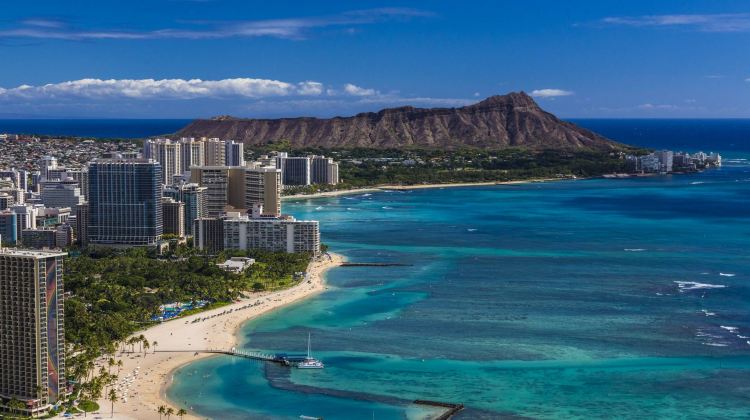
Waikiki is a neighborhood built on a beach, and the two are hard to separate. The sand runs in a crescent along a reef-protected bay, which is why the water stays flat enough for a first surfing lesson, while the ocean past the break does not.


Waikiki Beach: What the Water Is Actually Like


Days here start early. Swimmers and paddlers are in the water before the strip wakes up, and by mid-morning the sand fills with a mix of visitors and Honolulu residents who treat the beach as their own. It is a working neighborhood beach rather than a resort lawn, which is most of its charm.


Surfing is the local sport and the learning curve is gentle. Sign up with the beach boys for a lesson if you have never stood on a board, and most first-timers are standing on the inside break before it ends. The reef keeps the swell manageable.


After dark, the neighborhood changes character. Hula shows, concerts, luaus and clubs run through the evening, and the audience is a mix of tourists and locals out for the night.


Two more stops on this side of the island are worth building into a morning. Diamond Head State Monument is the volcanic crater that closes the view to the east, and the walk to the rim is the standard sunrise plan. Hanauma Bay sits further along the same coast, a flooded crater with reef fish and calm water, and it is the south side's snorkeling spot when conditions allow.


Where to Sleep, and Why Waikiki Wins


For a first trip, base yourself in Waikiki. TheBus connects the neighborhood with Diamond Head, downtown Honolulu and Pearl Harbor, so the two big days do not need a rental. Restaurants, the beach and the nightlife sit within walking distance of almost any hotel in the district. If you would rather have the hotel and the island days on one booking, Honolulu vacation packages bundle both and take the room decision off your list.


An Oahu travel guide that talks you into the North Shore for the night is selling you quiet mornings and a car-dependent week. It can work for a second visit. It is the wrong base for a three-day first trip.


Two practical notes before you book a room. Most Hawaii hotels ask for a valid credit card at check-in for the deposit, even when the room is prepaid, so keep one on you. And if your flight leaves late on the last day, most hotels charge around $2 per bag for same-day luggage storage, with overnight storage generally not allowed.


Ala Moana sits a short ride west of Waikiki, with Ala Moana Beach Park on the water and the Ala Moana Center for shopping. On a rainy afternoon, it is the obvious fallback.

Pearl Harbor and the North Shore

These two days decide whether Oahu feels like a beach trip or an island trip. One sits west of downtown and takes a morning. The other is the far side of the island and takes a full day, so leave a lighter day between them.


Pearl Harbor: Order Matters


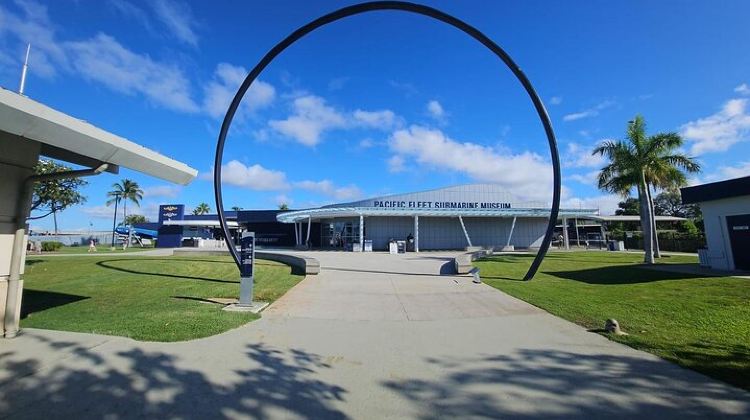
Pearl Harbor is the reason plenty of people travel to Honolulu in the first place, and it rewards going in with a sequence rather than a list. The order matters more than the hour you arrive. The harbor and the USS Arizona Memorial carry the weight, and three hours is about right for them. The four-day itineraries on this route allot the same, and it leaves the afternoon free.


Then head downtown. Iolani Palace, the King Kamehameha I Statue and the Hawaii State Capitol sit close enough to pair with the harbor on the same day: the palace, where Hawaiian royalty lived and which is now a National Historic Landmark, is a 15-minute stop and the statue about 30, rather than an afternoon each. The sensible order runs that way: the memorial while you are fresh, the city stops on the way back.


One booking detail worth checking before you pay for anything twice: on the four-day circle, Pearl Harbor entrance fees are included in the fare, so read the inclusions on whichever option you pick and skip the separate harbor ticket if it is already covered.


North Shore: Surf Season and the Long Way Around


The North Shore is a different island in spirit. Through autumn the surf on north-facing shores builds toward November, and by winter the north-easterly swells push very large waves onto breaks like Banzai Pipeline, Sunset Beach and Waimea Bay. Winter is also when whale-watching season begins off Oahu.


That calendar decides what you do when you get there. In winter you watch from the sand and keep the swimming for the south coast. In summer the same beaches go flat and swimmable, and the surf scene quiets down to lessons and longboards.


The island of Oahu is small enough to circle in a day and too large to walk, which is why the loop exists. You leave Waikiki, cross the mountains that split the island, and the coast changes character twice before you reach the surf. Halona Blow Hole on the southeast shore and Nu'uanu Pali Lookout above the coast are the two stops most loops build in, and both are short: a blowhole that spouts when the swell is running, and a lookout over the coastal plain where the trade wind keeps the air cool.


That coast is worth a slower pass than the day tour allows. Kaneohe Bay, where kayaks, canoes, and stand-up paddle boards come out, is not on the standard half-day loop, and neither is Kailua. Both are why a car or a longer tour earns its cost.

How Many Days, and Which Season

Three, four, or five: the number changes what you can reach, not how much you enjoy it. Most Honolulu travel guides stop at the number of days. The useful part is what each one actually buys, and the season answers a similar question.


Three Days: Beach, Memorial and One Loop


Three days cover the essentials. One day for Waikiki and Diamond Head, one for Pearl Harbor and downtown, one for the island loop that takes in Halona Blow Hole, the Pali lookout, and the coast on the far side. You will not see the North Shore, and you will not feel rushed.


Four Days: The Middle That Rarely Pays


A fourth day sounds like it should solve the North Shore problem, and it rarely does. The surf coast sits on the opposite side of the island, so a day there is mostly the day. One extra morning either stretches the loop thinner or leaves you filling time at Ala Moana. When the North Shore is the reason for the trip, go to five rather than squeeze it into four.


Five Days: Surf Coast and a Cultural Evening


Five days is where Oahu stops being a city break. You get the loop, the memorial and the North Shore, plus a full day for the Polynesian Cultural Center, which runs about nine and a half hours and includes dinner. That is a long day with a late finish, so keep it away from an early flight the next morning.


The five-day small-group route also caps the group at 14 travelers, which matters more than it sounds on a day that long. Fewer people means a faster day and a guide who learns names.


When to Go: Two Comfortable Windows


Honolulu is warm all year, so the season mostly decides crowds and rain. Planning Oahu, Hawaii travel around the surf season is the other call you make, and it splits the year differently from the weather. April to early June and September to mid-December are the two comfortable windows, with pleasant days, less humidity, and thinner crowds than summer or the holidays.


Summer runs hot and dry, with highs of 84 to 86°F and the least rain of the year; it is also peak season, so book ahead. Winter is mild by mainland standards, highs of 77 to 79°F with nights around 64 to 68°F, and the wetter season runs from October through March.


Those two windows also tend to bring better hotel rates, which is reason enough to book them early.

Car or Tour: Getting Around Oahu

This decision sets your budget and your patience, and both answers work. The usual advice is to skip the rental unless you leave the city, and that holds up for a three-day trip.


No Car Needed on the South Shore


TheBus covers the ground a short trip needs. Add your feet for the neighborhood and a rideshare for the airport run, and the south shore works without a parking problem. For a beach, memorial and downtown trip, a rental is an expense with no payoff.


Driving in Honolulu also means driving in a city, with the traffic and the garage fees that come with it. Few people picture that when they book a Hawaii flight.


When a Rental Car Pays Off


A car earns its cost the moment you leave the south shore. The North Shore, Hanauma Bay and Kailua are the places people rent for, and they are also the places where a bus schedule stops being a plan. If your list has the surf coast on it and you like setting your own pace, rent.


The trade is honest: a car buys you stops the group tours skip, and it costs you a driver who cannot look at the coast. If nobody in your group wants that job, hand it over. A Honolulu tour that covers the loop and the memorial removes both the parking and the navigation, and you spend the day looking out the window instead of at the road.


There is a third option worth knowing about. You can keep Waikiki as your base, take the bus for the city days, and rent a car for a single day in the middle of the trip. That splits the difference, and it works if one long drive is all you want.

Putting the Trip Together

Strip the planning down and Oahu comes to a short list of decisions, each with a clear answer.


Base in Waikiki unless you have been before. Give Pearl Harbor a morning and put downtown on the way back, because the harbor is the part you came for and the palace, the statue and the capitol are stops rather than afternoons. Save one full day for the island loop, and take the coast road around the outside rather than the shortest line across the middle.


Then decide about the North Shore. If you are traveling between November and February and want to see big-wave surfing, keep it and drop something else, because the surf is the seasonal event and the beach is not going anywhere. In summer, if your group would rather not spend a day in a car, drop the North Shore and put the time into Hanauma Bay and a slow morning at Waikiki. Both versions are good trips.


Book the room early, decide on the car before you land, and leave one afternoon unplanned. Honolulu works better when you have room to stay at the beach an extra hour.

FAQ

Do I need a car in Honolulu?

Not if you stay in Waikiki and stick to Diamond Head, downtown and Pearl Harbor, since TheBus links all three. Rent for the North Shore, Hanauma Bay or Kailua, where the stops sit far apart.

How many days should I give Oahu?

Three for the beach, the memorial and the island loop. Five if the North Shore and the Polynesian Cultural Center are both on your list, because each takes a full day.

Is winter a bad time to visit Honolulu?

No. Oahu Hawaii travel in winter means daytime highs of 77 to 79°F and rain that arrives in showers rather than whole days. Winter is also the window for big-wave surfing on the North Shore, and whale-watching season begins then.

Can I do Pearl Harbor and the North Shore in one day?

Not comfortably. The harbor plus the downtown stops fill a morning and early afternoon, and the surf coast is on the far side of the island. Give each one its own day.

Where should I stay on Oahu?

Waikiki on a first trip, because the beach, the restaurants and the bus routes are all in one place. The North Shore suits a second visit, when quiet matters more than convenience.