CuscoPeruSouth AmericaThings to DoTravel TipsExcursionsVacations
Mostrar todo

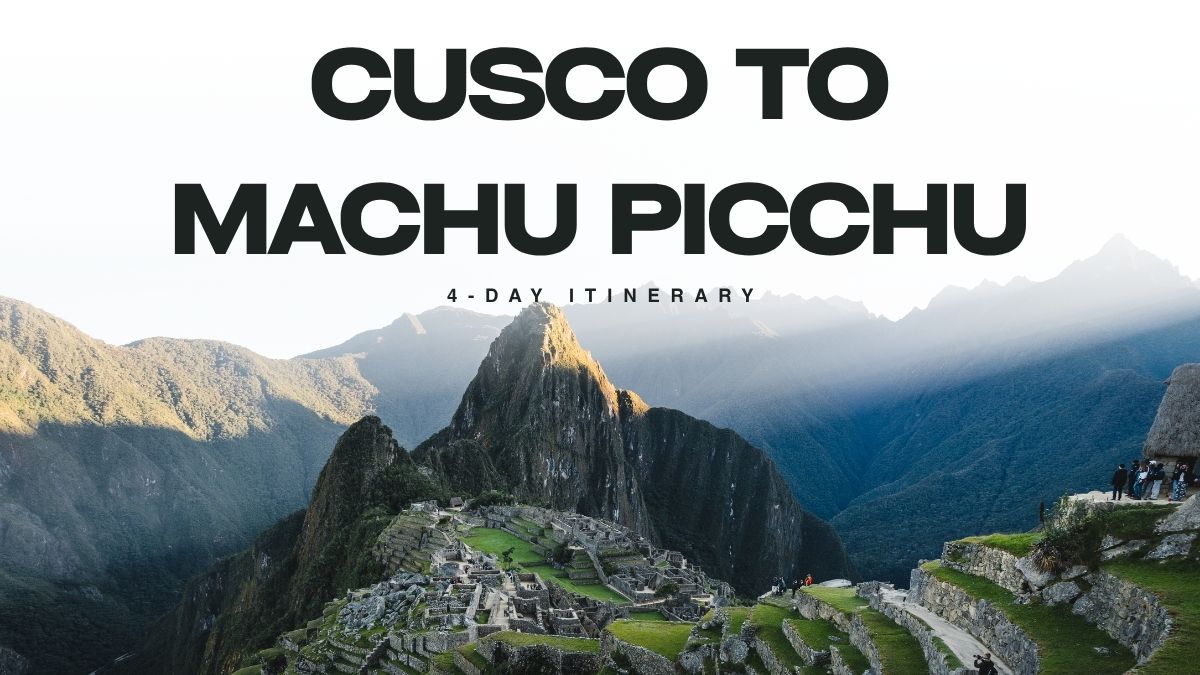
Cusco to Machu Picchu: 4-Day Itinerary, Train and Trail

cover

Cusco to Machu Picchu is a route with three real answers, and the one you choose decides how the four days fill up. You can ride the train from Ollantaytambo, you can walk along the Inca Trail from the Urubamba Valley, or you can string road and rail together and let someone else handle the connections. All three finish at the same gate, after a night in Cusco to let your body catch up.


The four-day shape is not a marketing invention. Day one exists because of altitude. Day two holds the Inca and colonial core of Cusco plus the ruins on the hills above it, which makes for a gentle walking day. Day three is the citadel, and it swallows the whole day once you count the road transfer, the train, and the bus. Day four is a transfer and a flight out. Move one piece and the trip still works, just worse.


What makes the four days work is the spacing rather than the route. A slow first day buys you a clear head for the ruins; the citadel lands on day three, so you are not climbing off a train and onto a plane; and the last morning is a transfer and nothing more. Take a day out, and the arrival day- the one that protects you from the altitude- goes first.

How to Get From Cusco to Machu Picchu

How to get from Cusco to Machu Picchu comes down to three routes that funnel into the same valley and end at the same 25-minute bus ride, so the real choice is how much of the Urubamba you want to see at walking pace.


The Cusco to Machu Picchu distance is about 80 kilometers northwest of the city. That sounds like a morning's drive, and it isn't. The map is misleading. There is no road to the citadel, the train stops short of it, and the last climb is a bus. That is why a trip of 80 kilometers eats a full day.


Cusco to Machu Picchu Train


Most travelers don't board a train in the middle of Cusco. The usual pattern is a road transfer to Ollantaytambo, down in the Sacred Valley, then a train that runs about ninety minutes to Aguas Calientes, then a bus that climbs the final 25 minutes to the citadel. Trains do leave from Cusco as well, and that ride takes anywhere from one and a half to three and a half hours, so check which station your ticket names before you pick a hotel.


Two details catch people. Hand luggage is capped at 8 kg, or 17.6 lb, and 62 linear inches, which means the large suitcase stays in Cusco and meets you back at the hotel. Seats are assigned after the ticket is issued, so a group that wants to sit together should raise it at booking rather than at the platform.

machu picchu


Walking the Inca Trail Instead


The trail starts in the Urubamba Valley and winds through jungle and hilly ground, past ruins and tunnels that hardly anyone visits, before it reaches the Sun Gate above the citadel. That is the argument for walking: you come over the last ridge on foot instead of stepping off a bus.


The timing is stiffer than the train's. Sections of the route can close or turn slippery in the wet months, and February is when maintenance closures tend to land. June through August is the window most people aim for. Book the walk through an operator rather than piecing it together yourself, and keep your passport details consistent, because the citadel ticket is issued against them.


Bus, Train, or Both


Road and rail mix as well: a bus to Aguas Calientes follows the same valley from a different angle, for travelers who would rather stay on the road. Either way, the town is the hinge, with a craft market, restaurants, and beds under the citadel, and the last climb to the gate is a bus from there.

4-Day Machu Picchu Itinerary

Four days is the shortest version of this trip that still leaves room to breathe. This is the one that sleeps in Cusco each night; if you are walking, the same four days shift and the city morning goes.


Day 1: Arrival, and Not Much Else


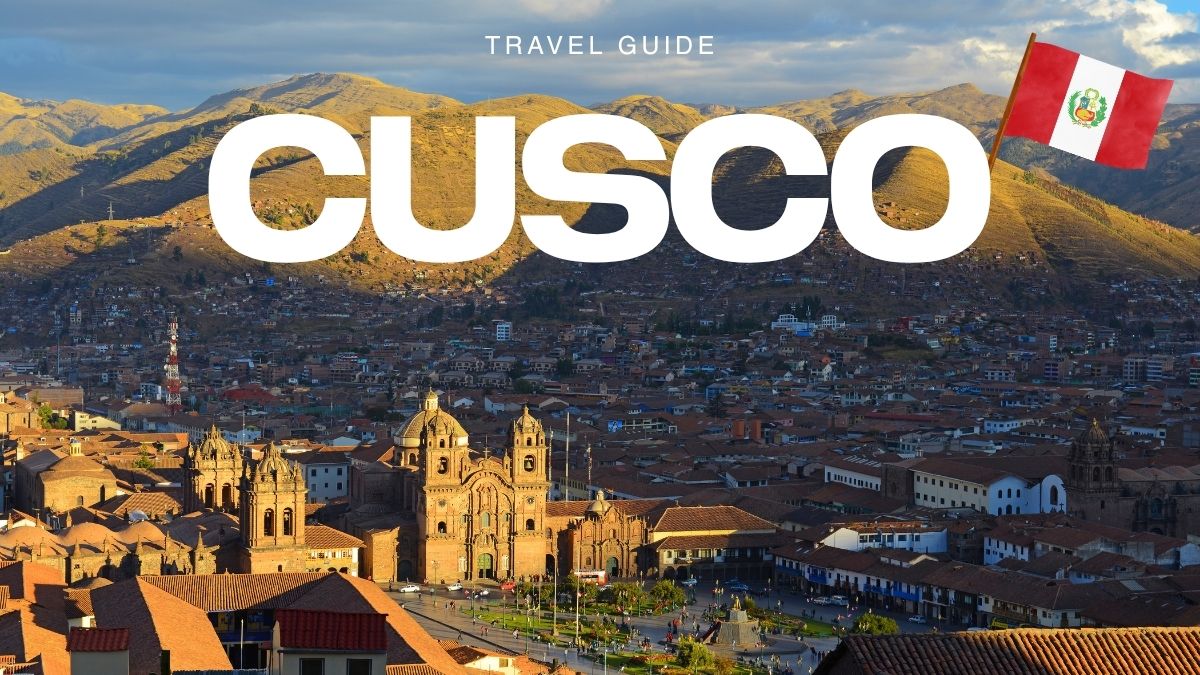
You land at Alejandro Velasco Astete International Airport in Cusco, a city at 3,399 meters, and the honest plan for the rest of the day is a bed and a bottle of water. Hotel rooms in Cusco often are not ready until the afternoon, since check-in tends to run between 1 and 3 pm, so an early flight buys you a luggage store rather than a shower.


If you arrange your own transfer, authorized airport taxis charge around $3 to $5 for the 10 to 15 minute ride into the center, and ride-hailing apps do not operate there. However you get in, keep the first evening small: no alcohol, light food, coca tea if you want it. The temptation is to walk the plaza at sunset. Give it an hour, not four.

cusco


Day 2: Cusco and the Ruins Above It


This is the day the altitude earns its keep, because it is mostly standing and short walks rather than climbing. A shared Cusco tour usually starts at Coricancha, the Santo Domingo Convent built over the Inca sun temple, then moves to the Cathedral Basilica of the Virgin of the Assumption in the main square.


Then the bus climbs out of the city to Sacsayhuamán, the fortress on the hill, and carries on through Qenqo, Puca Pucara, and Tambomachay, known as the Inca spa. Those four sites run on one ticket, the partial Cusco Tourist Ticket at 152 PEN, and it is personal and non-transferable, so keep it on you and validate it at each gate.


A shared tour earns its money on day two for a reason that has little to do with history. Somebody else handles the driving and the ticket checks while you spend your energy on the altitude, and the morning starts gently rather than with you behind a wheel.


Day 3: Machu Picchu


The morning starts with a shared transfer to Ollantaytambo and a pickup window of up to 30 minutes, the one appointment of the week you should not treat loosely. Train to Aguas Calientes, bus up for 25 minutes, and then the citadel itself. As of November 2026, first entry requires a guide, and the guided walk runs about two and a half hours, so this is not a site you wander at your own speed from the gate.


Two things follow from that. The circuit you get, Circuit 2 or Circuit 3, is assigned by availability rather than chosen in advance. And if the climb to Machu Picchu Mountain is the point of the day for you, you have half an hour from your entry time to reach the trailhead. That is why the entry slot, not the train, sets the day.


The afternoon runs in reverse: bus down, a set lunch at Café Inkaterra looking over the Vilcanota River, train back to Ollantaytambo, transfer to the hotel.

machu picchu


Day 4: The Flight Out


Day four is a transfer to the airport and nothing else, so the flight time matters more than it looks. A morning departure leaves room for a pickup that runs late; an afternoon flight leaves you in a lobby with your bags. If you are booking your own domestic flights, take the early one.

4-Day The Charm of Cusco Tour

4-Day The Charm of Cusco Tour: Machu Picchu, Aguas Calientes, and Sacsayhuamán | Round Trip Train to Machu Picchu
Guaranteed Departure
Daily Departure
4.8( 63 reseñas )
Código del tour: 711774
Ciudad de inicio / Ciudad de fin
Cusco
Duración
4 Days
Ciudad y atracciones
Cusco, Machu Picchu, Sacsayhuaman
Idiomas
English Live, Spanish Live
Tamaño del grupo
Máx. 16 viajeros
Audiencia del tour
Mixed International Travelers
Operador
Lima Tours
Ahorrar 15%
De$739.45
$628.53


Day Trip From Cusco to Machu Picchu

Is a day trip from Cusco to Machu Picchu realistic, or should you sleep in Aguas Calientes the night before instead? Fitting both directions into one day leaves no margin.


The arithmetic explains why. Add the road transfer to Ollantaytambo, ninety minutes of train each way, two 25-minute bus rides, and a guided visit of about two and a half hours. Every one of those pieces is pinned to an entry slot that is fixed by availability, so a late train or a long bus queue eats the visit rather than the evening.


That is the argument against doing it on your second morning, straight after a flight and a short night. Keep the citadel for day three, once your body has had a day at altitude, and write off the evening that follows. If you would rather not race the clock at all, sleep in Aguas Calientes the night before and let the morning bus be a short ride instead of the last leg of a long one.

Altitude: What the First Two Days Are Actually For

Two numbers explain the shape of this trip. Cusco sits at 3,399 meters, and the citadel sits at 2,430 meters. The hard part is the 3,399 meters you land at, not the 2,430 meters you visit.


The advice is plain and mostly about restraint. Rest on arrival, drink more water than feels necessary, keep the meals light and the alcohol at zero for the first night. Coca tea is what everyone reaches for. Many travelers also take acetazolamide starting 24 hours before the ascent, with a doctor's agreement rather than a forum thread.


Then let the days do the work. Day one is empty on purpose. Day two is short walks and a bus between ruins. By day three you drop almost a thousand meters into the cloud forest, and the citadel feels easy because of it. A trek is the exception: you want the valley behind you before you start walking hard.

Tips for Traveling from Cusco to Machu Picchu

The order reverses what most people assume. The chain starts with citadel entry, because the ticket carries your full name, date of birth, nationality and passport number, and it has to match the passport you travel on. It is also non-refundable once bought, and capacity is limited enough that reserving three to four weeks ahead is the safe habit.


Train seats come next, since the departure you can get decides when you reach Aguas Calientes, and hotels trail behind. Which of the three is easiest to change later? The room, by a wide margin, which is why it belongs at the end of the list. Walkers have one more link in the chain: the trek operator and the citadel entry have to agree on dates before either one is locked.


Two smaller items finish the list. The partial Cusco Tourist Ticket already covers the city ruins, while the full pass at $70 adds Sacred Valley sites. Domestic flights come last, booked once the trip is confirmed, with flight details sent to the operator a week before arrival so the airport transfer can be arranged.


If you are weighing Cusco vacation packages against building the trip yourself, compare entry tickets, train service and transfers line by line, since those are what separate one quote from another.

Best Time to Travel from Cusco to Machu Picchu

The year here runs on two seasons, wet and dry, with a shoulder on each side. A Peru tour in the dry months fills earliest, so the calendar decides how early you book as much as the crowds do.

machu picchu


June Through August


This is the dry season and the busiest stretch of it. Cusco days run 18°C to 20°C, the citadel runs 20°C to 25°C, and July nights fall to 0°C to 2°C at higher altitude. Clear skies, cold mornings, the best footing on the Inca Trail, and the strongest case for booking beds and entry slots months ahead.


December Through February


The wet season brings afternoon showers that can be heavy, with Cusco days at 17°C to 18°C and nights at 6°C to 7°C. Some trail sections close or turn slippery, and February is the month when maintenance closures tend to land. Sites are quieter, and that is the trade.


March Through May


The rain eases, daytime highs climb from around 18°C in March into the low 20s by May, and nights stay cold. March still throws the occasional afternoon shower. Fewer people than at mid-year, and the terraces at their greenest.


September Through November


Early September behaves like the dry season, then October and November bring more rain and thinner crowds. Days sit at 18°C to 20°C. If you want the shoulder without the mud, aim at the front half of this window rather than the back.

Conclusion

Four days covers the route, not the region. Two decisions decide the version you book: train or trail, and whether the night before the citadel happens in Cusco or in Aguas Calientes.


Take the train if the citadel is the point, and take the trail if the walking is. The trail gives up the city day and wants a night in Cusco first, so add a day at the front rather than squeezing both into the same window.


Then pick where you sleep before the citadel. A bed in Aguas Calientes turns the morning into a short bus ride at the cost of an evening in Cusco. Keep the Cusco nights if the city is half the reason you came, and drop one for the town under the citadel if the morning is what matters.

FAQ

Do you need a guide inside Machu Picchu?

Yes, the first entry is guided and the circuit comes with the ticket.

Can you see Machu Picchu from Cusco and be back the same night?

Yes, with an early start and no margin. Two train rides, two bus rides and a fixed entry slot fill the day, and a delay shortens the visit rather than the journey home.

Which months make the four days hardest?

December through February, when afternoon rain is common and February brings maintenance closures on trail sections. June through August is easier weather and heavier demand.

How far ahead should you reserve?

Three to four weeks for the citadel at a minimum, and earlier for the dry months. Rail seats and rooms follow once that entry slot is confirmed.

Resumen

How to Get From Cusco to Machu Picchu

4-Day Machu Picchu Itinerary

Day Trip From Cusco to Machu Picchu

Altitude: What the First Two Days Are Actually For

Tips for Traveling from Cusco to Machu Picchu

Best Time to Travel from Cusco to Machu Picchu

Conclusion

FAQ

America's 250th Anniversary Mega Sale

image