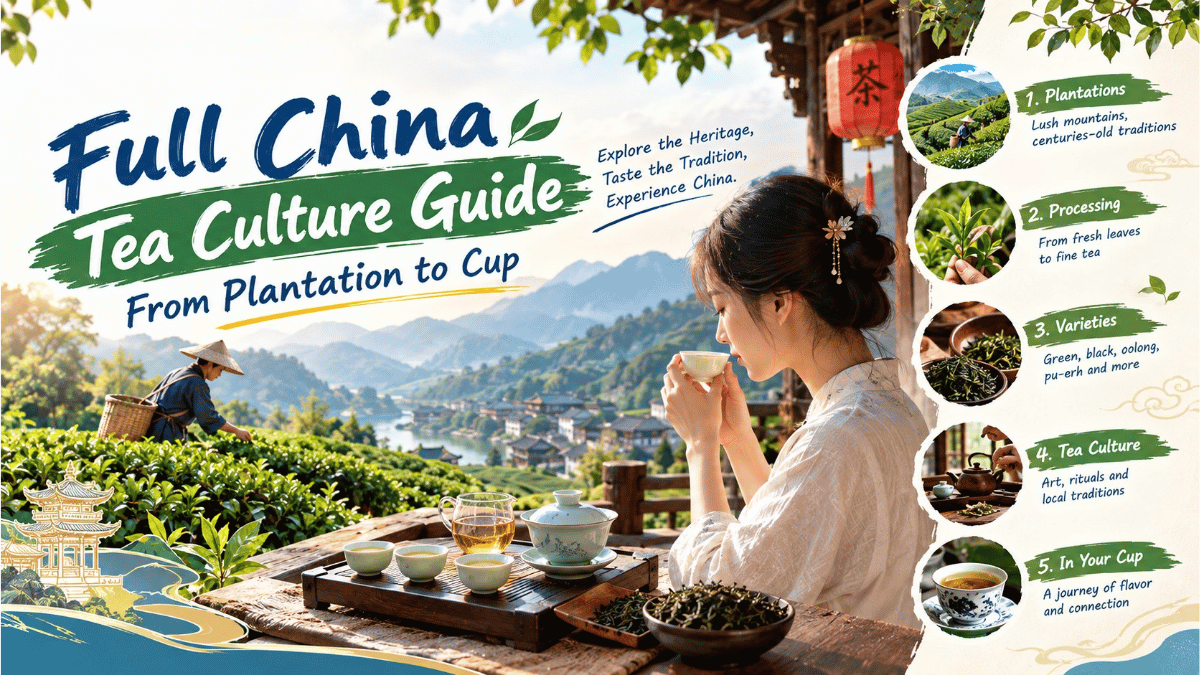
Tea culture in China represents one of the world's oldest and most sophisticated beverage traditions, spanning over 4,000 years of history, philosophy, and artistry. From the misty mountains where tea plants first grew wild to the elaborate ceremonies that honor each leaf's journey, Chinese tea culture embodies the Chinese values of harmony, respect, and mindfulness. This comprehensive guide takes you through every aspect of Chinese teas, from ancient origins to modern tea houses, revealing why this beverage remains central to Chinese social life and spiritual practice.
Whether you're planning to visit tea plantations, participate in traditional ceremonies, or simply understand the varieties of Chinese tea from China that grace tables worldwide, this guide provides the knowledge to appreciate tea as the Chinese do - as both daily refreshment and profound cultural expression.
Health Benefits of Chinese Tea
Antioxidant Properties
Chinese teas contain powerful antioxidants, particularly catechins in green tea and theaflavins in black tea. These compounds combat free radicals, potentially reducing cancer risk and slowing aging. Green tea's EGCG (epigallocatechin gallate) receives extensive research attention for health-promoting properties. Regular consumption correlates with improved cellular health and reduced inflammation.
Cardiovascular Support
Studies suggest Chinese green tea drink consumption supports heart health by lowering LDL cholesterol, reducing blood pressure, and improving arterial function. Polyphenols prevent plaque buildup while flavonoids strengthen blood vessels. Populations with regular tea consumption show reduced cardiovascular disease rates. However, benefits require consistent consumption as part of a healthy lifestyle.
Mental Alertness and Calm
Tea's unique combination of caffeine and L-theanine provides an alert yet calm mental state. Unlike coffee's jittery stimulation, tea promotes focused attention without anxiety. L-theanine increases alpha brain waves associated with relaxed alertness. This balanced stimulation makes tea ideal for meditation, study, or creative work. Buddhist monks historically used tea to maintain wakefulness during long meditation sessions.
Digestive and Metabolic Benefits
Pu-erh and other fermented teas aid digestion and may support weight management. Microbial fermentation creates compounds that help metabolize fats and regulate gut bacteria. Traditional Chinese medicine prescribes pu-erh after heavy meals for this reason. Green tea's catechins may boost metabolism slightly, though effects remain modest. Tea's diuretic properties help reduce water retention.How to Experience Authentic Tea Culture
Visiting Tea Plantations
Tea plantation visits provide insight into cultivation and processing. Hangzhou's Longjing villages offer spring picking experiences. Fujian's Wuyi Mountains showcase rock tea production. Yunnan's ancient tree forests reveal tea's origins. Many plantations welcome visitors for tours, tastings, and purchasing. Spring season (March-May) provides the most active experience, though autumn offers pleasant weather and harvest activities.
Participating in Tea Ceremonies
Tea ceremony participation deepens cultural understanding. Many cities offer ceremony classes for visitors, teaching proper technique and philosophy. Tea houses in Beijing, Shanghai, and Chengdu provide authentic experiences. Some temples conduct tea ceremonies as meditation practice. Learning proper etiquette - receiving cups, appreciating aroma, sipping technique - shows respect for tradition and enhances enjoyment.
Shopping for Authentic Tea
Purchasing quality Chinese teas requires knowledge. Specialized tea shops (cha ye dian) offer expertise and proper storage. Markets like Beijing's Maliandao Tea City provide variety but require discernment. Plantation purchases ensure freshness and support producers directly. Look for proper packaging, harvest dates, and origin information. Avoid suspiciously cheap famous teas - authentic Longjing or Da Hong Pao commands premium prices.
Bringing Tea Home
Transporting tea requires care. Vacuum-sealed packages preserve freshness best. Green teas deteriorate quickly; consume within months. Oolongs and black teas keep longer. Pu-erh improves with age if stored properly. Avoid heat, light, moisture, and strong odors. Most travelers bring tea as gifts, sharing Chinese tea from China with friends and family. Proper storage ensures recipients experience the intended flavors.Final Thoughts
Tea culture in China represents far more than beverage preparation - it embodies philosophy, artistry, social connection, and cultural continuity spanning millennia. From ancient tea trees in Yunnan's mountains to modern tea houses in Beijing's hutongs, Chinese teas connect past and present, rural and urban, simple and sophisticated. Each cup contains the wisdom of generations who perfected cultivation, processing, and appreciation.
Whether you experience tea through formal ceremony, casual conversation in a tea house, or quiet contemplation with a perfect Longjing, you participate in a living tradition. The mindfulness required to appreciate tea's subtle flavors, the respect shown through proper etiquette, the harmony created when sharing tea with others - these elements transform simple drinking into cultural practice. Understanding tea culture enriches any visit to China, revealing depths beneath the surface of daily life.
FAQ
What is the difference between Chinese and Japanese tea culture?
Chinese tea culture emphasizes variety, conversation, and multiple infusions, while Japanese culture focuses on single tea types (mainly green), formal ceremony (chanoyu), and single preparations. Chinese ceremonies allow flexibility and social interaction, whereas the Japanese tea ceremony follows precise choreography with spiritual overtones. China produces all tea types; Japan specializes mainly in green tea. Both traditions value mindfulness and respect, but express these values differently.What is the best Chinese green tea drink for beginners?
Longjing (Dragon Well) suits beginners with its approachable chestnut flavor and smooth character. Biluochun offers floral sweetness that appeals to new drinkers. Anji Baicha provides delicate umami without bitterness. Start with lower-temperature water (75-80C/167-176F) and shorter steeping times to prevent bitterness. These teas introduce green tea's fresh character without overwhelming complexity.How much does authentic Chinese tea cost?
Prices vary dramatically by quality and rarity. Everyday drinking tea costs 50-200 yuan per 100g. Mid-range famous teas like Longjing or Tie Guan Yin run 300-800 yuan per 100g. Premium grades reach 1,000-3,000 yuan per 100g. Ultra-rare teas like authentic Wu Yi Da Hong Pao or pre-Qingming Longjing exceed 10,000 yuan per 100g. Tourist areas often overcharge; specialized shops and direct plantation purchases offer better value.What should I know about tea etiquette in China?
Key etiquette points: receive tea with both hands, or fingers tapped on table in gratitude. Never drink immediately - appreciate the aroma first. Allow the host to serve; don't pour your own tea in formal settings. Leave some liquid when finished to signal you'd like more (an empty cup means you're done). Avoid blowing on hot tea; let it cool naturally. These gestures show respect for tea culture and the host's effort.How do I store Chinese tea properly at home?
Storage depends on tea type. Green and yellow teas require refrigeration in airtight containers and are best consumed within 6-12 months. Oolongs and black teas keep at cool room temperature in sealed containers for 1-2 years. Pu-erh needs airflow and stable conditions; store in paper or clay containers, not plastic. All teas require protection from light, heat, moisture, and strong odors. Proper storage preserves intended flavors and prevents deterioration.