China Asia Places to Go Food & Drink

The Best Hidden Food Alleys of China: Foodie Guide

cover

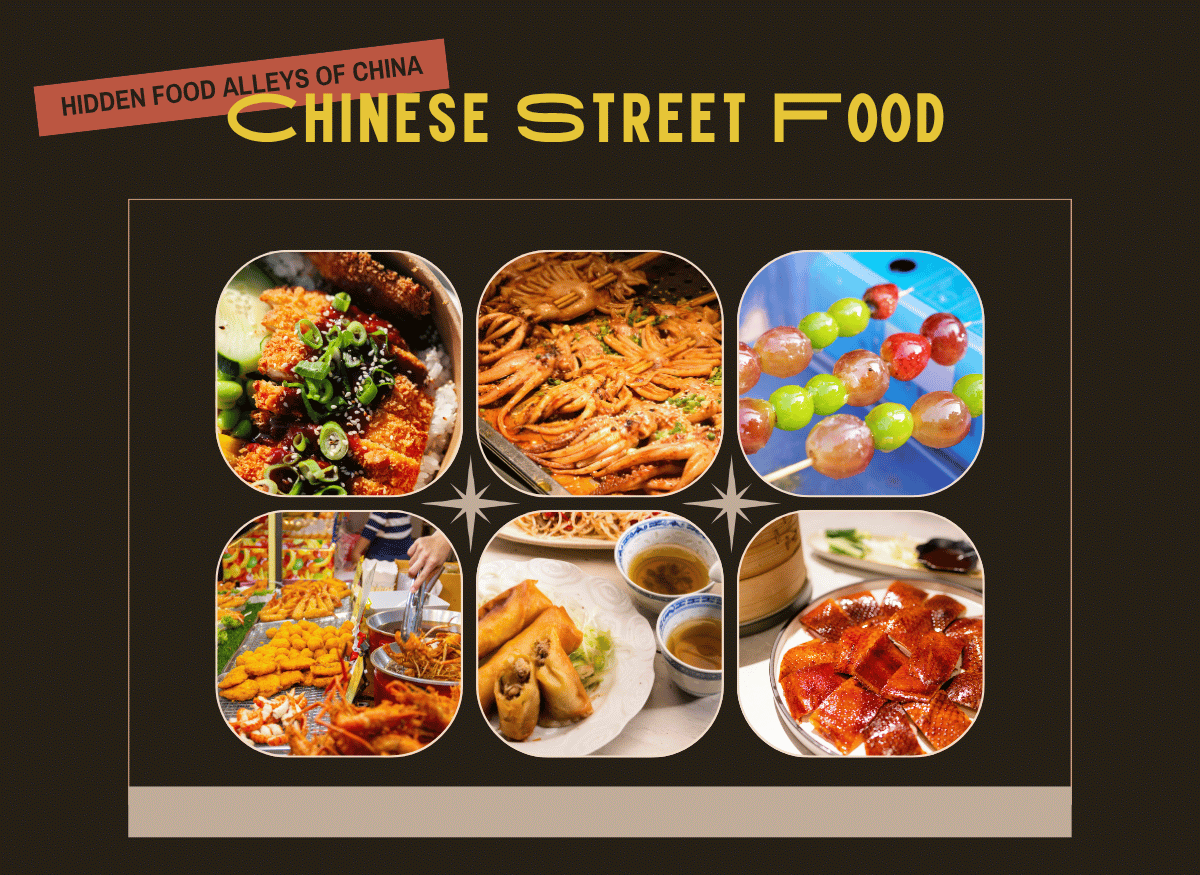
China has more regional food diversity than most countries have in total. Eight major culinary traditions span from the numbing spice of Sichuan to the delicate dim sum of Guangdong, and the real magic happens in the food alleys where locals actually eat. These narrow lanes and evening markets serve dishes that have been perfected over generations, often by families who have worked the same spot for decades.

Street food in China is not just about convenience. It is a window into regional culture, history, and daily life. The popular food in China varies dramatically from city to city, and the best way to taste that diversity is to find the alleys where vendors set up their woks and steamers each evening. This guide covers hidden food alleys across China where you will find authentic Chinese street food that most tourists never encounter.

Why Try China's Food Alleys

Restaurant dining in China can be expensive and formal. Food alleys offer the opposite: quick, cheap, and intensely local. Vendors in these lanes often specialize in a single dish, which means they have had years to perfect it. The lamb skewers in Xi'an, the dumplings in Shanghai, the noodle soups in Lanzhou, each represents a tradition that stretches back generations.

For travelers, food alleys also solve the language barrier problem unexpectedly. Food is universal, and pointing at what looks good works perfectly in these settings. Many vendors have worked the same spot for so long that they recognize regulars and remember preferences. If you are planning a trip focused on culinary experiences, China tours with food-focused itineraries can connect you with the best spots while handling the logistics of moving between cities.

Top 10 10 Hidden Food Alleys of China

Food Alley City Must-Try Dish Best Time
Niujie (Ox Street) Beijing Muslim beef pastries Evening
Chenghuangmiao Snack Street Shanghai Xiaolongbao, crab roe pastries Afternoon/Evening
Sajin Bridge  Xi'an Mutton paomo, roujiamo Morning/Evening
Jianshe Road Chengdu Mapo tofu, chuan chuan Evening
Tongxin Road Guangzhou Dim sum, rice noodle rolls Morning
Hubu Alley Wuhan Hot dry noodles (re gan mian) Breakfast
Zhengning Road Night Market Lanzhou Lanzhou beef noodles Evening
Daowai Old Street Harbin Guo bao rou (fried pork) Evening
Eighth Market (Ba Shi) Xiamen Satay noodles, oyster omelette Morning
Nanqiang Street Kunming Crossing-bridge noodles Evening

Niujie (Ox Street), Beijing

Niujie has served as Beijing's Muslim quarter for over a thousand years, dating back to the Liao Dynasty. The street and surrounding alleys contain the city's highest concentration of halal food vendors, and the Chinese street food here differs dramatically from the rest of Beijing.

What makes Niujie special is the blend of Hui Muslim culinary traditions with northern Chinese cooking. The beef pastries (niurou bing) here are legendary, with flaky layers wrapped around seasoned beef. Vendors also serve lamb skewers, hand-pulled noodles, and sweet treats like aiwo (sticky rice cakes filled with red bean). The street gets busiest in the evening when locals line up for dinner.

Must-Try Dishes

 
  • Hongji Snacks: famous for niurou bing (beef pastries) since 1988
  • Baiji Niangao: traditional sticky rice cakes with sweet fillings
  • Lamb skewers grilled over charcoal right on the sidewalk
  • Fresh flatbread (shaobing) made to order with various fillings
beijing hot pot
Located in Xicheng District, reachable by subway (Line 7, Guangmenmennei station). The street runs about 600 meters and is walkable end to end. Evening visits (5-8 PM) offer the most atmosphere and food options. Cash is still preferred at many small stalls, though mobile payment is increasingly accepted.

Chenghuangmiao Snack Street, Shanghai

Chenghuangmiao (City God Temple) area in Shanghai has served as the city's culinary heart for over a century. The snack streets surrounding the temple represent the most concentrated collection of traditional Shanghai street food, where locals and visitors alike come for the city's most iconic dishes.

The Chenghuangmiao area showcases Shanghai's signature flavors: sweet, delicate, and focused on technique. Xiaolongbao (soup dumplings) from the famous Nanxiang Steamed Bun Restaurant originated here, and the area remains the best place to taste the authentic version. Beyond dumplings, the streets serve crab roe pastries, sweet glutinous rice cakes, and the kind of refined street food that distinguishes Shanghai cuisine from other regions. The nearby Yu Garden adds classical Chinese landscaping to the experience.

Must-Try Dishes

 
  • Nanxiang Steamed Bun Restaurant: xiaolongbao since 1900, the Shanghai original
  • Crab roe pastries (xie huang su): flaky pastry filled with crab roe and pork
  • Five-spice pork trotters: slow-braised until tender, a Shanghai cold cut specialty
  • Sweet taro cakes and glutinous rice balls with osmanthus syrup
shanghai food
Located in Old City Shanghai, reachable by subway Line 10 to Yuyuan Garden station. The area is busiest on weekends and holidays. Afternoon visits (2-5 PM) offer shorter lines than the evening peak. The nearby Yu Garden and Bund provide easy combination activities. Most vendors accept mobile payment; some accept cash. English menus are available at larger establishments.

Sajin Bridge, Xi'an

While tourists flock to the main Muslim Quarter on Beiyuanmen, locals head to Sajin Bridge, a few blocks to the north. This area has served as Xi'an's Muslim food center for centuries, and the Chinese street food in China's ancient capital reaches its peak here.

Sajin Bridge offers the same Hui Muslim cuisine as the main Muslim Quarter but with less tourist markup and more authentic preparation. The mutton paomo (bread soaked in lamb soup) here represents one of Xi'an's signature dishes, and vendors have perfected the balance of rich broth, tender meat, and hand-torn bread. Morning visits reveal breakfast specialties like roujiamo (Chinese hamburger) and various noodle dishes that disappear by midday.

Must-Try Dishes

 
  • Mutton paomo: you tear the bread yourself, then the vendor adds it to rich lamb soup
  • Roujiamo: Xi'an-style Chinese hamburger with spiced meat in flatbread
  • Liangpi: cold noodle sheets with chili oil and vinegar, perfect for summer
  • Persimmon doughnuts (shizi bing): sweet fried treats made from persimmon paste
xian food
Located north of the Bell Tower, about a 15-minute walk from the main Muslim Quarter. Reachable by subway (Line 2, Zhonglou station, then walk north). Morning visits (7-10 AM) offer breakfast specialties; evening visits (5-8 PM) bring out the full range. The area is less crowded than the main Muslim Quarter, and prices are lower.

Jianshe Road, Chengdu

Chengdu has earned UNESCO recognition as a City of Gastronomy, and Jianshe Road represents where that reputation is earned on the ground. This street in central Chengdu packs an incredible density of Sichuan food stalls, and the popular food in China's spice capital reaches its most authentic expression here.

Sichuan cuisine is famous for its mala (numbing-spicy) flavor profile, created by the combination of Sichuan peppercorns and chili peppers. Jianshe Road showcases this tradition in everything from chuan chuan (skewers cooked in spicy broth) to mapo tofu that actually numbs your tongue. The street also serves as a testing ground for new food trends, so you will find both traditional dishes and modern fusion alongside each other.

Must-Try Dishes

 
  • Chuan chuan xiang: skewers of meat and vegetables cooked in spicy broth
  • Mapo tofu: the Chengdu original, far spicier than restaurant versions elsewhere
  • Dan dan noodles: thin noodles in spicy sesame sauce with minced pork
  • Zhong dumplings (zhong shui jiao): small dumplings in chili oil sauce
chengdu food
Located in Chengdu's Wuhou District, reachable by taxi or subway. The street is most active in the evening (6-10 PM). Sichuan food is genuinely spicy, so if you have low heat tolerance, ask for wei la (mild spicy). Many stalls provide tea to help cool your palate. Cash and mobile payment both work.

Tongxin Road, Guangzhou

Guangzhou (Canton) is the birthplace of dim sum, and Tongxin Road in the Liwan District serves as one of the city's best spots for morning tea and dumplings. The street food in China's southern gateway city follows Cantonese traditions that prioritize fresh ingredients and careful preparation.

Cantonese cuisine emphasizes the natural flavors of ingredients rather than heavy seasoning, and Tongxin Road reflects that philosophy. The dim sum here gets steamed fresh throughout the morning, and locals gather for zao cha (morning tea) that combines small dishes with conversation. The street also serves classic Cantonese street food like rice noodle rolls (cheung fun) and congee with various toppings.

Must-Try Dishes

 
  • Har gow: translucent shrimp dumplings, the king of dim sum
  • Cheung fun: rice noodle rolls with shrimp, beef, or vegetables
  • Char siu bao: fluffy steamed buns filled with barbecue pork
  • Congee (jook): slow-cooked rice porridge with fish, pork, or century egg
china food
Located in Liwan District, near Shamian Island. Reachable by subway (Line 1 or 6, Huangsha station). Morning visits (7-11 AM) offer the freshest dim sum and the most authentic atmosphere. Many establishments close by early afternoon. The nearby Shamian Island provides a pleasant walk before or after eating.

Hubu Alley, Wuhan

Wuhan has a breakfast culture that rivals any city in China, and Hubu Alley serves as its most famous expression. The alley earned its reputation through guo zao (passing the morning), a local tradition of eating breakfast on the go while walking through the narrow lane.

The alley stretches about 150 meters and contains over 200 food stalls, most opening before dawn. Hot dry noodles (re gan mian) represent Wuhan's signature breakfast dish, with alkaline noodles tossed in sesame paste, chili oil, and pickled vegetables. The alley also serves doupi (sticky rice and meat wrapped in egg skin), xianyu hu (rice wine), and various fried dough specialties. The energy of hundreds of people eating breakfast in a narrow alley creates an atmosphere you will not find anywhere else.

Must-Try Dishes

 
  • Hot dry noodles (re gan mian): Wuhan's signature breakfast, sesame paste noodles
  • Doupi: sticky rice and pork filling wrapped in crispy egg skin
  • Mianwo: fried dough rings, often eaten with soy milk
  • Xianyu hu: sweet fermented rice wine drink, served warm
noodles
Located in Wuchang District, near Hubu Road subway station (Line 5). The alley operates primarily from 6 AM to 2 PM, with peak activity between 7-9 AM. Afternoon visits miss most of the action. The alley gets extremely crowded during the breakfast rush, so arrive early or visit on weekdays. Cash is widely accepted.

Zhengning Road Night Market, Lanzhou

Lanzhou claims ownership of China's most famous noodle dish, and Zhengning Road Night Market proves that the city knows how to build on that reputation. The night market transforms this street into a sprawling food festival every evening, with hundreds of vendors serving everything from the famous beef noodles to grilled lamb and sweet treats.

Lanzhou beef noodles (Lanzhou la mian) follow strict standards: clear broth, white radish, red chili oil, green cilantro, and yellow noodles. The hand-pulling technique creates various noodle shapes and thicknesses based on customer preference. Beyond noodles, the night market serves Xinjiang-influenced lamb skewers, Hui Muslim pastries, and regional specialties from along the ancient Silk Road. The market also functions as a social gathering space where families spend entire evenings.

Must-Try Dishes

 
  • Lanzhou beef noodles: hand-pulled noodles in clear beef broth, a national treasure
  • Lamb skewers: Xinjiang-style with cumin and chili, grilled over charcoal
  • Sweet fermented grain wine (tian pei zi): a Lanzhou dessert specialty
  • Grilled fish: whole fish grilled with spicy Sichuan-style seasonings
lamb skewers
Located in Chengguan District, reachable by taxi or bus. The night market operates from about 6 PM to midnight, with peak activity between 8-10 PM. The nearby Yellow River provides a pleasant evening walk. Lanzhou sits at 1,500 meters elevation, so the climate is cooler than in eastern cities. Bring a jacket even in summer for evening visits.

Daowai Old Street, Harbin

Harbin sits in northeastern China, where winters drop below minus 30 degrees and the food reflects that harsh climate. Daowai Old Street preserves the architectural heritage of early 20th-century Harbin while serving the hearty, warming dishes that locals need to survive winter.

Northeastern Chinese cuisine (dongbei cai) emphasizes hearty portions, pickled vegetables, and warming flavors. Daowai Old Street specializes in dishes like guo bao rou (sweet and sour fried pork), the Harbin specialty that inspired the Korean tangsuyuk. The street also serves Russian-influenced dishes that reflect Harbin's history as a Russian railway city, including red sausage and Russian-style bread. Winter visits (December through February) offer the most atmospheric experience, with steam rising from food stalls in the freezing air.

Must-Try Dishes

 
  • Guo bao rou: double-fried pork slices in sweet and sour sauce, a Harbin original
  • Dongbei stew (dun cai): pickled cabbage, pork, and glass noodles in broth
  • Russian red sausage: smoked sausage with Russian seasoning influence
  • Frozen pears and persimmons: winter street snacks, eaten frozen solid
Located in Daowai District, reachable by taxi from central Harbin. The street operates year-round, but winter (December through February) offers the most distinctive atmosphere. Summer visits are more comfortable but miss the frozen food specialties. The nearby Saint Sophia Cathedral provides a scenic walk. Dress warmly in winter, as you will be eating outdoors.

Eighth Market (Ba Shi), Xiamen

Xiamen sits on China's southeast coast, and its food reflects both Fujian cuisine traditions and Southeast Asian influences from centuries of maritime trade. Eighth Market, despite its name, has moved locations several times but remains the city's most authentic wet market and food alley combination.

Fujian cuisine emphasizes seafood, light broths, and the umami-rich flavors of the coast. Eighth Market showcases this tradition with fresh oysters, fish balls, and the local specialty satay noodles (sha cha mian), which blend Chinese and Southeast Asian flavors. The market also serves tropical fruits, pickled vegetables, and the unique Xiamen snack called hai li mian (sea worm noodles), though that dish challenges even adventurous eaters. Morning visits reveal the wet market in full operation, while afternoon visits focus on prepared foods.

Must-Try Dishes

 
  • Satay noodles (sha cha mian): noodles in peanut-based satay broth with seafood
  • Oyster omelette (hai li jian): crispy omelette filled with fresh oysters
  • Fish ball soup: handmade fish balls in clear broth, a Fujian classic
  • Tropical fruits: mango, dragon fruit, and local specialties at market prices
Located in Siming District, near the Zhongshan Road pedestrian area. Reachable on foot from most downtown hotels. Morning visits (7-10 AM) offer the wet market experience; afternoon visits (2-5 PM) focus on prepared foods. The nearby Zhongshan Road provides shopping and the ferry terminal for Gulangyu Island. Cash is preferred at market stalls.

Nanqiang Street, Kunming

Kunming serves as the gateway to Yunnan province, and Yunnan cuisine ranks among China's most diverse. Nanqiang Street in central Kunming has been revitalized as a food alley that showcases the province's ethnic minority cooking traditions alongside classic Yunnan dishes.

Yunnan cuisine incorporates ingredients and techniques from over 25 ethnic minority groups, creating flavors that differ dramatically from the rest of China. Nanqiang Street serves crossing-bridge noodles (guo qiao mi xian), Yunnan's most famous dish, along with wild mushroom specialties, Dai minority grilled meats, and the province's famous ham from Xuanwei. The street also functions as an evening social space, with locals gathering to eat, drink tea, and catch up with neighbors.

Must-Try Dishes

 
  • Crossing-bridge noodles (guo qiao mi xian): Yunnan's signature dish with separate broth and toppings
  • Wild mushroom dishes: seasonal specialties from Yunnan's forests, especially July-September
  • Dai minority grilled fish: whole fish grilled with lemongrass and local herbs
  • Xuanwei ham: China's answer to prosciutto, served in various preparations
yunnan noodles
Located in Kunming's Wuhua District, near Nanping Street pedestrian area. Reachable on foot from most central hotels. The street operates primarily in the evening (6-10 PM). Kunming's elevation (1,900 meters) creates mild weather year-round, making outdoor eating comfortable in any season. The nearby Green Lake Park provides a pleasant pre-dinner walk.

How to Choose Your Food Alley Adventure

With ten incredible food alleys across China, picking the right ones depends on your travel route, taste preferences, and schedule. Here is a framework to narrow your choices:

By Region and Flavor Profile

 
  • Northern China (Beijing, Xi'an, Harbin): hearty, wheat-based, Muslim-influenced, warming dishes
  • Eastern China (Shanghai): sweeter flavors, seafood, refined street food
  • Southern China (Guangzhou, Xiamen): fresh seafood, dim sum, lighter preparations, Southeast Asian influence
  • Southwestern China (Chengdu, Kunming): spicy, numbing, ethnic minority influences, bold flavors
  • Central China (Wuhan, Lanzhou): noodle culture, breakfast traditions, Silk Road influences

By Meal Time

 
  • Breakfast specialists: Hubu Alley (Wuhan), Tongxin Road (Guangzhou), Sajin Bridge morning visit (Xi'an)
  • Lunch options: All alleys work, but Eighth Market (Xiamen) and Nanqiang Street (Kunming) shine at midday
  • Dinner and evening: Niujie (Beijing), Jianshe Road (Chengdu), Zhengning Road (Lanzhou)
  • Afternoon snacks: Chenghuangmiao (Shanghai) operates throughout the day

By Spice Tolerance

 
  • Mild: Tongxin Road (Guangzhou), Eighth Market (Xiamen), Nanqiang Street (Kunming)
  • Medium: Niujie (Beijing), Sajin Bridge (Xi'an), Chenghuangmiao (Shanghai)
  • Spicy: Jianshe Road (Chengdu), Hubu Alley (Wuhan)

Planning Your Food Tour in China

China's food alleys work best as part of a multi-city itinerary. The high-speed rail network connects most of these cities, making it possible to sample different regional cuisines within a single trip. A classic food-focused route might include Beijing (Niujie), Xi'an (Sajin Bridge), Chengdu (Jianshe Road), and Shanghai (Chenghuangmiao), connected by high-speed trains that take 4-8 hours between cities.

For travelers who want to focus on culinary experiences without the logistics, China vacation packages with food themes handle accommodation, transport, and guided market visits. These tours often include cooking classes and market tours that provide deeper context than independent travel allows.


FAQ

What is the best Chinese street food to try?

The best Chinese street food depends on which city you visit. In Beijing, try niurou bing (beef pastries) on Niujie. In Xi'an, mutton paomo and roujiamo represent the classics. In Chengdu, chuan chuan (spicy skewers) showcase Sichuan flavors. In Shanghai, xiaolongbao (soup dumplings) and crab roe pastries at Chenghuangmiao are must-tries. Each region has specialties that reflect local ingredients and culinary traditions.

Is street food in China safe to eat?

Street food in China is generally safe, especially at busy stalls with high turnover. Look for stalls where locals line up, as high volume means fresh ingredients. Avoid raw vegetables and unpeeled fruits if you have a sensitive stomach. Cooked foods served hot are the safest option. Carry hand sanitizer, as washing facilities may be limited. Most travelers eat street food in China without problems.

What are popular foods in China that tourists should try?

Popular foods in China vary by region, but must-tries include Peking duck in Beijing, xiaolongbao (soup dumplings) in Shanghai, dim sum in Guangzhou, hot pot in Chengdu, and lamb dishes in Xi'an. Street food versions often taste better and cost less than restaurant versions. Regional specialties like Lanzhou beef noodles, Wuhan hot dry noodles, and Yunnan crossing-bridge noodles represent dishes you cannot find authentic versions of elsewhere.

How much does street food cost in China?

Street food in China is remarkably affordable. Most dishes cost between 10-30 RMB ($1.50-$4.50 USD), with elaborate dishes or seafood reaching 50-80 RMB ($7-12 USD). A full meal at a food alley typically costs 30-60 RMB ($4.50-9 USD), compared to 100-200 RMB per person at a mid-range restaurant. Cash is still preferred at many stalls, though mobile payment via WeChat Pay and Alipay is increasingly accepted.

What is the best street food in Shanghai?

The best street food in Shanghai centers around the Chenghuangmiao area, where you will find xiaolongbao (soup dumplings) from the famous Nanxiang Steamed Bun Restaurant, crab roe pastries (xie huang su), five-spice pork trotters, and sweet taro cakes. Shanghai street food tends toward sweeter flavors compared to other regions, with emphasis on delicate preparation and presentation.