Switzerland Europe Winter Places to Go Things to Do

Switzerland in Winter: Ski Resorts, Christmas Markets & Trains

cover

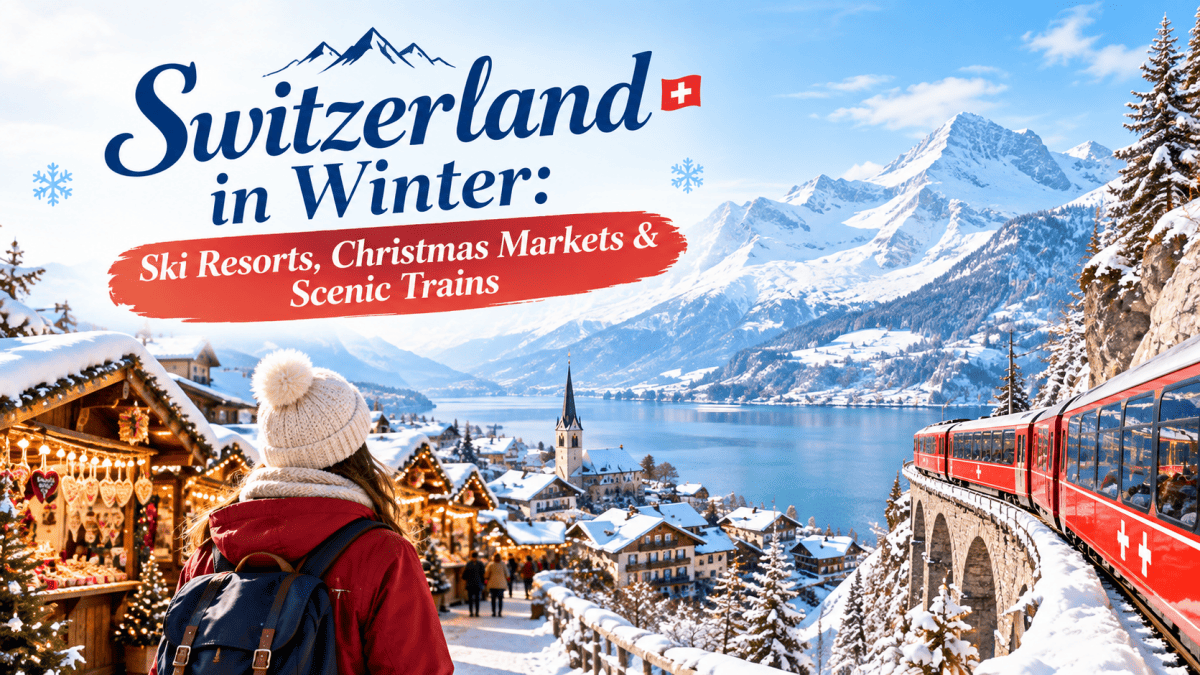
Switzerland in winter transforms into a wonderland of snow-capped peaks, picturesque villages, and a festive atmosphere. Whether you're carving through fresh powder at a world-class ski resort, sipping hot chocolate at a traditional Christmas market, or gazing at Alpine scenery from a panoramic train, Switzerland in the winter offers experiences that define the season.

This guide covers the best cities to visit in Switzerland in winter, top ski resorts, magical Christmas markets, and scenic train journeys that make the most of the snowy landscape. From December through March, Switzerland's winter activities range from high-adrenaline skiing to cozy fondue dinners in candlelit chalets.


Why Visit Switzerland in Winter

Switzerland in winter offers a unique combination of natural beauty, world-class infrastructure, and cultural traditions that make it one of Europe's premier cold-weather destinations. The Swiss Alps, covering about 60% of the country, provide a dramatic backdrop for winter activities, while the cities blend historic character with modern amenities. Consider Europe tours that include Switzerland.

Things to do in Switzerland in winter extend far beyond skiing. You can see frozen lakes, attend classical concerts in ornate halls, soak in thermal spas with mountain views, or simply wander through villages that look like they've been plucked from a storybook. The Swiss take pride in their winter hospitality, and you'll find that even small villages offer excellent restaurants, comfortable hotels, and efficient transportation.

The country's legendary train system makes winter travel effortless. Even if you don't ski, you can experience the Alps from the comfort of heated panoramic cars, watching snow-covered peaks and frozen waterfalls glide past your window. The trains run on schedule regardless of weather, making it easy to base yourself in one city and take day trips to different regions. Many Switzerland tours include scenic train experiences.


Best Ski Resorts in Switzerland

Zermatt: Skiing with Matterhorn Views


Zermatt is perhaps Switzerland's most iconic winter resort in Switzerland, famous for its views of the Matterhorn and extensive ski terrain. The resort offers 360 kilometers of pistes suitable for all skill levels, from gentle beginner slopes to challenging off-piste runs. The car-free village adds to the character, with electric taxis and horse-drawn carriages replacing conventional vehicles.

Zermatt's high altitude (1,620 meters in the village, up to 3,883 meters at the peak) ensures reliable snow conditions throughout the winter season. The resort connects to Cervinia in Italy, giving you access to even more terrain. After skiing, you can relax in cozy mountain restaurants, enjoy fondue by the fire, or take a helicopter tour for breathtaking aerial views of the Alps.

zermatt

St. Moritz: Luxury and Glamour


St. Moritz has been a winter playground for the elite since the 19th century, and it maintains its reputation for luxury and sophistication. The resort hosted the Winter Olympics twice (1928 and 1948) and offers 350 kilometers of ski runs across two main areas: Corviglia and Corvatsch. The skiing here caters to intermediate and advanced skiers, with steep runs and challenging terrain parks.

st.moritz

Beyond skiing, St. Moritz offers unique winter experiences like polo on the frozen lake, horse racing on ice, and gourmet dining at Michelin-starred restaurants. The town itself is compact and walkable, with high-end boutiques, art galleries, and elegant hotels. If you're looking for a winter resort in Switzerland that combines world-class skiing with luxury amenities, St. Moritz is unmatched.

Verbier: Advanced Skiing and Nightlife


Verbier attracts serious skiers and snowboarders with its challenging terrain and lively après-ski scene. Part of the Four Valleys ski area, Verbier offers 410 kilometers of interconnected runs, with plenty of off-piste opportunities for advanced riders. The resort is known for its steep runs, natural half-pipes, and reliable snow conditions thanks to its high altitude and north-facing slopes.

Verbier's nightlife is legendary in the Alps, with bars and clubs that stay open late and attract an international crowd. The village has a lively, youthful atmosphere compared to more traditional Swiss resorts. If you're looking for things to do in Switzerland in winter that combine serious skiing with social energy, Verbier delivers on both fronts.

Grindelwald: Family-Friendly Alpine Atmosphere


Grindelwald, nestled at the base of the Eiger, offers a more relaxed winter experience perfect for families and those who want to enjoy the Alps without intense skiing. The resort connects to Wengen and Mürren through the Jungfrau region, providing 213 kilometers of varied terrain. The village itself is picturesque, with traditional wooden chalets and striking views of the Eiger North Face.

Grindelwald excels at non-skiing winter activities. You can take the train to Jungfraujoch, the "Top of Europe," for panoramic views at 3,454 meters. The resort offers excellent toboggan runs, ice skating, winter hiking trails, and even a glacier canyon walk. For families, Grindelwald provides a perfect base to experience Switzerland in winter without the pressure of advanced skiing.

Grindelwald

Christmas Markets in Switzerland

Zurich: The City's Festive Heart


Zurich transforms into a winter wonderland during the holiday season, with multiple Christmas markets scattered throughout the city. The largest and most famous is at the main train station, featuring 150 chalet-style booths selling crafts, ornaments, and seasonal treats. The market at Sechselautenplatz, near the opera house, offers a more upscale experience with high-quality artisan goods and gourmet food.

Zurich's Christmas markets typically run from late November through December 24th. The city also decorates its streets with elaborate light displays, and you can take a boat ride on Lake Zurich to see the festive illuminations from the water. For a unique experience, visit the Christmas market at the Swiss National Museum, set in a fairy-tale castle-like building.

zurich

Basel: Tradition and Culture


Basel hosts one of Switzerland's largest and most impressive Christmas markets, spread across multiple locations in the old town. The main market in Barfusserplatz features over 150 vendors selling traditional crafts, Christmas decorations, and regional specialties. The market at Munsterplatz, in front of the cathedral, offers a more intimate atmosphere with its historic backdrop.

basel


Basel's Christmas markets emphasize quality and tradition, with many vendors offering handmade items unique to the region. The city also hosts a medieval Christmas market in the courtyard of the castle, where artisans demonstrate traditional crafts and performers entertain visitors. Basel's location at the intersection of Switzerland, France, and Germany influences its market offerings, giving you a taste of multiple cultures in one visit.

Montreux: Christmas by the Lake

 
Montreux's Christmas market is one of the most scenic in Switzerland, set against the backdrop of Lake Geneva and the snow-covered Alps. The market stretches along the lakefront promenade, with over 150 chalets selling crafts, food, and gifts. The atmosphere is enhanced by the reflection of lights on the lake and the nearby Château de Chillon, which is attractively illuminated during the holiday season.

Montreux's market is particularly popular with families, offering a children's workshop, carousel, and regular visits from Santa Claus. The town also hosts concerts and performances throughout the Advent season. For a unique experience, take the vintage steam train from Montreux to the Christmas market, adding a nostalgic touch to your visit.

Scenic Train Journeys

Glacier Express: The Slowest Express Train


The Glacier Express is arguably the most famous scenic train journey in the world, connecting Zermatt and St. Moritz over 8 hours. Despite its name, the train averages just 35 kilometers per hour, earning its nickname "the slowest express train in the world." The journey crosses 291 bridges and passes through 91 tunnels, offering constantly changing views of the Swiss Alps.

Glacier Express


Traveling on the Glacier Express in winter is particularly magical. You'll see snow-covered villages, frozen waterfalls, and pristine mountain landscapes through the train's panoramic windows. The train features comfortable seating, large windows, and a dining car where you can enjoy Swiss specialties while watching the scenery glide by. Reservations are required, and it's best to book well in advance during winter peak season.

Bernina Express: From Glaciers to Palms


The Bernina Express takes you from the glacial landscapes of the Engadin region to the Mediterranean climate of Tirano, Italy. The 4-hour journey is a UNESCO World Heritage route, featuring the remarkable Landwasser Viaduct and the dizzying spirals of the Albula Pass. In winter, the contrast between snow-covered peaks and the milder Italian valley creates a unique experience.

The Bernina Express runs year-round, but winter offers the most dramatic scenery. The train climbs to over 2,200 meters, passing through avalanche galleries and alongside frozen lakes. The panoramic cars have heated windows and comfortable seating, making it easy to enjoy the views regardless of the temperature outside. This journey is perfect for those who want to experience Switzerland in winter without skiing.

GoldenPass Line: Lakes and Chalets


The GoldenPass Line connects Lucerne to Montreux, passing through the heart of the Swiss countryside. The 5-hour journey showcases the diversity of Swiss landscapes, from the shores of Lake Lucerne to the vineyards of the Lavaux region and the peaks of the Bernese Oberland. In winter, the route offers views of snow-covered chalets, frozen lakes, and festive villages decorated for the holidays.

The GoldenPass Line offers different classes of service, including the luxurious GoldenPass Panoramic with VIP seats and complimentary refreshments. The train makes several stops along the way, allowing you to break up the journey and explore towns like Interlaken, Gstaad, or Château-d'Oex. This route is ideal for those who want to experience multiple regions of Switzerland in a single day.

Best Cities to Visit in Switzerland in Winter

Lucerne: Gateway to the Alps


Lucerne is one of the best cities to visit in Switzerland in winter, offering a perfect base for visiting the surrounding Alps. The city sits on Lake Lucerne, with the snow-capped peaks of Mount Pilatus and Mount Rigi providing a dramatic backdrop. The old town is compact and walkable, with covered bridges, frescoed buildings, and characterful squares that look especially picturesque dusted with snow.

Lucerne

Lucerne serves as an excellent starting point for day trips to nearby mountains and ski areas. You can take a cogwheel train to Mount Pilatus or Mount Rigi for panoramic views and winter hiking. The city also has excellent museums, including the Transport Museum and the Picasso Collection, perfect for days when you want a break from the cold. Lucerne's Christmas market, set in the old town and at the train station, is one of the most atmospheric in the country.

Bern: The Capital's Winter Character


Bern, Switzerland's capital, offers a more relaxed urban experience compared to Zurich or Geneva. The UNESCO-listed old town features 6 kilometers of arcades that protect you from winter weather while you see shops, cafes, and restaurants. The Aare River, which loops around the old town, often freezes in cold snaps, creating a unique winter landscape.

bern


Bern's Christmas market is one of the most romantic in Switzerland, set in the historic old town with the cathedral as a backdrop. The city also hosts a New Year's Eve celebration with fireworks over the river and live music in the squares. For families, the Bear Park, home to brown bears in a large outdoor enclosure, is a popular attraction even in winter. Bern is an excellent choice for those who want to experience Swiss city life without the intensity of larger metropolises.

Interlaken: Adventure and Scenery


Interlaken, situated between Lake Thun and Lake Brienz, serves as the gateway to the Jungfrau region and some of the most remarkable Alpine scenery in Switzerland. In winter, the town becomes a hub for both skiing and non-skiing activities. The nearby resorts of Grindelwald, Wengen, and Mürren offer extensive ski terrain, while Interlaken itself provides ice skating, sledding, and winter hiking.

Interlaken


Interlaken is also the starting point for the journey to Jungfraujoch, the highest railway station in Europe at 3,454 meters. Even if you don't ski, the trip to the "Top of Europe" offers memorable views of glaciers and snow-covered peaks. The town has a lively atmosphere with restaurants, shops, and entertainment options, making it a good base for exploring the region. Interlaken is particularly appealing for active families who want a mix of outdoor adventure and cultural experiences.

Practical Tips for Switzerland Winter Travel

When to Visit


The best time to visit Switzerland in winter depends on your priorities. For skiing, December through March offers the best snow conditions, with January and February typically having the most reliable coverage. Christmas markets run from late November through December 24th, with the most festive atmosphere in the two weeks before Christmas. For scenic train journeys and city visits, any time during the winter season works well, though late December through early January is peak tourist season.

If you're looking for the best value, consider visiting in early December before the holiday rush or in March when ski conditions are still good but prices drop. Avoid school holiday weeks if possible, as accommodations and trains fill up quickly. Book ski resorts and popular train journeys like the Glacier Express several months in advance, especially for Christmas and New Year's. Tours4fun offers Switzerland winter packages that can help you secure reservations and get the best rates on accommodations and activities.

What to Pack


Packing for Switzerland in winter requires preparation for cold temperatures and variable conditions. Temperatures in the valleys typically range from -5 degrees C to 5 degrees C (23 degrees F to 41 degrees F), while mountain areas can be much colder. Pack warm layers including thermal underwear, fleece or wool sweaters, a waterproof and windproof outer shell, warm hat, gloves, and scarf. Waterproof boots with good traction are essential for walking in snow and ice.

If you plan to ski, most resorts rent equipment, so you don't need to bring your own skis or snowboard. However, bring ski socks, thermal layers, and goggles. For train journeys and city visits, dress in layers that you can adjust as you move between heated trains and cold platforms. Don't forget sunglasses, as snow glare can be intense at high altitudes. Many hotels provide robes and slippers, but check in advance if you prefer to bring your own.

Getting Around


Switzerland's public transportation system is exceptionally efficient, even in winter. The Swiss Travel Pass offers unlimited travel on trains, buses, and boats, plus free admission to many museums. For winter travel, the pass is particularly valuable as it covers most scenic train routes and mountain railways. Trains run on schedule regardless of weather, and stations are well-equipped to handle snow and ice.

If you prefer to drive, rent a car with winter tires and snow chains, which are required in mountain areas from November to April. Swiss roads are well-maintained and cleared quickly after snowfall, but mountain passes can be challenging for inexperienced winter drivers. For most visitors, combining trains with local buses and cable cars is the most stress-free way to visit Switzerland in winter.

Conclusion

Switzerland in winter offers an unforgettable combination of natural beauty, outdoor adventure, and cultural experiences. Whether you're skiing world-class resorts, exploring festive Christmas markets, or enjoying scenic train journeys through snow-covered landscapes, you'll create memories that last a lifetime. The country's efficient infrastructure and welcoming hospitality make it easy to navigate and enjoy, even if you're not an experienced winter traveler.
 

FAQ

Is Switzerland expensive in winter?

Switzerland is one of Europe's most expensive countries year-round, and winter peak season (Christmas through early January) commands premium prices. Ski resorts are particularly costly, with hotel rates often doubling or tripling during holiday weeks. However, you can find good value by visiting in early December or March, staying in smaller villages rather than famous resorts, and taking advantage of package deals that include lift tickets and accommodations. The Swiss Travel Pass can also save money if you plan extensive train travel.

Do I need to speak German or French to visit Switzerland?

No, English is widely spoken throughout Switzerland, especially in tourist areas, hotels, restaurants, and train stations. Most Swiss people learn English in school and are comfortable conversing in it. In the German-speaking region, you'll hear Swiss German, which is quite different from standard German, but everyone also speaks standard German and English. In the French-speaking region, French is the primary language, but English is common in tourist areas. Signs, menus, and transportation information are typically available in multiple languages.

What's the weather like in Switzerland in winter?

Switzerland in winter experiences cold temperatures with significant regional variation. In the valleys and cities, temperatures typically range from -5 degrees C to 5 degrees C (23 degrees F to 41 degrees F), with occasional colder snaps. In the mountains, temperatures are much lower, often dropping to -15 degrees C (5 degrees F) or below at higher elevations. Snow is common throughout the country, with heavier accumulation in the Alps. The weather can change quickly in the mountains, so always check forecasts and be prepared for sudden shifts in conditions.

Can I visit Switzerland in winter without skiing?

Absolutely. While skiing is a major draw, Switzerland offers countless winter activities for non-skiers. Scenic train journeys like the Glacier Express and Bernina Express provide spectacular Alpine views from the comfort of heated cars. Winter hiking trails are well-maintained and offer access to beautiful landscapes without requiring special equipment. You can also enjoy ice skating, tobogganing, spa visits, museum tours, and Christmas markets. Many mountain destinations are just as enjoyable for non-skiers, with excellent restaurants, shops, and cultural attractions.

Are Christmas markets worth visiting in Switzerland?

Yes, Christmas markets in Switzerland are definitely worth visiting and offer a quintessential winter experience. Swiss Christmas markets are known for their high-quality crafts, authentic atmosphere, and beautiful settings. Unlike some markets that have become overly commercialized, Swiss markets maintain their traditional charm with handmade ornaments, local food specialties, and festive decorations. The markets in Zurich, Basel, and Montreux are particularly renowned, but even small villages host delightful markets with their own character.