| Season | Best For | Main Advantage | Main Tradeoff |
| Spring | Road trips and gardens | April and May are relatively dry in national normals | Cool, variable conditions |
| Summer | Long outdoor days | Most daylight for sightseeing | Busier popular routes |
| Autumn | Scenery and city-country combinations | September can balance access and crowd levels | Storm risk increases later |
| Winter | Dublin and cultural breaks | Quiet atmosphere and indoor focus | Short days and reduced rural flexibility |
Best Time to Visit Ireland: Seasons, Weather, and Crowds

The Best Overall Months for Most Travelers
Why May and Early June Stand Out
Official climate records support May as a sensible recommendation without promising perfect weather. Met Éireann identifies May and June as normally the sunniest months, and its 1991–2020 rainfall normals place April and May among the driest nationally. Longer spring days also make it easier to recover when a shower delays a viewpoint or coastal walk. Early June adds more daylight and summer energy, although visitor numbers may begin rising around well-known attractions.The 9-day Highlights of Ireland tour from Dublin fits first-time visitors who want a longer arranged introduction. Its benefit is a nine-day frame that provides more breathing room than a weekend or short western excursion. Its limitation is that total calendar days include transfers and transitions, so travelers should not treat all nine as complete sightseeing days or assume every Irish region receives equal time.
Recommend Tour

Why September Is a Strong Alternative
September can suit travelers who want a mixed city-and-scenery itinerary after the main summer period. Daylight is shorter than in June, but it remains more workable for rural touring than deep autumn or winter. The tradeoff is increasing Atlantic variability: a pleasant spell may be followed by wind and rain. Keep the most weather-sensitive walk or boat outing movable, and avoid scheduling every scenic priority on consecutive transfer days.Ireland by Season

Spring and Summer
Meteorological spring runs from March through May. March can bring cultural energy, but it does not automatically provide the best road-trip conditions. April and May are more useful for many outdoor itineraries because days lengthen and rainfall normals improve, although cold or wet spells remain possible. Rural services may be less extensive near the edges of the season, so confirm practical details for remote stops before departure.Summer covers June through August and offers the widest daylight margin. That matters on the Wild Atlantic Way, where photo stops, narrow roads, and short walks make journeys take longer than map estimates suggest. Summer suits families, hikers, and first-time self-drivers who value time flexibility. The compromise is demand around Dublin, Galway, Killarney, the Cliffs of Moher, and other recognizable destinations. Build a route with fewer one-night stays rather than trying to use every bright hour for driving.
Autumn and Winter
Autumn runs from September through November. September retains enough daylight for a balanced national itinerary, while October and November increasingly favor shorter routes and city-country combinations. Met Éireann notes that Atlantic systems can bring significant weather later in the season, though settled spells also occur. Treat the broad pattern as planning context, not a forecast for your specific travel week.Winter, from December through February, is best for travelers comfortable emphasizing museums, historic interiors, food, music, and pubs. Snow is not the defining concern; rain, wind, short daylight, and occasional transport disruption usually matter more for planning. A winter trip can still be rewarding, but a long circuit of cliff viewpoints and minor rural roads leaves little margin when conditions change. Choose one or two urban bases and keep outdoor excursions optional.
Match the Season to Your Route

Dublin and City-Focused Trips
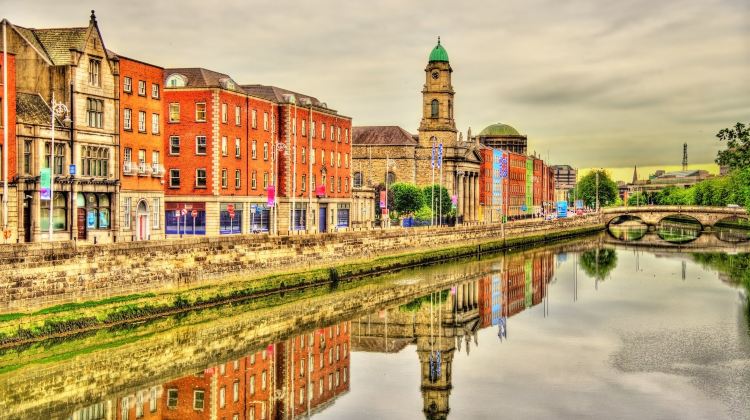
Dublin works in every season because many of its strongest experiences do not depend on a full day of clear weather. Museums, literary history, restaurants, and live music give a winter or late-autumn visit a reliable indoor core. Exploring Dublin travel ideas can help separate city time from longer excursions. In spring or summer, use the extra daylight for coastal outings or a relaxed evening walk rather than adding another distant overnight.The West Coast and Scenic Touring
The west is wetter overall than much of eastern Ireland, and exposed Atlantic landscapes can be windy in any month. For Galway, the Burren, Dingle, Killarney, and the Ring of Kerry, late spring through early autumn provides the most practical daylight. Weather can still obscure a cliff view or change a walking plan. Schedule at least two nights in an important base where possible, and carry waterproof layers rather than relying on an umbrella in strong wind.The 5-day Western Ireland tour from Dublin fits travelers who prioritize Galway, the Burren, the Cliffs of Moher, Killarney, Dingle, and the Ring of Kerry without self-driving. Its benefit is coordinated mini-coach transport, four nights, a driver-guide, and broad western coverage. Its limitation is pace: frequent movement and exposed sightseeing make the experience sensitive to weather, while meals and many individual admissions are outside the core inclusions.
Recommend Tour

Plan for Weather Without Letting It Control the Trip
Build Flexibility Into Each Day
Ireland’s oceanic climate can produce sunshine, cloud, showers, and wind within one travel day. Check the short-range forecast each morning, but avoid rebuilding the entire vacation around a distant prediction. Put indoor and outdoor options in the same area, such as a museum and a city walk or a castle interior and a nearby garden. This keeps a passing shower from becoming lost time. When comparing routes through Tours4fun, look beyond the season label. Count nights, early departures, road time, ferry or boat dependence, and exposed attractions. Pack a waterproof outer layer, comfortable shoes, and light layers that can be adjusted. Most importantly, leave one flexible block in a multi-day scenic itinerary so the best available conditions can guide your priorities.Choose the Right Trip Length and Pace
Recommend Tour

FAQ
What is the best month to visit Ireland?
May is the strongest all-around choice for many visitors because climate normals support relatively low rainfall and May is normally among the sunniest months. Early June and September are equally sensible when longer days or a later shoulder-season trip better fits your route.What is the rainiest time of year in Ireland?
National 1991–2020 climate normals identify December as the wettest month on average, followed by other late-autumn and winter months. Regional differences are substantial, with western and mountainous areas generally receiving more rainfall than much of the east.When is the best time to visit Ireland for fewer crowds?
Late spring and September often provide a useful compromise between outdoor touring conditions and peak-summer pressure. Winter is quieter but brings shorter days and less rural flexibility. Crowd levels also vary by place, weekday, and major event.Is winter a good time to visit Ireland?
Yes, especially for Dublin or another city-centered break built around culture, food, music, and indoor attractions. Winter is less suitable for an ambitious west-coast road trip because short daylight and changeable Atlantic weather reduce scenic-route flexibility.También te puede interesar

Greece Itinerary 10 Days: Athens, Santorini & Meteora Route
03 Nov 2026

Seoul Itinerary 4 Days: Culture, Shopping & Street Food
03 Nov 2026

12 Things to Do in Seoul for First Timers: K-Pop to Palaces
03 Nov 2026
Resumen
The Best Overall Months for Most Travelers
Ireland by Season
Match the Season to Your Route
Plan for Weather Without Letting It Control the Trip
Choose the Right Trip Length and Pace
FAQ
America's 250th Anniversary Mega Sale