France Europe Best Time Travel Tips

Best Time to Visit France: Weather, Crowds, and Costs

cover

For most travelers, the best time to visit France is May through June or September through early October. These shoulder-season windows usually offer the most useful balance: generally comfortable sightseeing weather, good daylight, and less concentrated demand than the July-August peak. They work especially well for a trip combining Paris with Normandy, the Loire Valley, Bordeaux, or Provence. However, France is too varied for one universal answer. Summer is often the better choice for Mediterranean beaches, high-mountain walks, long evenings, and festival energy. Winter is the natural season for Alpine skiing and can also reward visitors who prefer quieter cultural days in major cities. Your ideal dates therefore depend on where you are going and what you want to do. Choose the region and priority first, then compare weather tolerance, crowds, and likely trip costs instead of selecting a month from a national temperature average.
 
Season Typical Conditions Crowd Pattern Best Fit Main Trade-Off
Spring Mild, changeable, increasingly bright Moderate, with holiday spikes Cities, gardens, mixed-region trips Rain and cool evenings
Summer Warm to hot, longest days Highest at famous and coastal sites Beaches, festivals, mountains Heat, demand, and higher costs
Fall Mild early, cooler and wetter later Eases after the summer peak Wine regions, cities, food travel Shortening days and variable weather
Winter Cold; snow in mountain areas Lower outside holidays and ski resorts Skiing, museums, seasonal markets Short days and reduced rural activity


How to Choose Your Travel Window

Start with geography. Western France has an oceanic influence and precipitation can occur throughout the year. Central and eastern areas experience more distinct seasonal contrasts, while the southeast has hotter, drier summers and generally milder wet-season conditions. Mountain climates change again with altitude. That variety means a rainy forecast in Brittany says little about the Riviera, and a pleasant Paris afternoon does not describe an Alpine pass. Browse the range of France travel options before committing to dates, then group destinations that make seasonal sense together.

Next, rank your priorities. If comfortable walking and a broad sightseeing route matter most, favor late spring or early fall. If swimming, nightlife, and long outdoor evenings lead the list, accept summer crowds for better alignment with the trip you actually want. Skiers should build around snow conditions, while Christmas-market travelers need the seasonal atmosphere more than long daylight.

Finally, allow for the travel calendar. Summer and school vacations concentrate demand, especially in celebrated cities, coastal areas, and mountain resorts. Weekends around public holidays can also feel busier than the term “shoulder season” suggests. Airfare and lodging are dynamic, so “cheapest month” claims are unreliable without live searches. Compare your exact route and remain flexible by a few days when possible.


Spring: The Best Overall Balance

April brings fresh landscapes and a greater chance of unsettled weather, while May and June usually provide a stronger all-around compromise. Parks and gardens are active, café life returns, and daylight expands without requiring travelers to accept the most intense summer demand. This is an appealing period for Paris museums and neighborhoods, Loire Valley châteaux, Normandy history, and countryside drives. Pack a light waterproof layer and clothing that can handle cool mornings, warmer afternoons, and an occasional wet day.

Spring is particularly effective for a first trip because it supports variety. A traveler can devote several full days to Paris, transfer to another region, and still enjoy outdoor and indoor plans. Do not count an overnight stay as a sightseeing day: arrival, hotel changes, and intercity rail all consume usable time. May also contains public holidays, so check the calendar for the specific year and reserve important transport and timed attractions earlier when dates overlap a long weekend.

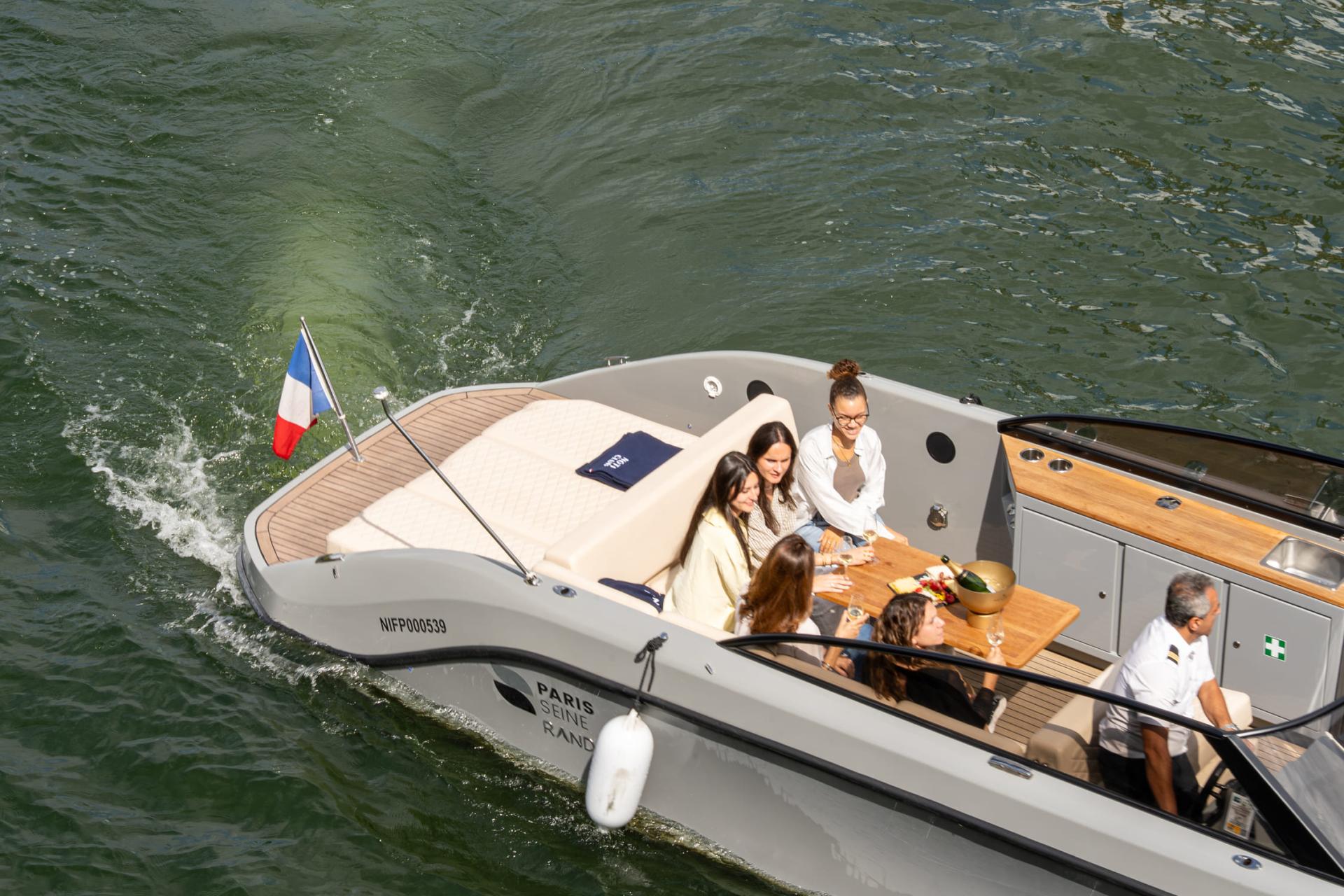
In Paris, a private Seine cruise Paris can suit couples, families, or friends who want a slower perspective on the city after substantial walking. Its benefit is a scenic experience within Paris rather than another intercity transfer. The limitation is its narrow geographic focus, and comfort depends on the day’s weather, so it should complement—not replace—time for neighborhoods and landmarks.


Recommend Tour

Private Cruise Paris Seine Small Group Tour (Up to 10 Pax)
Free Cancellation 7 Days Before
5.0
Código del tour: 736980
Ciudad de inicio / Ciudad de fin
Paris
Duración
1.0 Day
Ciudad y atracciones
Paris, River Seine
Idiomas
English Live
Tamaño del grupo
Máx. 10 viajeros
De
$934.58

Summer: Best for Coasts and Long Days

July and August offer the longest usable days and the fullest summer atmosphere. They are logical months for the French Riviera, Atlantic beaches, outdoor festivals, and high-elevation routes that may be unsuitable in colder seasons. Long evenings also help travelers pace a busy city visit: an early museum, a midday break, and an evening walk can be more comfortable than continuous afternoon sightseeing.

The trade-offs are heat, competition, and cost. Popular landmarks, rail routes, coastal accommodations, and famous villages can feel crowded. Southern cities may be uncomfortably hot during the middle of the day, and heat waves cannot be predicted months ahead. Build flexibility into each day, reserve must-do experiences, carry water, and keep an indoor alternative. Travelers comparing activities through Tours4fun should still verify current meeting details and operating conditions close to departure.

Summer is not automatically wrong for Paris. It can work for families tied to school vacations or travelers combining the capital with the coast. The key is accepting the season honestly. Start outdoor visits early, avoid cramming distant neighborhoods into one afternoon, and expect more competition around icons. In beach regions, stay several nights rather than changing hotels repeatedly; the purpose of a summer coast trip is lost if transfers consume the longest, brightest days.


Fall: Mild Touring and Regional Character

September often retains a summer feel while the main vacation peak begins to ease. Early October can also be rewarding for cities, vineyard landscapes, and food-focused travel, although daylight contracts and rain becomes a larger planning factor as the season progresses. This is a strong period for Bordeaux, Burgundy, Alsace, the Loire Valley, and Normandy. Harvest activity can add character, but access to working vineyards or special events should never be assumed without checking locally.

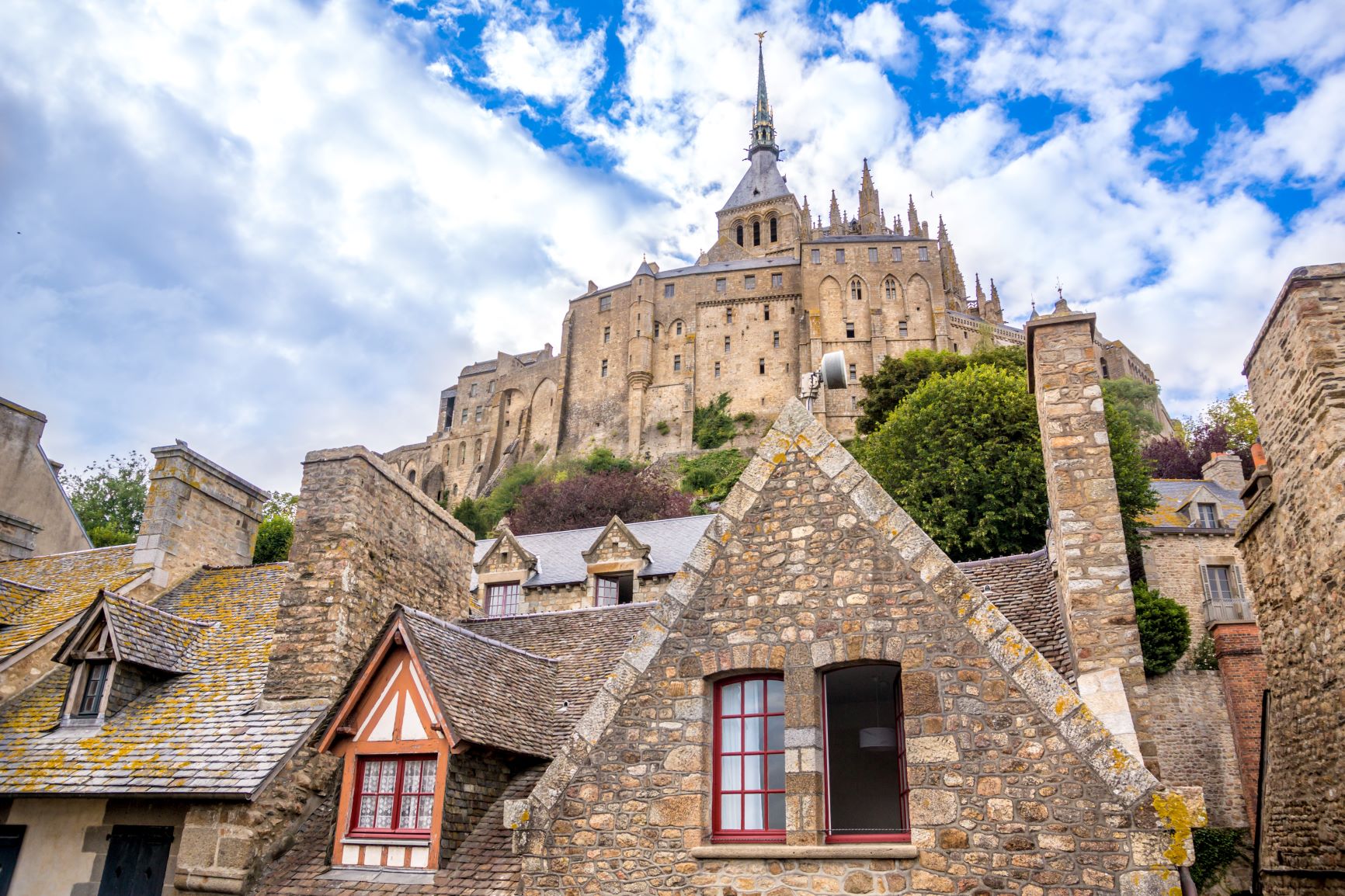
Fall favors travelers who value atmosphere over guaranteed warmth. Bring layers and place weather-sensitive experiences beside museums, markets, churches, and other sheltered options. A two-region itinerary remains realistic when transfers are limited. Paris plus Normandy, for example, needs enough nights to give each place full days; Mont Saint-Michel should not be treated as a casual detour squeezed between a Paris arrival and departure.

For travelers already staying in Bayeux, the guided Mont Saint-Michel and abbey day tour from Bayeux fits a dedicated Normandy day. A guided framework can simplify a substantial landmark outing and add context at the abbey. Its limitation is pacing: it uses a full touring day and is not a practical substitute for allocating adequate time to reach and explore Normandy from Paris.


Recommend Tour

Mont Saint Michel & Abbey Discovery Guided Day Tour from Bayeux | Tickets for the Abbey | Small Group (2~8 Pax)
5.0
Código del tour: 736917
Ciudad de inicio / Ciudad de fin
Bayeux
Duración
8.0 Hours
Ciudad y atracciones
Bayeux
Idiomas
English Live
Tamaño del grupo
Máx. 16 viajeros
Audiencia del tour
Primarily English-Speaking Travelers
De
$186.92

Winter: Cities, Snow, and Seasonal Atmosphere

Winter divides France into distinctly different trip types. The Alps and Pyrenees attract snow-sport travelers, while Paris, Lyon, Bordeaux, and Nice can support culture-led breaks with museums, restaurants, and architecture. Alsace is associated with seasonal markets, especially around the year-end holidays. These experiences justify winter dates, but they are purpose-driven exceptions rather than the best general period for a broad first-time circuit. Expect short daylight, colder conditions, and quieter rural areas. Some attractions or tours may reduce their hours, so confirm official schedules for your exact dates. Holiday periods and ski weeks can be busy even when national crowd levels are lower. After the festive period, city stays may feel calmer, yet weather can interrupt outdoor plans. Keep the itinerary compact, choose hotels near the areas you will explore, and avoid unnecessary one-night stops.
 

Build Dates Around Your Route

A practical calendar begins with nights, not a wish list. Subtract arrival and departure time, then add transfers and hotel changes before assigning attractions. A seven-night trip rarely provides seven full touring days. Well-designed France tour packages can help illustrate realistic regional combinations, but your final choice should match the season, pace, and interests of your group.
 

FAQ

What is the best month to visit France?

May, June, and September are the strongest general choices for comfortable sightseeing and a balance between seasonal activity and crowd pressure. Pick according to region: coastal, mountain, and city trips follow different calendars.

What is the cheapest time to visit France?

Late fall and winter outside holidays and ski periods often bring lower demand in many cities. Actual airfare and lodging vary, so compare live prices for your route instead of relying on a fixed cheapest month.

When is France most crowded?

July and August are the broad peak, with additional surges during school holidays, public-holiday weekends, major events, and festive periods. Crowd patterns vary by destination; ski resorts peak at different times from Mediterranean beaches.

How many days do you need in France?

Allow at least a week for Paris plus one nearby region, and longer for multiple distant areas. Count full sightseeing days separately from nights, arrivals, departures, transfers, and hotel changes to keep the route realistic.