Beijing China Asia Places to Go Things to Do Travel Tips

Beijing Travel Guide: Great Wall, Forbidden City & Hutongs

cover

Beijing, China's capital city, blends over 3,000 years of history with modern development. As the political and cultural center of the country, Beijing offers visitors an unparalleled look at Chinese civilization, from imperial palaces to ancient temples and traditional neighborhoods.

This Beijing travel guide covers everything you need to know for your visit. Whether you're planning an independent trip or looking for a Beijing tour with expert assistance, you'll learn about the best time to visit Beijing, top things to do in Beijing, and practical tips for navigating this sprawling metropolis. 


About Beijing

Beijing has served as China's capital for most of the past 800 years, during the Yuan, Ming, and Qing dynasties. The city is home to over 21 million people and features seven UNESCO World Heritage Sites, more than any other city in the world. These include the Forbidden City, the Great Wall, the Summer Palace, the Temple of Heaven, the Ming Tombs, the Grand Canal, and the Peking Man Site at Zhoukoudian.

Modern Beijing is a city of contrasts. Skyscrapers and shopping malls stand alongside ancient temples and traditional courtyard houses. The city hosted the 2008 Summer Olympics and the 2022 Winter Olympics, making it the first city to host both. Despite rapid modernization, Beijing has preserved much of its historical character, particularly in the hutongs, or traditional alleyways, that wind through the old city.


Getting There and Getting Around Beijing

How to Get to Beijing


Beijing operates two major international airports. Beijing Capital International Airport (PEK) is located 26 km northeast of the city center and handles most international flights. Beijing Daxing International Airport (PKX) opened in 2019 and is located 46 km south of the city, primarily serving domestic flights and some international routes.

High-speed trains connect Beijing to major cities across China. From Shanghai, the journey takes 4.5-6 hours. From Xi'an, it's 4.5 hours. Beijing has several railway stations, with Beijing Railway Station and Beijing West Railway Station serving most high-speed trains. Both stations connect to the metro system.

Getting Around the City


Beijing's metro system is extensive, with 27 lines covering most tourist attractions. The metro operates from 5:00 AM to 11:00 PM and costs 3-9 yuan per ride depending on distance. English signage is available throughout the system. A single-journey ticket or the Yikatong smart card works for all lines.

Taxis are plentiful and affordable, starting at 13 yuan for the first 3 kilometers. Most drivers don't speak English, so have your destination written in Chinese characters. Ride-hailing through Didi works well and avoids language barriers. The metro is often faster during rush hour, as Beijing's traffic can be heavy.

For attractions within the city center, walking or cycling is often the best option. Many hotels offer bike rentals, and bike-sharing apps like Meituan and Didi provide affordable short-term rentals.

Top Attractions and Must-Sees

The Great Wall: China's Most Iconic Landmark


The Great Wall is Beijing's crown jewel and one of humanity's greatest architectural achievements. Stretching over 13,000 miles across northern China, the wall was built over centuries to protect against invasions from the north. Several sections are accessible from Beijing, each offering a different experience.

Badaling is the most popular and accessible section, located 70 km northwest of the city. Fully restored with handrails and facilities, it's ideal for families and those with limited mobility. However, it's also the most crowded. Mutianyu, 73 km from Beijing, offers a good balance of accessibility and authenticity. Less crowded than Badaling, it features a cable car up and a toboggan slide down, adding fun to your visit.

badaling


For a more authentic experience, Jinshanling (130 km away) and Simatai (120 km away) preserve the wall's original appearance with minimal restoration. These sections are ideal for hikers seeking solitude and dramatic scenery. Allow a full day for any Great Wall visit, including travel time from Beijing.

The Forbidden City: Imperial Palace of Two Dynasties


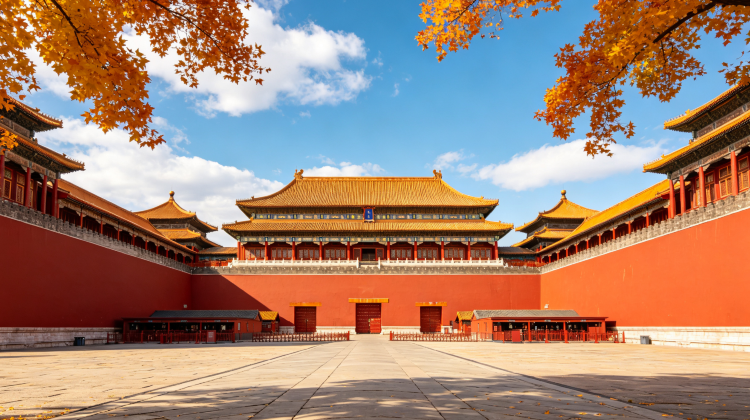
The Forbidden City, also known as the Palace Museum, served as the imperial palace for 24 emperors during the Ming and Qing dynasties. This massive complex covers 178 acres and contains 980 buildings with over 8,000 rooms. It's the world's largest palace complex and a masterpiece of traditional Chinese architecture.

Enter through the Meridian Gate, the main southern entrance, and walk through a series of courtyards and halls. The Hall of Supreme Harmony, the largest and most important building, was used for imperial ceremonies. The Inner Court contains the emperor's living quarters and the residences of his concubines. The Palace Museum houses over 1.8 million artifacts, including paintings, ceramics, jade, and imperial treasures.

forbidden city


The Forbidden City is located in the heart of Beijing, just north of Tiananmen Square. The entrance fee is 60 yuan in peak season (April-October) and 40 yuan in off-season. The palace is closed on Mondays. Allow at least 3-4 hours for a complete visit, though history enthusiasts could spend a full day. Book tickets online in advance, especially during peak season.

Temple of Heaven: Where Emperors Prayed for Harvest


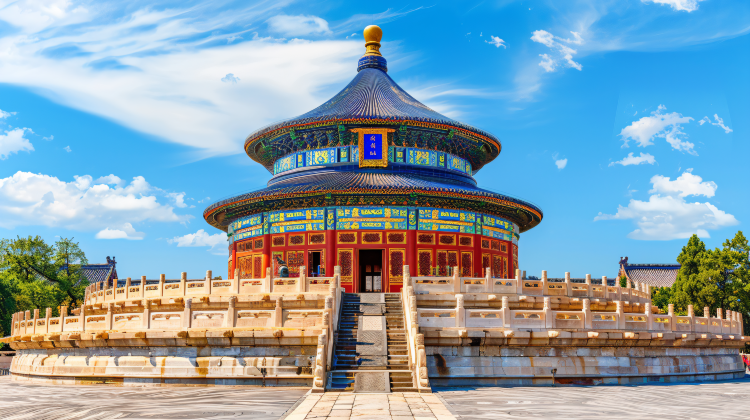
The Temple of Heaven was built in 1420 during the Ming Dynasty. Emperors of the Ming and Qing dynasties came here annually to pray to Heaven for good harvests. The complex represents the relationship between heaven and earth in Chinese cosmology, with circular buildings symbolizing heaven and square bases representing earth.

The highlight is the Hall of Prayer for Good Harvests, a magnificent circular building built entirely of wood without nails. The Echo Wall and Triple Sound Stones demonstrate interesting acoustic effects. The surrounding park is popular with locals who practice tai chi, play cards, and dance in the mornings.

Located in southern Beijing, the Temple of Heaven is accessible by Metro Line 5. The entrance fee is 35 yuan for the park and attractions combined, or 15 yuan for the park only. Allow 2-3 hours for a complete visit. Early morning visits offer the best chance to see locals engaged in traditional activities.

temple of heaven

Summer Palace: Imperial Garden Retreat


The Summer Palace served as the imperial family's summer retreat from the heat of the Forbidden City. Built in 1750, this vast garden complex covers 2.9 square kilometers, with Kunming Lake taking up three-quarters of the area. The palace combines natural landscapes with pavilions, temples, bridges, and corridors.

Walk along the Long Corridor, the world's longest covered walkway, decorated with over 14,000 paintings depicting scenes from Chinese literature and history. Climb Longevity Hill for panoramic views of the lake and surrounding mountains. Take a boat ride on Kunming Lake or walk across the Seventeen-Arch Bridge.

summer palace


Located in northwestern Beijing, the Summer Palace is accessible by Metro Line 4. The entrance fee is 60 yuan in peak season and 50 yuan in off-season, with an additional 20 yuan for the park within the park. Allow 3-4 hours for a complete visit. The palace is beautiful in all seasons, with spring blossoms, summer lotus flowers, autumn foliage, and winter snow scenes.

Hutongs: Exploring Old Beijing's Alleyways


Hutongs are narrow alleyways that formed the residential fabric of old Beijing. These gray-brick alleyways are lined with siheyuan, traditional courtyard houses that once housed entire families. Walking through hutongs offers a glimpse into traditional Beijing life that contrasts sharply with the modern city.

hutong


The most popular hutong area is around Shichahai (also known as Houhai), a cluster of three lakes in the city center. You can rent a rickshaw for a guided tour, rent a bicycle to explore at your own pace, or simply wander on foot. Visit the Drum and Bell Towers, which once marked time for the city, and enjoy the bars and restaurants around the lakes.

Other notable hutong areas include Nanluoguxiang, a restored hutong district with shops, cafes, and galleries, and the area around Confucius Temple and Lama Temple in the east. Many hutongs are being preserved or restored, though some have been demolished for modern development. Exploring hutongs is free, though rickshaw tours cost 150-300 yuan depending on duration and route.

Tiananmen Square: Heart of Modern China


Tiananmen Square is one of the largest public squares in the world and the symbolic center of modern China. The square is surrounded by important buildings including the Great Hall of the People, the National Museum of China, and the Monument to the People's Heroes. Tiananmen Gate, the entrance to the Forbidden City, sits at the northern end of the square.

The square has witnessed many significant historical events and remains a gathering place for national celebrations. Visit early in the morning to watch the flag-raising ceremony, a daily ritual performed by honor guards. The Mao Zedong Mausoleum, where the founding father of modern China lies in state, is located on the south side of the square.

tiananmen square


Tiananmen Square is free to enter, though you must pass through security screening. The square is open from early morning until evening. Allow 1-2 hours for a visit. The area is heavily monitored, so follow local regulations and be respectful of the site's significance.

Best Neighborhoods to Explore

Wangfujing: Shopping and Street Food


Wangfujing is Beijing's most famous shopping street, featuring department stores, luxury brands, and the Beijing Department Store, one of the city's oldest. The area also includes Wangfujing Snack Street, where you can try unusual foods like scorpions, starfish, and other exotic items. While touristy, it's worth a visit for the spectacle.

Sanlitun: Modern Dining and Nightlife


Sanlitun is Beijing's trendy district for dining, shopping, and nightlife. The area features international restaurants, cocktail bars, and boutique shops. Sanlitun Taikoo Li, an open-air shopping complex, offers high-end brands and popular cafes. The neighborhood has a cosmopolitan atmosphere and attracts expats and young professionals.

798 Art District: Contemporary Art and Culture


The 798 Art District is a complex of decommissioned military factories converted into art galleries, studios, cafes, and design shops. The Bauhaus-style buildings with sawtooth roofs provide an industrial backdrop for contemporary Chinese art. The district hosts exhibitions, performances, and cultural events throughout the year.

Where to Eat

Peking Duck: Beijing's Signature Dish


Peking duck is Beijing's most famous culinary export. The dish features crispy skin and tender meat, served with thin pancakes, scallions, cucumber, and hoisin sauce. Several restaurants specialize in this dish, with Quanjude and Bianyifang being the most famous, both with over 100 years of history.

A whole duck costs 200-400 yuan and typically serves 4-6 people. The duck is carved at your table, and you wrap the meat and skin in pancakes yourself. For a more affordable option, many restaurants offer half duck or duck-themed meals. Reservations are recommended at popular restaurants, especially during peak tourist season.

Local Beijing Cuisine: Beyond the Duck


Beijing cuisine features hearty northern Chinese dishes. Try jianbing, a savory crepe filled with egg, crispy wonton, and sauces, commonly eaten for breakfast. Zhajiangmian, noodles with fried bean sauce, is a local favorite. Mongolian hot pot, where you cook thinly sliced meat and vegetables in a shared pot, is popular in winter.

For street food, visit the snack streets around Wangfujing and Donghuamen, though these are increasingly tourist-oriented. For more authentic experiences, explore local restaurants in residential areas. Look for places with long lines of local customers, a sign of good food.

Practical Tips

Best Time to Visit Beijing


The best time to visit Beijing is spring (April to May) or autumn (September to October). During these months, temperatures are comfortable, ranging from 15 to 25 degrees Celsius, and the weather is generally dry with clear skies. Spring brings blooming flowers, while autumn offers colorful foliage in China.

Summer (June to August) is hot and humid, with temperatures often exceeding 35 degrees Celsius. This is also peak tourist season, so attractions are crowded, and prices are higher. Winter (December to February) is cold and dry, with temperatures dropping below freezing and occasional snow. However, winter offers lower prices and fewer crowds.

Avoid Chinese national holidays, especially October 1-7 (National Day Golden Week) and Chinese New Year (late January to mid-February), when domestic tourism peaks and prices increase significantly.

What to Know Before You Go


Beijing is a large city, and attractions are spread out. Plan your itinerary by neighborhood to minimize travel time. The metro is the most efficient way to get around, though taxis are convenient for destinations not near metro stations.

Many attractions require booking, especially the Forbidden City and Great Wall sections. Book tickets online through official websites or apps. Bring your passport, as you'll need it for entry at many sites.

Plan Your Beijing Trip

Beijing offers an unforgettable introduction to Chinese history and culture. From the majesty of the Great Wall to the intimacy of the hutongs, things to do in Beijing span thousands of years of civilization. The city's seven UNESCO World Heritage Sites make it one of the most historically significant destinations in the world.

Tours4fun offers various ways to experience Beijing, whether you prefer independent travel or guided tours. Browse Beijing tours for guided visits to the Great Wall, Forbidden City, and other major attractions with expert guides handling all logistics. For a more comprehensive experience, check out Beijing vacation packages that combine multiple attractions with accommodations and transportation. Tours4fun's experienced team ensures you make the most of your time in this fascinating city.


FAQ

How many days do you need in Beijing?

You need at least 3-4 days to see Beijing's main attractions. One day for the Great Wall, one day for the Forbidden City and Tiananmen Square, one day for the Temple of Heaven and the Summer Palace, and one day for hutongs and other sites. If you want to see museums, parks, and neighborhoods more deeply, add another 2-3 days.

Is Beijing safe for tourists?

Yes, Beijing is very safe for tourists. Violent crime against foreigners is extremely rare. The main concerns are petty theft, like pickpocketing in crowded areas, and tourist scams. Keep your valuables secure, be aware of your surroundings in crowded places, and use common sense. As in any major city, you'll have no safety issues if you take basic precautions.

How much does it cost to visit Beijing?

Budget travelers can manage on $80-120 per day, staying in hostels or budget hotels, eating at local restaurants, and using public transportation. Mid-range travelers should budget $150-250 per day for three-star hotels, occasional taxis, and a mix of local and upscale restaurants. Entrance fees for major attractions total about 200-300 yuan for the main sites.

Can you do a day trip to the Great Wall from Beijing?

Yes, you can easily do a day trip to the Great Wall from Beijing. The most popular sections, like Badaling and Mutianyu, are 1-2 hours from the city center. Take tourist buses, join a guided tour, or hire a private car. Allow a full day for the visit, including travel time. Return to Beijing by evening.

What should I eat in Beijing?

Beijing's signature dish is Peking duck, which you must try at least once. Other local specialties include jianbing (savory crepes), zhajiangmian (noodles with bean sauce), and Mongolian hot pot. Street food options include lamb skewers, steamed buns, and various snacks. The city also has excellent restaurants serving cuisine from all over China and the world.