Zhangjiajie Tours
Tours y viajes guiados en Zhangjiajie

Tours y viajes guiados en Zhangjiajie

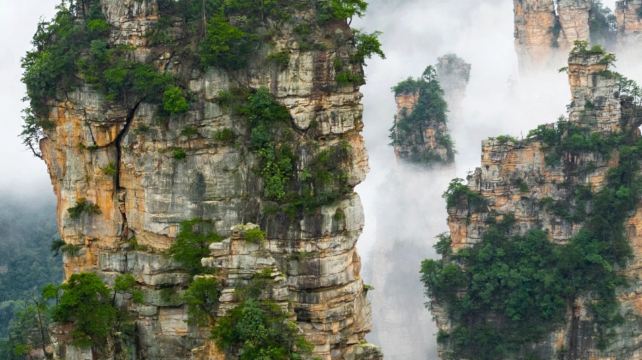
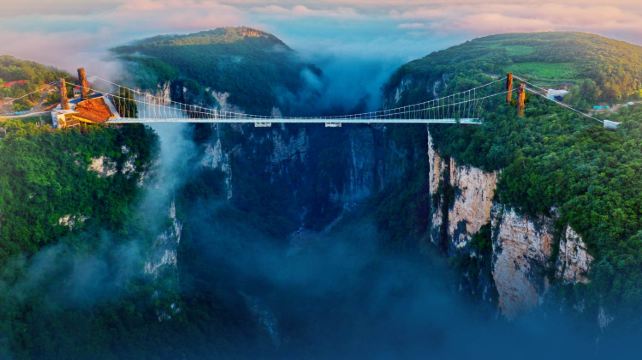
Zhangjiajie, located in the northwestern part of China’s Hunan Province, is a world-renowned natural wonder famous for being the primary inspiration for the "Hallelujah Mountains" in the movie Avatar. Nestled within the Wulingyuan Scenic Area, a UNESCO World Heritage site, it is celebrated for its more than 3,000 quartzite sandstone pillars that rise dramatically hundreds of meters into the sky, often appearing to float amidst a sea of clouds. Visitors can experience the thrill of the Bailong Elevator, the world's tallest outdoor lift, or walk across the transparent Zhangjiajie Glass Bridge. The nearby Tianmen Mountain, featuring the towering natural archway known as "Heaven's Gate," is another legendary landmark in the region.
Mostrar todo
¿Cuándo?
Ver tours

Socios locales de confianza

Zhangjiajie Tours: Looking for Avatar Floating Mountains

Where Is Zhangjiajie

Best Month to Travel to Zhangjiajie

How Many Days are Enough in Zhangjiajie?

Zhangjiajie Transportation Guide

Zhangjiajie Attractions and Things to Do

Zhangjiajie Travel Itinerary

Where to Stay in Zhangjiajie

Where Is Zhangjiajie

Zhangjiajie sits in the northwestern part of China's Hunan Province. It is a mountainous region nestled inside the Wulingyuan Scenic Area, which is designated as a UNESCO World Heritage site. Zhangjiajie is famous worldwide for its unique quartzite sandstone pillars that rise straight out of deep valleys. These unique geological formations served as the core inspiration for the "Hallelujah Mountains" featured in the movie Avatar. Because the terrain is vertical and spread across distinct districts, understanding the local layout is essential for successful Zhangjiajie travel. Here is some great advice.

Best Month to Travel to Zhangjiajie

Choosing the right season affects your visibility of the peaks. The overall best time for a Zhangjiajie tour is during autumn, from September to November. This is the "Golden Window" when the weather is crisp, the skies are clear, and the foliage turns shades of gold and red, giving you the sharpest views of the sandstone pillars.

Spring, from March to May, is another excellent choice. The weather is mild, with temperatures between 10°C and 22°C. Frequent spring mists create a dramatic effect where the mountains appear to float on a sea of clouds, which is great for photography. However, you should bring a raincoat as spring showers are common. Summer, from June to August, is hot and humid, but the thick forest canopy keeps the paths shaded and cool. Winter, from December to February, is cold and sometimes snowy, which means fewer crowds, though some trails may close due to ice.

Tips: Try to avoid major Chinese holidays like October Golden Week or May Labor Day, when domestic crowds peak.

How Many Days are Enough in Zhangjiajie?

If you want to see most of the scenery in Zhangjiajie and gain a complete experience, 3-4 days is the best number of days. If you only have two days, you can also focus on the two areas of Zhangjiajie National Forest Park and Tianmen Mountain.

Zhangjiajie Transportation Guide

With updated infrastructure and transportation networks, traveling to Zhangjiajie has become easier for international tourists.

Flight: Travelers can fly directly into Zhangjiajie Hehua International Airport (DYG) from major Chinese hubs like Shanghai, Beijing, or Xi'an.

Train: China's high-speed rail network connects directly to Zhangjiajie West Railway Station. You can take a fast train from Changsha in about two hours, or from Chengdu in under four hours.

Once you arrive in Zhangjiajie, getting around is relatively convenient thanks to a well-developed tourism transportation system. Most major attractions, like Zhangjiajie National Forest Park, are connected by public buses, taxis, ride-hailing services, and scenic area shuttle buses.

Zhangjiajie Attractions and Things to Do

There are several world-class attractions in Zhangjiajie spread across different parks. A comprehensive Zhangjiajie National Forest Park tour focuses on the Wulingyuan area. Here, your primary stop is Yuanjiajie Mountain, the location of the actual pillar that inspired the Avatar film. You can walk along cliffside observation decks to see the vertical peaks from multiple angles.

To reach the top of Yuanjiajie quickly, visitors ride the Bailong Elevator, a massive glass structure built onto the side of a cliff that ascends 326 meters in less than two minutes. Another major area within the forest park is Tianzi Mountain, known for the Imperial Brush Peak and viewpoints where stone towers rise from the valleys. For a relaxed walk on flat ground, the Golden Whip Stream path tracks along the valley floor next to a fresh stream.

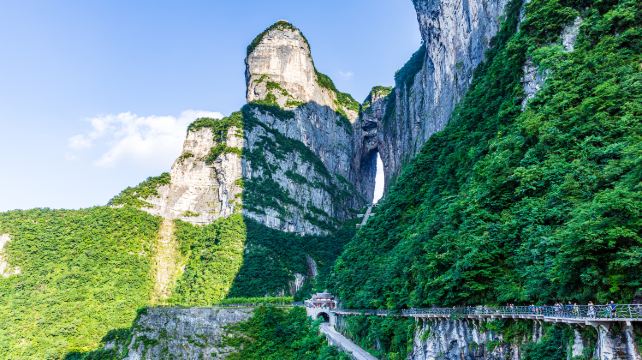
Outside the main forest park, Tianmen Mountain is another must-see site. It features the natural stone archway known as Tianmen Cave, or Heaven's Gate. Visitors can climb the 999 steps to the cave or ride the mountain escalator system. Tianmen Mountain also features glass skywalks bolted to the vertical cliff faces, offering clear views straight down. Finally, the Zhangjiajie Grand Canyon features the famous long Glass Bridge, which suspends walkers high above a canyon floor.

Zhangjiajie Travel Itinerary

Just as I suggested, to see the main highlights without rushing, we recommend a 3-to-4-day Zhangjiajie National Park tour itinerary.

Day 1: Arrive at the airport or train station. Take a cab to your hotel in Wulingyuan to prepare for the hikes.

Day 2: Spend the full day inside Zhangjiajie National Forest Park. Take the Bailong Elevator up to Yuanjiajie to see the Avatar pillars. Take the park shuttle bus to Tianzi Mountain, then ride the cable car down.

Day 3: Head to downtown Zhangjiajie City to ride the long cableway up Tianmen Mountain. Walk across the glass skywalks and visit Tianmen Cave.

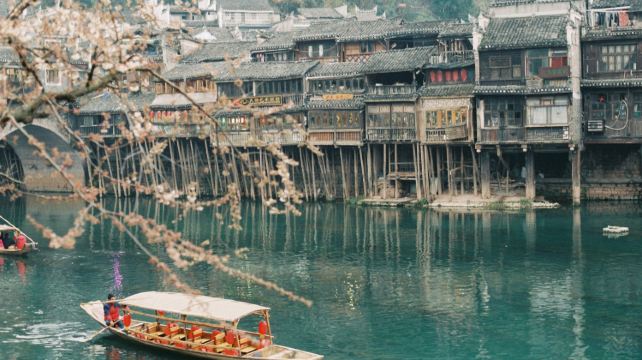
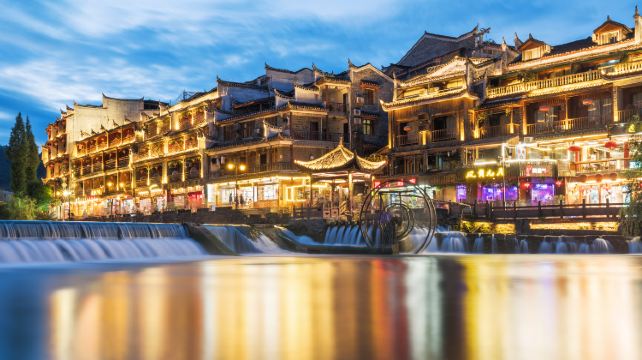
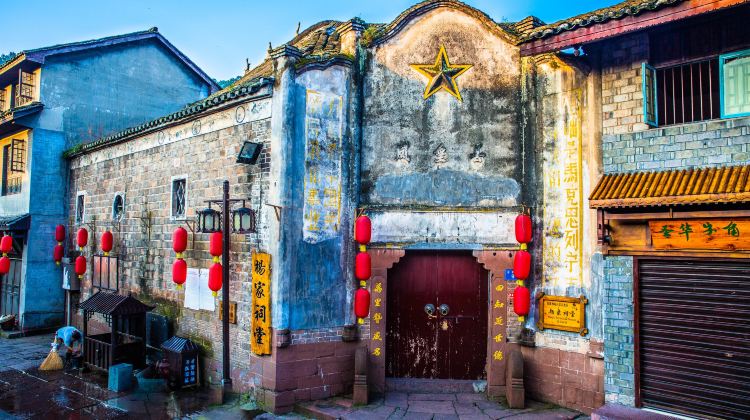
Day 4: Visit the Grand Canyon Glass Bridge in the morning for panoramic canyon views, then transfer back to the airport or train station for your departure. Many travelers also choose to extend their trip to nearby historical destinations like Fenghuang Ancient Town.

Where to Stay in Zhangjiajie

Deciding where to stay depends entirely on your daily itinerary. The region is split into two main hotel hubs:

Wulingyuan District: This is the best option if you are spending multiple days exploring the main national forest park. Staying here places you right next to the park's sign gate, meaning you can walk to the entrance and avoid long morning commutes. Wulingyuan offers plenty of western-style hotels, restaurants, and markets.

Downtown Zhangjiajie City: Choose a hotel downtown for your first or last night, or if you want quick access to Tianmen Mountain. The Tianmen Mountain cable car station is located directly in the city center. Staying downtown keeps you close to the high-speed train station and the airport, making departures straightforward.

La mejor época para visitar Zhangjiajie

Verano 2026
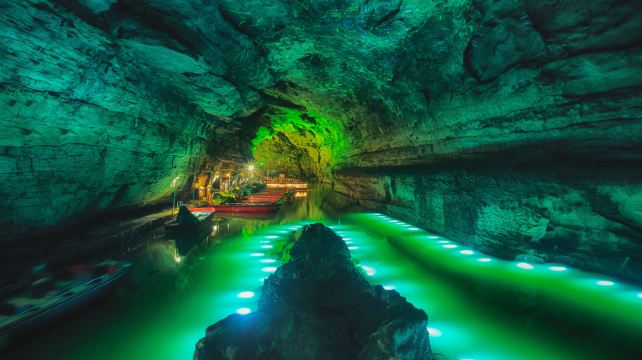
Summer transforms Zhangjiajie into a lush, emerald fortress with temperatures ranging from 24°C (75°F) to 33°C (91°F). While the humidity is high, the dense forest canopy provides a natural parasol, making the mountain trails significantly cooler than the surrounding cities. This is the peak season for adrenaline seekers to cross the Zhangjiajie Glass Bridge or brave the 999 steps to Heaven’s Gate on Tianmen Mountain. The increased summer rainfall feeds spectacular waterfalls and ensures the scenery is at its most vivid and "Avatar-like." Visitors can escape the midday heat by exploring the underground wonders of the Dragon Palace or enjoying a drift down the Maoyan River. Evenings are best spent at the "Tianmen Fox Fairy" outdoor show, where the illuminated mountains serve as a dramatic backdrop to a traditional folk musical.
Mostrar todo
Otoño 2026
Autumn is widely heralded as the golden era for travel, featuring crisp, stable weather and temperatures between 12°C (54°F) and 24°C (75°F). As the monsoon clouds recede, the sky turns a deep, piercing blue, providing the highest visibility for viewing the iconic Hallelujah Mountain. The landscape undergoes a stunning color shift as the deciduous trees turn brilliant shades of gold and scarlet against the dark green pines and gray stone. This dry season is perfect for long-distance trekking and capturing the sharp, rugged details of the "Ten-mile Gallery" from the sightseeing train. Cultural enthusiasts can visit the Tujia Folk Customs Park to celebrate the harvest season with local ethnic dances. The comfortable air and clear horizons make autumn the most popular time for professional photographers and nature lovers alike.
Mostrar todo
Invierno 2026/2027
Winter in Zhangjiajie is a serene, silver wonderland where temperatures fluctuate between -2°C (28°F) and 10°C (50°F). While the high-altitude air is cold, the absence of crowds allows for a deeply peaceful immersion into the mountain's "Zen" atmosphere. On snowy days, the quartz sandstone pillars are capped with white, looking like a scene from a traditional Chinese ink-wash painting. This is the best time to experience the dramatic rime ice on the trees along the Tianmen Mountain cliff-hanging walkways. Travelers can find warmth in the local Tujia stilted houses, savoring spicy smoked meats and "Three-Down-Pots" stew by a charcoal fire. The low season also offers significantly lower prices for hotels and entrance fees. After a chilly day of exploring the frost-dusted peaks, soaking in the Jiangya Hot Springs provides a luxurious and rejuvenating escape.
Mostrar todo
Primavera 2027
Spring in Zhangjiajie is a breathtaking awakening where temperatures climb from 10°C (50°F) to 22°C (72°F). This mild, humid climate creates the famous "hanging gardens" effect as vibrant wildflowers and azaleas cling to the towering sandstone pillars. The frequent spring mists wrap the peaks in a celestial veil, offering the best conditions for seeing the "Sea of Clouds" from the Bailong Elevator. It is the perfect season to explore the Golden Whip Brook, where the crystal-clear water reflects the budding greenery and playful rhesus monkeys. Travelers can also enjoy the tranquil atmosphere of the Yellow Dragon Cave or take a boat ride on Baofeng Lake. The refreshing air and manageable crowds make spring an ideal time for photography and long hikes through the Yuanjiajie and Tianzi Mountain areas.
Mostrar todo

Reviews for Zhangjiajie Tours

J
3-Day Private Zhangjiajie Highlights Tour·Tianmenshan National Forest Park, Tianmen Cave, Ten Mile Gallery & Huanglong Cave

An amazing 3-day adventure. The views from Tianmen Mountain’s cableway are unforgettable, and Huanglong Cave was a fascinating surprise. Loved the flexibility of a private tour — we could go at our own pace

Mostrar todo
O
5-Day Epic China Zhangjiajie Adventure Private Tour·Zhangjiajie National Forest Park, Bailong Elevator, Tianmen Mountain and Phoenix Ancient Town

Walking the Grand Canyon glass bridge was terrifying but thrilling. Golden Whip Stream was a peaceful walk through the forest. The drive to Fenghuang is long (3+ hours), but the ancient town at night, with all the lit-up buildings along the river, was magical. Our private car was comfortable. A well-organized and memorable trip.

Mostrar todo
C
6-Day Hunan Private Tour· Zhangjiajie, Fenghuang Ancient Town, Furong Town, Tianzi Mountain, Baofeng Lake

This private tour was outstanding. The Pullman hotel in Zhangjiajie was luxurious, and staying four nights meant we never felt rushed. The Avatar mountains at Yuanjiajie are surreal — the Bailong Elevator is a must. Our guide was flexible and adjusted the pace for us. The only tiny downside is that lunches aren’t included, but our guide took us to great local spots. Highly recommend for a hassle-free trip.

Mostrar todo
S
5-Day Scenic Zhangjiajie Group Tour· National Park Wonders & Fenghuang Ancient Town

I loved the mix of natural wonders and cultural experiences. The Yellow Dragon Cave is enormous and beautiful. Dressing up in Miao costumes for photos in Fenghuang was a fun touch. Our guide, Lily, spoke excellent English and even took amazing pictures for us. The only tiny downside was that day 3 was very long (we got back to the hotel at 9 PM), but the included dinner was delicious.

Mostrar todo

Preguntas frecuentes sobre tours de Zhangjiajie

What is the best time of year to visit Zhangjiajie National Forest Park to avoid crowds and rain?

Visit Zhangjiajie from mid-September to early November for clear skies, mild temperatures, and fewer tourists. Spring (March–April) offers lush greenery but occasional rain. The monsoon season runs May–August, bringing heavy downpours and fog that reduce visibility. Winter (December–February) is cold but less crowded, with rare snow enhancing the scenery.

How do I get from Zhangjiajie Hehua Airport to Wulingyuan entrance of the National Park?

Take the airport shuttle bus to Zhangjiajie Central Bus Station (30 mins), then transfer to a direct bus to Wulingyuan (1 hour, ¥13). Taxis cost ¥150–200 for the full trip. Buses run from 8:00 AM to 5:30 PM. Pre-arranged transfers via hotels are reliable and available 24/7.

Is the Glass Bridge at Zhangjiajie Grand Canyon safe, and should I bring my own socks?

Yes, the Glass Bridge is structurally safe, made of 99 panes of 3-layer tempered glass, each load-tested to 1,000 kg. Socks are required to protect the surface—free pairs are provided at the entrance. Closed-toe shoes are recommended. The bridge closes during high winds or thunderstorms.

Do I need multiple days to visit Zhangjiajie National Forest Park, and how do the park shuttles work?

Yes, allocate at least 2–3 days to cover key areas like Yuanjiajie, Tianzi Mountain, and Golden Whip Stream without rushing. Park shuttles run 24/7 on fixed routes—buses are free with your admission ticket and arrive every 5–15 minutes. Maps and route signs are in English; major stops connect cable cars and hiking trails.