The best things to do in Yosemite on a first visit begin in Yosemite Valley, where waterfalls, granite walls, meadows, and famous views sit relatively close together. Start with Yosemite Falls and views of Half Dome and El Capitan, then choose one activity that matches your ability: an easy valley walk, a longer waterfall hike, a ranger-led experience, cycling, or stargazing. Add Mariposa Grove, Glacier Point, or the high country only when the season, road access, and your available time make the extra travel worthwhile. Travelers with one day should stay focused; those with two or three days can explore beyond the valley without rushing. A guided multi-day tour can simplify transport from a gateway city, but independent travel provides more control over trail choice and timing. Always check current roads, trails, weather, services, lodging, and permit requirements before departure.
Best Things to Do in Yosemite for First-Time Visitors


Start With Yosemite Valley and the Icons
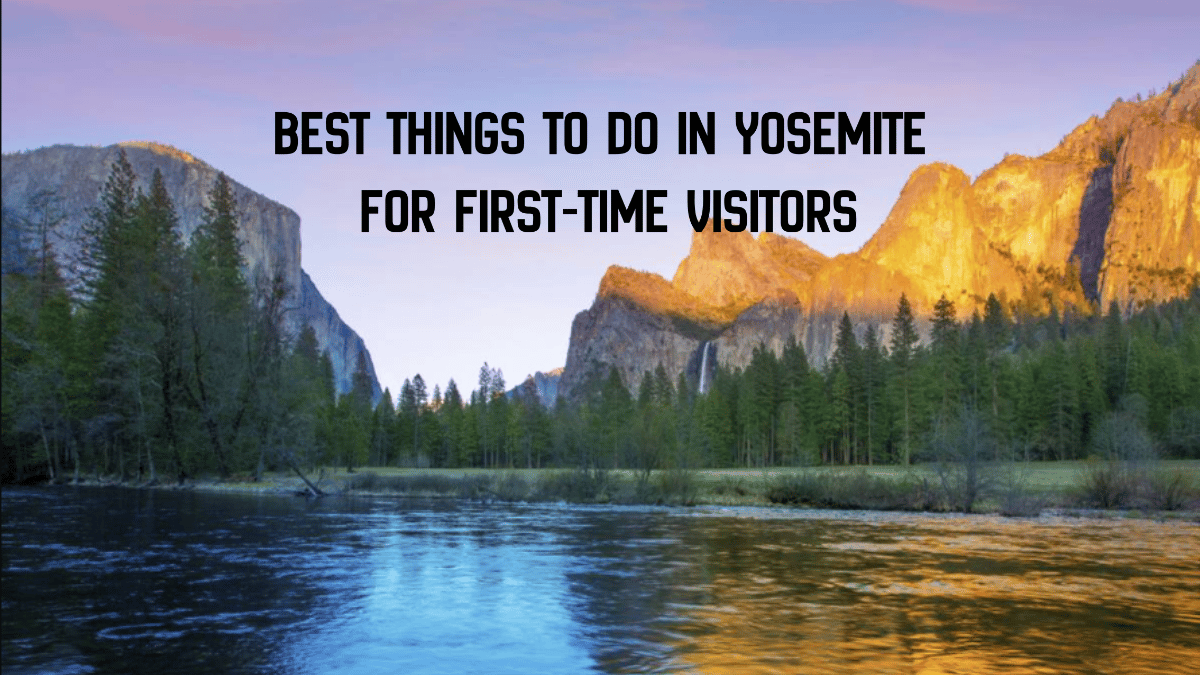
Yosemite Valley is the most practical first stop because it concentrates many of the park's defining scenes. Look for Yosemite Falls, granite views toward Half Dome, the immense face of El Capitan, open meadow scenery, and the Merced River. An orientation stop at a visitor information point can help you adjust the day around current trail conditions, shuttle operations, and weather rather than following a rigid list. The valley is not the whole park, but it gives a first-time visitor the clearest introduction with the least geographic overreach. Use broader Yosemite National Park travel options to understand how the park can fit into a California trip, then reserve enough time to slow down at viewpoints instead of treating every landmark as a photo checkpoint. For a short visit, combine one signature view with one walk. A gentle valley-floor route works for travelers who want scenery without a demanding climb. Active visitors can choose a longer trail, but stacking multiple strenuous hikes often leaves too little time for changing conditions, parking, shuttle movement, meals, and recovery.
Match Activities to Your Time and Ability
| Experience | Best For | Effort Pattern | Check First |
| Valley viewpoints | First visits and limited time | Short stops and easy walking | Traffic and parking |
| Valley-floor walks | Families and relaxed days | Flexible, mostly gentle | Trail conditions |
| Waterfall hike | Active travelers | Choose one suitable route | Water, weather, and closures |
| Giant sequoias | Forest scenery | Extra travel plus walking | Access and shuttle details |
| High-country scenery | Longer summer trips | Substantial driving | Seasonal road status |
| Stargazing | Low-impact evenings | Minimal exertion | Clouds and night safety |
With one day, stay in the valley and choose either an easy walk or one more ambitious hike. With two days, use the second for a different landscape or a longer activity. Three days allows more flexibility for weather and seasonal access. Families and travelers with limited mobility should favor shorter walks, interpretation, scenic stops, and time near the river or meadows. Active hikers should select a route by distance, elevation, exposure, and current conditions, not by reputation alone. Carry water, use suitable footwear, and turn around when weather or fatigue changes the risk. Non-hikers can still build a satisfying day around views, visitor exhibits, photography, ranger programming when available, and a dark-sky evening.
Go Beyond the Valley Only When It Fits
Mariposa Grove adds giant sequoias and a distinct forest experience, while Glacier Point can provide a different high-elevation perspective when access is available. Tuolumne Meadows and the high country reward travelers who have more time and who are comfortable adding significant driving. These areas should be choices, not boxes that every first-time visitor must check.Season controls the decision. Snow and road conditions can limit access well beyond the calendar dates travelers expect, and services may not operate uniformly across the park. Check official current conditions shortly before the trip and again on the day of travel. Avoid building an itinerary that depends on a single seasonal road remaining open. A useful rule is one major area per half day, with more time for hiking. If reaching an outlying area would leave only a brief stop before turning back, keep the day in the valley. The goal is to experience Yosemite's scale and atmosphere, not merely to cover the greatest distance.
When a Guided Multi-Day Tour Makes Sense
Organized Yosemite vacation packages can help travelers who prefer a defined gateway, coordinated transport, and a planned sequence. They are most useful when Yosemite is part of a broader route and no one in the group wants to manage every transfer. The tradeoff is less control over departure times, trail choices, and how long you remain at each view. Browsing Tours4fun makes it possible to compare camping, lodging, and longer regional formats in one place. Read the live daily itinerary rather than relying on a product name or image. Verify what is included, how much Yosemite time is scheduled, where the tour ends, and whether seasonal rerouting would change the experience.
- The 4-Day National Parks Lodging Tour from Las Vegas fits travelers who prefer lodging to camping and want a compact organized framework from Las Vegas. Its benefit is combining transport planning with a lodging-based format. The limitation is that the product page could not be fully verified during research, so confirm the Yosemite allocation, stops, accommodation details, inclusions, end city, availability, and terms before booking.
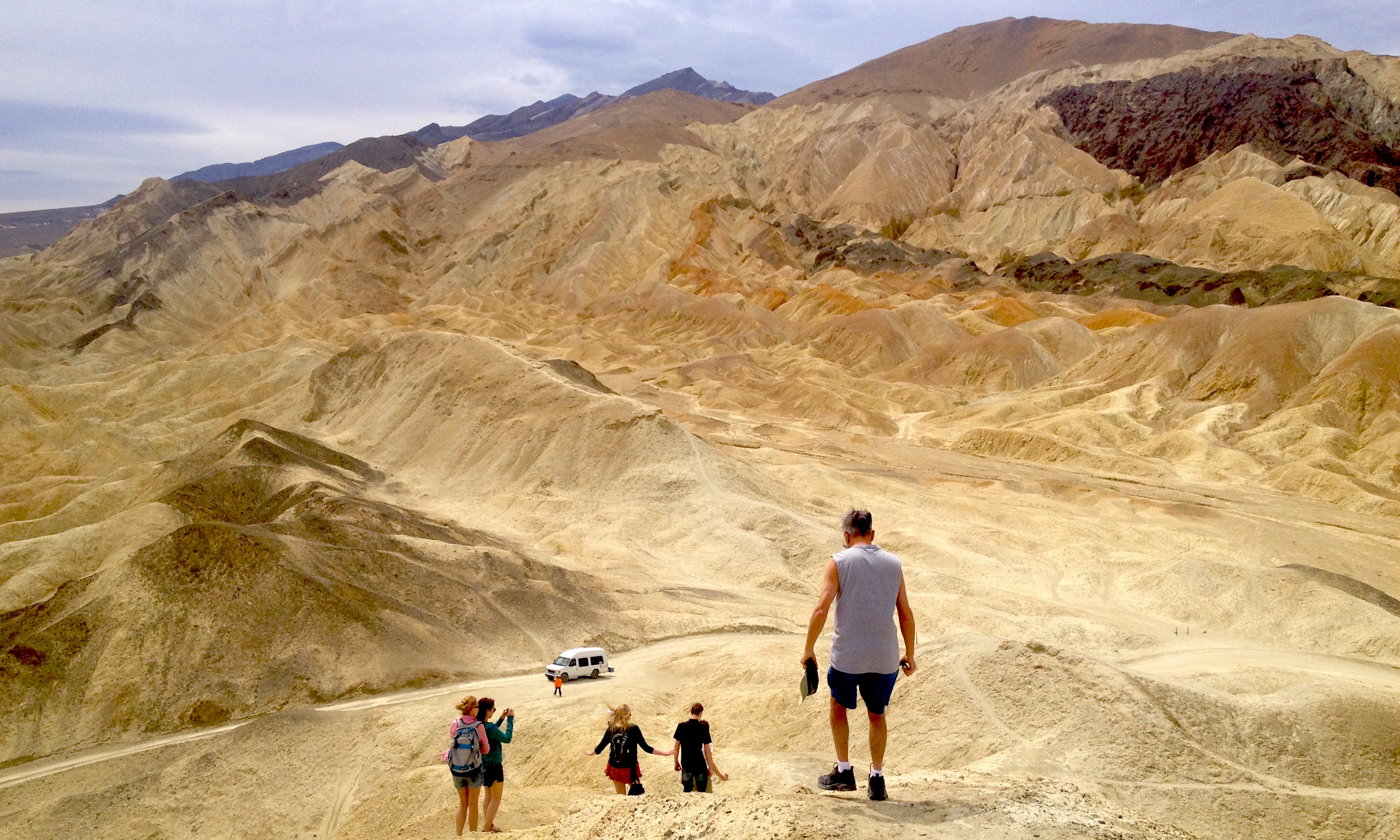
- The 4-Day Death Valley and Yosemite Camping Tour from Las Vegas is better suited to active travelers comfortable with shared camping. The verified route runs from Las Vegas through Death Valley and Yosemite to San Francisco, with Yosemite orientation on day two and a full exploration day on day three. Park entries, camping equipment, transport, and Yosemite walks or hikes are listed as inclusions. Meals are excluded from the base package, solo single occupancy is unavailable, and the Tioga Pass route is weather-dependent.
- The 11-Day Southwest Highlights Lodging Tour from Las Vegas may suit someone comparing a longer regional journey with short Yosemite-focused travel. Its advantage is an extended lodging-based framework rather than a four-day format. However, the page was inaccessible during verification, so do not assume Yosemite or any particular park, hotel, meal, admission, endpoint, price, or departure is included. Confirm the complete live itinerary before considering it a Yosemite solution.
Recommend Tour


![11-Day Zion, Bryce, Arches, Canyonlands, Grand Canyon, Death Valley, Yosemite and Monument Valley Lodging Tour from Las Vegas [Max 13 Small Group]](https://cdn.tff.bz/public/wt/03/cb/202607241000363529800169003.jpg?imageView2/2/w/400/h/0/q/85/format/webp)
Plan the Practical Side of a First Visit
For 2026, the National Park Service states that an entrance reservation is not required to enter Yosemite, although the park entrance fee still applies. That does not remove other planning requirements. Overnight wilderness trips need wilderness permits, Half Dome requires a permit when the cables are up, and lodging or campground stays require their own reservations. Recheck official guidance because rules can change. If Yosemite is one part of a longer southern California vacation, compare Los Angeles trips and tours before deciding where the park belongs in the route. Treat Los Angeles as a separate gateway or extension, not a nearby Yosemite activity, and allow realistic time for the transfer rather than compressing both destinations into one sightseeing day. Travelers continuing west can review San Francisco travel options and decide whether to finish the trip in the city. This pairing can work naturally with an organized route that ends in San Francisco, but independent travelers should still confirm road conditions, overnight plans, and the time needed to return a vehicle or reach onward transportation.
FAQ
What Are the Must-See Places in Yosemite for a First Visit?
Prioritize Yosemite Valley, Yosemite Falls, and views of Half Dome and El Capitan. Add one walk or hike that matches your ability. Mariposa Grove, Glacier Point, or the high country can be worthwhile when access and available time support the extra travel.How Many Days Do You Need in Yosemite?
One day provides a focused valley introduction. Two days allows a longer hike or a second area, while three days gives more flexibility for weather, seasonal roads, and a slower pace. Avoid counting arrival and departure transfers as full sightseeing days.What Can You Do in Yosemite Without a Long Hike?
Enjoy valley viewpoints, short walks, meadow and river scenery, visitor exhibits, photography, ranger programs when offered, cycling where permitted, and stargazing. Check accessibility and current service information before traveling because routes, shuttles, and facilities can change.Do You Need a Reservation to Enter Yosemite?
An entrance reservation is not required in 2026, according to current National Park Service guidance. The entrance fee still applies, and separate reservations or permits may be needed for lodging, camping, overnight wilderness travel, and Half Dome. Always verify the latest rules before departure.You May Also Like

Best Things to Do in Ireland for First-Time Visitors
22 Sep 2026

Traveling the Silk Road China: Xi'an to Dunhuang & Beyond
22 Sep 2026

Harbin Travel Guide: Ice Festival & Russian Architecture
21 Sep 2026
Summary
Start With Yosemite Valley and the Icons
Match Activities to Your Time and Ability
Go Beyond the Valley Only When It Fits
When a Guided Multi-Day Tour Makes Sense
Plan the Practical Side of a First Visit
FAQ
America's 250th Anniversary Mega Sale