HarbinChinaAsiaBest TimePlaces to GoThings to Do
Show All

Harbin Travel Guide: Ice Festival & Russian Architecture

cover

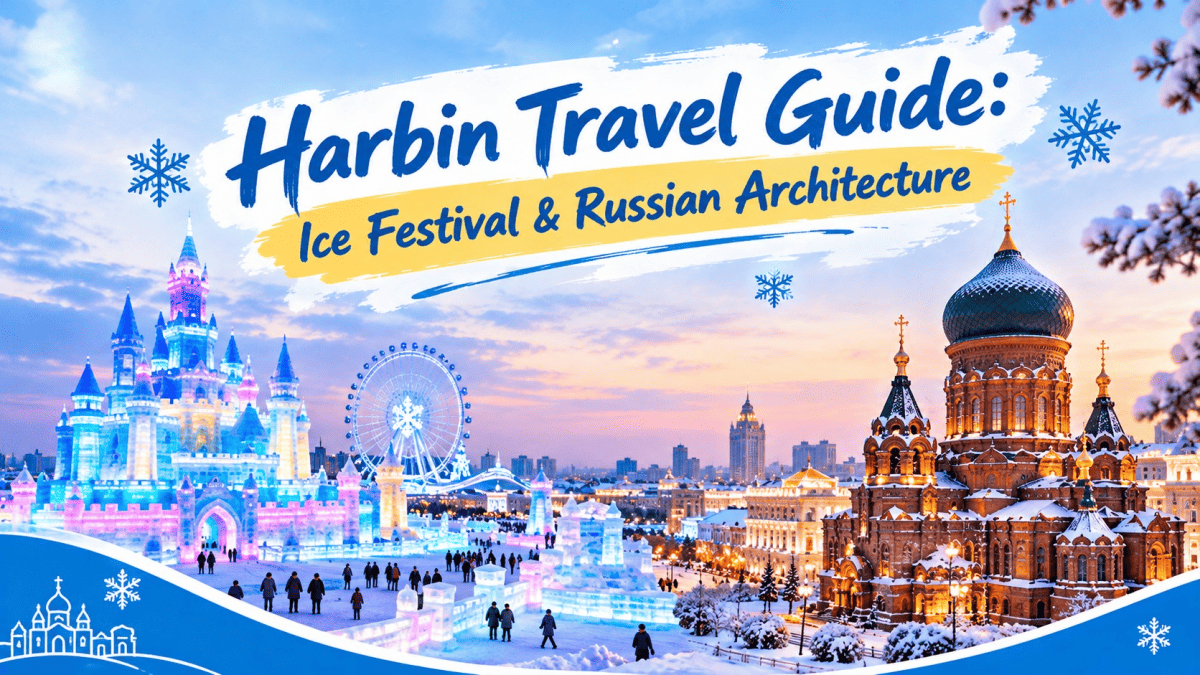
Harbin stands as one of China's most distinctive cities, where Russian architectural heritage meets famous winter celebrations. Located in northeast China's Heilongjiang province, this city of 10 million people transforms every January into a frozen wonderland that draws visitors from around the world. The Harbin Ice and Snow Festival showcases enormous ice sculptures illuminated by colorful lights, while the city's Russian-influenced architecture tells the story of its unique cultural history.

This Harbin travel guide covers everything you need to know about visiting this fascinating northern city, from the world-famous ice festival to the Russian-style buildings that line its streets. Whether you're planning to brave the extreme winter temperatures or visit during warmer months, you'll find plenty of things to do in Harbin, China, that showcase its unique character.


Why Visit Harbin?

Where is Harbin, China?


Harbin sits in northeastern China, serving as the capital of Heilongjiang province. The city lies on the Songhua River at 45°N latitude, making it one of China's northernmost major cities. Its position near the Russian border has profoundly shaped its cultural identity, creating a unique blend of Chinese and Russian influences that distinguishes it from other Chinese cities.

harbin

The City's Unique History


Harbin's modern development began in the late 19th century when Russia built the Chinese Eastern Railway through the region. The city became a major hub for Russian immigrants, particularly after the 1917 Russian Revolution. This influx created a cosmopolitan city where Russian architecture, cuisine, and culture flourished alongside Chinese traditions. Today, Harbin tourist attractions reflect this dual heritage, with Orthodox churches standing beside Chinese temples and European-style buildings lining modern shopping streets.

Climate and Best Time to Visit


Harbin experiences extreme seasonal variations. Winter temperatures regularly drop below -20°C (-4°F), with January averages around -18°C (0°F). Summer brings warm, humid weather with temperatures reaching 28°C (82°F). The famous Ice Festival runs from early January through late February, drawing the largest crowds. For comfortable sightseeing without extreme cold, visit in May-June or September-October. However, if you want to experience the ice festival and winter activities, bundle up and embrace the cold.

Harbin Ice and Snow Festival

Festival History and Significance


The Harbin Ice and Snow Festival began in 1963 as a local winter celebration but was interrupted during the Cultural Revolution. It resumed in 1985 and has grown into one of the world's largest ice and snow festivals, competing with similar events in Quebec, Sapporo, and Oslo. The festival transforms Harbin into an open-air gallery of ice architecture, featuring life-sized buildings, sculptures, and slides carved from blocks of frozen Songhua River water.

What to Expect at the Festival


The festival's centerpiece is Ice and Snow World, a massive theme park built entirely from ice. Here you'll find full-scale replicas of famous buildings like the Great Wall and Forbidden City, along with fantasy castles, slides, and mazes. After dark, embedded LED lights illuminate the ice structures in brilliant colors, creating a surreal nightscape. The festival also features snow sculptures at Sun Island, ice lantern shows in Zhaolin Park, and winter swimming competitions in the frozen Songhua River.

Ice and Snow Festival

Festival Dates and Planning


The official festival runs from January 5 to February 25 each year, though some venues open in late December and close based on weather conditions. January offers the best ice quality and most complete displays. Plan to spend at least 2-3 days exploring the various festival venues. Book accommodation well in advance, as hotel prices surge during peak festival weeks. Many Harbin vacation packages include festival tickets and transportation between venues. Many organized Harbin tours include these winter activities with transportation and guided sightseeing.

Things to Do in Harbin China

Russian Architecture and Heritage


Saint Sophia Cathedral

This Russian Orthodox cathedral, built in 1907, stands as Harbin's most iconic landmark. The Byzantine-style building features a massive green dome, red brick walls, and arched windows. Though no longer functioning as a church, it houses an exhibition on Harbin's architectural history. The cathedral's square becomes particularly beautiful in winter when snow covers the dome and ice forms patterns on the surrounding pavement. Many travelers book Harbin vacation packages that include the ice festival, Russian architecture tours, and winter activities with all logistics handled.

Saint Sophia Cathedral


Central Street (Zhongyang Pedestrian Street)

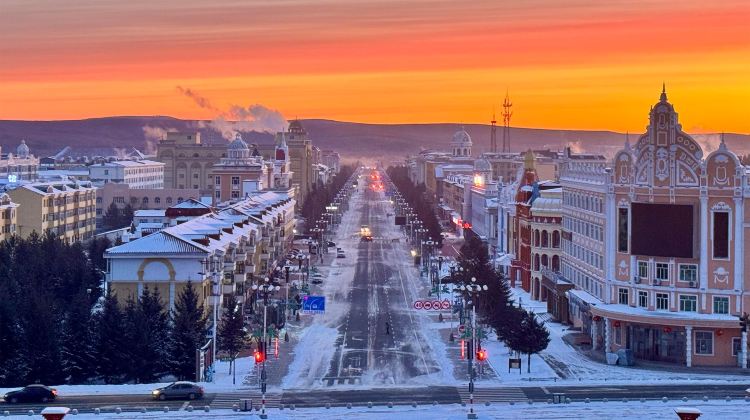
This 1.4-kilometer pedestrian street showcases Harbin's European heritage through its collection of Renaissance, Baroque, and Art Nouveau buildings. Constructed in 1898, the street's cobblestone pavement and ornate facades recall early 20th-century European cities. Today it functions as a shopping and dining district where you can find Russian restaurants, modern boutiques, and historic architecture. In winter, the street's European-style buildings create a festive atmosphere enhanced by ice decorations and holiday lights.

Russian-style Buildings

Beyond Central Street, Harbin's Russian architectural heritage appears throughout the city. The former Russian Consulate, now a protected historic building, displays typical Russian imperial design. Many apartment buildings in the Daoli and Nangang districts feature Russian-style balconies, decorative moldings, and colorful facades. Walking through these neighborhoods provides a glimpse into Harbin's cosmopolitan past when Russian, Jewish, and other European communities shaped the city's character.

Winter Activities and Attractions


Ice and Snow World

This massive ice theme park covers 600,000 square meters and requires several hours to visit fully. Beyond the illuminated ice buildings, you'll find ice slides, ice mazes, ice bars serving drinks in frozen glasses, and performance stages for ice sculpture competitions. The park opens around December 25 and operates until late February or early March, depending on temperatures. Visit during daylight to appreciate the sculptural details, then return after 4 PM when the lights create the full magical effect.

Sun Island Snow Sculpture Art Expo

Located on Sun Island in the Songhua River, this venue focuses on snow rather than ice. Artists carve enormous snow sculptures depicting historical scenes, mythological figures, and contemporary themes. The snow works have a different aesthetic than ice structures, with soft white surfaces and intricate details. The expo also features winter sports demonstrations, snow slides, and hot food vendors selling local specialties to help visitors stay warm.

Winter Swimming in Songhua River

For the truly adventurous, Harbin offers the chance to watch or participate in winter swimming in the frozen Songhua River. Local enthusiasts cut holes in the thick ice and swim in near-freezing water, claiming health benefits from the practice. Several designated swimming areas welcome spectators, and some organized groups allow visitors to try brief dips. This activity showcases the hardy spirit of Harbin residents who embrace rather than avoid their harsh winters.

Cultural Experiences


Harbin Polarland

This large theme park combines aquarium exhibits with polar animal displays and entertainment shows. You can see penguins, polar bears, white whales, and seals in habitats designed to mimic their natural environments. The park's underwater tunnel lets you walk beneath swimming sharks and rays. Polarland offers a warm respite from outdoor winter activities and provides family-friendly entertainment when temperatures become too extreme for extended outdoor exposure.

Heilongjiang Provincial Museum

Located in a Russian-style building, this museum covers the region's natural history, ethnic minorities, and modern development. Exhibits examine the lifestyles of Heilongjiang's indigenous peoples, the region's wildlife including Siberian tigers and cranes, and the history of Chinese-Russian relations. The museum provides context for understanding Harbin's unique position as a cultural border city and offers warm indoor exploration during cold winter days. Tours4fun's Harbin itineraries typically include this museum as part of their cultural heritage tours.

Local Food Scene

Harbin's cuisine reflects its Russian and northeastern Chinese influences. Try Harbin red sausage, a garlicky smoked sausage derived from Russian recipes. Russian-style restaurants serve borscht, pelmeni (dumplings), and blini (crepes). Local Chinese specialties include guo bao rou (sweet and sour pork) and dumplings filled with local ingredients. Central Street offers the highest concentration of restaurants, ranging from historic establishments to modern fusion cuisine.

Harbin Tourist Attractions Beyond Winter

Zhaolin Park


This historic park in the city center serves as one of the Ice Festival's original venues. Even outside festival season, Zhaolin Park offers peaceful gardens, traditional Chinese pavilions, and lakes that freeze solid in winter. The park commemorates General Li Zhaolin, a hero, with statues and memorial halls. During warmer months, locals practice tai chi, play chess, and enjoy evening strolls through the tree-lined paths.

Harbin Siberian Tiger Park


Home to over 500 Siberian tigers, this conservation park and breeding center allows visitors to observe these endangered big cats in large enclosures. Feeding experiences let you watch tigers leap for meat suspended from poles, while enclosed vehicles drive through areas where tigers roam freely around visitors. The park plays an important role in preserving the Siberian tiger population and educates visitors about conservation efforts.

St. Sophia Cathedral (Year-round)


While mentioned earlier for its winter beauty, Saint Sophia Cathedral deserves recognition as a year-round attraction. The building's architectural details become more visible without snow cover, allowing appreciation of its brickwork, arched windows, and dome structure. The interior exhibition covers Harbin's architectural history and the Russian community's influence on the city. The surrounding plaza hosts street performers and serves as a gathering point for both locals and tourists.

Saint Sophia Cathedral

Practical Travel Information

Getting to Harbin


For travelers combining multiple destinations, many Harbin, China tour packages include transportation arrangements and can coordinate your arrival with festival timing.

Getting Around the City


Harbin's metro system covers major attractions with three lines and expanding coverage. Taxis are affordable and widely available, though drivers may not speak English. During the Ice Festival, special bus routes connect major venues. Walking works well for Central Street and nearby attractions. In winter, be prepared for icy sidewalks and allow extra travel time.

Accommodation Tips


Hotel options range from international chains to budget guesthouses. During the Ice Festival, prices increase significantly, and availability becomes limited. Book 2-3 months in advance for January visits. Central Street area offers convenient access to attractions and restaurants. Look for hotels with good heating systems and, if possible, rooms facing south for natural warmth. Many hotels provide thick winter coats for guest use during outdoor excursions.

What to Pack for Winter


If visiting during the Ice Festival, pack for extreme cold: thermal underwear, fleece or down jacket, windproof outer layer, insulated waterproof boots, thermal socks, gloves, hat covering ears, and face protection for wind chill. Hand and toe warmers (disposable heat packs) prove invaluable. Camera batteries drain quickly in cold weather, so bring extras and keep them warm. Layers allow adjustment between outdoor cold and indoor heating.

Final Thoughts

Harbin offers a travel experience unlike anywhere else in China, where Russian heritage meets Chinese culture and winter becomes a celebration rather than a hardship. The Ice Festival transforms the city into a frozen fantasyland that showcases human creativity and engineering on a massive scale. Beyond the ice, the city's Russian architecture, unique cuisine, and northern character provide cultural depth that rewards longer visits.

Whether you brave the extreme cold for the January ice festival or visit during more temperate seasons to see the Russian architectural heritage, Harbin delivers memorable experiences. The city's ability to turn its harshest season into its biggest attraction demonstrates the resourcefulness and spirit of its residents. For travelers seeking something different from China's typical tourist destinations, Harbin provides a genuinely unique experience.

FAQ

How cold does Harbin get in winter?

Harbin winter temperatures regularly drop to -20°C to -30°C (-4°F to -22°F), with wind chill making it feel even colder. January averages around -18°C (0°F). The extreme cold requires serious winter gear and limits outdoor exposure to 30-60 minutes at a time without proper protection. Indoor heating is standard throughout the city.

How many days do you need in Harbin?

Spend 2-3 days minimum to see the Ice Festival venues and main city attractions. Add another day if you want to visit the Siberian Tiger Park or visit Russian architectural heritage in depth. The Ice Festival itself requires at least two half-days to experience both daytime details and nighttime illumination at Ice and Snow World.

When is the best time to visit Harbin?

For the Ice Festival experience, visit between January 5 and February 20. January offers the best ice quality and most complete displays. For comfortable sightseeing without extreme cold, visit May-June or September- October, when temperatures range from 10-25°C (50-77°F). Each season offers different experiences, so your ideal timing depends on whether you prioritize the ice festival or comfortable weather.

Is Harbin safe for tourists?

Yes, Harbin is generally safe for tourists. Violent crime is rare, and the city maintains good security during the busy festival season. The main safety concerns involve cold weather exposure and slippery ice. Stay on cleared paths, dress appropriately, and limit outdoor time during extreme cold snaps. Pickpocketing can occur in crowded festival areas, so secure valuables as you would in any tourist destination.

What makes Harbin different from other Chinese cities?

Harbin's Russian architectural heritage, extreme winter climate, and ice festival tradition distinguish it from other Chinese cities. The blend of Russian Orthodox churches, European-style buildings, and Chinese culture creates a unique urban landscape. The city's embrace of winter rather than avoidance of it also sets it apart, with residents celebrating rather than enduring the cold months.

Summary

Why Visit Harbin?

Harbin Ice and Snow Festival

Things to Do in Harbin China

Harbin Tourist Attractions Beyond Winter

Practical Travel Information

Final Thoughts

FAQ

America's 250th Anniversary Mega Sale

image