Xi'anChinaAsiaPlaces to GoThings to DoTravel Tips
Mostrar todo

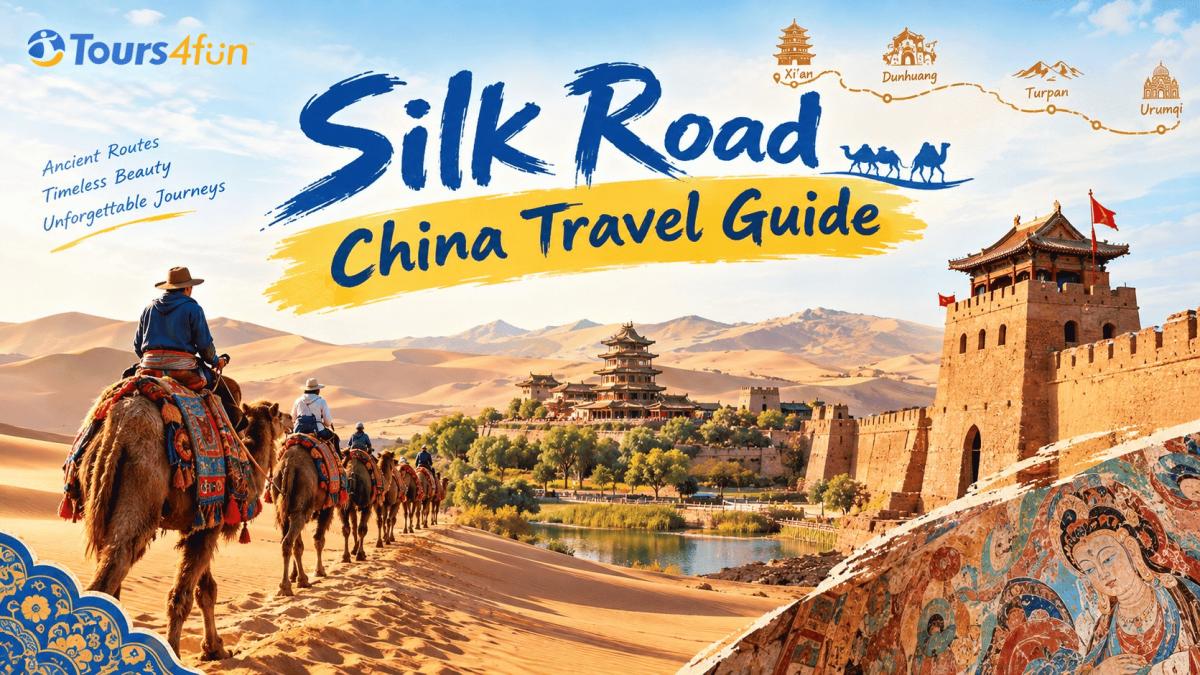
Traveling the Silk Road China: Xi'an to Dunhuang & Beyond

cover

The ancient Silk Road represents one of history's most fascinating trade networks, connecting China to Central Asia, the Middle East, and Europe. For modern travelers, exploring China's Silk Road offers a journey through time, where ancient caravan routes pass through dramatic desert landscapes, Buddhist cave temples, and cities that have thrived as trading posts for over two millennia. Traveling the Silk Road through China's northwest reveals a side of the country far removed from the crowded eastern cities, where minority cultures, remarkable geography, and archaeological treasures await.

This guide covers everything you need to know about China Silk Road travel, from planning your itinerary to understanding the best time to visit. Whether you're following the classic route from Xi'an to Dunhuang or extending your journey further west, you'll find practical advice for exploring these historic places along the Silk Road.


Understanding the Silk Road

Historical Background


The Silk Road wasn't a single path but a network of trade routes spanning over 6,400 kilometers (4,000 miles) from China's ancient capitals to the Mediterranean Sea. Established during the Han Dynasty (206 BCE-220 CE), these routes facilitated not just silk trade but the exchange of spices, precious metals, religious ideas, technologies, and cultural practices between East and West. Merchants, monks, soldiers, and diplomats traveled these paths, creating one of the ancient world's first examples of globalization.

silk road

How Long is the Silk Road?


The full Silk Road stretches approximately 6,400 kilometers (4,000 miles) from Xi'an in central China to Antioch in modern-day Turkey, with branches extending to Rome, India, and Southeast Asia. The Chinese section covers roughly 2,000 kilometers from Xi'an through Gansu province to the Xinjiang border. Most travelers focus on specific segments rather than attempting the entire route. How long Silk Road travel takes depends entirely on which sections you choose to visit and your travel pace.

The Chinese Silk Road Route


China's portion of the Silk Road follows a logical path from the ancient capital through the Hexi Corridor, a narrow strip of fertile land between mountains and desert. Key stops include Xi'an (ancient Chang'an), Lanzhou, Zhangye, Jiayuguan, and Dunhuang before entering Xinjiang's vast territory. This route combines historical significance with diverse landscapes, from loess plateaus to Gobi Desert edges, making it one of China's most compelling travel corridors.

Planning Your China Silk Road Travel Itinerary

Classic Route: Xi'an to Dunhuang


The most popular Silk Road segment covers Xi'an to Dunhuang, spanning approximately 1,800 kilometers. This 7-10 day journey allows you to experience major highlights without excessive travel time. Starting in Xi'an, you'll follow the ancient caravan route westward through Lanzhou, Zhangye's colorful Danxia landforms, Jiayuguan's Great Wall fortress, and finally Dunhuang's Mogao Caves. This itinerary balances historical sites, natural wonders, and cultural experiences.

dunhuang

Extended Route: Adding Xinjiang


For travelers with more time, extending your China Silk Road travel into Xinjiang reveals the route's full grandeur. From Dunhuang, continue to Turpan's ancient oasis cities, Urumqi's modern bazaars, and Kashgar's Sunday market, where Central Asian culture dominates. This extended journey requires 14-21 days and introduces you to Uyghur culture, Islamic architecture, and some of Asia's most dramatic desert and mountain landscapes. The western sections feel distinctly different from eastern China, with Persian and Central Asian influences prominent.

xinjiang

Suggested Day-by-Day Itinerary


A classic 10-day Silk Road itinerary might include: Days 1-2 in Xi'an exploring the Terracotta Warriors and ancient city walls; Day 3 traveling to Lanzhou and visiting the Yellow River; Day 4 in Zhangye witnessing the Rainbow Mountains; Day 5 at Jiayuguan Fort; Days 6-7 in Dunhuang exploring Mogao Caves and singing dunes; Days 8-10 either returning east or continuing west to Xinjiang. This pace allows meaningful exploration without rushing between sites. Many China vacation packages offer this route with variations to match different interests and timeframes.

Major Destinations Along the Silk Road

Xi'an: The Eastern Terminus


Xi'an, ancient Chang'an, served as the eastern starting point of the Silk Road and capital for 13 Chinese dynasties. The city's Muslim Quarter reflects centuries of trade with western regions, where Middle Eastern merchants settled and created a distinct cultural enclave. Beyond the famous Terracotta Warriors, Xi'an offers the ancient City Wall you can cycle atop, the Big Wild Goose Pagoda housing Buddhist scriptures brought from India, and the Shaanxi History Museum's extensive Silk Road artifacts. Plan 2-3 days to see Xi'an's highlights properly.

xian

Lanzhou: Gateway to the West


Lanzhou, capital of Gansu province, marks where the Yellow River cuts through mountains heading west. The city serves as a transportation hub and cultural transition point between eastern and western China. Visit the Yellow River Iron Bridge, ride the river raft, and visit the Gansu Provincial Museum's extensive collection of Silk Road artifacts, including the famous Bronze Galloping Horse. Lanzhou's beef noodles, a local specialty, reflect the Muslim influence that characterizes Silk Road cuisine.

lanzhou

Zhangye: Rainbow Mountains and Buddhist Caves


Zhangye offers two major attractions for Silk Road travelers. The Zhangye Danxia Landform, with its striped rainbow-colored mountains, creates some of China's most photographed landscapes. The massive Zhangye Giant Buddha Temple houses a 35-meter-long reclining Buddha from the Western Xia period. Both sites demonstrate the region's geological and cultural significance. The Danxia formations result from 24 million years of sandstone deposition, while the Buddha represents the spread of Buddhism along trade routes.

zhangye

Jiayuguan: The Great Wall's Western End


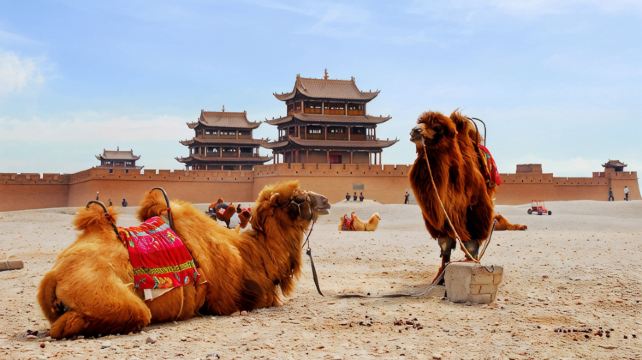
Jiayuguan Pass marks the western terminus of the Ming Dynasty Great Wall, where fortifications once protected China from nomadic invaders. The imposing fortress, surrounded by desert and snow-capped mountains, demonstrates the military importance of controlling Silk Road trade. The Great Wall Museum explains the wall's construction and purpose, while the nearby Overhanging Great Wall climbs steep ridges with dramatic views. Jiayuguan represents the boundary between agricultural China and the western regions.

jiayuguan

Dunhuang: Oasis of Art and Faith


Dunhuang represents the crown jewel of China's Silk Road sites. The Mogao Caves, a UNESCO World Heritage site, contain nearly 500 grottoes decorated with Buddhist murals and sculptures spanning 1,000 years of artistic evolution. These caves served as a spiritual waypoint for travelers before entering the treacherous Taklamakan Desert. Beyond the caves, Dunhuang offers Crescent Lake, an oasis surrounded by singing dunes, and the Yangguan Pass, another ancient frontier fortress. Plan at least 2 days in Dunhuang to appreciate its significance.

dunhuang

Turpan and Kashgar: Xinjiang's Silk Road Cities


If extending your journey into Xinjiang, Turpan and Kashgar offer compelling Silk Road experiences. Turpan's ancient cities of Gaochang and Jiaohe preserve ruins from when this oasis thrived as a trading post. The Flaming Mountains and karez irrigation system demonstrate human adaptation to extreme desert conditions. Kashgar, China's westernmost major city, maintains a distinctly Central Asian character with its Sunday livestock market, Id Kah Mosque, and old city architecture. These cities reveal how Silk Road culture blended Chinese, Persian, and Central Asian elements.

xinjiang

Practical Information for Silk Road Travel

Best Time to Travel Silk Road China


The best time to travel the Silk Road in China depends on your tolerance for extreme temperatures. Spring (April-May) and autumn (September-October) offer the most comfortable conditions, with daytime temperatures between 15-25°C (59-77°F) and minimal rainfall. Summer brings intense heat, especially in Xinjiang's desert regions where temperatures exceed 40°C (104°F), though mountain areas provide relief. Winter is harsh, and some sites may have limited access, though you'll encounter fewer tourists. The Mogao Caves require booking regardless of season due to daily visitor limits.

Transportation Options


China's high-speed rail network now connects many Silk Road cities, making overland travel more comfortable than in the past. The Lanzhou-Xinjiang high-speed line reaches speeds of 250 km/h, connecting major stops efficiently. However, some sections still require conventional trains or long-distance buses. Flying between distant cities like Xi'an and Dunhuang saves time. For maximum flexibility, consider hiring a private car with a driver, which allows stops at smaller sites not served by public transportation. Many organized China tours combine different transportation modes to optimize your itinerary. Many China tours include Silk Road segments with expert guides and pre-arranged logistics.

Accommodation and Facilities


Accommodation along the Silk Road ranges from international hotels in major cities to basic guesthouses in remote areas. Xi'an, Lanzhou, and Dunhuang offer comfortable four-star hotels with Western amenities. Smaller cities like Zhangye and Jiayuguan have fewer options but adequate three-star hotels. In Xinjiang, Kashgar offers the best selection while smaller towns provide basic but clean accommodations. Book in advance during peak season (May-October), especially for Dunhuang, where hotels fill quickly during Mogao Cave visiting periods. Tours4fun's Silk Road itineraries include high-speed train segments and domestic flights where appropriate, reducing travel time between major sites.

Permits and Restrictions


Most of China's Silk Road is open to foreign travelers without special permits. However, some areas in Xinjiang may have temporary restrictions or require police registration upon arrival. Carry your passport at all times, as police checks occur more frequently in western regions. The Tibetan Autonomous Region requires a Tibet Travel Permit if you detour south from the Silk Road, but the main route through Gansu and Xinjiang remains accessible. Check current travel advisories before your trip, as conditions can change.

How Long Does It Take to Travel the Silk Road?


How long does it take to travel the Silk Road depends on your chosen route and pace. The classic Xi'an to Dunhuang route requires a minimum 7 days for a rushed trip or 10-12 days for comfortable exploration. Adding Xinjiang extends the journey to 14-21 days. Attempting the entire Chinese section from Xi'an to Kashgar requires at least three weeks. Most travelers choose specific segments rather than the full route, allowing deeper exploration of chosen areas rather than spending all their time in transit.

Cultural Experiences Along the Route

Ethnic Diversity


The Silk Road passes through regions inhabited by numerous ethnic minorities, each contributing to the route's cultural richness. In Gansu, you'll encounter Hui Muslims with their distinctive architecture and cuisine. Xinjiang introduces you to Uyghur culture, with Islamic traditions, Turkic languages, and Central Asian customs. Kazakh, Kyrgyz, and Tajik minorities populate western regions. This ethnic diversity creates a fascinating cultural journey where Chinese, Islamic, and Central Asian influences blend seamlessly.

Silk Road Cuisine


Silk Road cuisine reflects the trade route's role in exchanging ingredients and cooking techniques. Lanzhou's famous beef noodles represent Hui Muslim culinary traditions. Xi'an's Muslim Quarter offers Middle Eastern-influenced dishes like lamb skewers and flatbreads. In Xinjiang, Uyghur cuisine features pilaf (polo), laghman noodles, and grilled meats seasoned with cumin and chili—spices that traveled the Silk Road. Try local specialties in each city to taste the cultural fusion that defines this historic route.

Religious Heritage


The Silk Road facilitated the spread of Buddhism from India to China, leaving remarkable religious heritage sites. The Mogao Caves represent the pinnacle of Buddhist art along the route, while Zhangye's Giant Buddha and various cave temples demonstrate Buddhism's influence. Islam arrived later via the same routes, creating the Muslim communities you'll encounter in Xi'an, Lanzhou, and throughout Xinjiang. This religious diversity, with Buddhist, Islamic, and earlier Zoroastrian and Nestorian Christian influences, shaped the cultural landscape you'll experience.

Final Thoughts

Traveling the Silk Road through China offers a journey that combines historical significance, cultural diversity, and dramatic landscapes in ways that few other routes can match. From Xi'an's ancient walls to Dunhuang's cave temples, each stop along the way reveals layers of history where merchants, monks, and armies once passed. The route's modern infrastructure makes this ancient path more accessible than ever, while retaining the sense of adventure and experience that has drawn travelers for centuries.

Whether you choose the classic Xi'an to Dunhuang route or extend your journey into Xinjiang's western reaches, the Silk Road provides insights into China's multicultural heritage and its historical role in connecting civilizations. The landscapes may be harsh, the distances vast, but the rewards of exploring these places along the Silk Road create memories that last long after you return home.


FAQ

Is it safe to travel the Silk Road in China?

Yes, traveling the Silk Road in China is generally safe for tourists. The regions you'll visit have low crime rates, and locals are accustomed to foreign visitors, especially in tourist areas like Dunhuang and Xi'an. Xinjiang has experienced security incidents in the past, but current conditions are stable with a heavy security presence. Follow standard travel precautions, keep your passport accessible for frequent police checks, and stay informed about current conditions. The main safety concerns involve extreme weather and remote terrain rather than security issues.

What's the best way to travel between Silk Road cities?

The best way to travel between Silk Road cities depends on your priorities. High-speed trains offer speed and comfort between major cities like Xi'an, Lanzhou, and Zhangye. Conventional trains and buses reach smaller destinations but take longer. Flying saves time for long distances like Xi'an to Dunhuang. A private car with a driver provides maximum flexibility for stopping at smaller sites. Many travelers combine transportation modes, using trains for long distances and hiring cars for local exploration. Consider your time constraints and comfort preferences when planning.

How much does it cost to travel the Silk Road?

Silk Road travel costs vary based on your style and duration. Budget travelers can manage 400-600 yuan ($60-90) daily for accommodation, food, and local transportation. Mid-range travelers should budget 800-1,200 yuan ($120-180) daily for comfortable hotels, restaurant meals, and entrance fees. Luxury travel costs 2,000+ yuan ($300+) daily. Major expenses include Mogao Caves tickets (238 yuan), transportation between cities, and accommodation in Dunhuang during peak season. A 10-day classic route typically costs 8,000-15,000 yuan ($1,200-2,250) per person, excluding flights to/from Xi'an.

Can I visit the Silk Road independently or should I join a tour?

You can travel the Silk Road independently with proper preparation, though joining a tour offers advantages. Independent travel provides flexibility to travel at your own pace and find unexpected sites. However, you'll need to handle logistics, overcome language barriers, and arrange transportation yourself. Tours provide expert guides who explain historical context, handle logistics, and facilitate cultural interactions. For first-time visitors to western China or those with limited time, an organized tour often provides better value and deeper experiences. Consider a hybrid approach: join tours for complex sections while maintaining independence in easier areas.

What should I pack for a Silk Road trip?

Pack for extreme temperature variations and dry conditions. Essential items include sun protection (hat, sunscreen, sunglasses), lip balm, and moisturizer for the arid climate. Bring layers for temperature swings between day and night, especially in desert regions. Comfortable walking shoes are essential for exploring caves and ancient sites. Carry a reusable water bottle as dehydration risk is high. Bring basic medications as pharmacies may be limited in smaller towns. If visiting Mogao Caves, bring a small flashlight for examining details in dimly lit caves.

Resumen

Understanding the Silk Road

Planning Your China Silk Road Travel Itinerary

Major Destinations Along the Silk Road

Practical Information for Silk Road Travel

Cultural Experiences Along the Route

Final Thoughts

FAQ

America's 250th Anniversary Mega Sale

image