Zoella Última actualización 14 Sep 2026
Tibet, known as the "Roof of the World," captivates travelers with its stunning high-altitude landscapes, ancient Buddhist monasteries, and unique Tibetan culture. However, travel to Tibet requires more planning than other destinations in China due to special permit requirements and altitude considerations. This comprehensive Tibet travel guide answers your most pressing questions about visiting this mysterious region.
Whether you're wondering how to travel Tibet, if you can visit as a foreigner, or whether it's safe, this guide covers everything you need to know. From obtaining the necessary Tibet Travel Permit to preparing for high-altitude conditions, we'll help you plan an unforgettable journey to one of the world's most extraordinary destinations.
Can You Visit Tibet as a Foreigner?
Yes, foreigners can visit Tibet, but with restrictions. Unlike other parts of China, Tibet requires special permits for foreign visitors, and independent travel is not allowed. All foreigners must travel with a licensed tour guide and join an organized tour group. This regulation applies to all foreign passport holders, regardless of where you're coming from.
The good news is that organized tours are well-established and offer excellent experiences. Tour operators handle all permit applications, arrange accommodations, provide knowledgeable guides, and ensure you follow local regulations. This structured approach actually makes Tibet travel more straightforward than it might seem.
Tibet Travel Permit Requirements
What Is a Tibet Travel Permit?
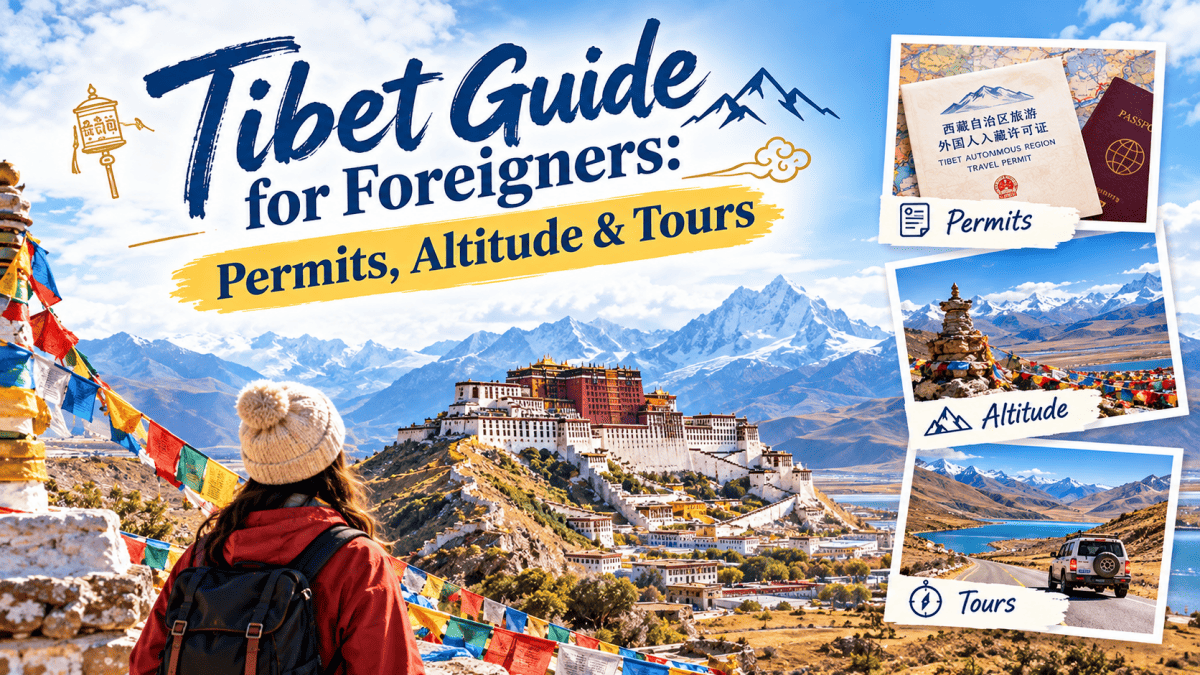
A Tibet Travel Permit (also called the Tibet Entry Permit) is a special document required for all foreign visitors to Tibet. This permit is separate from your Chinese visa and must be obtained before entering Tibet. The permit system helps the local government monitor and manage tourism in this sensitive region.
The permit application requires your passport information, Chinese visa details, travel itinerary, and tour confirmation. Your tour operator will handle the application process on your behalf, typically submitting it 20-30 days before your planned arrival.
How to Apply for the Permit
Foreign travelers cannot apply for the Tibet Travel Permit on their own. You must book a tour with a licensed Tibet travel agency, which will submit the permit application on your behalf. The process typically takes 7-15 working days to process, though it's recommended to book your tour at least one month in advance.
Required documents include:
• Clear scan of your passport (valid for at least 6 months)
• Clear scan of your Chinese visa (Unless you are a citizen of a country with visa-free access)
• Your occupation and purpose of visit
• Detailed travel itinerary in Tibet
• Tour confirmation from licensed agency
Once approved, your permit will be ready for pickup in Lhasa or can be delivered to your hotel in mainland China before your flight to Tibet.
Additional Permits for Restricted Areas
Some areas in Tibet require additional permits beyond the basic Tibet Travel Permit. These include Mount Everest Base Camp, Mount Kailash, and certain border regions. Your tour operator will arrange these additional permits as part of your tour package. The Alien's Travel Permit (PSB Permit) is required for these restricted areas and is typically processed in Lhasa after your arrival. How to Get to Tibet
Flying to Lhasa
The fastest way to reach Tibet is by flying to Lhasa Gonggar Airport. Direct flights operate from major Chinese cities including Beijing, Shanghai, Chengdu, Chongqing, Xi'an, and Guangzhou. Flight times range from 2 to 5 hours depending on your departure city. Chengdu offers the most frequent flights and is the most popular departure point.
Flying provides striking aerial views of the Himalayan mountain range, but it also means rapid altitude gain. Lhasa sits at 3,650 meters (11,975 feet), and arriving by plane means your body has less time to acclimatize. Consider spending a day or two in a lower-altitude city before flying to Tibet.

Taking the Tibet Train
The Qinghai-Tibet Railway, often called the "Sky Road," offers a scenic overland route to Tibet. This engineering marvel reaches altitudes over 5,000 meters, making it the world's highest railway. The most popular route starts from Xining (2,275 meters) and takes 21 hours to reach Lhasa.
Train options include:
• Xining to Lhasa: 21 hours, gradual altitude gain
• Beijing to Lhasa: 40 hours, scenic but long journey
• Shanghai to Lhasa: 47 hours, the longest route
• Chengdu to Lhasa: 36 hours via the new Sichuan-Tibet railway
The train offers soft sleeper and hard sleeper classes, with oxygen supplies available onboard. The gradual altitude gain helps with acclimatization, making it a popular choice for travelers concerned about altitude sickness.
Overland from Nepal
For travelers combining Tibet with Nepal, the overland route from Kathmandu to Lhasa via the Friendship Highway offers a remarkable journey. This 1,200-kilometer route crosses the Himalayas through the Gyirong border crossing and takes 5-7 days, passing through dramatic landscapes and traditional Tibetan villages.
This route requires special coordination as you'll need both Chinese and Nepalese visas, plus the Tibet Travel Permit. Many tour operators offer combined Nepal-Tibet packages that handle all logistics.Altitude Sickness Prevention and Treatment
Understanding Altitude Sickness
Altitude sickness (Acute Mountain Sickness or AMS) is the most common health concern for visitors to Tibet. Symptoms typically appear 6-24 hours after arrival at high altitude and can include headache, nausea, dizziness, fatigue, shortness of breath, and difficulty sleeping. Most cases are mild and resolve within 1-3 days as your body acclimatizes.
Severe altitude sickness is rare but can be dangerous. High Altitude Pulmonary Edema (HAPE) and High Altitude Cerebral Edema (HACE) are serious conditions requiring immediate descent to lower altitude and medical attention. Understanding the symptoms and taking preventive measures is crucial for a safe Tibet experience.

Prevention Tips
Preventing altitude sickness starts before you even arrive in Tibet:
• Acclimatize gradually: Spend 2-3 days at intermediate altitude (2,500-3,000 meters) before going higher
• Stay hydrated: Drink plenty of water, avoid alcohol and caffeine for the first few days
• Take it easy: Rest for the first 24-48 hours, avoid strenuous activity
• Eat light: Focus on carbohydrates, avoid heavy meals
• Consider medication: Diamox (acetazolamide) can help prevent altitude sickness; consult your doctor
• Get adequate sleep before your trip
Treatment and When to Seek Help
If you experience mild altitude sickness symptoms, rest and hydrate. Most hotels in Lhasa provide oxygen canisters for guest use. Over-the-counter pain relievers can help with headaches. Your tour guide will monitor your condition and adjust the itinerary if needed.
Seek immediate medical help if you experience:
• Severe headache not relieved by medication
• Persistent vomiting
• Confusion or difficulty walking
• Severe shortness of breath at rest
• Coughing with pink, foamy mucus
In these cases, immediate descent to lower altitude is critical. Tour operators have emergency protocols and oxygen supplies for such situations.Is Tibet Safe for Foreign Travelers?
General Safety
Tibet is generally safe for foreign travelers. Violent crime against tourists is extremely rare. The main safety concerns are altitude-related health issues and road conditions in remote areas. Tibetan people are known for their hospitality and respect for visitors.
Political sensitivity exists in Tibet, so avoid discussing sensitive political topics, photographing military installations, or participating in political activities. Your tour guide will advise you on appropriate behavior and topics to avoid.
Health and Medical Facilities
Medical facilities in Lhasa are adequate for basic care and altitude sickness treatment. The Tibet Autonomous Region People's Hospital in Lhasa has experience treating foreign tourists. However, medical facilities in remote areas are limited, which is why traveling with a tour operator who has emergency protocols is essential.
Bring adequate supplies of any prescription medications, as specific brands may not be available. Travel insurance that covers high-altitude activities and medical evacuation is strongly recommended.
Road Safety
Road conditions in Tibet vary significantly. Main highways like the Friendship Highway are paved and well-maintained, but many roads to remote monasteries and attractions are unpaved and can be rough. Landslides and road closures are common during the rainy season (July-September).
Tour operators use experienced drivers familiar with local conditions and maintain their vehicles regularly. Travel times between destinations are often longer than the distance would suggest due to road conditions, altitude, and mandatory police checkpoints.

Best Time to Visit Tibet
Peak Season (April-October)
The best time to visit Tibet is from April to October, when weather conditions are most favorable. May-June and September-October offer the clearest skies and most comfortable temperatures. During these months, you'll enjoy:
• Pleasant daytime temperatures (15-25°C in Lhasa)
• Clear mountain views
• Access to all attractions and passes
• Festival opportunities (see below)
July-August is the warmest but also the rainiest period, with afternoon showers common. This is also peak tourist season, so expect higher prices and more crowds.
Off-Season (November-March)
Winter in Tibet is cold but offers unique advantages. Temperatures in Lhasa range from -10°C to 10°C, with intense sunshine and clear skies. Benefits of winter travel include:
• Fewer tourists and lower prices
• Clearer mountain views
• Authentic local atmosphere
• Tibetan New Year celebrations (February/March)
However, some high mountain passes may be closed due to snow, and certain remote areas are less accessible. Pack warm clothing and be prepared for cold nights.
Tibetan Festivals
Timing your visit with Tibetan festivals adds cultural depth to your journey:
• Losar (Tibetan New Year): February/March, the most important festival
• Saga Dawa: May/June, commemorating Buddha's birth, enlightenment, and death
• Shoton Festival: August, featuring giant thangka unveiling and opera performances
• Ongkor Festival: August, harvest celebration with horse racing and archery
Festival dates follow the Tibetan lunar calendar and vary each year. Your tour operator can help you plan around these events. What to Pack for Tibet
Clothing Essentials
Tibet's high altitude means intense UV radiation and significant temperature variations between day and night. Pack layers:
• Sun protection: High-SPF sunscreen, sunglasses, wide-brimmed hat
• Warm layers: Fleece, down jacket, thermal underwear
• Wind protection: Windbreaker or softshell jacket
• Comfortable walking shoes with good grip
• Warm hat, gloves, and scarf for early mornings and evenings
Health and Safety Items
• Prescription medications (bring extra supply)
• Altitude sickness medication (consult your doctor)
• Basic first aid kit
• Hand sanitizer and wet wipes
• Lip balm with SPF (altitude causes dryness)
• Moisturizer (dry climate)
Documentation
• Passport (valid for 6+ months)
• Chinese visa
• Multiple photocopies of all documents
• Passport photos (for permits)
• Travel insurance documents
• Tour confirmation and permit copies Tibet Tours and Itineraries
Classic Lhasa Tours
Most Tibet itineraries start with 3-4 days in Lhasa to acclimatize and visit the city's main attractions:
• Potala Palace: The iconic former residence of the Dalai Lama
• Jokhang Temple: Tibet's most sacred Buddhist temple
• Barkhor Street: Pilgrimage circuit around Jokhang Temple
• Sera and Drepung Monasteries: Major Gelugpa monasteries
• Norbulingka: Summer palace of the Dalai Lama

Extended Tibet Tours
After acclimatizing in Lhasa, extended tours venture to Tibet's dramatic landscapes:
• Everest Base Camp Tour (7-10 days): Visit the north face of the world's highest peak
• Namtso Lake Tour (3-4 days): High-altitude sacred lake with striking scenery
• Mount Kailash Pilgrimage (15 days): Sacred mountain and Lake Manasarovar
• Overland to Nepal (7-10 days): Scenic drive through the Himalayas
Browse Tibet vacation packages for pre-designed itineraries that include all necessary permits, accommodations, and guided tours. These packages handle the complex logistics of Tibet travel, allowing you to focus on enjoying this extraordinary destination.
Why Choose a Guided Tour
Given Tibet's permit requirements and challenging conditions, guided tours offer significant advantages:
• Permit handling: Tour operators manage all paperwork and applications
• Expert guides: Knowledgeable local guides provide cultural context and ensure compliance with regulations
• Altitude support: Guides monitor your health and adjust itineraries as needed
• Transportation: Reliable vehicles and experienced drivers for challenging roads
• Emergency protocols: Established procedures for health issues or road closuresConclusion
Tibet tour offers an unparalleled travel experience, combining breathtaking high-altitude landscapes with rich Buddhist culture and warm Tibetan hospitality. While the permit requirements and altitude considerations add complexity to your planning, organized tours make the process straightforward and ensure a safe, memorable journey.
Whether you're drawn to the sacred Potala Palace, the challenge of Everest Base Camp, or the spiritual atmosphere of ancient monasteries, Tibet delivers experiences that will stay with you forever. offers comprehensive that handle all permits, accommodations, and logistics. Start planning your Tibet adventure today, and prepare to experience the magic of the Roof of the World. FAQ
Do I need a visa to visit Tibet?
Yes, you need a Chinese visa unless your passport qualifies for China's visa-free entry program. And a Tibet Travel Permit. First, obtain a Chinese visa from your local Chinese embassy or consulate. Then, your tour operator will apply for the Tibet Travel Permit on your behalf. You cannot enter Tibet with only a Chinese visa; the Tibet Travel Permit is mandatory for all foreign visitors.How much does a Tibet tour cost?
Tibet tour costs vary based on duration, group size, and service level. A basic 4-day Lhasa tour starts around $500-700 per person, while extended tours to Everest Base Camp or Mount Kailash range from $1,200-2,500 per person. Private tours cost more but offer flexibility. Prices typically include permits, accommodations, transportation, guide services, and some meals.Can I travel independently in Tibet?
No, independent travel is not allowed for foreigners in Tibet. All foreign visitors must join an organized tour with a licensed guide. This regulation is strictly enforced, and you cannot obtain permits for independent travel. However, small group tours (2-5 people) offer a more intimate experience while meeting regulatory requirements.What is the best altitude medication for Tibet?
Diamox (acetazolamide) is the most commonly recommended medication for altitude sickness prevention. Start taking it 24 hours before arrival and continue for the first 2-3 days at high altitude. Consult your doctor before taking any altitude medication, as it may not be suitable for everyone. Your tour guide will also have oxygen supplies and can advise on local remedies.Is Tibet safe for solo female travelers?
Yes, Tibet is safe for solo female travelers. Since you'll be traveling with a tour group and guide, safety concerns are minimal. Tibetan culture is respectful toward women, and violent crime is extremely rare. Many solo female travelers visit Tibet each year without issues. Your tour operator can arrange single supplements for accommodations if needed.