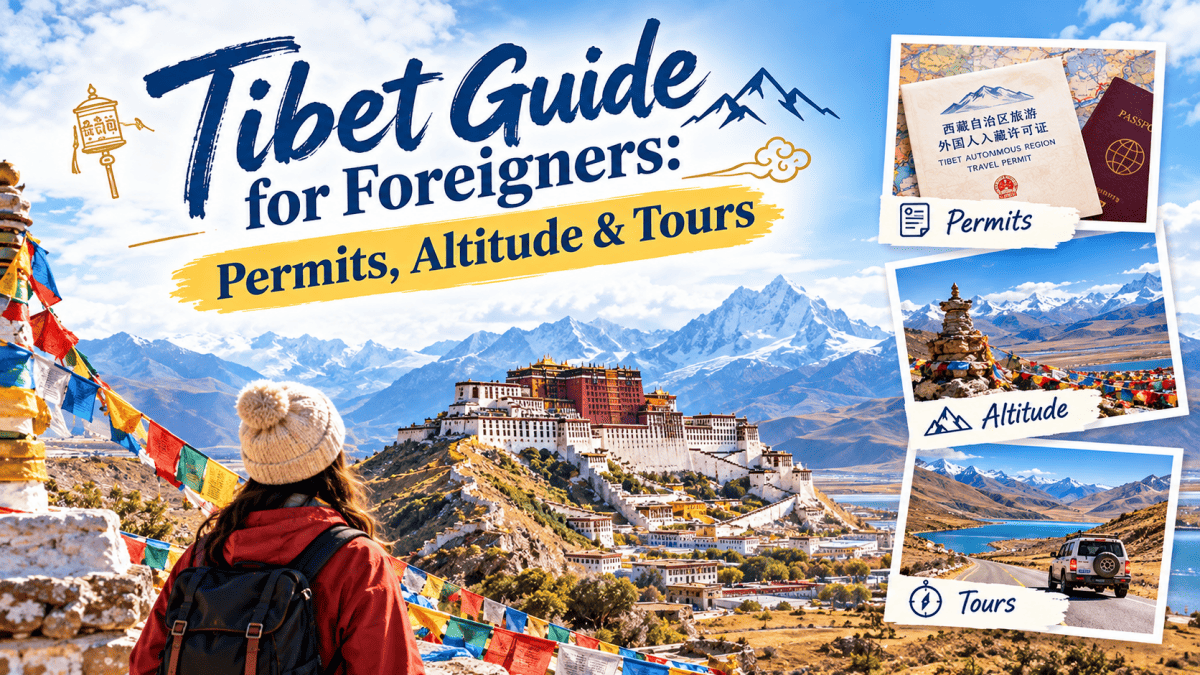
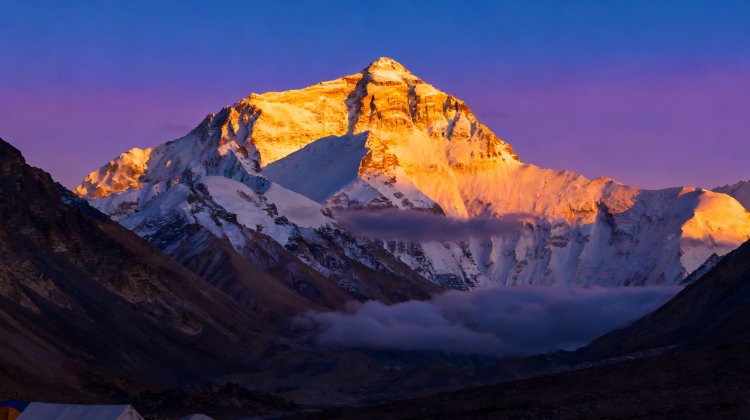
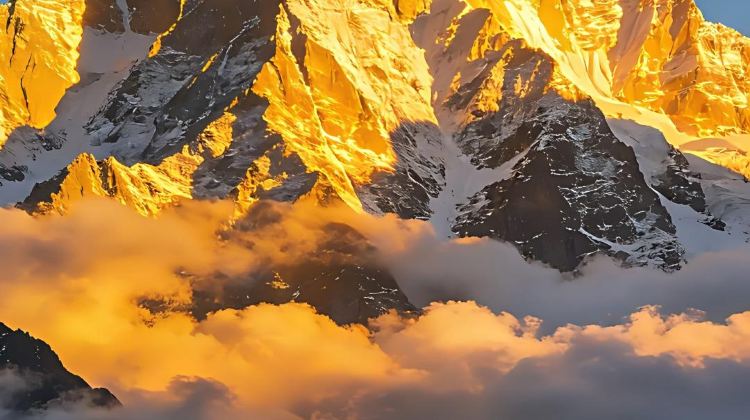
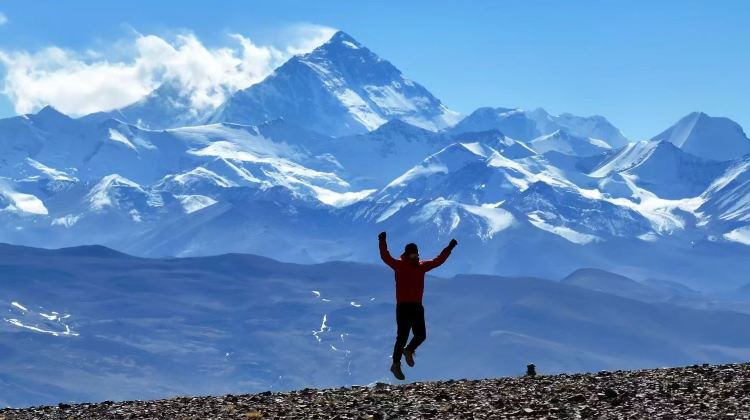
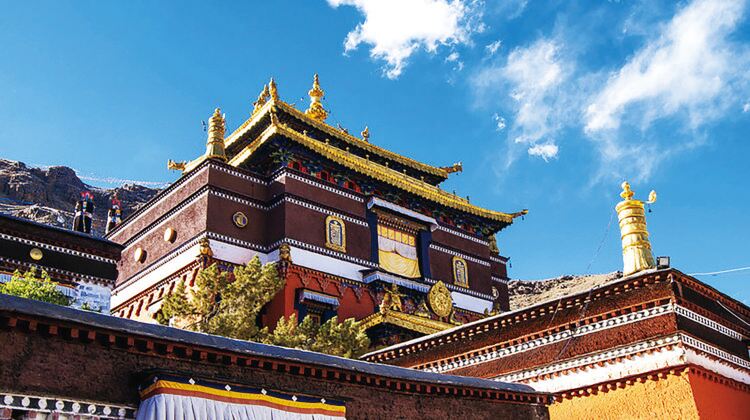
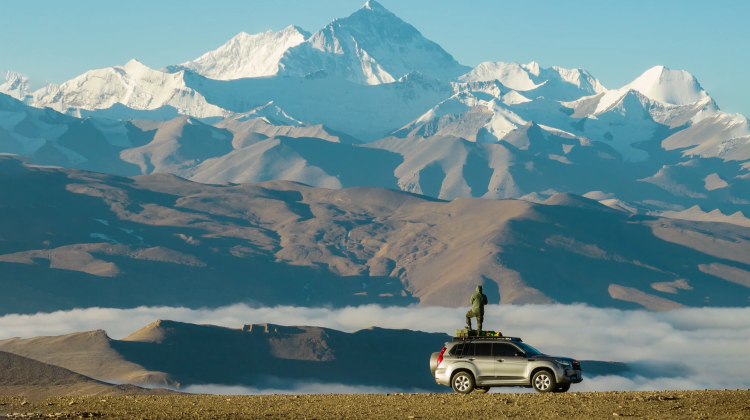
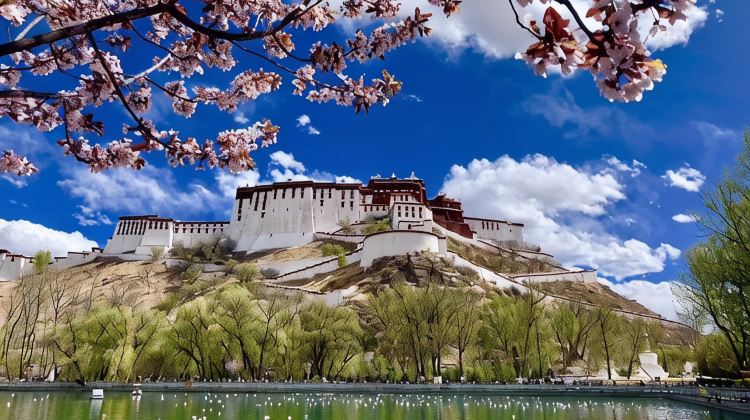
Tibet, the Roof of the World, offers a journey into stark beauty and deep spirituality. Stand in awe before the Potala Palace in Lhasa, a monumental symbol of Tibetan history towering over the valley. Pilgrims circle the Jokhang Temple with unwavering devotion, creating an atmosphere of profound peace. The vast landscapes stretch endlessly, from the sacred shores of Yamdrok Lake to the base of Mount Everest. Travelers can trek through remote valleys or witness ancient monasteries perched on rugged cliffs. This high-altitude realm demands respect but rewards visitors with unforgettable vistas and a unique cultural heritage that remains vibrant today.
Tibet Tours – Your Fantastic Journey to the Roof of the World!
Explore the Capital of Lhasa
Journey throughout the Shigatse and Gyantse
Enjoy the different landscapes
Explore the Capital of Lhasa
Tibet tours often get underway in Lhasa, the region’s capital. While there, exhilarating and enlightening tours will take you far and wide, and will definitely give you the chance to explore all that Lhasa has to offer.
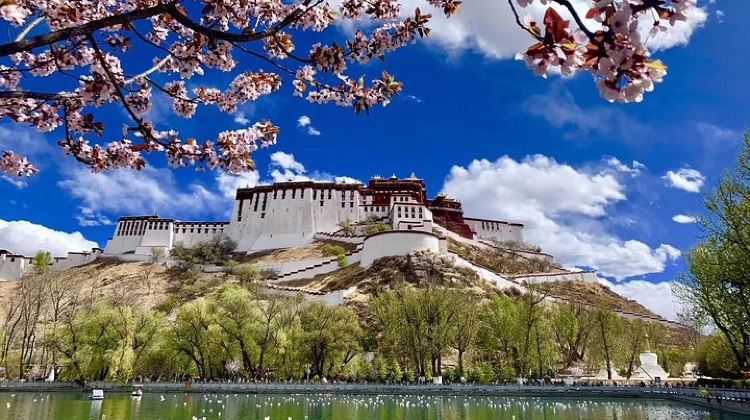
•Potala Palace – With its many captivating chapels, Potala is the former home of Tibet’s Dalai Lama and is known as the Dalai Lamas’ winter palace. The palace is a symbol of Tibetan Buddhism and a must-visit destination for the many pilgrims who come here annually.
•Jokhang Temple – Considered to be Tibet’s most important and sacred temple, the Jokhang Temple was built as early as 647 AD, and is considered the “House of Budha.”
•Drepung Monastery – Walking through a Tibet monastery is the highlight of many tourists’ visit to the region. Drepung Monastery is one of the "great three" Gelukpa (or Yellow Hat) university monasteries of Tibet. Watch as the monks debate the sutras in the expansive courtyards of the monastery.
•Sera Monastery – Another of the "great three" Gelukpa university monasteries of Tibet, Sera Monastery can be found at the foot of Tatipu Hill in Lhasa City’s northern suburb. Stunning in its beauty and serenity, Sera Monastery is a popular stop for many tourists.
Journey throughout the Shigatse and Gyantse
There is more to see in Tibet beyond it’s holy capital, including gorgeous natural landscapes and rich cultural cities.
•Gyantse – The charming small town of Gyantse lies on the historic India to Tibet trade route. A trip out to Gyantse gives you the chance to visit the Kumbum Monastery and to view the architectural marvel of the largest remaining chorten (a type of Buddhist shrine) in Tibet.
•Shigatse – In Tibet’s second largest city, your tour takes you to a Mt Everest Base Camp. The views are breathtaking and picture perfect scenes are just waiting for you to take your next keepsake photo.
•Namtso Lake - Among Tibetans, this is thought of as a heavenly lake. It is an exquisite mountain lake that holds the distinction of being the world’s highest saltwater lake. Some tourists enjoy visiting in the summer when nomad families can be seen camped along the route.
•Yamdrok Lake – This lake is regarded as sacred among Tibetans. Visit Yamdrok Lake to see the mesmerizing play of light on the water’s surface. Tibetans believe the lake helps them find the reincarnated soul of the Dalai Lama.
Enjoy the different landscapes
To visit Tibet, you need to arrive in mainland China first. This is the perfect reason to make your vacation an exciting combination of Mainland China and Tibet tour. Visit some of China's world-famous historical sites before or after your adventure to Tibet, the roof of the world!
Autumn arguably offers the finest combination of weather and scenery in Tibet. Evening and morning temperatures start to drop after August, and the skies clear, leaving crisp, brilliant sunshine and excellent visibility across the Himalayas and plateaus. The grasslands fade to gold, larch and birch around the valleys turn amber, and the light becomes soft and photogenic - ideal for trekking routes near Lhasa, gyalpo (highland) loops near Shigatse and the northern circuits to Mount Kailash. Rainfall diminishes sharply after the monsoon ends, making places at higher altitude more accessible and views of the peaks (including the summit of Everest) more likely to stay clear into October. This is also the shoulder season: fewer tourists than summer, and many local festivals and pilgrimage activities resume with calmer crowds. For travellers seeking both nature and culture - for example visiting the fortress in Gyantse or the monasteries of Tsedang - autumn is hard to beat. Search for off-beat routes too: northern Tibet opens up when roads are solid and passes safe.
Winter in Tibet means cold, dry air and dramatically clear skies - especially in the valleys of Lhasa and Shigatse - but also limited access in higher or remote regions. Temperatures in lunar-New-Year months may dip below freezing by day in many areas, and night-time can be especially sharp; some remote mountain passes close due to snow. Precipitation is very low: the region receives only a small fraction of its annual rainfall in winter. This means fewer crowds, discounted accommodation and a serene version of Tibet’s high plateau - snow-topped mountains, crisp mountain air, and pilgrimage paths to less-visited temples. For example, you might wander quietly around Lhasa’s old town and shrines with fewer other tourists, or visit lower-altitude valleys like Nyingchi where the cold is less extreme. That said, high-altitude treks (Mount Kailash circuit, remote northern loops) may be heavily restricted or simply closed. Be sure to bring thermal layers, expect very cold nights even if days feel mild under sun, and recognise that visibility and access trump warmth.
As winter gradually recedes in the Tibet Autonomous Region, spring arrives gradually: daytime temperatures in places like Lhasa climb from around -1 °C in March to 15-20 °C by May, although nights remain cold and high-altitude passes may still hold snow. The air is crisp and dry, humidity is low and the influx of monsoon rains has not yet begun. During this period the plateau begins to stir: early wildflowers appear in valleys near Nyingchi, and the landscapes open up for trekking and pilgrimage. Spring is an excellent time for exploring the monasteries around Lhasa such as Ganden Monastery, trekking the greener lower stretches of the Yarlung Tsangpo river and getting ready for more altitude-intense adventures like the approach to Mount Kailash. With fewer crowds than summer, you’ll experience the sacred sites at a more reflective pace. In the high plains the snow may still linger on trails, but the promise of spring’s thaw means clear views of peaks and plateaus just waking up.
Summer in Tibet brings its warmest days, with daytime highs often in the 20-25 °C range at mid-altitude like Lhasa, though evenings stay cool and higher regions remain brisk. This period also marks the onset of the plateau’s wetter season: while total precipitation remains modest compared to lowland monsoon zones, most of the region’s annual rainfall falls during these months. The result is lush grasslands in areas such as the northern plains, and vibrant greenery around sacred lakes like Namtso Lake and Yamdrok Lake where water colours shift from deep blue to turquoise under broad skies. Summer is also the busiest tourist season - the perfect time to catch major festivals such as the Shoton Festival in August, enjoy yak-herd encampments on the grasslands and camp under the stars near Everest approaches. Yet due to afternoon showers and cloud cover in some regions you’ll want to plan early for mountain views and remain flexible with itineraries.
The entire experience felt professional from beginning to end. Every service promised on the website was delivered, and the cultural experiences were truly memorable.
From booking to departure, everything was handled professionally. The itinerary was thoughtfully designed, the scenery was spectacular, and the service quality remained consistently high.
The entire experience exceeded my expectations. The guide was incredibly knowledgeable about Buddhism and Tibetan history. Potala Palace and the monasteries were spectacular. The permit process was hassle-free thanks to Tours4Fun. 5 stars!
The 6-day tour was a perfect snapshot of Lhasa and the Everest region. The private vehicle was a luxury that made the journey comfortable. The guide was very accommodating and adjusted the schedule to avoid crowds for us.
Show All
FAQs about Tibet Tours
Permits & Documentation
Q1: What permits do foreign travelers need to enter Tibet?
All foreign passport holders (including Taiwanese compatriots) must obtain a Tibet Travel Permit (TTP) to enter Tibet. This is an official travel permission document issued by the Tibet Tourism Development Bureau. It is not a visa – a Chinese visa allows entry into China, but the Tibet Travel Permit is required specifically for entering Tibet. Both are mandatory.
Q2: Can I apply for the Tibet Travel Permit myself?
No. The permit must be applied for through a licensed local Tibet travel agency that is authorized to handle foreign tourists. Individual applications are not accepted. You can book your Tibet tour via Tours4fun and our local operator will help to apply for you on your behalf.
Q3: How far in advance should I apply for the permit? What documents are needed?
We recommend applying at least 30–45 days in advance. During peak seasons or special events (such as the 2026 Mount Kailash pilgrimage year), we suggest applying 2 months or more ahead. Required documents include:
- A scanned copy of your passport's information page (valid for at least 6 months)
- A scanned copy of your Chinese visa (not required for visa-exempt nationalities)
- Personal details (full name, gender, nationality, occupation, passport number)
- Your confirmed Tibet itinerary (route, duration, attractions)
Q4: What is the difference between flying into Tibet and taking the train regarding the permit?
For flights: You must present the original Tibet Travel Permit at check-in. For the Qinghai-Tibet Railway: A copy of the permit is generally sufficient for boarding (please confirm with the specific train station as rules may vary). Starting from March 2026, regardless of departure city, passengers traveling to Tibet by either flight or train must present the original Tibet Travel Permit to board.
Q5: Do I need additional permits to visit Everest Base Camp, Ngari, or other restricted areas?
Yes. In addition to the Tibet Travel Permit, traveling to border-controlled areas such as Everest Base Camp, Mount Kailash in Ngari, and Mêdog County requires a Frontier Pass (also known as a Border Defense Permit) and sometimes an Alien's Travel Permit. Your travel agency will typically assess your itinerary and handle these additional permits on your behalf.
Q6: Do travelers from Hong Kong and Macau need a Tibet Travel Permit?
Holders of Hong Kong or Macau SAR passports or Home Return Permits do not need a Tibet Travel Permit for travel in open areas. However, if your itinerary includes restricted border areas (such as Ngari or Everest Base Camp), additional permits are still required.
Q7: Are there special requirements for travelers over 65?
Travelers aged 65 and above (especially those holding Taiwan Compatriot Permits) must submit a health certificate issued by a hospital (with the doctor's signature and hospital stamp) to confirm fitness for high-altitude travel. For these travelers, we recommend itineraries with lower altitudes, such as Lhasa and Nyingchi routes, with a more relaxed pace.
Altitude Sickness (Acute Mountain Sickness)
Q8: What is altitude sickness? Who is more likely to experience it?
Altitude sickness occurs as the body adjusts to the high altitude and thinner oxygen levels in Tibet. Most visitors experience only mild symptoms such as headache, insomnia, or nausea. Those new to high altitudes, sleep-deprived, having a cold, overly stressed, or engaging in strenuous activity are more likely to feel noticeable symptoms.
Q9: How can I prevent and manage altitude sickness?
Before your trip, rest well and avoid strenuous exercise. Upon arrival in Tibet, avoid overexertion and overexcitement. Follow your guide's advice to avoid showering or bathing for the first 1–2 days, stay warm, and get adequate sleep. Most people will naturally acclimatize within a few days. If needed, your guide can suggest remedies and assist with medical attention.
Q10: Do I need to carry my own oxygen supply?
Generally not necessary for everyday use, as most hotels and vehicles are equipped with oxygen. For trips above 5,000 meters, tour vehicles typically carry medical-grade oxygen tanks and provide each traveler with a portable oxygen canister as a precaution.
Transportation & Accommodation
Q12: How do I get to Tibet?
You can travel by flight or take the Qinghai-Tibet Railway. Flying is time-saving and ideal for those with shorter vacations or concerned about altitude acclimatization. Common departure cities include Chengdu, Chongqing, Xining, Kunming, and Guangzhou. The railway allows you to gradually acclimate to the altitude while enjoying scenic plateau views.
Q13: What are the accommodation options like?
In Lhasa, Nyingchi, and other main cities, you can find 4- or 5-star hotels. In remote areas, accommodation is typically in guesthouses or basic lodges – clean and safe, but with more modest facilities. Foreign travelers must stay in tourist-approved hotels.
Q14: Can I use international credit cards? What about mobile payments?
International credit cards are not widely accepted outside of a few hotels and department stores. In Lhasa and most of Tibet, WeChat Pay and Alipay are commonly used. For remote areas, please carry sufficient cash in RMB as a backup.
Q15: Can foreign travelers travel independently in Tibet?
No. Independent travel (free and independent travel) is not permitted for foreign tourists. You must travel as part of a guided tour arranged by a licensed travel agency. This includes a professional guide and a registered vehicle. Group size usually requires a minimum of 2 travelers to form a group.
Practical Tips
Q19: What should I pack for a Tibet trip?
We recommend layered clothing: a warm outer coat/fleece, moisture-wicking base layer, and a windproof jacket. Also bring high-SPF sunscreen (SPF 50+), sunglasses, a hat, lip balm, a thermos, and any personal medication you may need.
Q20: Is Tibet a safe destination?
Tibet's major cities have good public security. The local Tibetan population is predominantly Buddhist, and the crime rate is generally low. The main concerns are altitude sickness and rapidly changing weather. Please follow your guide's instructions and avoid venturing into remote areas alone.
Q21: Can I enter Tibet from Nepal?
Yes. However, you will need a group visa and a special entry permit approved by the Tibet Tourism Bureau. Travel must be arranged through a designated agency. The Gyirong Port (Kyirong) is the recommended overland entry point.
Q22: Will the travel agency arrange my Tibet Travel Permit? Is the fee included in the tour price?
Yes. For any booked Tibet tour, the travel agency will handle the permit application on your behalf, and the cost is typically already included in your tour package fee – no separate payment is required. In major departure cities like Chengdu, a guide will assist you with the check-in procedures for your flight to Tibet.



 48 Results