United StatesNorth AmericaPlaces to GoTransportationTravel Tips
Mostrar todo

Hawaii Island Hopping: Oahu, Maui, Kauai and the Big Island

cover

The best way to plan Hawaii island hopping is to fly between the major islands, stay at least three nights on each, and limit a one-week trip to one or two islands. Oahu works well for city life, history, beaches, and first-time visitors; Maui balances resort stays with scenic drives; Kauai suits hikers and nature-focused travelers; and the Big Island offers volcanoes, stargazing, and the greatest landscape variety.

Although inter-island flights are short, changing islands can consume much of a day after checkout, airport travel, baggage, car return, flight time, and a new rental-car pickup. A successful Hawaii itinerary therefore prioritizes fewer islands and longer stays over collecting airports.


Best Way to Island Hop in Hawaii

Flying is the standard way to travel among Oahu, Maui, Kauai, and Hawaii Island. The main visitor airports are:
 
  • Oahu: Daniel K. Inouye International Airport in Honolulu (HNL)
  • Maui: Kahului Airport (OGG)
  • Kauai: Lihue Airport (LIH)
  • Big Island: Ellison Onizuka Kona International Airport (KOA) and Hilo International Airport (ITO)
Hawaii does not have a general passenger-ferry network connecting all four islands. Limited ferry services may operate on specific routes involving other nearby islands, but they are not a substitute for flights on a four-island itinerary. Inter-island cruises are another option, though they follow fixed sailing dates and port schedules.

Book the long-haul arrival into one island and the return flight from the final island when an open-jaw ticket is practical. Then place the inter-island flights between them. This reduces backtracking through Honolulu, but nonstop availability varies, so compare the complete route before reserving hotels.

big island

Oahu, Maui, Kauai, and the Big Island Compared

Island Best for Suggested first-visit stay Main trade-off
Oahu Honolulu, Pearl Harbor, food, surf culture, varied beaches 3-5 nights More urban and busier than the other islands
Maui Beaches, Haleakala, scenic drives, resort stays 4-6 nights Popular areas can be expensive and driving days are long
Kauai Hiking, gardens, Waimea Canyon, Na Pali Coast 3-5 nights Weather can disrupt outdoor plans
Big Island Volcanoes, stargazing, coffee country, diverse climates 5-7 nights Driving distances are substantial

The suggested stays are planning guidelines, not rules. Add nights for hiking, beach time, weather flexibility, or activities that require reservations.

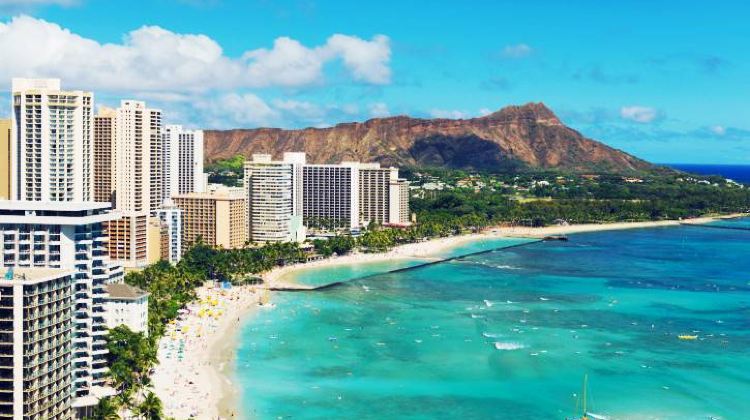
Oahu: Best for First-Time Visitors and Urban Variety

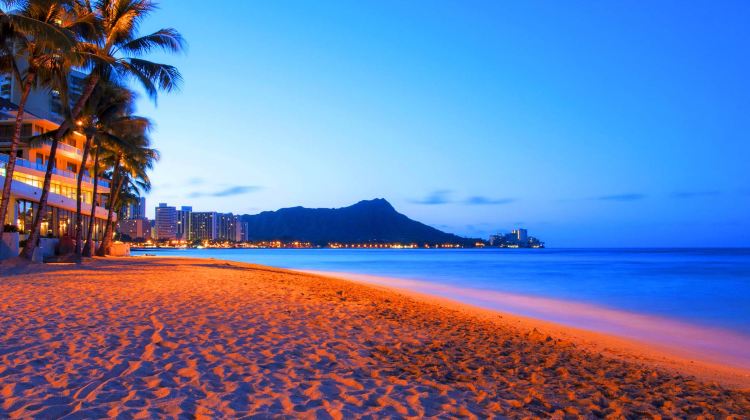
Oahu combines Hawaii's largest city with beaches, historic sites, mountain scenery, and a broad range of restaurants. Honolulu and Waikiki provide the easiest concentration of hotels and visitor services. Pearl Harbor, Diamond Head, the North Shore, and the windward coast can then be added according to interest.

The island is the most practical choice for travelers who do not want to rent a car every day. Public transportation and organized tours cover many major areas, although a car can be useful for a focused day beyond Honolulu. Parking costs and traffic should be included in the plan.
Allow at least three nights if Oahu is paired with another island. Four or five nights give more space for one historical day, one city-and-food day, and one or two coastal outings without rushing.

Choose Oahu for: First visits, nightlife, cultural sites, dining variety, and mixed-interest groups.

Oahu

Maui: Best for Beaches and Scenic Driving

Maui is known for resort beaches, Haleakala's volcanic landscape, the Road to Hana, and marine activities. The island suits travelers who want structured sightseeing mixed with slower beach days.

Do not treat the Road to Hana as a quick drive. Curves, bridges, stops, weather, and local traffic require patience, and access or parking rules can change. Use designated parking, respect private property, and consider a guided tour if no one in the group wants a long driving day.

Haleakala also needs planning. Sunrise access, park entry, weather, and tour arrangements should be checked through official sources. High elevation can be cold even when the coast is warm.

Maui continues to navigate community needs and recovery in areas affected by the 2023 wildfires. Follow current local guidance, respect closed or residential areas, and support businesses without treating recovery sites as attractions.

Choose Maui for: Couples, beaches, scenic drives, resort time, and a balanced first trip.

maui

Kauai: Best for Hiking and Green Landscapes

Kauai has a quieter pace and a strong focus on outdoor scenery. Waimea Canyon and Kokee State Park provide overlooks and hiking routes, while the Na Pali Coast can be experienced from authorized trails, boat trips, or scenic flights. The north and south shores have different weather patterns, so one forecast may not describe the whole island.

Some high-demand parks, trailheads, and parking areas require reservations or shuttle arrangements. Check current state-park rules before finalizing a hiking day. Trail closures after heavy rain are safety measures, and red soil can become extremely slippery.

A rental car is useful, but the island's road does not circle the full coastline. Travelers should not schedule major activities on opposite sides without accounting for road distance and traffic. Keep one flexible day in case ocean or hiking conditions change.

Choose Kauai for: Hiking, photography, quiet stays, canyon scenery, and nature-focused trips.

kaui

The Big Island: Best for Volcanoes and Landscape Diversity

Hawaii Island—commonly called the Big Island—is much larger than the others in this guide. It includes dry lava fields near Kona, rainier landscapes around Hilo, high volcanic slopes, coffee-growing areas, beaches, waterfalls, and Hawaii Volcanoes National Park.

Choose accommodations according to the itinerary. Kona is convenient for many west-coast resorts and marine activities, while Hilo provides another base for the island's east side and volcano region. A split stay can reduce repeated cross-island drives, but it adds a hotel change.

Volcanic activity is dynamic. Never assume that visible lava will be present, and check official park alerts, air-quality information, road conditions, and closures before visiting. Stay behind barriers and carry layers, rain protection, water, and a full fuel or charging plan for long driving days.

Stargazing is another major draw, but high-elevation access requires caution. A guided tour can simplify transportation, warm clothing, and altitude planning. Respect observatory restrictions and Native Hawaiian cultural significance.

Choose the Big Island for: Volcanoes, astronomy, road trips, repeat visitors, and travelers who prefer diverse landscapes.

big island

How Many Islands Should You Visit?

Use total trip length—not ambition—to determine the number of islands.
  • 5-7 days: Stay on one island, or split between Oahu and one neighboring flight destination only if you accept a faster pace.
  • 8-10 days: Choose two islands with contrasting experiences, such as Oahu and Kauai or Maui and the Big Island.
  • 11-14 days: Visit two islands comfortably or three with a more active schedule.
  • 15-18 days: Three islands allow better pacing and weather flexibility.
  • 19-24 days: All four islands become realistic without reducing every stay to a short preview.
These ranges assume that sightseeing matters. Travelers mainly interested in resorts or remote hiking may prefer even fewer islands.

Sample Hawaii Island-Hopping Itineraries

7 Days: Oahu and Maui

Spend three nights on Oahu for Honolulu, Pearl Harbor, and a coastal day, then four nights on Maui for Haleakala, one scenic-drive day, and beach time. This is still a quick trip, so avoid adding another island.

10 Days: Oahu and Kauai

Use four nights on Oahu and five nights on Kauai, with one day absorbed by the inter-island transition. The pairing works for travelers who want history, city dining, beaches, hiking, and canyon scenery.

14 Days: Oahu, Maui, and the Big Island

Begin with three or four nights on Oahu, continue to Maui for four nights, and reserve five or six nights for the Big Island. Fly home from Kona or Hilo when flight schedules and fares make that practical.

21 Days: All Four Major Islands

One workable sequence is Oahu, Kauai, Maui, and the Big Island, but the best order depends on current nonstop flights. Give Oahu three or four nights, Kauai four, Maui five, and the Big Island six, then place transition time between stays.

When comparing “island hopping Hawaii” itineraries, look at full days available on each island. A package labeled as ten days may provide far fewer than ten sightseeing days after arrival, departure, and transfers.

How to Island Hop in Hawaii Without Losing Time

Book Flights Before Nonrefundable Hotels

Check the complete air sequence first. A hotel may look perfect until the preferred inter-island flight requires a connection, an early checkout, or a late arrival. Avoid separate-ticket connections that depend on an unrealistically short transfer.

Treat Every Island Change as a Travel Day

Even a brief flight involves packing, checkout, airport transit, security, baggage, and ground transportation. Schedule only a light activity after arrival and avoid reservation-only plans immediately after landing.

Reserve a Different Rental Car on Each Island

Rental cars do not travel with passengers between the major islands. Return the vehicle before flying and collect a new one after arrival. Compare airport fees, parking, fuel, insurance, vehicle suitability, and after-hours procedures.

Keep Essential Items in a Carry-On

Pack medication, swimwear, a change of clothes, chargers, and important reservations in cabin baggage. Airline baggage rules and fees vary, particularly when an itinerary uses more than one carrier.

Confirm Activity Reservations Early

Popular park entries, sunrise experiences, guided hikes, boat trips, and cultural sites may use timed reservations. Book the trip's hardest-to-replace activities first, then leave weather-sensitive days flexible.

Hawaii Island Hopping Tips

Budgeting for Island Hopping in Hawaii

An island-hopping budget includes more than airfare. Account for:
  • Inter-island flights and baggage fees
  • Separate rental cars, fuel, parking, and insurance
  • Airport transfers when no car is needed
  • Accommodation taxes and resort or parking charges
  • Park reservations, tours, and activity equipment
  • Meals, groceries, and tips
  • Travel insurance and disruption contingencies
The cheapest flight sequence is not always the least expensive overall. A low fare that adds an extra hotel night, a connection, or a distant airport transfer may cost more than a direct option.

Best Time for Island Hopping in Hawaii

Hawaii is a year-round destination, but weather and ocean conditions vary by island, coast, and elevation. Winter can bring larger surf to exposed north shores, while summer conditions may suit different marine activities. Rainfall can be highly localized, and mountain weather changes quickly.

Choose dates based on the main activity rather than a promise of perfect statewide weather. Hikers should allow flexibility for trail closures; boat travelers should understand cancellation policies; and visitors heading to Haleakala or high areas of the Big Island should pack for much colder conditions than at the beach.

Packing for Multiple Islands

Packing light makes every airport transfer easier. A practical kit includes:
  • Lightweight clothing and a warmer layer for elevation
  • Rain protection and sun protection
  • Walking shoes plus simple beach footwear
  • Reusable water bottle and small day bag
  • Reef-conscious sun protection that complies with current local rules
  • Prescription medication and basic first aid
  • Offline reservations, addresses, and backup payment methods
Do not pack outdoor equipment that an airline prohibits or a tour already provides. Confirm rules for trekking poles, dive gear, and other specialized items before departure.

Responsible Island Travel

Hawaii's landscapes are living communities and culturally significant places, not just scenic stops. Follow posted access rules, remain off private land, do not approach wildlife, use legal parking, and avoid geotagging sensitive locations when local guidance asks visitors not to.

Support locally owned businesses where practical, learn correct place names, and give recovery or residential areas privacy. At beaches and trails, take all waste out and never cross a closure because another traveler appears to have done so.

Travelers who prefer an organized framework can compare Hawaii vacation packages or browse Hawaii tours for destination and activity ideas.

The strongest island hopping in Hawaii itinerary gives each destination enough time to feel distinct. Use Oahu for history and urban energy, Maui for a beach-and-road-trip balance, Kauai for green valleys and trails, and the Big Island for volcanoes and scale. Fly between islands, protect each transition day, and leave room for weather and local guidance to shape the final plan.

FAQ

What is the best way to island hop in Hawaii?

Fly between Oahu, Maui, Kauai, and the Big Island, then use a rental car, transfer, public transport, or tour locally. Book the inter-island sequence before nonrefundable hotels and allow much of a day for each move.

How many Hawaiian islands can I visit in one week?

One island gives the best pacing. Two islands are possible if flights align and you accept less unstructured time. Visiting three or four islands in seven days creates too many airport and hotel transitions for most travelers.

Is there a ferry between Oahu, Maui, Kauai, and the Big Island?

No general passenger-ferry network connects all four. Flights are the normal option. Limited ferries may serve specific nearby-island routes, and cruise ships follow fixed itineraries, but neither functions as a flexible statewide ferry system.

Which two Hawaiian islands are best for a first trip?

Oahu and Maui provide the broadest introduction to city culture, historical sites, beaches, resorts, and scenic driving. Oahu and Kauai suit travelers who prefer urban variety followed by hiking and quieter scenery. Choose the pairing that matches your main interests.

Do I need a rental car on every island?

No. Waikiki-based travelers can use transit, rides, and tours for much of an Oahu stay. Cars are more useful on Maui, Kauai, and the Big Island, but the right choice depends on hotel location and activities. Reserve a separate vehicle on each island.

Resumen

Best Way to Island Hop in Hawaii

Oahu, Maui, Kauai, and the Big Island Compared

Oahu: Best for First-Time Visitors and Urban Variety

Maui: Best for Beaches and Scenic Driving

Kauai: Best for Hiking and Green Landscapes

The Big Island: Best for Volcanoes and Landscape Diversity

How Many Islands Should You Visit?

Sample Hawaii Island-Hopping Itineraries

How to Island Hop in Hawaii Without Losing Time

Hawaii Island Hopping Tips

FAQ

America's 250th Anniversary Mega Sale

image