Chongqing China Asia Places to Go Things to Do Travel Tips

Chongqing Travel Guide: 3D City & Yangtze River Cruises

cover

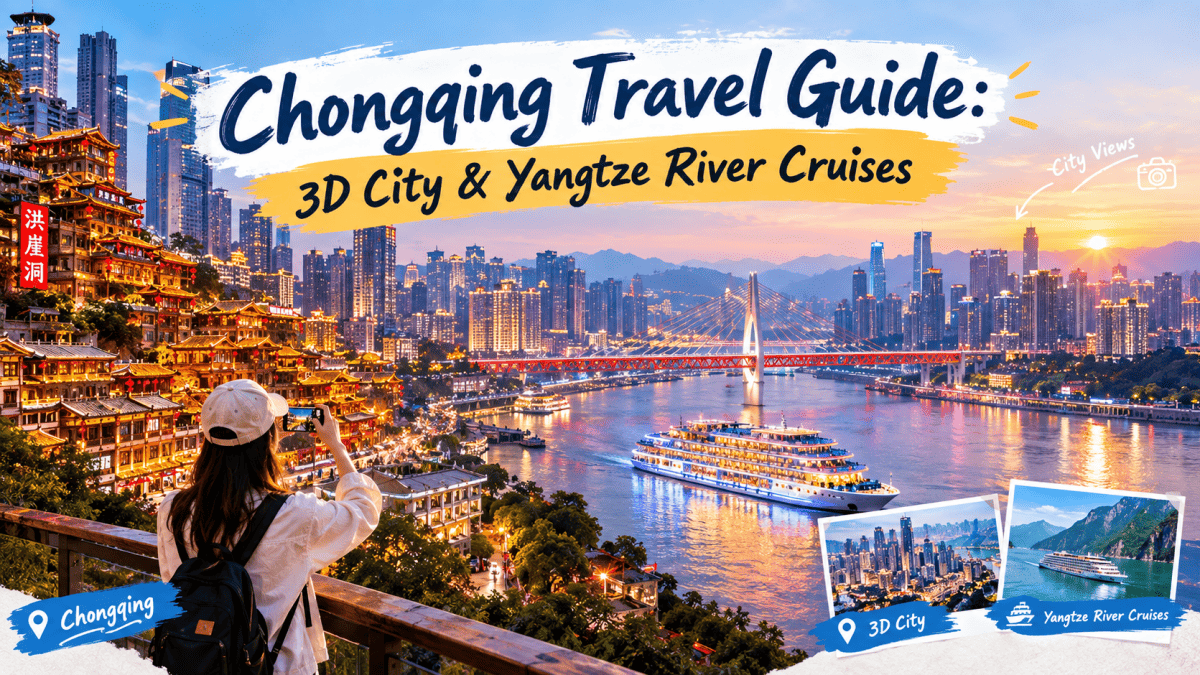
Chongqing is unlike any other city in China. Built on steep hills at the confluence of the Yangtze and Jialing rivers, this massive metropolis of 30 million people features roads stacked on top of buildings, trains passing through residential apartments, and elevators that serve as public transportation. Known as the '3D City' or 'Mountain City,' Chongqing offers visitors a disorienting but fascinating urban experience that defies conventional city planning.

Beyond its mind-bending architecture, Chongqing serves as the primary departure point for Yangtze River cruises, one of China's most popular tourist experiences. This Chongqing travel guide covers everything you need to know: what to do in Chongqing, top attractions, the famous spicy food scene, and how to plan your Yangtze River cruise.

Why Visit Chongqing?


The 3D City Experience


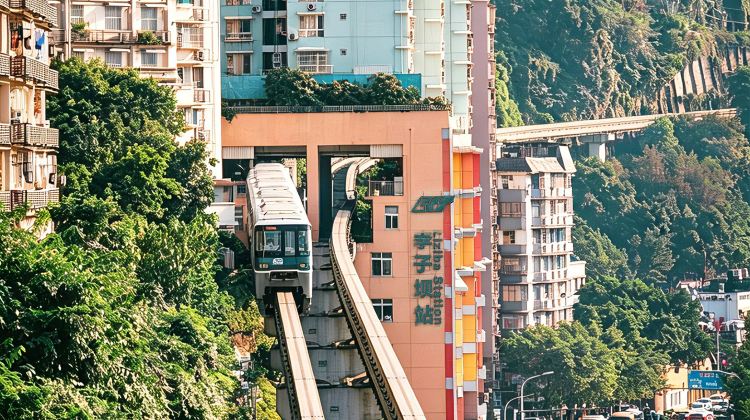
Chongqing's vertical landscape creates a surreal urban environment. Buildings climb steep hillsides, highways weave through skyscrapers, and the Light Rail Line 2 famously passes through a residential apartment building. Navigation apps struggle with the city's multiple levels, and locals give directions using vertical references ('go up three floors, then cross the bridge'). This unique topography makes Chongqing attractions unlike anything you'll experience elsewhere in China.

chongqing

Gateway to Yangtze River Cruises


Chongqing is famous for its mouth-numbing spicy cuisine, particularly hot pot. The city's food scene reflects its humid climate and working-class roots, with bold flavors designed to stimulate the senses. Food experiences are a highlight of most China tours that include Chongqing, with guided hot pot dinners and street food walks helping visitors navigate the intimidating but delicious local cuisine.

Yangtze River Cruises

Spicy Food Capital


Chongqing is famous for its mouth-numbing spicy cuisine, particularly hot pot. The city's food scene reflects its humid climate and working-class roots, with bold flavors designed to stimulate the senses. Chongqing stuff to do always includes experiencing the local food culture, from street-side noodle shops to elaborate hot pot restaurants where you cook your own ingredients in simmering broth.

hotpot

Chongqing Things to See: Top Attractions

Ciqikou Ancient Town


This 1,000-year-old town preserves traditional Ming and Qing dynasty architecture amid modern Chongqing. Narrow stone streets wind through the hillside, lined with tea houses, local craft shops, and food stalls. Try the famous Chen Mahou's twisty dough twists (mahua) and watch tea ceremony demonstrations. The town gets crowded on weekends, so visit on weekdays if possible.

ciqikou

Hongya Cave (Hongyadong)


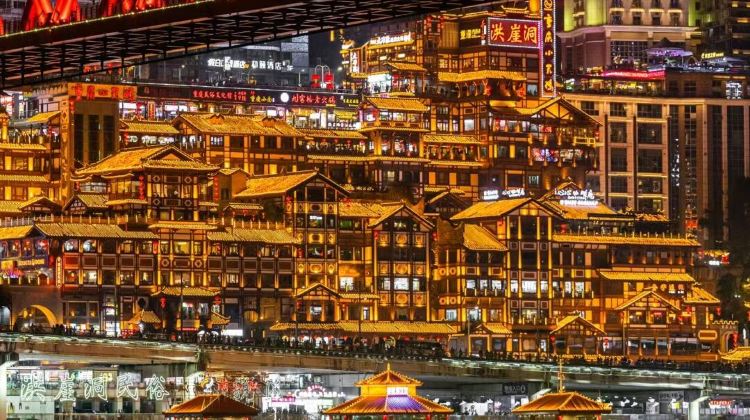
This 11-story stilt house complex clings to a steep cliff face along the Jialing River. At night, the traditional wooden structure lights up dramatically, resembling scenes from the movie 'Spirited Away.' Inside you'll find restaurants, shops, and viewing platforms offering panoramic river views. The contrast between ancient architecture and the modern skyline behind it creates one of Chongqing's most photographed scenes.

hongya cave

Three Gorges Museum


Located opposite the People's Assembly Hall, this comprehensive museum covers Chongqing's history, the Three Gorges Dam project, and regional culture. Exhibits include ancient bronze ware, ethnic minority artifacts, and detailed models explaining the dam's construction. The museum provides essential context for understanding the Yangtze River's significance to Chinese civilization.

Three Gorges Museum

Li Ziba Light Rail Station


This famous station where the light rail passes directly through a residential apartment building has become a tourist attraction. Visitors gather on the viewing platform to watch trains disappear into the building's 6th through 8th floors. The engineering solution demonstrates how Chongqing adapts to its challenging terrain. The station remains functional for daily commuters while attracting visitors curious about this unique urban design.

liziba

Jiefangbei CBD


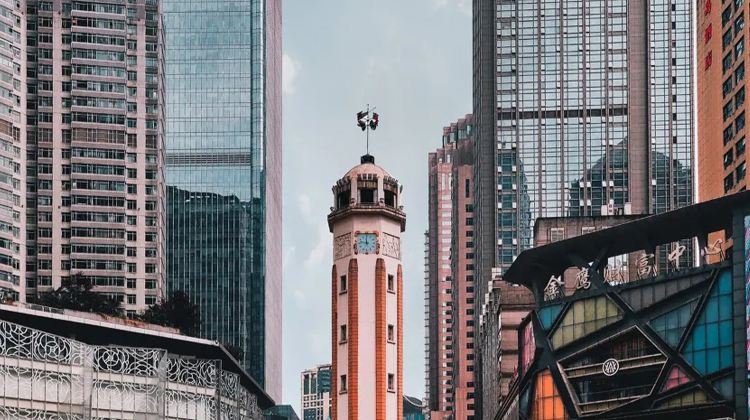
This pedestrian shopping district serves as Chongqing's commercial center, surrounded by skyscrapers and dominated by the Liberation Monument (Jiefang Bei). The area buzzes with activity day and night, featuring luxury malls, street food vendors, and crowds of shoppers. At night, the surrounding buildings light up in colorful displays, creating a lively urban atmosphere.

jiefangbei

Dazu Rock Carvings


Located about 90 minutes from central Chongqing, these UNESCO World Heritage Site rock carvings date from the 9th to 13th centuries. The 50,000 statues depict Buddhist, Confucian, and Taoist themes with remarkable detail. The most famous group at Beishan features elegant Tang dynasty figures, while Baodingshan showcases narrative scenes from daily life. This day trip from Chongqing offers a glimpse into medieval Chinese religious art.

Yangtze River Cruises from Chongqing

Cruise Overview


Yangtze River cruises typically run 3-5 days downstream from Chongqing to Yichang, covering approximately 660 kilometers. The journey passes through the dramatic Three Gorges (Qutang, Wu, and Xiling) and offers views of terraced hillsides, floating villages, and towering cliffs. Most cruises include shore excursions to scenic spots and cultural sites along the river.

Yangtze River Cruise

Choosing Your Cruise


Multiple cruise operators run the Chongqing-Yichang route, ranging from basic budget vessels to luxury floating hotels. Ships vary in size, amenities, and price. Luxury cruises feature private balconies, multiple restaurants, and entertainment options, while budget boats offer shared cabins and basic meals. Book in advance during peak season (April-October) as popular ships fill quickly.

What to Expect Onboard


Most cruises include accommodation, meals, and guided shore excursions. Days feature scenic viewing from observation decks, with commentary about passing landmarks. Evenings often include cultural performances or lectures about the river's history. The pace is relaxed, with plenty of time to read, photograph, or simply watch the landscape glide by.

Best Time for River Cruises


Spring (April-May) and autumn (September-October) offer the most comfortable weather and clearest views. Summer brings heat and occasional rain, while winter can be foggy and cold. Water levels vary seasonally, affecting which scenery is visible. The cruise season runs March through November, with some vessels operating year-round on a reduced schedule.

Chongqing Food: What to Eat

Chongqing Hot Pot


The city's signature dish features a simmering pot of spicy broth divided into sections (often nine grids). You order raw ingredients (meat, vegetables, tofu, offal) and cook them in the broth at your table. The broth uses Sichuan peppercorns that create a distinctive numbing sensation alongside the chili heat. Popular chains include Xiaolongkan and Deshuang, but neighborhood spots often offer equally authentic experiences.

For travelers interested in experiencing Chongqing's culinary culture, many Chongqing vacation packages include food tours or hot pot dining experiences as part of their itinerary.

hotpot

Xiao Mian (Small Noodles)


These spicy wheat noodles served in broth make a popular breakfast or light meal. The simple dish features chili oil, Sichuan peppercorns, garlic, and toppings like minced pork or preserved vegetables. Street vendors and small shops throughout the city serve their own versions, each with slightly different spice blends.

Suan La Fen (Hot and Sour Glass Noodles)


Made from sweet potato starch, these translucent noodles have a chewy texture that contrasts with the spicy, sour, and slightly sweet broth. Topped with crushed peanuts, cilantro, and fried soybeans, this street food snack provides a burst of flavors in every bite.

Jianghu Cai (River and Lake Cuisine)


This style of bold, flavorful cooking originated with boatmen and workers along the Yangtze. Dishes feature intense spices, offal, and unconventional ingredients prepared with techniques developed on riverboats. Look for restaurants specializing in spicy fish, grilled fish, and braised meats with numbing peppercorns.

Chongqing Travel: Practical Information

Getting There


Chongqing Jiangbei International Airport serves domestic flights from major Chinese cities and some international routes. The city also connects to China's high-speed rail network, with trains to Chengdu (1.5 hours), Xi'an (5 hours), and other major cities. For travelers combining multiple destinations, many China tours include Chongqing as part of broader itineraries covering the Yangtze region.

Getting Around


Chongqing's light rail system covers major attractions and connects to the airport. Taxis are affordable but drivers may not speak English. The city's vertical layout means walking often involves stairs and elevators. Ride-hailing apps work well, though addresses can be confusing due to the multiple street levels. Consider hiring a guide for your first day to understand the city's unique navigation challenges.

Where to Stay


Jiefangbei offers the most convenient location for first-time visitors, with easy access to attractions, restaurants, and transportation. Nan'an District provides river views and a slightly quieter atmosphere. Most international-standard hotels cluster in the city center, while budget accommodations spread throughout urban areas. Book hotels with elevators if you have mobility concerns, as some buildings require climbing stairs to reach lobby level.

Best Time to Visit


Spring and autumn provide the most comfortable weather for exploring Chongqing's outdoor attractions. Summer (June-August) brings extreme heat and humidity, with temperatures regularly exceeding 35°C (95°F). Winter can be foggy and damp, though temperatures rarely drop below freezing. If you're planning a Yangtze River cruise, coordinate your Chongqing visit with your cruise departure date.

Suggested Chongqing Itineraries

2-Day Chongqing Highlights


Day 1: Visit Jiefangbei area, visit Hongya Cave, walk along the riverside, experience hot pot dinner. Day 2: Morning at Ciqikou Ancient Town, afternoon at Three Gorges Museum, evening Light Rail Line 2 ride through the apartment building. This itinerary covers major Chongqing attractions while leaving time for your Yangtze River cruise departure.

3-Day Chongqing with Dazu Rock Carvings


Spend 2 days visiting Chongqing, then board a 3-day Yangtze River cruise to Yichang. This combination provides both urban adventure and natural scenery, covering the region's highlights efficiently. Many Chongqing tours offer this exact itinerary, which works well for travelers wanting to experience both the city and the river without rushing.

4-5 Days Including Yangtze River Cruise


Spend 2 days exploring Chongqing, then board a 3-day Yangtze River cruise to Yichang. This combination provides both urban adventure and natural scenery, covering the region's highlights efficiently. Many travelers find this pace ideal for experiencing both the 3D city and the river's dramatic gorges without feeling rushed.

Final Thoughts

Chongqing challenges everything you expect from a Chinese city. The vertical landscape, numbing-spicy food, and role as a Yangtze River cruise gateway create experiences that feel both futuristic and deeply traditional. Whether you're navigating the 3D streets, watching trains pass through apartments, or sailing through the Three Gorges, Chongqing delivers memorable moments that justify the journey.

Plan 2-3 days to see the city's highlights before or after your river cruise. The food scene alone warrants the visit, while the unique urban geography provides endless photographic opportunities. For travelers seeking authentic Chinese experiences beyond the typical tourist trail, Chongqing offers something genuinely different.


FAQ

How many days do you need in Chongqing?

Two to three days covers the main Chongqing attractions and food experiences. Add another day if you want to visit Dazu Rock Carvings. Most travelers combine Chongqing with a Yangtze River cruise, making the total trip 4-6 days. The city works well as a 2-day stop before or after your cruise.

Is Chongqing worth visiting?

Yes, Chongqing offers a unique urban experience you cannot find elsewhere in China. The 3D city layout, spicy food culture, and role as a Yangtze cruise gateway make it worthwhile for most travelers. If you enjoy urban exploration, photography, and adventurous eating, Chongqing delivers memorable experiences. The city feels more authentic and less touristy than Beijing or Shanghai.

What is the best time to visit Chongqing?

April-May and September-October offer comfortable temperatures and clear skies for sightseeing. These months also align well with Yangtze River cruise schedules. Avoid summer if you dislike heat and humidity. Winter can work if you don't mind fog and cooler temperatures, plus you'll encounter fewer tourists.

How do I get from Chongqing airport to the city center?

Take Light Rail Line 10 from the airport to Jiefangbei area (about 1 hour, 7 yuan). Taxis cost 60-80 yuan and take 40-60 minutes depending on traffic. Ride-hailing apps work at the airport. Most hotels in the city center are accessible by light rail or short taxi rides from the Line 10 stations.

Is Chongqing food too spicy for foreigners?

Chongqing cuisine ranks among China's spiciest, but you can control heat levels. Request 'wei la' (mild spicy) or 'bu la' (no spicy) when ordering. Many restaurants accommodate less spicy requests, though flavors remain bold. Start with milder dishes like xiao mian with reduced chili, then work up to hot pot gradually. The numbing sensation from Sichuan peppercorns surprises many first-time visitors more than the actual heat.