Canada North America Best Time Travel Tips

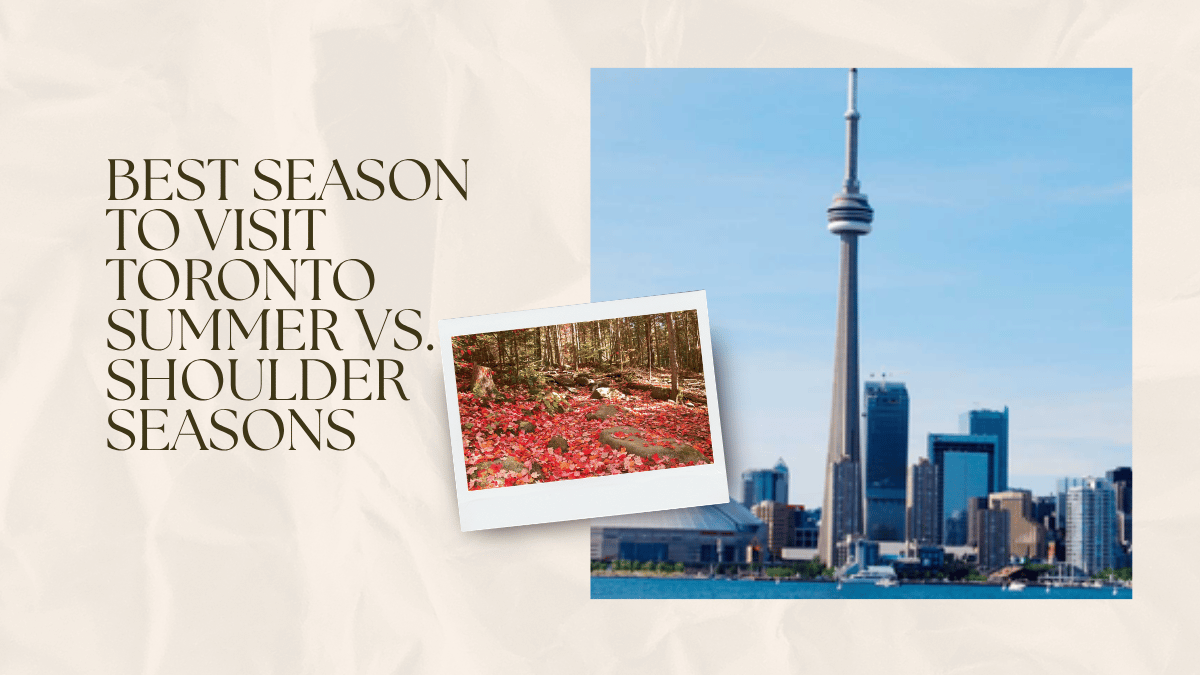
Best Season to Visit Toronto: Summer vs. Shoulder Seasons

cover

For most first-time visitors, summer is the best season to visit Toronto. From June through early September, warm weather and long days make it easier to enjoy the waterfront, Toronto Islands, patios, parks, and a full calendar of outdoor activity. The tradeoff is a livelier city, with popular areas, events, and transportation under greater pressure. Travelers who value comfortable walking and a calmer pace may prefer late spring, especially May to early June. Early fall, from September into October, is another strong alternative for pleasant sightseeing, cultural energy, and regional foliage. The right choice therefore depends on more than temperature: consider how much outdoor time you want, whether an event fixes your dates, how you feel about crowds, and whether Toronto is your complete trip or the starting point for a longer Eastern Canada route.

 
Season and Window Best For Typical Feel Main Tradeoff
Summer: June–early September Outdoor sights and festivals Warm, energetic, long days Busier popular areas
Late spring: May–early June Walking and blossoms Mild but changeable Cool or rainy spells
Early fall: September–October Comfort and fall color Crisp, increasingly cool Shorter days later on


Why Summer Is the Best All-Purpose Choice


toronto-canada

What Summer Unlocks Outdoors

Toronto is especially easy to understand in summer because its lakefront, islands, neighborhoods, and downtown attractions can fit into one flexible day. Ferries and beaches become more appealing, patios extend the evening, and parks work as genuine itinerary stops rather than quick photo breaks. Longer daylight also gives first-time visitors more room to recover from a late start or spend extra time in a neighborhood. Browse Toronto travel ideas before assigning outdoor priorities, then keep indoor museums as useful alternatives rather than the center of every day.
 

The Tradeoffs of Peak Energy

Summer’s advantage is also its complication. Festivals, sports, road work, and popular waterfront days can affect traffic and transit, while central attractions may feel busiest at obvious times. Build breathing room around fixed reservations and avoid stacking distant sights too tightly. Humidity and sudden rain are possible, so a light layer and compact rain shell remain useful even on a warm forecast. Summer is the default recommendation because it offers the widest range of experiences, not because every day is quiet or perfectly sunny.
 

When a Shoulder Season Is Better


toronto-shoulder-season

Late Spring for Walking and Blossoms

Late spring is a smart choice for travelers who want to cover Toronto on foot without midsummer heat. Trees and gardens revive, cherry blossoms may reward flexible timing, and waterfront cycling can be comfortable on mild days. Spring weather can change quickly, however, and a beautiful morning does not guarantee a warm evening. Pack layers and give weather-dependent places a backup slot. The broader Canada destination guide can also help you judge whether Toronto’s spring conditions suit other stops on the same journey.
 

Early Fall for Comfort and Color

Early fall often delivers the most balanced urban sightseeing: warm remnants of summer, cooler evenings, and cultural events as the city returns to its regular rhythm. September can still feel busy around major happenings, so “shoulder season” does not automatically mean empty streets. By October, fall color can improve park walks and regional drives, but daylight shrinks and cooler weather becomes more likely. Choose early fall when comfortable walking and photography matter more than beach time, and keep the latest part of the day flexible.
 

Match the Season to Your Travel Style


summer-toronto

Families and First-Time Visitors

Families and first-time visitors usually benefit most from summer because outdoor and indoor choices can be mixed without making every transition weather-dependent. A short city break also feels less constrained when evenings remain bright. Travelers sensitive to heat or crowds should shift toward late May, early June, or the period after the busiest summer weeks. Use Tours4fun to compare trip formats, but judge any option by its usable sightseeing time rather than its total number of days alone.
 

Event Travelers, Photographers, and Winter Fans

If a specific festival, match, or performance is the reason for traveling, the event date should decide the season; check its official schedule before committing. Photographers may favor spring bloom or October foliage, while travelers who genuinely enjoy skating, festive lights, museums, and cold-weather atmosphere can choose winter deliberately. Winter is not the broadest first-visit recommendation because snow, ice, wind, and shorter daylight can narrow outdoor plans, yet it can be rewarding when cold is part of the experience rather than an inconvenience.
 

Pair Toronto With an Eastern Canada Tour

Protect Usable Sightseeing Time

A regional trip changes the seasonal calculation. Total tour length includes arrivals, departures, highway or rail transfers, hotel changes, and time spent getting oriented. A six-day itinerary is therefore not six full sightseeing days, and a four-day circuit can move quickly. Summer’s longer days help, but they cannot erase distance. Shoulder-season routes may feel calmer, although variable weather calls for more schedule flexibility. Before choosing, decide whether Toronto is the main destination or one stop in a broader overview.
The 6-Day Eastern Canada Boutique Small Group Tour from Toronto fits travelers who want an organized regional overview and prefer a tour labeled as small-group. Six days provide more breathing room than a four-day circuit, which is the main benefit when Toronto anchors a larger trip. The limitation is depth: moving beyond Toronto necessarily reduces time in the city, and travelers should confirm the current route details directly before matching it to seasonal priorities

Recommend Tour

6-Day Eastern Canada Boutique Small Group Tour from Toronto·Quebec City, Mont-Tremblant, Montreal, Ottawa, Niagara Falls and Thousand Islands | 2-Night Stay at 5-Star Fairmont Hotels
Guaranteed Departure
Free Airport Transfer
5.0
Código del tour: 753318
Ciudad de inicio / Ciudad de fin
Toronto
Duración
6.0 Days
Ciudad y atracciones
Ottawa, Montreal, Quebec City +43 más
Idiomas
Chinese Live, English Live
Tamaño del grupo
Máx. 12 viajeros

The 4-Day Eastern Canada Tour with Two Fairmont Hotel Nights suits time-limited travelers who value a compact format and the stated hotel emphasis. Its benefit is fitting a regional experience into a shorter window. Its limitation is pace: four total days leave little protection against long transfers or weather disruption, so it is a weaker match for travelers who want unhurried neighborhood exploration in Toronto.

Recommend Tour

4-Day Eastern Canada Tour·Quebec City, Montreal, Ottawa & Tremblant Resort | Max 12 Pax | 2-Nights at 5-star Fairmont hotel
Guaranteed Departure
Select Meals Included
5.0
Código del tour: 753522
Ciudad de inicio / Ciudad de fin
Toronto
Duración
4.0 Days
Ciudad y atracciones
Ottawa, Montreal, Quebec City +36 más
Idiomas
Chinese Live, English Live
Tamaño del grupo
Máx. 12 viajeros
De
$1,093.76

The Toronto, Montreal, Quebec, and Ottawa 6-Day Tour fits travelers who prioritize seeing several major Eastern Canada cities. The benefit is clear geographic breadth within one trip concept. The limitation is substantial transit and less usable time in each place; four named destinations over six days should be viewed as an overview, not deep exploration. Early summer or early fall may make city walking comfortable, but the exact operating plan should guide the final choice.

Recommend Tour

Old Quebec Stay | 6-Day Premium Eastern Canada Tour from Toronto·Niagara Falls, Montreal, Ottawa, Quebec City, Thousand Islands
Guaranteed Departure
Free Airport Transfer
4.9 ( 66 reseñas )
Código del tour: 752763
Ciudad de inicio / Ciudad de fin
Toronto
Duración
6.0 Days
Ciudad y atracciones
Toronto, Ottawa, Montreal +41 más
Idiomas
Chinese Live, English Live
Tamaño del grupo
Máx. 55 viajeros
Ahorrar 20%
De $899.49
$719.59

Seasonal Planning That Prevents Surprises

Pack for Variability

Toronto’s lake-influenced weather can shift within a day. In summer, carry water, sun protection, and a light rain layer. In spring and fall, use layers that can handle a cool morning, mild afternoon, and breezy waterfront evening. Winter requires insulated outerwear and footwear suited to wet or icy surfaces. Packing for transitions is more useful than relying on a seasonal average.
 

Check Conditions Near Departure

Review the short-range forecast, attraction hours, ferry information, and official event schedules shortly before travel. If comparing Toronto vacation packages, check how much unscheduled city time each one preserves. A plan with one weather-flexible block per day is often more resilient than a minute-by-minute itinerary, especially during spring changes, summer storms, or an early autumn cold front.
 

FAQ

What Is the Best Month to Visit Toronto?

September is a strong all-around choice because it often combines lingering warmth, active cultural life, and comfortable walking. It is not automatically quiet, especially around major events. June is better for long days and early-summer energy, while May suits visitors who prioritize mild conditions and spring scenery. Choose a month according to your main activity, then verify the forecast and event calendar close to departure.

Is Summer or Fall Better for Toronto?

Summer is better for a first visit focused on the Toronto Islands, waterfront activity, patios, and the broadest outdoor schedule. Early fall is better for travelers who prefer cooler walks, seasonal color, and less emphasis on beaches. September can preserve much of summer’s energy; October brings more autumn character but shorter days. Neither season guarantees low crowds, because large events can create busy periods.

How Many Days Do You Need in Toronto?

Three full sightseeing days are a practical starting point for major landmarks, the waterfront, and a few neighborhoods without constant rushing. Add a day for Niagara Falls or another regional excursion, since transfer time reduces what fits comfortably. On a multi-city tour, count usable hours rather than the advertised total days: arrival, departure, transfers, and hotel changes all consume time that cannot be spent exploring Toronto.

Is Toronto Worth Visiting in Winter?

Yes, if museums, dining, performances, skating, and a genuine Canadian cold-weather atmosphere appeal to you. Winter can offer a distinctive city experience, but snow, ice, wind, and limited daylight make outdoor plans less predictable. Bring proper layers and traction-friendly footwear, allow extra travel time, and pair outdoor stops with indoor alternatives. For visitors seeking maximum waterfront and park access, summer or a shoulder season remains the safer choice.