Travel Info for Utah
Utah possesses one of the world's most unique geological landscapes, characterized by red rock canyons, towering sandstone arches, and high-altitude forests. As a result, a trip to Utah is a dream come true for all nature lovers. But Utah offers more than just natural scenery; its cities and culture also attract a diverse range of visitors. This guide provides practical information on how to organize your journey, what to see, and how to make the most of your time in the Beehive State.
Best Time to Travel to Utah
This will depend on your tolerance for heat and your interest in specific outdoor activities. Since Utah features both high-altitude deserts and mountains, weather conditions vary significantly.
Spring (April to May): This is widely considered the prime window for a Utah national parks tour. Temperatures are mild, typically ranging from 60°F to 80°F, making it comfortable for long hikes.
Fall (September to October): Similar to spring, the fall offers pleasant weather and thinner crowds. This is an excellent time for photography as the light softens against the red rocks.
Summer (June to August): Expect intense heat, often exceeding 100°F in southern Utah. If you visit now, start your hikes at dawn and stay hydrated. This is, however, the best time to visit northern Utah’s high-elevation lakes and mountains.
Winter (December to March): While southern Utah can be cold and snowy, this is the best time for "The Greatest Snow on Earth" at northern ski resorts. Many Utah trips during this season focus on world-class skiing near Salt Lake City.
How to Get Around Utah
The major attractions in Utah are quite far apart, so we recommend driving, as this will give you the most flexibility. Of course, if you don’t enjoy long drives through the desert, joining an organized guided tour is a wise choice. Once inside the parks, such as Zion or Bryce Canyon, you will often use mandatory park shuttles. These systems are designed to reduce traffic and provide easy access to the most popular trailheads.
If you're only visiting Salt Lake City or a national park, you can use the TRAX light rail and Uber.
Cities in Utah to Visit
Nature is, of course, a major draw in Utah, but its cities also serve as hubs for travelers.
Salt Lake City: As Utah's capital, Salt Lake City boasts a unique Mormon history and is home to numerous ski resorts. Its most famous landmark is
Temple Square, the heart of The Church of Jesus Christ of Latter-day Saints (LDS Church). Salt Lake City also serves as a major gateway to Western U.S. national parks such as Zion, Bryce Canyon, and Yellowstone.
Moab: When visiting Arches National Park and Canyonlands National Park, Moab is the gateway town you won’t want to miss. Compared to other major cities, it’s more like an adventure hub, offering outdoor activities such as hiking, off-road driving, and mountain biking.
St. George: Situated in the southwest corner, St. George is a warmer, palm-tree-lined city that serves as an excellent base for visiting Zion National Park and Snow Canyon State Park.
National Parks in Utah to Visit
The "Mighty 5" represent the most iconic national parks Utah has to offer. Each park features a distinct landscape that sets it apart from the others.
Zion National Park
Zion National Park is arguably the most popular and most visited of the “Mighty 5” national parks. It features deeper canyons, denser vegetation, rivers winding through the valleys, and sheer red-rock cliffs, along with challenging hiking trails.
Bryce Canyon National Park
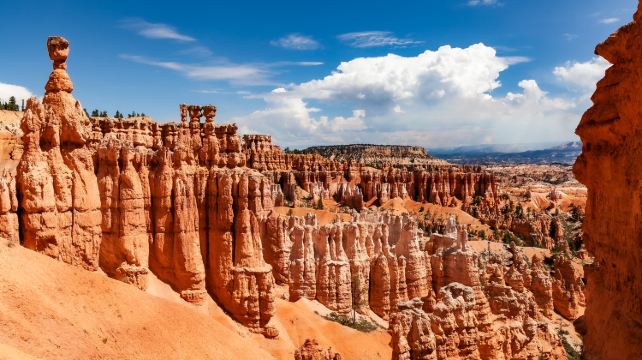
The park is home to fantastical hoodoos, particularly the Maze, which makes the park look like a fantasy world. Combined with its high elevation, it is also an excellent spot for stargazing among the nation’s national parks.
Capitol Reef National Park
Although it attracts far fewer visitors than Zion National Park and Arches National Park, it boasts its own unique landscapes. These include massive folded rock formations, desert canyons, and white rock domes. Even more unique are the orchards in the desert, where visitors can pick fruit throughout the different seasons.
Arches National Park
A quintessential national park, home to the world’s highest concentration of natural stone arches. The most famous is Delicate Arch, which offers the most stunning views at sunset. But the Windows Section and Landscape Arch are equally impressive.
Canyonlands National Park
This is the largest of the five parks, featuring a vast canyon system. The park is divided into four districts, offering sweeping views of the Colorado and Green Rivers. The “Island in the Sky” district offers the most accessible overlooks.
The Best Utah National Park Itineraries
It’s common to combine multiple parks into a single itinerary, and these are the most convenient and popular routes.
The Southern Loop: This itinerary typically starts in Las Vegas and covers Zion and Bryce Canyon. It is perfect for a 3-to-5-day trip focusing on the most dramatic vertical scenery.
The Grand Circle: This comprehensive Utah national parks tour usually takes 7 to 10 days. It begins in Salt Lake City or Las Vegas and hits all five national parks, often including a stop at Monument Valley on the border of Arizona.
The Moab Duo: For those with limited time, focusing on Arches and Canyonlands allows you to stay in one hotel (in Moab) while seeing two very different parks.
Recommended Utah Day Trips
If you're looking for off-the-beaten-path destinations in Utah, several day trips will quickly immerse you in nature.
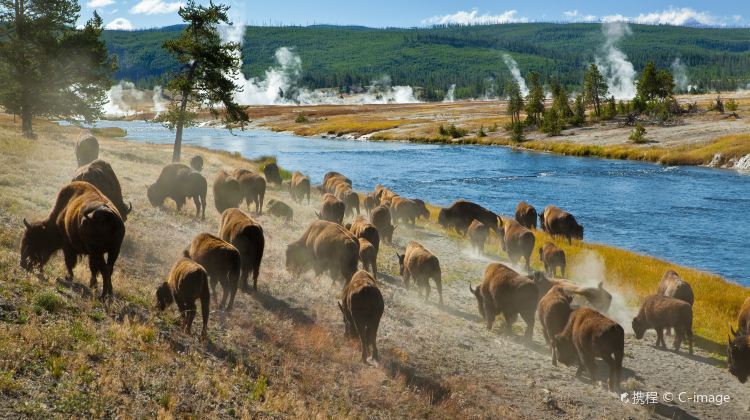
Antelope Island State Park: Just a short drive from Salt Lake City, this island in the Great Salt Lake is home to free-roaming bison, pronghorn, and bighorn sheep.
Dead Horse Point State Park: Located near Moab, this park offers a spectacular view of a gooseneck in the Colorado River, sitting 2,000 feet above the water. It is often considered one of the best views in the state.
Goblin Valley State Park: A family-friendly destination where thousands of small, mushroom-shaped rock pinnacles create a playground-like atmosphere.
Bonneville Salt Flats: Located in western Utah, these vast white salt crusts offer a surreal, mirror-like landscape that is perfect for unique photography.


 242 Resultados