


Mejores Tours de Monte Rushmore y Parque Nacional de Yellowstone
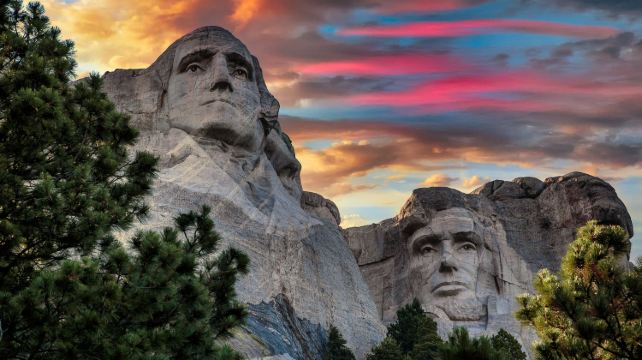
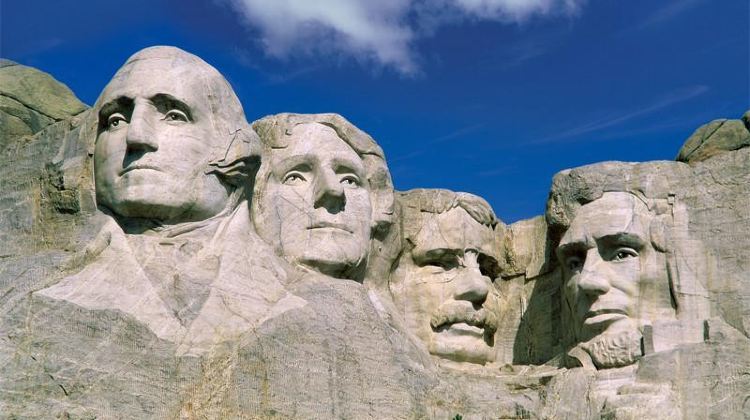
The epic 5,725-foot tall monument features the 60-foot granite carved faces of the four United States presidents of George Washington, Thomas Jefferson, Theodore Roosevelt and Abraham Lincoln. Mount Rushmore National Memorial was sculpted by Gutzon Borglum and his son Lincoln Borglum between 1927-39 and the idea was thought up by historian Doane Robinson to bring tourists to the Black Hills area of South Dakota. The concept worked as the national landmark on 1,278 acres is visited by almost three million people every year. Nearby related attractions include Lincoln Borglum Visitor Center, Presidential Trail and the Sculptor's Studio.
Mostrar todo
 19 Resultados
Filtros
Lugares
Fechas y duración


4.9 (115 reseñas) Código del tour: 729216
Ciudad de inicio / Ciudad de fin
Denver
Duración
7.0 Days
Ciudad y atracciones
Salt Lake City, Denver, Jackson
+26 más
Idiomas
Chinese Live, English Live
Tipo de grupo
Tour Grupal Estándar
Audiencia del tour
Primarily Mandarin-Speaking Travelers
Ahorrar 12%
De $998.03
$878.27
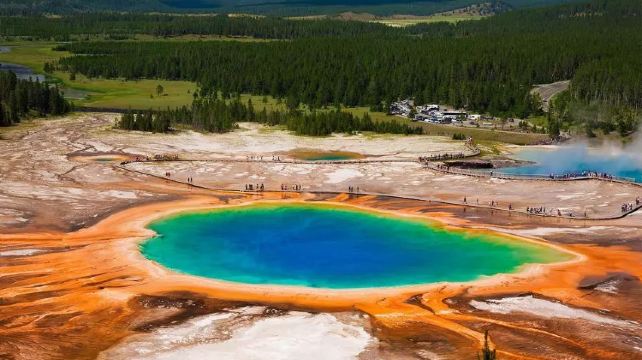
5.0 (2 reseñas) Código del tour: 728091
Ciudad de inicio / Ciudad de fin
Salt Lake City
Duración
5.0 Days
Ciudad y atracciones
Salt Lake City, Jackson, Park County
+25 más
Idiomas
Chinese Live, English Live
Tipo de grupo
Tour Grupal Estándar
Audiencia del tour
Primarily Mandarin-Speaking Travelers
Ahorrar 2%
De $908.04
$889.88
5.0 Código del tour: 728799
Ciudad de inicio / Ciudad de fin
Denver, Salt Lake City
Duración
6.0 Days
Ciudad y atracciones
Salt Lake City, Denver, Jackson
+22 más
Idiomas
Chinese Live, English Live
Tipo de grupo
Tour Grupal Estándar
Audiencia del tour
Primarily Mandarin-Speaking Travelers
Ahorrar 40%
De $1,482.05
$889.23
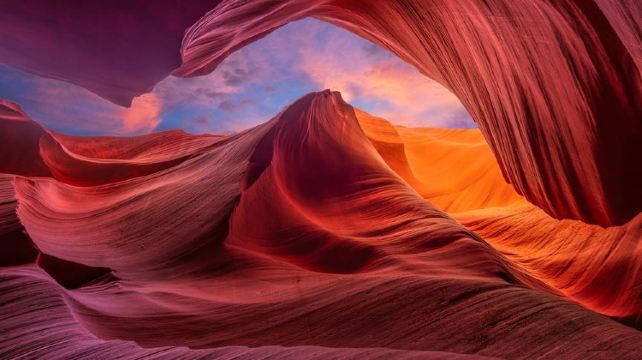
4.8 (51 reseñas) Código del tour: 728196
Ciudad de inicio / Ciudad de fin
Los Angeles, Las Vegas, Salt Lake City
Duración
7.0 Days
Ciudad y atracciones
Las Vegas, Salt Lake City, Jackson
+36 más
Idiomas
Chinese Live, English Live
Tipo de grupo
Tour Grupal Estándar
Audiencia del tour
Primarily Mandarin-Speaking Travelers
Ahorrar 15%
De $998.04
$848.34

5.0 Código del tour: 728073
Ciudad de inicio / Ciudad de fin
Los Angeles, Las Vegas
Duración
12.0 Days
Ciudad y atracciones
San Francisco, Las Vegas, Salt Lake City
+49 más
Idiomas
Chinese Live, English Live
Tipo de grupo
Tour Grupal Estándar
Audiencia del tour
Primarily Mandarin-Speaking Travelers
Ahorrar 5%
De $1,548.15
$1,470.74
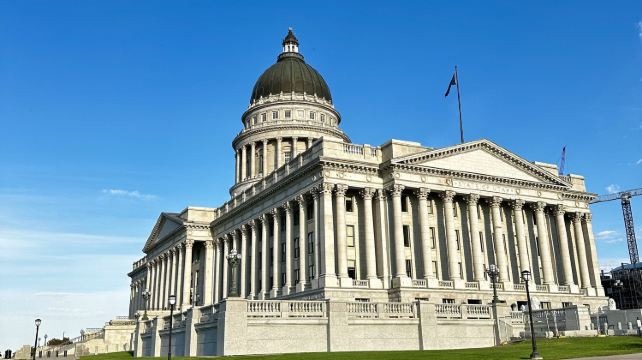
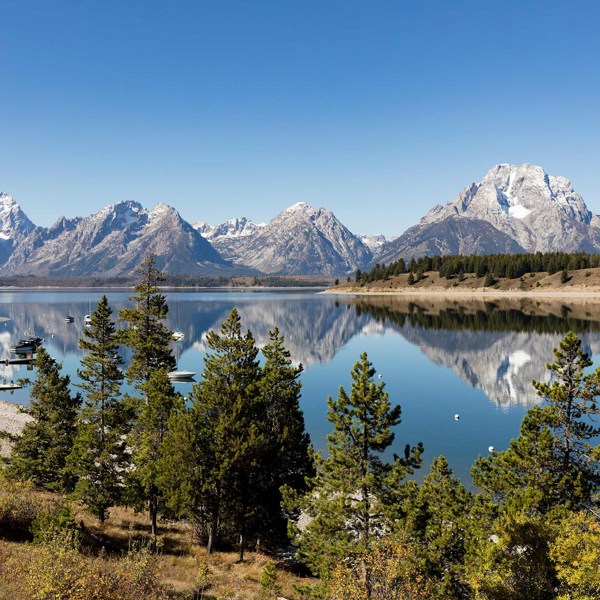
4-Day Yellowstone National Park Tour from Salt Lake City·Crazy Horse, Grand Teton and Mount Rushmore
5.0 (1 reseñas) Código del tour: 720444
Ciudad de inicio / Ciudad de fin
Salt Lake City
Duración
4.0 Days
Ciudad y atracciones
Salt Lake City, Jackson, Park County
+25 más
Idiomas
Chinese Live, English Live
Tipo de grupo
Tour Grupal Estándar
Audiencia del tour
Primarily Mandarin-Speaking Travelers
De
$868.04
4.0 (34 reseñas) Código del tour: 730989
Ciudad de inicio / Ciudad de fin
Las Vegas
Duración
15.0 Days
Ciudad y atracciones
Las Vegas, Bryce Canyon City, Salt Lake City
+24 más
Idiomas
English Live
Tipo de grupo
Tour Grupal Estándar
Audiencia del tour
Primarily English-Speaking Travelers
Operador
The Travel Corporation (TTC)
Ahorrar 10%
De $6,507.54
$5,856.79

4.0 (28 reseñas) Código del tour: 731373
Ciudad de inicio / Ciudad de fin
Las Vegas, Denver
Duración
10.0 Days
Ciudad y atracciones
Las Vegas, Bryce Canyon City, Salt Lake City
+15 más
Idiomas
English Live
Tipo de grupo
Tour Grupal Estándar
Audiencia del tour
Primarily English-Speaking Travelers
Operador
The Travel Corporation (TTC)
Ahorrar 10%
De $3,942.81
$3,548.53

5.0 Código del tour: 664482
Ciudad de inicio / Ciudad de fin
Denver, San Francisco
Duración
15.0 Days
Ciudad y atracciones
Denver, Cheyenne, Rapid City
+19 más
Idiomas
English Live
Tipo de grupo
Tour Grupal Estándar
Audiencia del tour
Mixed International Travelers
Operador
American Tours International
Ahorrar 10%
De $3,934.44
$3,541.00
4.7 (31 reseñas) Código del tour: 720771
Ciudad de inicio / Ciudad de fin
Los Angeles, Las Vegas
Duración
8.0 Days
Ciudad y atracciones
Las Vegas, Salt Lake City, Barstow
+43 más
Idiomas
Chinese Live, English Live
Tipo de grupo
Tour Grupal Estándar
Audiencia del tour
Primarily Mandarin-Speaking Travelers
De
$1,098.03
Save $250/Room
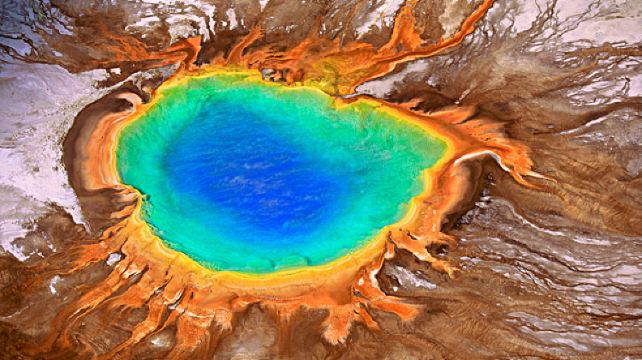
6-Day Yellowstone National Park Tour from Salt Lake City·Crazy Horse, Grand Teton and Mount Rushmore
4.0 (3 reseñas) Código del tour: 728628
Ciudad de inicio / Ciudad de fin
Salt Lake City
Duración
6.0 Days
Ciudad y atracciones
Salt Lake City, Jackson, Park County
+27 más
Idiomas
Chinese Live, English Live
Tipo de grupo
Tour Grupal Estándar
Audiencia del tour
Primarily Mandarin-Speaking Travelers
De
$958.06
4.0 (23 reseñas) Código del tour: 731076
Ciudad de inicio / Ciudad de fin
Jackson, Rapid City
Duración
9.0 Days
Ciudad y atracciones
Jackson, Cody, Billings
+12 más
Idiomas
English Live
Tipo de grupo
Tour Grupal Estándar
Audiencia del tour
Primarily English-Speaking Travelers
Operador
The Travel Corporation (TTC)
Ahorrar $500.00
De $4,657.50
$4,157.50
4.0 (36 reseñas) Código del tour: 716178
Ciudad de inicio / Ciudad de fin
Las Vegas, Denver
Duración
13.0 Days
Ciudad y atracciones
Las Vegas, Flagstaff, Grand Canyon
+18 más
Idiomas
English Live
Tipo de grupo
Tour Grupal Estándar
Audiencia del tour
Primarily English-Speaking Travelers
Operador
The Travel Corporation (TTC)
Ahorrar 10%
De $3,298.28
$2,968.45
5.0 Código del tour: 728193
Ciudad de inicio / Ciudad de fin
Salt Lake City, Los Angeles, Las Vegas
Duración
7.0 Days
Ciudad y atracciones
Las Vegas, Salt Lake City, Barstow
+35 más
Idiomas
Chinese Live, English Live
Tipo de grupo
Tour Grupal Estándar
Audiencia del tour
Primarily Mandarin-Speaking Travelers
De
$998.04

5.0 Código del tour: 728046
Ciudad de inicio / Ciudad de fin
San Francisco, Los Angeles, Las Vegas
Duración
11.0 Days
Ciudad y atracciones
San Francisco, Las Vegas, Salt Lake City
+44 más
Idiomas
Chinese Live, English Live
Tipo de grupo
Tour Grupal Estándar
Audiencia del tour
Primarily Mandarin-Speaking Travelers
De
$1,548.15
1
2
¿Por qué reservar con Tour4fun?
 Promesa del mejor precio Precios transparentes: sin cargos ocultos Socios locales estrictamente seleccionados Soporte multilingüe 24/7


Ahorre hasta un 50% en tours
Suscríbete a nuestro boletín para recibir acceso exclusivo a ofertas exclusivas para miembros por correo electrónico.