


Mejores Tours de Montana y Agujero de Jackson
Montana offers solitude and grandeur in equal measure. Home to Glacier National Park, its dramatic valleys and pristine lakes like McDonald carve paths through ancient rock, while the Going-to-the-Sun Road winds above treeline with breathtaking vistas. The state's soul thrives in small towns such as Bozeman and Missoula, where local breweries and artisan markets reflect a deep connection to land and legacy. Wild elk graze near Yellowstone's northern edge, and fly-fishermen cast lines into crystal-clear rivers teeming with trout. Whether hiking the Beartooth HIGHWAY or stargazing under some of America's darkest skies, Montana delivers an authentic escape rooted in natural wonder and quiet resilience.
Mostrar todo
 4 Resultados
Filtros
Lugares
Fechas y duración
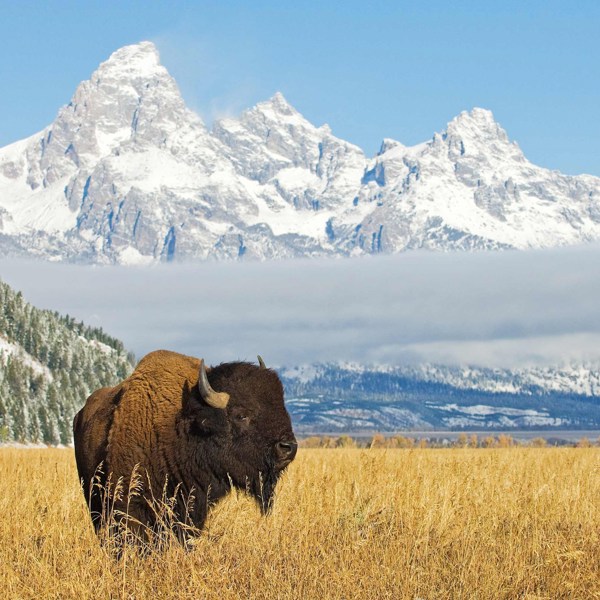


4.0
( 23 reseñas )
Código del tour: 731076Ciudad de inicio / Ciudad de fin
Jackson, Rapid City
Duración
9.0 Days
Ciudad y atracciones
Jackson, Cody, Billings
+12 más
Idiomas
English Live
Tipo de grupo
Standard Group
Audiencia del tour
Primarily English-Speaking Travelers
Operador
The Travel Corporation (TTC)
Ahorrar 10%
De $4,638.60
$4,174.74
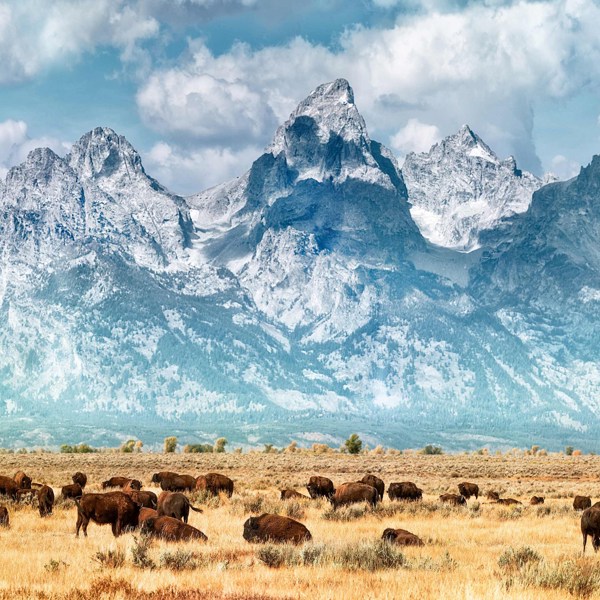
4.0
( 35 reseñas )
Código del tour: 731193Ciudad de inicio / Ciudad de fin
Jackson, Las Vegas
Duración
9.0 Days
Ciudad y atracciones
Jackson, West Yellowstone, Salt Lake City
+15 más
Idiomas
English Live
Tipo de grupo
Standard Group
Audiencia del tour
Primarily English-Speaking Travelers
Operador
The Travel Corporation (TTC)
Ahorrar 10%
De $4,158.00
$3,742.20

4.2
( 31 reseñas )
Código del tour: 717066Ciudad de inicio / Ciudad de fin
Salt Lake City, Rapid City
Duración
9.0 Days
Ciudad y atracciones
Salt Lake City, Jackson, West Yellowstone
+11 más
Idiomas
English Live
Tipo de grupo
Standard Group
Audiencia del tour
Primarily English-Speaking Travelers
Operador
The Travel Corporation (TTC)
Ahorrar 10%
De $4,239.00
$3,815.10

4.1
( 45 reseñas )
Código del tour: 717069Ciudad de inicio / Ciudad de fin
Salt Lake City, Denver
Duración
9.0 Days
Ciudad y atracciones
Salt Lake City, Jackson, West Yellowstone
+12 más
Idiomas
English Live
Tipo de grupo
Standard Group
Audiencia del tour
Primarily English-Speaking Travelers
Operador
The Travel Corporation (TTC)
Ahorrar 10%
De $4,239.00
$3,815.10
¿Por qué reservar con Tours4fun?
 Garantía del Mejor Precio Precios Transparentes Garantía de Seguridad en Viajes Soporte Multilingüe 24/7


Ofertas de viaje exclusivas
Suscríbete a nuestro boletín para recibir acceso exclusivo a ofertas exclusivas para miembros por correo electrónico.