


Mejores Tours y Viajes de Bayeux
Bayeux, located just off the English Channel in the Normandy region of France, served as a landing point for the Norman invasion of England in 1066 and as the D-Day landing point for Allied forces in World War II. For history buffs, the Bayeux Tapestry and D-Day Museum cannot be missed. The Notre Dame Cathedral serves as the town's central point, with narrow cobblestone streets emanating from it and dating back to the Middle Ages. Numerous D-Day beaches are a quick bus ride away, as is the Normandy American Cemetery where almost 10,000 American soldiers are buried.
Mostrar todo
 6 Resultados
Popularidad
Categorías
Ciudad de inicio
Buscar una ciudad
Ciudad del fin
Buscar una ciudad
Ciudad y atracciones
Buscar una ciudad
Fecha de salida
Mes de salida
Duración
1 day1 day
Idiomas
Buscar idiomas
Tamaño del grupo
Tipo de grupo
Estilos de viaje
Preciopor persona
$0.00$181.00
Especiales
Principales ventajas
Servicio de comidas

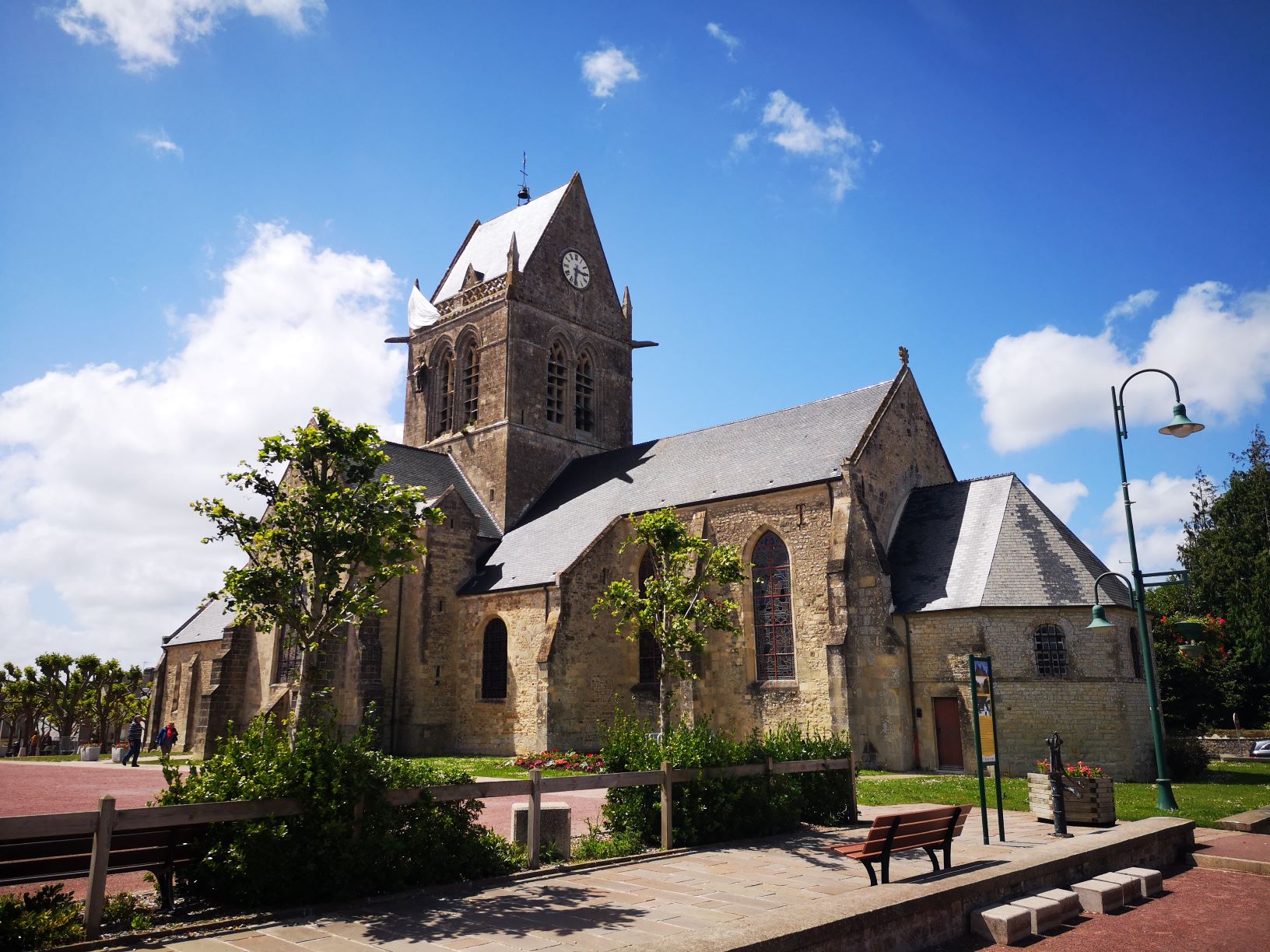


5.0
Código del tour: 736914Ciudad de inicio / Ciudad de fin
Bayeux
Duración
8.0 Hours
Ciudad y atracciones
Bayeux, Omaha Beach, Normandy American Cemetery & Memorial
Idiomas
English Live
Tamaño del grupo
Máx. 16 viajeros
Audiencia del tour
Primarily English-Speaking Travelers
De
$169.66
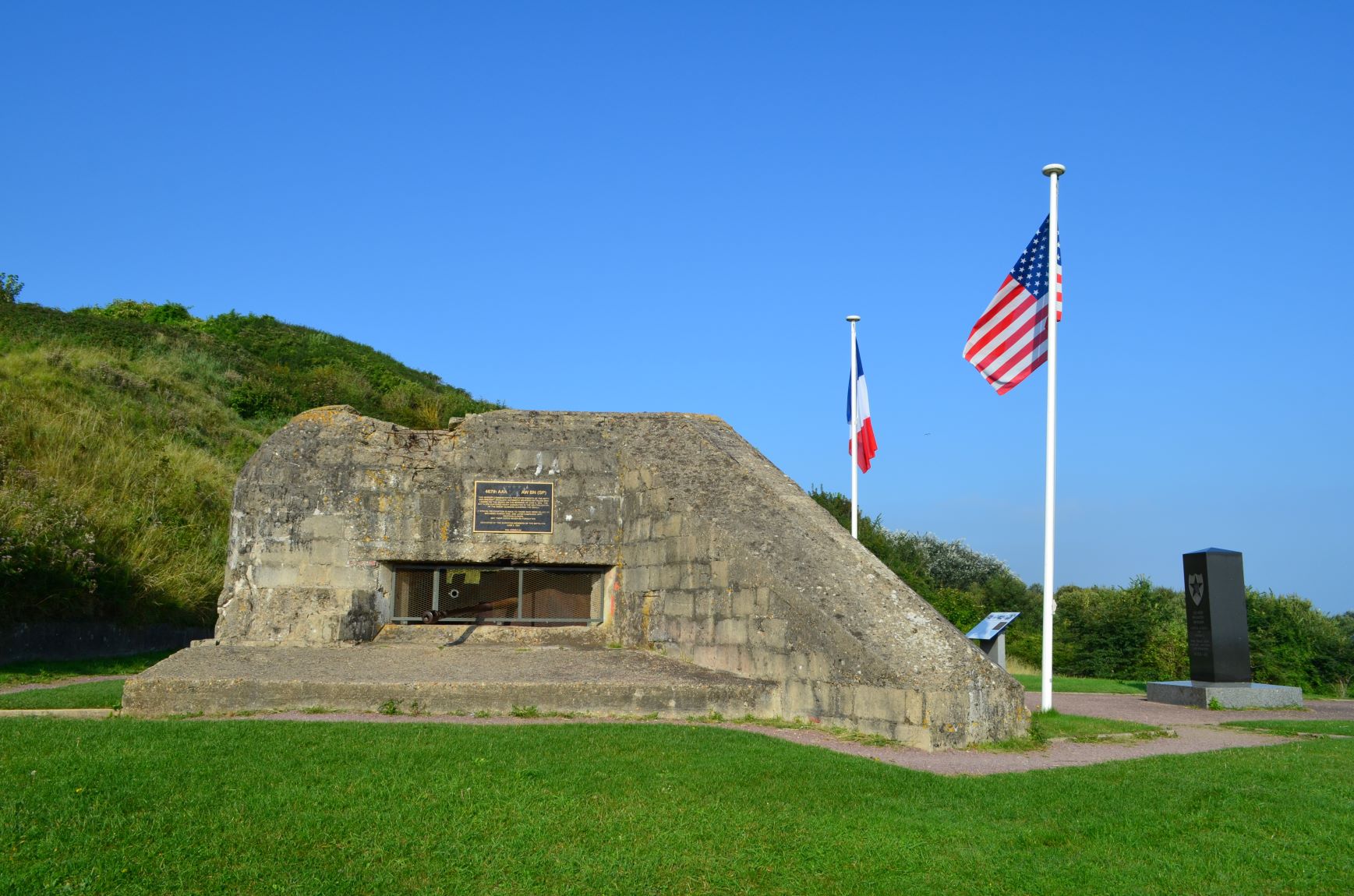
5.0
Código del tour: 736911Ciudad de inicio / Ciudad de fin
Bayeux
Duración
4.0 Hours
Ciudad y atracciones
Bayeux, Omaha Beach, Normandy American Cemetery & Memorial
Idiomas
English Live
Tamaño del grupo
Máx. 16 viajeros
Audiencia del tour
Primarily English-Speaking Travelers
De
$101.80

5.0
Código del tour: 736926Ciudad de inicio / Ciudad de fin
Bayeux
Duración
8.0 Hours
Ciudad y atracciones
Bayeux
Idiomas
French Live
Tamaño del grupo
Máx. 16 viajeros
Audiencia del tour
Primarily English-Speaking Travelers
De
$113.11

5.0
Código del tour: 736917Ciudad de inicio / Ciudad de fin
Bayeux
Duración
8.0 Hours
Ciudad y atracciones
Bayeux
Idiomas
English Live
Tamaño del grupo
Máx. 16 viajeros
Audiencia del tour
Primarily English-Speaking Travelers
De
$180.97

5.0
Código del tour: 736923Ciudad de inicio / Ciudad de fin
Bayeux
Duración
8.0 Hours
Ciudad y atracciones
Bayeux
Idiomas
English Live
Tamaño del grupo
Máx. 16 viajeros
De
Vivir
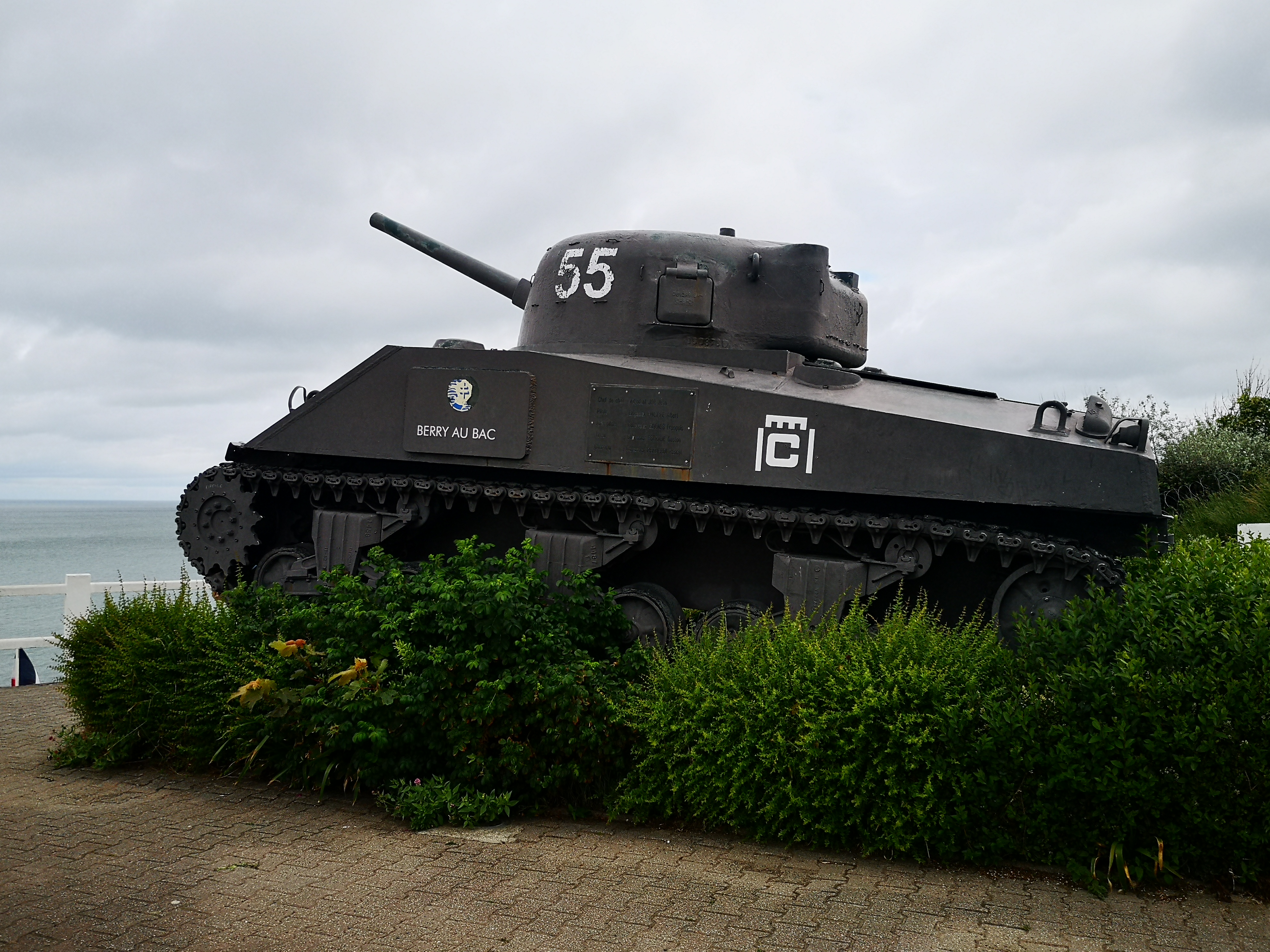
5.0
Código del tour: 736920Ciudad de inicio / Ciudad de fin
Bayeux
Duración
4.0 Hours
Ciudad y atracciones
Bayeux
Idiomas
English Live
Tamaño del grupo
Máx. 16 viajeros
De
Vivir

La mejor época para visitar Bayeux
Otoño2026/2027
Autumn in Bayeux brings mild, crisp weather with temperatures averaging 10–15°C (50–59°F), occasional rain, and golden foliage enhancing its historic charm. The Normandy town shines during this tranquil season as visitors explore the famed Bayeux Tapestry, stroll the cobbled streets, and visit nearby D-Day beaches amid fewer crowds. The Bayeux Cathedral, with its stunning Romanesque and Gothic architecture, stands majestic under soft autumn light, while peaceful walks along the Aure River offer serene moments. Perfect for history lovers and photographers, Bayeux in fall blends cultural depth with seasonal beauty.
Mostrar todo
Invierno2026/2027
Bayeux in winter (December-February) offers crisp, cool weather with temperatures averaging 4°C (39°F), occasional frost, and minimal snow, creating a quiet, picturesque charm. The historic town glows with festive lights, and the famed Bayeux Tapestry Museum remains a must-see, best enjoyed with fewer crowds. Stroll through the serene Notre-Dame Cathedral square, visit nearby D-Day landing beaches with reflective wartime tours, or explore the British War Cemetery, all enhanced by winter’s solemn stillness.
Mostrar todo
Primavera2027
In spring (March-May), Bayeux enjoys mild temperatures averaging 8°C (46°F) to 15°C (59°F), with gradually warming days and lush greenery awakening across the Normandy countryside. This pleasant climate makes it ideal for exploring the historic Bayeux Tapestry, strolling through the tranquil English-style garden, and visiting nearby D-Day landing beaches like Omaha and Gold. The city’s medieval cathedral and charming half-timbered houses glow in soft spring light, while day trips to the Bocage countryside or the scenic Coast Road reveal blooming hedgerows and revitalized coastal paths, offering a peaceful yet enriching experience.
Mostrar todo
Verano2027
In summer (June-August), Bayeux enjoys mild to warm temperatures ranging from 18°C to 22°C (64°F-72°F), with generally pleasant and stable weather ideal for sightseeing. The historic Norman town comes alive as visitors explore the renowned Bayeux Tapestry, depicting the Norman Conquest, and wander the cobbled streets lined with half-timbered houses. Just minutes from D-Day landing beaches and the Normandy American Cemetery, Bayeux serves as a poignant gateway to WWII history. The lush banks of the Aure River invite strolls, while the majestic Bayeux Cathedral - a masterpiece of Romanesque and Gothic architecture - dominates the skyline. Outdoor cafés buzz with energy, offering fresh Norman cuisine and cider. With longer daylight hours and frequent cultural events, including medieval festivals, summer is an optimal time to experience Bayeux’s rich heritage and scenic charm.
Mostrar todo
Preguntas frecuentes sobre tours de Bayeux
How do I get from Bayeux train station to the city center and key attractions?
Bayeux train station is just 1.5 km from the historic center. Walk via Rue de Donjon in 15 minutes, or take bus line 1 (Astrabada) for a 5-minute ride to the cathedral or Tapestry Museum. Taxis are available outside the station. The city is compact and best explored on foot.
Is the Bayeux Tapestry accessible for wheelchair users and those with mobility issues?
Yes, the Musée de la Tapisserie de Bayeux is fully accessible. It offers elevators, ramps, and adapted restrooms. Wheelchairs are available on request. The main floor housing the Tapestry is on ground level. Most city-center streets are cobbled, so sturdy, low-heeled footwear is advised for general walking comfort.
What's the best time of year to visit Bayeux to avoid crowds and rain?
Visit between April–June or September–October for mild weather and fewer tourists. Summer (July–August) brings peak crowds, especially to the Tapestry Museum. Bayeux has a temperate oceanic climate – rain is possible year-round, but least frequent in spring and early autumn.
Are there combined tickets or local passes for Bayeux museums and D-Day sites nearby?
The Bayeux Tourist Office offers the Bayeux Pass for €25, including entry to the Tapestry Museum, Art & History Museum, and a guided tour. For D-Day beaches, consider the Caen Memorial Pass, which includes transport options to Arromanches and Pointe du Hoc via seasonal shuttle services.
Explorar los tipos de tours en Bayeux
Explora los itinerarios más populares de Bayeux
Ciudad de inicio


Ofertas de viaje exclusivas
Suscríbete a nuestro boletín para recibir acceso exclusivo a ofertas exclusivas para miembros por correo electrónico.