Yunnan Tours
Tours y viajes guiados en Yunnan

Tours y viajes guiados en Yunnan

Step into Yunnan, a province where ancient cultures meet dramatic landscapes in perfect harmony. Wander through the cobblestone streets of Lijiang Old Town, a UNESCO site nestled beneath the snow-capped Jade Dragon Snow Mountain. Discover the serene beauty of Erhai Lake in Dali, where local Bai villages preserve timeless traditions. Venture further to Shangri-La, where Tibetan monasteries like Songzanlin offer spiritual refuge amidst vast grasslands. From the tropical rainforests of Xishuangbanna to the terraced fields of Yuanyang, Yunnan promises an unforgettable journey filled with authentic flavors, vibrant festivals, and breathtaking vistas that redefine adventure.
Mostrar todo
¿Cuándo?
Ver tours

Plan Your Yunnan Province Travel to Know China's Uniqueness

Things You Need to Know About Yunnan

Best Times to Visit Yunnan

Major Cities and Attractions in Yunnan

7-Day Yunnan Travel Itinerary

How to Travel Around Yunnan

A Guide to Yunnan's Local Cuisine

Things You Need to Know About Yunnan

Yunnan is one of the most geographically and culturally diverse regions in Asia. Offering a landscape that ranges from tropical rainforests to snow-capped Himalayan peaks, this region attracts travelers seeking outdoor adventure, ancient history, and distinct cultural heritage. Because the province is home to 25 of China’s 56 recognized ethnic minority groups, a single trip can feel like visiting several different countries.

For those finalizing their itinerary, understanding where Yunnan is in China helps clarify the travel layout. Yunnan is located in the far southwestern corner of the country. It shares international borders with Myanmar, Laos, and Vietnam, and domestic borders with Tibet, Sichuan, Guizhou, and Guangxi. This unique geographic positioning makes Yunnan travel highly distinct, blending Southeast Asian influences with Tibetan highlands and traditional Han Chinese culture.

Best Times to Visit Yunnan

Generally, the best months for a Yunnan tour are from March to May and from September to November. Spring brings blooming flowers across the alpine meadows and terraces, while autumn offers dry weather and clear skies, which are ideal for viewing mountain scenery. The rainy season runs from June to August; while it rarely stops travel completely, heavy downpours can occasionally cause delays in mountainous areas. If you plan to head north to high-altitude regions like Shangri-La, pack warm layers regardless of the season, as temperatures drop rapidly after sunset.

Major Cities and Attractions in Yunnan

When choosing a travel route, you will find that the most popular Yunnan attractions are distributed across a few core cities, each offering a completely different environment.

Kunming: Most travelers begin here. The city's primary highlight is the Stone Forest (Shilin), a UNESCO World Heritage site featuring towering limestone karst formations that resemble trees made of stone.

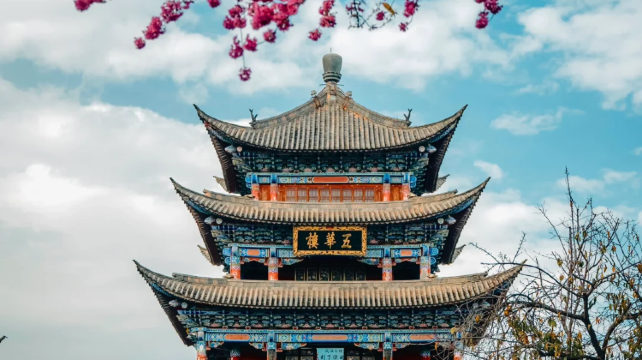
Dali: Located a short distance west, Dali sits between the Cangshan Mountains and Erhai Lake. It is famous for its ancient walled town and the iconic Three Pagodas of Chongsheng Temple, which date back to the Tang Dynasty.

Lijiang: Further north, Lijiang is home to the Nakhi people. The Old Town of Lijiang is famous for its preserved wooden architecture and winding waterways. From the town, you can easily visit Jade Dragon Snow Mountain via a scenic cable car or hike through Tiger Leaping Gorge, one of the deepest gorges in the world.

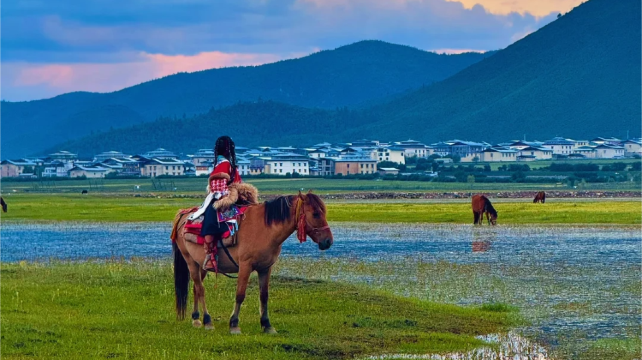
Shangri-La: Situated at the edge of the Tibetan Plateau at an altitude of over 3,000 meters, this area features Tibetan monasteries, prayer flags, and alpine lakes. The Ganden Sumtseling Monastery is the largest Tibetan Buddhist monastery in the province.

Xishuangbanna: Located in the far south, this tropical region borders Laos and Myanmar. It features wild elephant sanctuaries, tropical botanical gardens, and the distinct Buddhist culture of the Dai people.

7-Day Yunnan Travel Itinerary

To see the main highlights without rushing, we recommend a 7-day Yunnan Province tour itinerary.

Day 1: Arrive at the Kunming airport or train station. Take a cab to your hotel in the city center, then spend the evening walking around Green Lake Park and trying local noodles.

Day 2: Visit the massive limestone formations at the Stone Forest in the morning. In the afternoon, take a two-hour high-speed train to Dali and check into a historic old town guesthouse.

Day 3: Rent an e-bike to explore the scenic shores of Erhai Lake and visit the ancient Three Pagodas. Afterward, take a bullet train to Lijiang to see the illuminated canals of the old town at night.

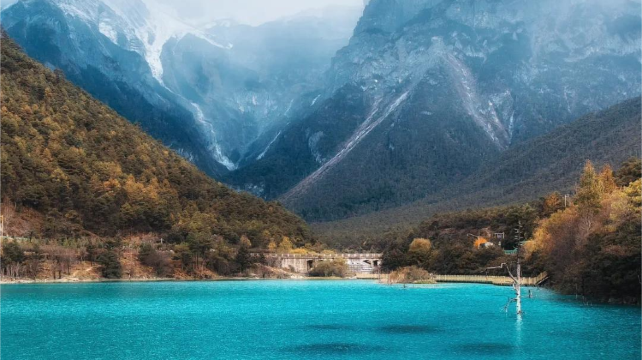
Day 4: Ride the cable car up Jade Dragon Snow Mountain to view the high-altitude glaciers, then walk along the bright turquoise waters of Blue Moon Valley. Spend your afternoon exploring the quiet streets of Baisha Village.

Day 5: Catch a train north to see the crashing river rapids at Tiger Leaping Gorge. Continue up onto the Tibetan Plateau to Shangri-La and spend a relaxed evening in Dukezong Old Town to adjust to the higher altitude.

Day 6: Tour the grand Tibetan halls of the Ganden Sumtseling Monastery in the morning. In the afternoon, head to Pudacuo National Park to walk the lake boardwalks and see the grazing yaks.

Day 7: Visit the wetland meadows of Napa Lake in the morning, then transfer back to the train station or airport for your departure. Many travelers choose to take the bullet train back to Kunming or fly directly out of Shangri-La.

How to Travel Around Yunnan

Yunnan Province is connected by modern high-speed rail. It takes about two hours to travel from Kunming to Dali by high-speed rail, and another hour and a half to Lijiang. The high-speed rail line extends north to Shangri-La and south to Xishuangbanna.

In various cities, you can use DiDi to hail a ride-sharing vehicle with complete ease. Alternatively, you can take a standard taxi; in Kunming, you also have the option of utilizing public transportation, such as the subway.

A Guide to Yunnan's Local Cuisine

Due to its varied climate and diverse ethnic populations, the food in Yunnan is highly localized and relies heavily on fresh ingredients like wild mushrooms, herbs, and unique cheeses.

The most famous dish in the province is Guoqiao Mixian. This dish is served as a large bowl of boiling hot chicken broth accompanied by separate plates of thin rice noodles, raw meats, vegetables, and herbs. You mix the ingredients into the hot broth at the table to cook them instantly. Another local staple is Qiguo Ji, which uses a specially designed clay pot to steam chicken with medicinal herbs, resulting in a rich broth.

If you travel through Dali or Lijiang, try Rubing, a firm, unripened goat cheese that is pan-fried or grilled and served with salt or sugar. In the northern Tibetan regions, you will find yak meat hotpot and butter tea, while the southern regions serve sour and spicy Dai dishes cooked with lemongrass and banana leaves. Yunnan is also famous for its Pu'er tea, a fermented dark tea produced in the region that makes an excellent souvenir to bring home.

La mejor época para visitar Yunnan

Verano 2026
Summer in Yunnan (June–August) offers mild and pleasant weather due to its high elevation, with average temperatures ranging from 19°C (66°F) to 25°C (77°F) across most regions. Unlike much of China, Yunnan remains comfortably cool even in peak summer, making it an ideal escape from heat and humidity. Rainfall increases during this season, especially in July and August, but showers are typically short and refreshing, followed by clear skies. This season is perfect for exploring the Stone Forest, wandering through the ancient town of Dali with views of Erhai Lake, or visiting Lijiang’s cobbled alleys beneath the Jade Dragon Snow Mountain.
Mostrar todo
Otoño 2026
Autumn in Yunnan (September–November) brings mild, dry weather with average temperatures ranging from 15–22°C (59–72°F), ideal for outdoor exploration. While days remain pleasantly warm, nights gradually cool, especially in higher-altitude areas like Lijiang and Shangri-La, where temperatures can drop to 5–10°C (41–50°F). Rainfall decreases significantly after September, offering clearer skies and excellent visibility across the region. This season avoids peak summer crowds while still providing vibrant natural scenery. In Lijiang, ancient cobbled streets contrast beautifully with golden leaves, and Jade Dragon Snow Mountain glows under crisp sunlight. Kunming, the "City of Eternal Spring," enjoys comfortable 18–21°C (64–70°F) days, perfect for strolling through the blooming chrysanthemums at Dianchi Lake. In Shangri-La, autumn paints the Tibetan Plateau in russet and gold, enhancing visits to the Ganden Sumtseling Monastery and nearby Pudacuo National Park.
Mostrar todo
Invierno 2026/2027
Winter in Yunnan (December–February) with daytime temperatures ranging from 10°C (50°F) in Kunming to 3–8°C (37–46°F) in Lijiang and Shangri-La, where occasional snow dusts the Himalayan foothills. Despite the cool mornings and evenings, sunny days are common, especially in the south, where Xishuangbanna enjoys warm conditions around 20–25°C (68–77°F). This season is ideal for exploring Yunnan’s diverse landscapes and cultures without summer’s humidity or rains. In Lijiang, visitors enjoy clear views of Jade Dragon Snow Mountain and vibrant local markets, while Shangri-La attracts spiritual travelers to Galdan Sumtsenling Monastery amid frost-kissed valleys. Kunming, the “Spring City,” blooms year-round and offers pleasant strolls through Dianchi Lake and the Flower and Bird Market.
Mostrar todo
Primavera 2027
Spring in Yunnan (March–May) offers mild and gradually warming weather, with temperatures ranging from 12°C (54°F) in Kunming to 20°C (68°F) in Xishuangbanna, making it ideal for sightseeing. Rainfall remains moderate, and sunny days are frequent, especially in Lijiang and Dali, where clear skies enhance scenic views of snow-capped Jade Dragon Snow Mountain and Erhai Lake. Spring also marks the closing of the dry season, ensuring clean air and excellent visibility for photography. Cultural highlights include the Dai Water-Splashing Festival (Songkran) in April in Xishuangbanna, a vibrant celebration of the New Year with parades and water rituals.
Mostrar todo

Preguntas frecuentes sobre tours de Yunnan

What is the best time to visit Yunnan to avoid the rainy season?

Visit between November and April for dry, sunny weather ideal for hiking in Tiger Leaping Gorge or exploring Lijiang Old Town. The monsoon runs from May to October, bringing heavy afternoon showers that can disrupt travel in rural areas like Shangri-La. While summer offers lush green landscapes, expect frequent rain and potential landslides on mountain roads.

Which airport should I fly into for visiting Dali and Lijiang in Yunnan?

Fly directly into Lijiang Sanyi Airport for immediate access to Lijiang Old Town and nearby Jade Dragon Snow Mountain. For Dali, choose Dali Fengyi Airport, located just thirty minutes from the ancient city center. Kunming Changshui International Airport serves as the main hub if you plan to explore multiple regions, with high-speed trains connecting to both cities in under two hours.

Do I need a special travel pass to visit ethnic minority villages in Yunnan?

No special pass is required for standard tourist visits to popular ethnic villages in Xishuangbanna or Chuxiong. However, some remote border areas near Myanmar or Tibet may require a Border Defense Permit, obtainable through local travel agencies in Kunming or Pu'er. Always carry your passport, as police checkpoints frequently verify identification in these sensitive autonomous prefectures.

What currency works best in rural Yunnan markets and small guesthouses?

Cash in Chinese Yuan (CNY) is essential for rural markets, street food stalls, and family-run guesthouses in towns like Shaxi or Yuanyang. While major hotels and restaurants in Kunming accept credit cards, many smaller vendors do not have card terminals or mobile payment setups for foreign visitors. Withdraw sufficient cash at ATMs in larger cities before heading to remote mountainous regions.