United StatesNorth AmericaPlaces to GoThings to Do
Show All

What Are the Best Waterfalls and Trails in Yosemite Valley?

cover

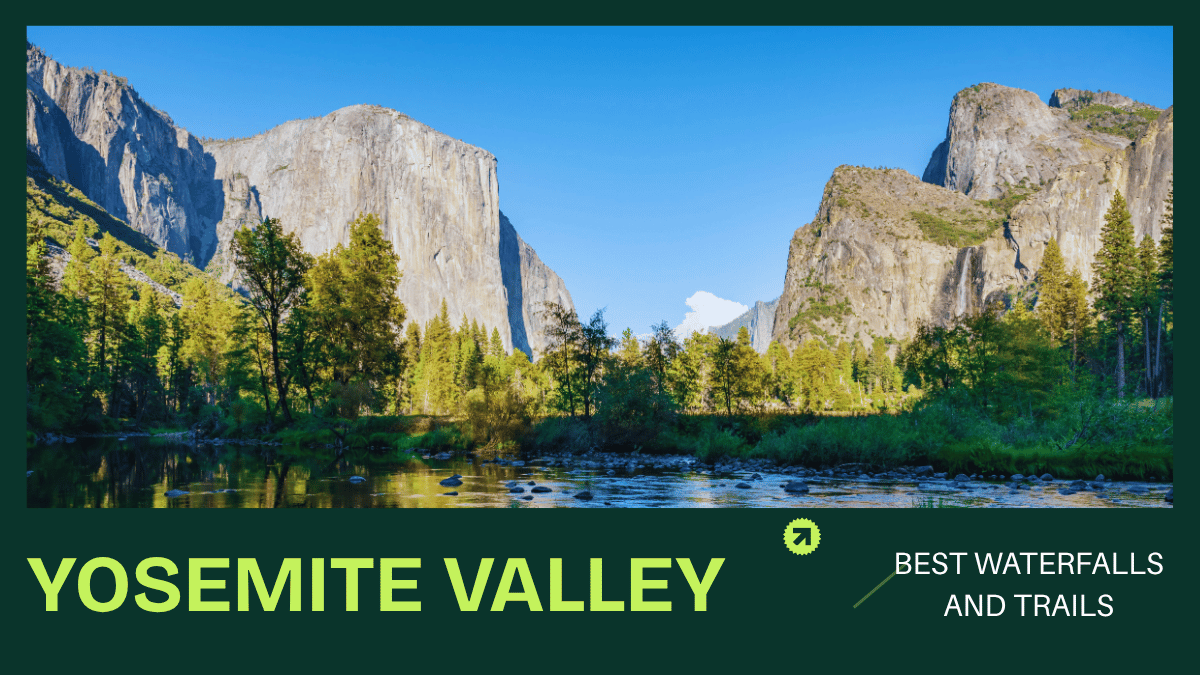
The best waterfalls in Yosemite Valley are Yosemite Falls (1,430 feet total drop), Bridalveil Fall (620 feet), and Vernal Fall (317 feet), with peak water flow occurring from April through June. The best hiking trails range from the easy 0.5-mile Lower Yosemite Fall Loop to the challenging 7.2-mile Yosemite Falls Upper Falls hike that climbs 2,700 feet. For first-time visitors, the Valley Loop Trail offers the most comprehensive experience, connecting multiple waterfalls and viewpoints in a single 13-mile route that can be broken into shorter segments.

If you are planning your first trip to Yosemite Valley, you probably have one question: which waterfalls and trails should I prioritize? With dozens of hiking options and multiple major waterfalls, it is easy to feel overwhelmed — especially if you only have one or two days to explore.

Let me break down the best waterfalls to see, the best trails to hike based on your fitness level and available time, and how to plan your visit for the best experience.

The Best Waterfalls in Yosemite Valley

Yosemite Valley contains some of the tallest and most photographed waterfalls in North America. Here are the top waterfalls you should see on your visit:
 

Yosemite Falls

Yosemite Falls is the crown jewel of Yosemite Valley and one of the tallest waterfalls in North America. The total drop is 2,425 feet from the top of the upper fall to the base of the lower fall, making it taller than Niagara Falls and nearly three times the height of the Eiffel Tower.

The waterfall is actually three sections:
  • Upper Yosemite Fall: 1,430-foot plunge
  • Middle Cascades: A series of five smaller drops totaling 675 feet
  • Lower Yosemite Fall: 320-foot drop into a scenic pool
Best viewing spot: The base of Lower Yosemite Fall is accessible via a short 0.5-mile paved loop trail. For a more dramatic view, hike to the top of Upper Yosemite Fall (7.2 miles round trip, strenuous).

Best time to visit: Yosemite Falls peaks in May when snowmelt is at its maximum. By late July or August, the falls often reduce to a trickle or stop completely during dry years.

Yosemite Falls


Bridalveil Fall

Bridalveil Fall is one of the most accessible waterfalls in Yosemite Valley and the first major waterfall many visitors see when entering the valley from the south. The fall drops 620 feet from a hanging valley and is visible from multiple viewpoints along the valley floor.

Best viewing spot: The Bridalveil Fall Trail is a short 0.5-mile paved path from the parking area to the base of the fall. The trail is wheelchair accessible and suitable for all fitness levels.

Best time to visit: Bridalveil Fall flows year-round because it is fed by groundwater, though flow is strongest in spring. The fall creates a misty spray at the base, so bring a rain jacket or be prepared to get wet if you visit in May or June.


Vernal Fall

Vernal Fall is a powerful 317-foot waterfall located on the Merced River, accessible via the Mist Trail — one of Yosemite's most popular hiking routes. The fall gets its name from the constant mist that surrounds hikers on the approach.

Best viewing spot: The Vernal Fall Footbridge is a 1.6-mile round trip hike with moderate elevation gain. For a closer view, continue to the top of Vernal Fall (2.4 miles round trip, strenuous).

Best time to visit: Vernal Fall flows strongly from April through July, with peak flow in May. The Mist Trail can be slippery from spray, so wear shoes with good traction.


Nevada Fall

Nevada Fall is a 594-foot waterfall located further up the Merced River beyond Vernal Fall. The fall is less visited than Vernal because it requires a longer hike, but the reward is a powerful, dramatic cascade that plunges into a narrow gorge.

Best viewing spot: The top of Nevada Fall is accessible via the Mist Trail (5.4 miles round trip from Happy Isles) or the John Muir Trail (6.8 miles round trip, less steep).

Best time to visit: Nevada Fall flows strongly from April through July, with peak flow in May.

The Best Hiking Trails in Yosemite Valley

Easy Trails (Under 2 Miles)

Lower Yosemite Fall Loop
  • Distance: 0.5 miles
  • Elevation gain: 50 feet
  • Time: 30 minutes
  • Highlights: Close-up views of Lower Yosemite Fall, paved and wheelchair accessible
  • Best for: Families, visitors with limited mobility, first-time visitors
Bridalveil Fall Trail
  • Distance: 0.5 miles round trip
  • Elevation gain: 80 feet
  • Time: 20 minutes
  • Highlights: Views of 620-foot Bridalveil Fall, paved path
  • Best for: All visitors, especially those short on time
Cook's Meadow Loop
  • Distance: 1 mile
  • Elevation gain: Flat
  • Time: 30-45 minutes
  • Highlights: Open meadow views of Half Dome and Yosemite Falls, wildlife spotting opportunities
  • Best for: Families, photographers, wildlife watchers

Moderate Trails (2-5 Miles)

Vernal Fall Footbridge
  • Distance: 1.6 miles round trip
  • Elevation gain: 400 feet
  • Time: 1-1.5 hours
  • Highlights: Elevated view of Vernal Fall, moderate workout
  • Best for: Visitors who want waterfall views without a strenuous climb
Mirror Lake Loop
  • Distance: 2 miles round trip (to the lake) or 5 miles (full loop around Tenaya Canyon)
  • Elevation gain: 100 feet
  • Time: 1-2 hours
  • Highlights: Reflections of Half Dome in spring, peaceful lake setting
  • Best for: Photographers, visitors seeking a peaceful walk
Valley Loop Trail (Partial)
  • Distance: 2-4 miles (depending on route)
  • Elevation gain: Minimal
  • Time: 1-2 hours
  • Highlights: Connects multiple valley viewpoints, passes meadows and river crossings
  • Best for: Visitors who want to explore the valley floor without committing to the full loop

Strenuous Trails (5+ Miles)

Upper Yosemite Fall
  • Distance: 7.2 miles round trip
  • Elevation gain: 2,700 feet
  • Time: 6-8 hours
  • Highlights: Top of Upper Yosemite Fall, panoramic valley views
  • Best for: Experienced hikers in good physical condition
  • Note: This trail is extremely strenuous with steep switchbacks. Bring plenty of water and start early.
Four Mile Trail to Glacier Point
  • Distance: 9.6 miles round trip
  • Elevation gain: 3,200 feet
  • Time: 6-8 hours
  • Highlights: Panoramic views from Glacier Point overlooking Yosemite Valley, Half Dome, and High Sierra
  • Best for: Experienced hikers seeking the best viewpoint in Yosemite Valley
  • Note: Trail closes seasonally due to snow and ice. Check current conditions before hiking.
Mist Trail to Vernal and Nevada Falls
  • Distance: 5.4 miles round trip
  • Elevation gain: 2,000 feet
  • Time: 3-5 hours
  • Highlights: Close-up views of Vernal Fall and Nevada Fall, unique mist experience
  • Best for: Fit hikers who want to see two major waterfalls in one hike
  • Note: The Mist Trail section to Vernal Fall can be very slippery. Wear shoes with good traction and bring a rain jacket.

How to Choose the Right Trail for Your Visit

With so many trail options, how do you decide which ones to hike? Here is a simple framework:

If you have half a day: Hike the Lower Yosemite Fall Loop and Bridalveil Fall Trail. Both are short, accessible, and give you iconic waterfall views.

If you have one full day: Start with the Lower Yosemite Fall Loop in the morning, then hike the Vernal Fall Footbridge in the afternoon. If you are fit and want more, continue to the top of Vernal Fall.

If you have two days: Dedicate day one to the valley floor (Lower Yosemite Fall, Bridalveil Fall, Cook's Meadow). On day two, hike either Upper Yosemite Fall or the Mist Trail to Vernal and Nevada Falls, depending on your fitness level.

If you are traveling with children or elderly visitors: Stick to the easy trails — Lower Yosemite Fall Loop, Bridalveil Fall Trail, and Cook's Meadow Loop. All are paved or well-maintained and suitable for all ages.

Seasonal Considerations for Waterfall Viewing

Timing your visit correctly is critical if you want to see Yosemite's waterfalls at their best.

Peak waterfall season (April-June): This is when snowmelt from the High Sierra feeds the waterfalls at maximum capacity. Yosemite Falls, Vernal Fall, and Nevada Fall are all flowing strongly. Bridalveil Fall flows year-round but is most impressive in spring.

Late summer (July-September): Many waterfalls, including Yosemite Falls, slow to a trickle or stop completely during dry years. Vernal Fall and Nevada Fall continue flowing because they are fed by the Merced River, but flow is reduced.

Fall and winter (October-March): Waterfall flow is minimal, and some trails close due to snow and ice. However, the valley is much less crowded, and you may see snow-capped granite cliffs and frozen waterfalls in cold years.

Best overall time to visit: Mid-May offers the best combination of strong waterfall flow, mild weather, and accessible trails. Early June is also excellent, though crowds increase as summer approaches.

Practical Tips for Hiking in Yosemite Valley

Start early. The most popular trails — especially Upper Yosemite Fall and the Mist Trail — get crowded by mid-morning. Arrive at the trailhead before 9 AM to avoid crowds and secure parking.

Bring plenty of water. Yosemite Valley can be hot in summer, with temperatures exceeding 90°F. Carry at least 2 liters of water per person for moderate hikes and 3-4 liters for strenuous hikes.

Wear proper footwear. Trails to waterfalls can be slippery from mist and spray. Wear hiking shoes or trail runners with good traction. Avoid sandals or smooth-soled shoes.

Check trail conditions. Some trails close seasonally due to snow, ice, or rockfall. Check the National Park Service website or visitor center for current conditions before hiking.

Use the free valley shuttle. Yosemite Valley has a free shuttle system that connects major trailheads, viewpoints, and lodging areas. You can park once and use the shuttle to access different trails without moving your car.

Respect wildlife and park rules. Stay on designated trails, keep a safe distance from wildlife, and never approach cliff edges for photos. Carry out all trash and follow Leave No Trace principles.

Recommended Tours for Exploring Yosemite Valley

If you want to experience Yosemite Valley's waterfalls and trails without the hassle of planning transportation and accommodations, here are three well-structured tour options available through Tours4fun, a global multi-day tour marketplace that connects travelers with vetted local operators across 150+ countries.
 

1. Best for Flexible Exploration: 2-Day Yosemite Tour from San Francisco (Tour Only, No Accommodation)

Duration: 2 days
Departure: San Francisco
Highlights: Yosemite Valley, Yosemite Falls, Bridalveil Fall, Half Dome views, Giant Sequoias (optional), flexible accommodation


This tour is ideal if you want the convenience of guided transportation and expert planning but prefer to book your own accommodation. The slower pace and plenty of free time allow you to hike the Lower Yosemite Fall Loop, explore Cook's Meadow, or tackle more challenging trails based on your fitness level. You can choose to stay inside the park or in nearby towns, giving you flexibility to match your budget and preferences.

2-Day Yosemite National Park Tour from San Francisco

2-Day Yosemite National Park Tour from San Francisco with No Accomodationvideo icon
Daily Departure
Free Cancellation 5 Days Before
5.0( 34 reviews )
Tour Code: 660865
Start / End City
San Francisco
Duration
2.0 Days
City & Attractions
San Francisco, Yosemite National Park, Yosemite Valley+3 more
Languages
English Live, French Audio, German Audio+6 more
Group Size
Max. 50 travelers
Tour Audience
Mixed International Travelers
Operator
Extranomical Tours
From
$279.00
 

2. Best for Day Trippers: Yosemite and Giant Sequoias Day Tour from San Francisco

Duration: 1 day
Departure: San Francisco
Highlights: Yosemite Valley, Yosemite Falls, Bridalveil Fall, Half Dome views, Giant Sequoias hike in Tuolumne Grove, complimentary pickup and dropoff


If you only have one day to explore Yosemite, this tour covers the valley's major highlights plus a hike among the Giant Sequoias in Tuolumne Grove. The itinerary includes stops at Tunnel View, Yosemite Falls, and Bridalveil Fall, with enough free time to hike the Lower Yosemite Fall Loop or walk to the base of Bridalveil Fall. This is the only one-day tour from San Francisco that includes both Yosemite Valley and a Giant Sequoia hike.

Yosemite and Giant Sequoias Day Tour from San Francisco

Yosemite and Giant Sequoias Day Tour from San Francisco: El Capitan, Yosemite Falls & Bridalveil Fall and Half Dome丨Complimentary Pickup and Dropoff
Daily Departure
5.0( 10 reviews )
Tour Code: 670125
Start / End City
San Francisco
Duration
1.0 Day
City & Attractions
San Francisco, Yosemite Valley, El Capitan+3 more
Languages
English Live
Group Size
Max. 50 travelers
From
$229.00
 

3. Best for Comprehensive Sierra Exploration: 4-Day Yosemite and Tahoe Sierras Tour

Duration: 4 days
Departure: San Francisco
Highlights: Yosemite Valley, Giant Sequoias, Tuolumne Meadows, Mammoth Lakes, Lake Tahoe, hotel accommodation included


This four-day tour combines Yosemite Valley with the broader Sierra Nevada landscape, including Lake Tahoe, Mammoth Lakes, and the High Sierra passes. You will have time to hike multiple trails in Yosemite Valley, explore the Giant Sequoias, and experience the alpine scenery of the Eastern Sierra. Hotel accommodations are included, making this a hassle-free option for visitors who want to see more of California's mountain landscapes.

4-Day Yosemite and Tahoe Sierras Tour from San Francisco

4-Day Yosemite and Tahoe Sierras Tour from San Francisco
5.0
Tour Code: 109399
Start / End City
San Francisco
Duration
4.0 Days
City & Attractions
Yosemite National Park, Lake Tahoe, Bridalveil Fall+4 more
Languages
English Live
Group Size
Max. 50 travelers
From
$1,279.00


Final Thoughts

Yosemite Valley offers some of the most spectacular waterfall and hiking experiences in North America. Whether you have half a day or a full weekend, there are trails that match your fitness level and interests. The key is to time your visit for peak waterfall season (April-June), start early to avoid crowds, and choose trails that match your available time and physical ability.

If you want to experience Yosemite's waterfalls and trails without the stress of planning transportation and accommodations, a guided tour from a platform like Tours4fun — which has served more than 3.5 million travelers and offers over 15,000 tour products worldwide — can handle the logistics while you focus on enjoying the scenery.

FAQ

When is the best time to see waterfalls in Yosemite Valley?

The best time to see waterfalls in Yosemite Valley is from April through June, when snowmelt from the High Sierra feeds the falls at maximum capacity. Yosemite Falls typically peaks in May and may slow to a trickle by late July in dry years. Bridalveil Fall flows year-round because it is fed by groundwater.

How many days do I need to see Yosemite Valley's waterfalls and trails?

You can see the major waterfalls and hike the most popular trails in two days. Day one can cover Lower Yosemite Fall, Bridalveil Fall, and Cook's Meadow. Day two can include the Mist Trail to Vernal Fall and Nevada Fall, or the Upper Yosemite Fall hike if you are fit and want a challenge.

Is it safe to hike the Mist Trail when it is wet from waterfall spray?

The Mist Trail to Vernal Fall can be very slippery from waterfall spray, especially in spring when flow is strongest. Wear shoes with good traction, use caution on wet rocks, and consider using trekking poles for stability. The trail has handrails in steep sections, but you should still move carefully.

Can I see Yosemite Falls without hiking?

Yes, you can see Lower Yosemite Fall without hiking. The Lower Yosemite Fall Loop is a 0.5-mile paved, wheelchair-accessible trail that leads to the base of the fall. You can also see Upper Yosemite Fall from multiple viewpoints in the valley without climbing to the top.

Are dogs allowed on Yosemite Valley trails?

Pets are allowed on fully paved roads, sidewalks, and bicycle paths in Yosemite Valley, but they are not allowed on unpaved trails or in wilderness areas. This means you can bring your dog on the Lower Yosemite Fall Loop and Bridalveil Fall Trail, but not on the Mist Trail or Upper Yosemite Fall.

Summary

The Best Waterfalls in Yosemite Valley

The Best Hiking Trails in Yosemite Valley

How to Choose the Right Trail for Your Visit

Seasonal Considerations for Waterfall Viewing

Practical Tips for Hiking in Yosemite Valley

Recommended Tours for Exploring Yosemite Valley

Final Thoughts

FAQ

America's 250th Anniversary Mega Sale

image