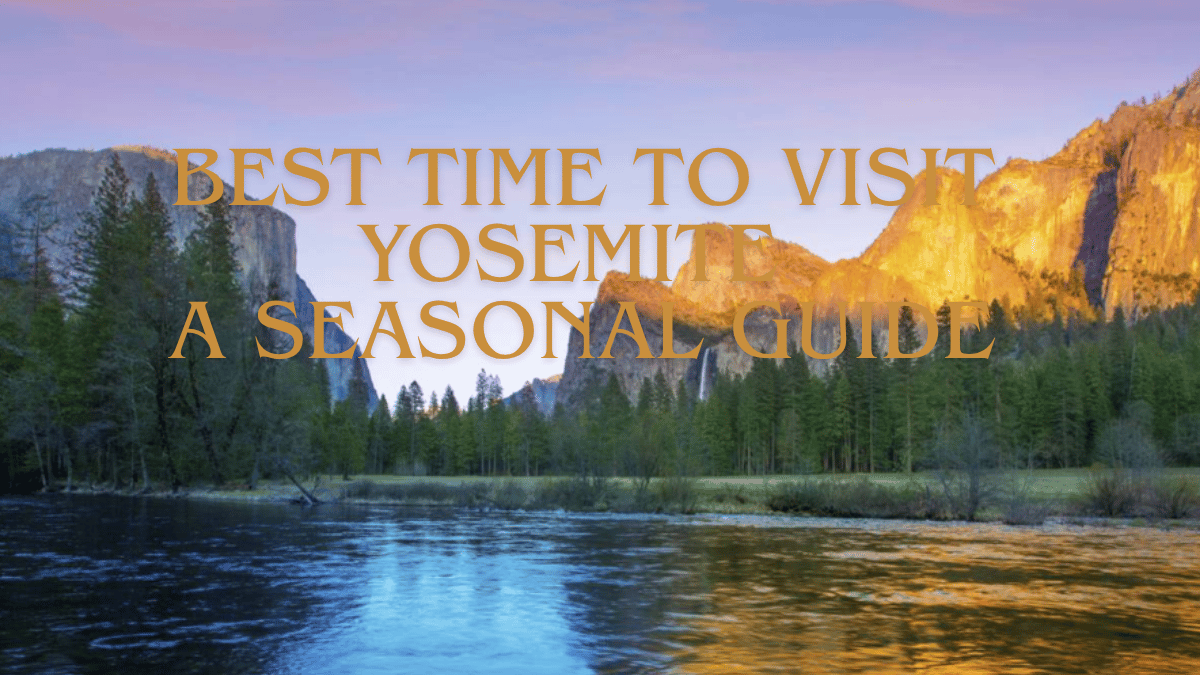
Best Time to Visit Yosemite: A Seasonal Guide

cover

The best time to visit Yosemite is May if waterfalls are your priority, or September if you want a better balance of hiking access and lighter post-summer demand. In May, spring runoff often brings Yosemite Falls, Bridalveil Fall, Vernal Fall, and Nevada Fall to life. However, snow can still close Tioga Road, limit access to Tuolumne Meadows, and affect Glacier Point Road. September usually offers drier trails and broader access to the high country, but many waterfalls have slowed substantially. That tradeoff matters because Yosemite National Park is more than Yosemite Valley. The Valley is generally reachable year-round, while higher areas follow a shorter season. Choose spring for water, summer for broad access, fall for hiking, or winter for snow and solitude. Always verify current road, trail, weather, and access conditions.
 
Season Best For Main Tradeoff
Spring Powerful waterfalls, green Valley scenery, cool walks Snow may keep high-country roads and trails closed
Summer Tioga Road, long hiking days, broadest typical access Busy parking areas, advance planning, and lower-elevation heat
Fall Comfortable hiking, fewer visitors after summer, clear views Weak waterfalls, shorter days, and possible early snow
Winter Quiet Valley, snow-covered scenery, seasonal photography Chain controls, storm disruption, and limited high-country access


Spring: Best for Waterfalls and a Greener Valley

Choose April to May for Spring Runoff

Spring is the standout season for visitors who picture Yosemite with water pouring over its granite walls. Snowmelt usually builds through spring, and waterfalls are often at their most impressive around mid-to-late May. The exact peak changes with the snowpack and the pace of warming, so no date guarantees maximum flow. May also brings a fresh look to Yosemite Valley, with green meadows, cool mornings, and dramatic mist around the falls. The limitation is elevation. Reaching Yosemite Valley or Wawona does not mean every scenic road and trail is open. Tioga Road and Glacier Point Road may remain snow-covered into late spring or early summer, and shaded paths can be wet or icy. Pack layers and build the trip around Valley walks, lower viewpoints, and available Mariposa Grove access. For travelers with limited vacation time who prefer a bed to a tent, the 4-Day National Parks Lodging Tour from Las Vegas offers a compact, structured format that reduces independent route planning. Its multi-park schedule also means less time at any single destination, so confirm whether Yosemite is included, how much sightseeing time it receives, and which seasonal roads the itinerary expects to use.
 

Recommend Tour

4-Day Death Valley and Yosemite Lodging Tour from Las Vegas [Max 13 Small Group]
Shared Room Available
Family Friendly
4.8 ( 8 reviews )
Tour Code: 720240
Start / End City
Las Vegas, San Francisco
Duration
4.0 Days
City & Attractions
Las Vegas, San Francisco, Death Valley National Park +2 more
Languages
English Live, French Audio, German Audio +5 more
Group Size
Max. 13 travelers
Tour Audience
Mixed International Travelers
Operator
Bindlestiff Tours
Save 20%
From $1,719.25
$1,375.40

Summer: Best for High-Country Access

Choose June to August for the Broadest Typical Access

Summer is usually the easiest season for seeing both Yosemite Valley and the high country on one trip. Once snow clearing is complete, Tioga Road opens the route toward Tuolumne Meadows, Tenaya Lake, and broad alpine landscapes. Glacier Point Road provides another perspective over the Valley, Half Dome, and the surrounding peaks. Long daylight hours give hikers more flexibility, and families can plan around school breaks. Opening dates vary, especially after a snowy winter, so do not assume every high-elevation route will be available in early June. July and August bring compromises: trailheads and Valley parking can become congested, lower elevations can be hot, and accommodation requires early planning. Arriving early and separating Valley and high-country days can help.

Travelers comparing organized Yosemite vacation packages should look beyond total duration. Check how many days are actually spent sightseeing, where each night is located, and whether long transfers consume the hours that appear available on paper. The 11-Day Southwest Highlight Camping Tour from Las Vegas suits outdoors-oriented travelers who are comfortable with a longer, camping-based regional trip. Camping can make the journey feel more immersive, but it also adds weather exposure and setup considerations. Verify whether Yosemite is on the route, the equipment and meals provided, campsite standards, and the amount of usable park time before treating it as a Yosemite-focused option.


Recommend Tour

11-Day Zion, Bryce, Arches, Grand Canyon, Death Valley, Yosemite and Monument Valley Camping Tour from Las Vegas [Max 13 Small Group]
Guaranteed Departure
Shared Room Available
Family Friendly
Vegetarian Friendly
4.8 ( 236 reviews )
Tour Code: 720192
Start / End City
Las Vegas, San Francisco
Duration
11.0 Days
City & Attractions
Las Vegas, San Francisco, Bryce Canyon National Park +21 more
Languages
English Live, French Audio, German Audio +5 more
Group Size
Max. 13 travelers
Tour Audience
Mixed International Travelers
Operator
Bindlestiff Tours
Save 20%
From $3,329.25
$2,663.40

Fall: Best for Hiking and Lower Demand

Choose September to Early October for a Balanced Trip

September is the strongest all-around alternative to May. High-country roads and trails are often still accessible, daytime conditions can be comfortable for hiking, and demand commonly eases after the main summer vacation period. It is a practical window for combining Yosemite Valley icons such as El Capitan and Half Dome with a separate day around Glacier Point or Tioga Road, provided both roads remain open. Fall is not spring with fewer people. Yosemite Falls and other seasonal waterfalls may be weak or dry after months without substantial runoff.
Days shorten, nights become colder, and an early storm can change high-country access quickly. Wildfire smoke is another possibility rather than a predictable calendar event; check air quality and fire information close to departure instead of assuming September skies will be clear.


Visitors who want a longer regional trip without camping may consider the 11-Day Southwest Highlights Lodging Tour from Las Vegas. The lodging-based format offers more comfort and more calendar room than a short tour. However, “Southwest highlights” indicates a multi-destination focus, so verify that Yosemite appears in the itinerary and check the nights near the park, hotel changes, transfer distances, and attraction allocation before booking it for a Yosemite priority.


Recommend Tour

11-Day Zion, Bryce, Arches, Canyonlands, Grand Canyon, Death Valley, Yosemite and Monument Valley Lodging Tour from Las Vegas [Max 13 Small Group]
Shared Room Available
Family Friendly
Vegetarian Friendly
4.8 ( 232 reviews )
Tour Code: 720204
Start / End City
Las Vegas, San Francisco
Duration
11.0 Days
City & Attractions
Las Vegas, San Francisco, Zion National Park +16 more
Languages
English Live, French Audio, German Audio +5 more
Group Size
Max. 13 travelers
Tour Audience
Mixed International Travelers
Operator
Bindlestiff Tours
Save 20%
From $4,709.25
$3,767.40

Winter: Best for Solitude and Snow Scenery

Choose Winter Only If You Can Stay Flexible

Winter reveals a quieter side of Yosemite. Yosemite Valley remains generally accessible, and fresh snow can transform familiar views of granite walls, forests, and meadows. This is a rewarding season for travelers who value atmosphere and photography more than covering the entire park. February can also draw visitors hoping to see Horsetail Fall glow near sunset, but water, clouds, and light must align, so the effect is never guaranteed. Flexibility is essential. Tioga Road and other high-country routes are normally closed for the season, storms can interrupt travel, and tire chains may become mandatory even for vehicles equipped with four-wheel drive. Services and trail choices can be more limited, while icy surfaces make ordinary walks more demanding. Review forecasts, road restrictions, and chain rules before entering the mountains. If winter logistics feel daunting, browsing planning formats through Tours4fun can help frame transport and accommodation questions. Regardless of how the trip is arranged, keep backup time in the schedule and never build a winter plan around one road, viewpoint, or weather-dependent phenomenon.
 

How to Choose Your Yosemite Dates

Match the Calendar to Your Nonnegotiable Experience

Start with the experience you would regret missing. Pick May for powerful waterfalls and a greener Valley. Choose July or August when access to the high country matters most, while accepting peak-season traffic and competition for accommodation. Choose September for a strong blend of hiking access and lower post-summer demand. Visit in winter for quiet landscapes and snow, but only with a flexible route and proper cold-weather preparation. Shoulder-season weekdays can feel calmer than weekends, although no date guarantees an empty park.
Then test whether the itinerary is realistic. A three-day tour is not necessarily three full days in Yosemite: arrival, departure, transfers, hotel changes, and camping setup all reduce usable sightseeing time. For a first visit, prioritize two or three full park days if possible. One can focus on Yosemite Valley, another on Glacier Point or Mariposa Grove, and a third on Tioga Road and Tuolumne Meadows when seasonal access permits. Lodging closer to the park preserves more daylight than a long daily commute. Shortly before departure, consult the National Park Service’s current Yosemite information for road and trail status, weather, waterfall conditions, fire or smoke impacts, tire-chain controls, campground operations, and any entry rules. Historical opening patterns are helpful for choosing a month, but current conditions should make the final decision.


FAQ

What Is the Best Month to Visit Yosemite?

May is the best month for many first-time visitors who want strong waterfalls and green Valley scenery. September is often better for travelers who prioritize hiking and broader high-country access. In either month, verify road and trail conditions because snowmelt, storms, and seasonal operations vary each year.

When Are Yosemite's Waterfalls at Their Best?

Yosemite's waterfalls are usually strongest during spring runoff, often around mid-to-late May. Timing depends on winter snowpack and spring temperatures. Flows commonly weaken through summer, and some falls may be very low or dry by late summer and fall.

What Is the Least Crowded Time to Visit Yosemite?

Winter generally brings the fewest visitors, but it also brings snow, chain requirements, closed high-country roads, and fewer activity choices. For a broader range of hiking options with less demand than midsummer, consider spring or fall weekdays. Crowd levels still vary with weather, holidays, and special events.

How Many Days Do You Need in Yosemite?

Two to three full sightseeing days are a useful target for a first Yosemite visit. That allows time for Yosemite Valley plus one or two seasonal areas without rushing every stop. Count transfer, arrival, and departure days separately; a longer multi-park itinerary may devote fewer complete days to Yosemite than its total duration suggests.