AustraliaOceaniaPlaces to GoThings to DoTravel Tips
Show All

Australia Guide: Sydney, Melbourne & the Great Ocean Road

cover

Australia is big enough that a first trip goes wrong when you try to cover all of it. This Australia travel guide takes the opposite approach and sticks to the southeast corner, where three of the country's best-known stops sit within one easy loop: Sydney's harbor and beaches, Melbourne's laneways and coffee bars, and the Great Ocean Road's limestone coastline. If you want the best Australia travel guide for a first visit, the honest answer is a tight route done properly, not a checklist of every state.

Below you'll get the best time to go, the top things to do in Australia's two biggest cities, how to drive the Great Ocean Road without rushing it, and a sample 8-day route that ties everything together. Travel times come from official tourism sources where they exist, and I've left out prices and opening hours because they change too often to print here.


Australia at a Glance: The Southeast Loop

Stop Best for Suggested time
Sydney Harbor views, beaches, coastal walks, day trips to the Blue Mountains 3 nights
Melbourne Street art, coffee, food, sport, wine-country day trips 3 nights
Great Ocean Road Coastal driving, rainforest, rock stacks, wildlife 2 nights

The road distance between Sydney and Melbourne is about 880 km along the Hume Highway, so most visitors fly between the two. The Great Ocean Road starts southwest of Melbourne, which makes it a natural finish to the trip.

Best Time to Visit Sydney, Melbourne and the Great Ocean Road

Australia's seasons run opposite to the Northern Hemisphere, so summer falls in December through February and winter in June through August. For this route, the shoulder seasons are the easiest to recommend.
 
Season Months What to expect on this route
Summer Dec–Feb Warm beach weather in Sydney, the busiest period on the Great Ocean Road, and the highest demand for hotels
Autumn Mar–May Comfortable temperatures for coastal walks and city sightseeing, with lighter crowds
Winter Jun–Aug Cooler days that suit museums, cafés and food in Melbourne; whale season starts in Sydney in May and runs to October
Spring Sep–Nov Mild weather, gardens in bloom, and good conditions for driving the coast

If you can choose, I'd pick March to May or September to November. You get beach walks in Sydney without peak-season crowds, and the Great Ocean Road is easier to drive when the lookouts aren't full of tour buses.
 

Sydney: What to Do in Three Days

Sydney works best when you group sights by area instead of crossing the harbor several times a day. Start at Circular Quay, where ferries, trains, and the main walking routes meet.

Sydney Opera House and the Harbor


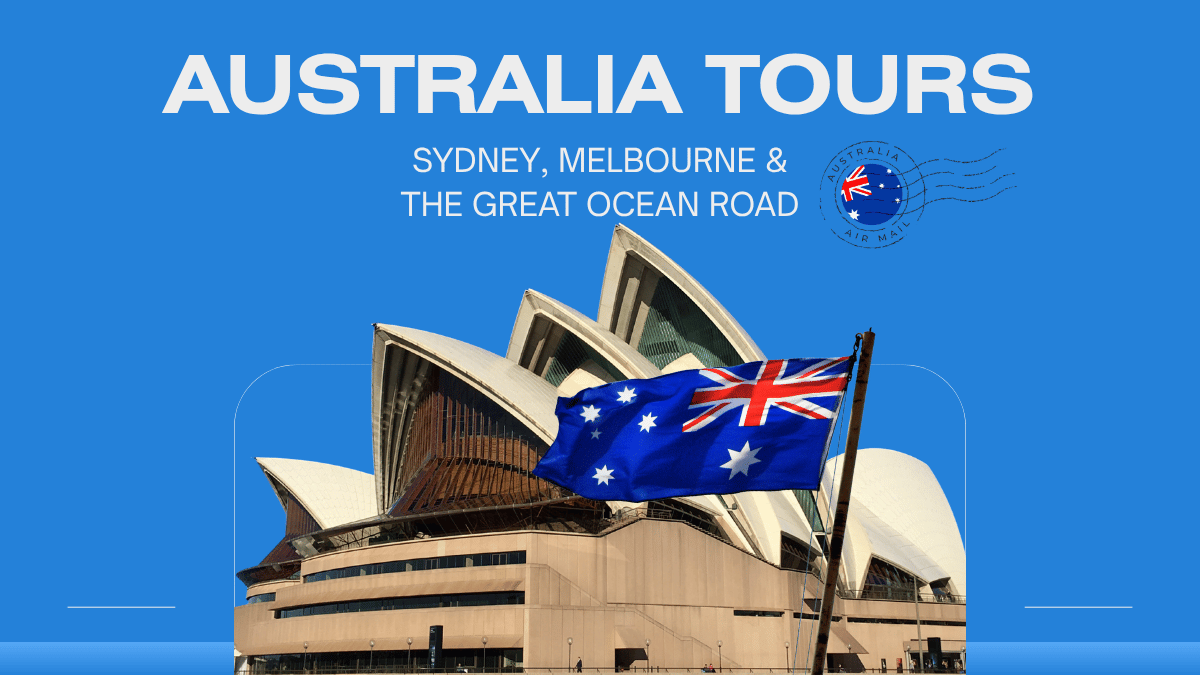
The Opera House opened in 1973 and was designed by Danish architect Jørn Utzon. You can walk around the forecourt for free, but a guided tour of the interior tells you far more about how the sail-shaped roof was built. Book a performance if your dates allow; seeing the building in use is a different visit from photographing it.

From the forecourt, walk into the Royal Botanic Garden for the classic view of the Opera House with the Harbour Bridge behind it. It's the best free photo spot in the city.

Sydney Opera House

Sydney Harbour Bridge


The bridge opened in 1932 and remains the harbour's defining landmark. There are two ways to get on it. BridgeClimb takes you over the top of the arch with a guide, while the Pylon Lookout at the southeastern end gives you a view without the climb. Both work; the lookout is the easier pick if you're traveling with young children or dislike heights.

The Rocks


The Rocks sits just below the bridge on the south shore and holds Sydney's oldest streets. Weekend markets, pubs in restored sandstone buildings and small museums fill the area. Give it a morning, then move on before it gets crowded at lunch.

Bondi to Coogee Coastal Walk


This is the best walk in Sydney for a first-time visitor. The route runs 6 km one way and takes two to three hours, passing five beaches: Bondi, Tamarama, Bronte, Clovelly and Coogee. The track is graded as suitable for most ages and fitness levels, though there are occasional steep sections of stairs and it isn't suitable for prams.

Start at Bondi and finish at Coogee if you want to end with a swim, or reverse it if you'd rather begin in the quieter suburbs. For three weeks each spring, Sculpture by the Sea turns the Bondi-to-Tamarama section into an outdoor gallery. Humpback whales pass this coastline between May and October, so keep an eye on the water from the clifftops.

Ferries, Manly and Taronga Zoo


Sydney's ferries are transport and sightseeing in one. Ferries from Circular Quay reach Manly on the northern side of the harbor, where a beachfront promenade and a short coastal walk make an easy half day. Taronga Zoo is also a ferry ride from the quay and sits on the harbor's north shore with city views.

Day Trip to the Blue Mountains


The Blue Mountains lie west of Sydney and can be reached by train from Central Station to Katoomba. The main draw is Echo Point, the lookout over the Three Sisters rock formation and the Jamison Valley. If you have a spare day, this is the strongest addition to a Sydney stay. Guided small-group day trips are also available if you'd rather skip the logistics.

Blue Mountains

Melbourne: What to Do in Three Days

Melbourne feels different from Sydney. It's less about a single landmark and more about neighborhoods, food and details, so slower days suit it better.

Laneways, Street Art and Coffee


The city center is threaded with narrow laneways that hold cafés, bars and constantly changing street art. Hosier Lane, near Federation Square, is the best-known art lane. Melbourne takes coffee seriously, and it's worth ordering a flat white or a long black at a local roaster instead of a chain.

Melbourne

Queen Victoria Market and Federation Square


Queen Victoria Market is the city's main food market and a good place for breakfast, local produce and souvenirs. Check the market's own website for trading days before you go, since the schedule varies through the week. Federation Square is a short tram ride away and works as a meeting point, with galleries and events on the edge of the Yarra River.

Royal Botanic Gardens and the Yarra


South of the river, the Royal Botanic Gardens offer a quiet break from the city. Walk the paths, then continue along the Yarra toward Southbank for dinner and views back across the water.

Sport in Melbourne


Melbourne is Australia's sporting capital in the eyes of many locals, and the Melbourne Cricket Ground is the center of it. If your visit lines up with an Australian Football League match, go. Even without a fixture, stadium tours give you the history without needing a ticket to a game.

Day Trips From Melbourne


Two day trips stand out:
 
  • Yarra Valley: A wine region northeast of the city, good for cellar doors and a long lunch.
  • Phillip Island: Known for its wildlife, including the nightly penguin parade at Summerland Beach. Book ahead and check the current schedule with the operator.
You can also reach the Great Ocean Road as a day trip from Melbourne, but I'd give it two days for reasons covered next.

The Great Ocean Road: How to Drive It Well

The Great Ocean Road runs 243 km along Victoria's southwest coast. More than 3,000 returned servicemen built it after World War I, and it was completed in 1932, which is why it's officially treated as a war memorial. It's also one of the country's most photographed drives.

The road hugs the coast for much of its length. It's winding and mostly two-lane, so travel times run longer than the distance suggests. Drive on the left, watch your speed on the bends, and stop at lookouts instead of pulling over on the road edge.

the great road

Key Stops, East to West

 
Stop What to see
Torquay and Bells Beach The start of the road and often called Australia's surf capital, with the famous Bells Beach break nearby
Lorne A seaside town with cafés, beaches and access to waterfalls in the Otway ranges
Apollo Bay A base for the Otway National Park, including rainforest walks and the Otway Fly treetop walk
Kennett River A roadside area where wild koalas are often spotted in the trees
Twelve Apostles The headline attraction in Port Campbell National Park
Loch Ard Gorge A short drive west of the Apostles, with a sheltered gorge and a shipwreck story

The Twelve Apostles


The Twelve Apostles are limestone stacks that rise to 45 meters above the Southern Ocean. Despite the name, there were never twelve, and erosion has reduced the group further. Sources count seven or eight stacks standing today, depending on which are included. The viewing area is about 275 km from Melbourne, roughly a four-hour drive along the Great Ocean Road.

Go early or late in the day. Midday brings the largest crowds, and the low-angle light at sunrise and near sunset makes the limestone glow. Helicopter flights depart nearby if you want an aerial view.

How Many Days for the Great Ocean Road?


Two days is the practical minimum. One day is possible, but you'd spend most of it in the car for a few short stops. With a night in Apollo Bay or Port Campbell, you can visit the Otways in the morning, reach the Apostles by afternoon, and photograph them at sunset without racing back to Melbourne.

If you don't want to drive, a guided Great Ocean Road tour handles the route and parking for you and lets everyone in the group look out the window.

Getting Between Sydney and Melbourne

Option Distance/time Notes
Flight Under two hours in the air The fastest choice, with frequent departures throughout the day
Drive About 880 km via the Hume Highway; around nine hours without stops Practical only if you're adding stops along the way
Train About 11 hours on the XPT service Slow, but a comfortable option if you like rail travel

For most travelers on a week-long trip, I'd fly. The extra time on the road doesn't add much to the trip unless you want to break the journey in Canberra or the Snowy Mountains.
 

Sample 8-Day Route: Sydney, Melbourne and the Great Ocean Road

This is a suggested pacing, not a fixed schedule. Adjust it around flight times and the season.
  • Day 1: Sydney. Arrive, check in near Circular Quay or The Rocks, and walk to the Opera House and Royal Botanic Garden for sunset.
  • Day 2: Sydney. Cross the Harbour Bridge or visit the Pylon Lookout, then spend the afternoon on the Bondi to Coogee walk.
  • Day 3: Sydney or Blue Mountains. Take the train to Katoomba for Echo Point, or ride the ferry to Manly if you prefer a lighter day.
  • Day 4: Fly to Melbourne. Check in, then walk the central laneways and finish at Queen Victoria Market or a neighborhood restaurant.
  • Day 5: Melbourne. Visit Federation Square, the Royal Botanic Gardens and the Yarra, with time for a game or a stadium tour if one fits.
  • Day 6: Melbourne to Apollo Bay. Pick up a car or join a tour, drive the coast through Torquay and Lorne, and stay overnight in the Otways.
  • Day 7: Apollo Bay to Port Campbell. Walk in the rainforest, then reach the Twelve Apostles and Loch Ard Gorge in the afternoon.
  • Day 8: Return to Melbourne. Drive back or continue to your onward flight.
If you'd rather not book each piece separately, Australia vacation packages bundle flights, hotels and guided sightseeing into one itinerary.
 

Practical Tips for Your Trip

  • Entry rules: Requirements depend on your passport. Check the Australian Department of Home Affairs website before booking flights.
  • Distances: Australia is far larger than it looks on a map. Domestic flights save days, and the driving times above don't include stops.
  • Sun protection: UV levels in Australia can be high even on cloudy days, so bring a hat and sunscreen for the beach walks and coastal lookouts.
  • Driving: Australians drive on the left. If you're not used to it, pick up your rental car outside a busy city center.
  • Accommodation: In summer and school holiday periods, popular spots along the Great Ocean Road fill up. Reserve your Apollo Bay or Port Campbell stay early.
Sydney gives you the harbor and beaches, Melbourne gives you the food and neighborhoods, and the Great Ocean Road gives you the coast. Together they make a compact first trip to Australia that you can do in a week or stretch to ten days. Pick the season that suits how you like to travel, keep the driving days short, and let the rest of the country wait for the next visit.
 

FAQ

How many days do you need for Sydney, Melbourne, and the Great Ocean Road?

Eight days cover all three stops without rushing. If you can add two more days, use them for the Blue Mountains or an extra night on the coast.

What is the best time to visit Australia's southeast?

March to May and September to November give the best mix of comfortable weather and manageable crowds. Summer is warmer and busier, while winter suits city-focused trips.

Should I visit Sydney or Melbourne first?

Either works, since they're connected by frequent flights. I'd start in Sydney for harbor sightseeing, then finish in Melbourne so the Great Ocean Road is the last leg of the trip.

Do I need a car for the Great Ocean Road?

A rental car gives the most flexibility, but you can also join a guided tour from Melbourne. A tour suits travelers who don't want to drive on winding coastal roads.

How far is the Twelve Apostles from Melbourne?

About 275 km, which is roughly a four-hour drive along the Great Ocean Road without stops.

Summary

Australia at a Glance: The Southeast Loop

Best Time to Visit Sydney, Melbourne and the Great Ocean Road

Sydney: What to Do in Three Days

Melbourne: What to Do in Three Days

The Great Ocean Road: How to Drive It Well

Getting Between Sydney and Melbourne

Sample 8-Day Route: Sydney, Melbourne and the Great Ocean Road

Practical Tips for Your Trip

FAQ

America's 250th Anniversary Mega Sale

image