Evelyn Última actualización 18 Jun 2026
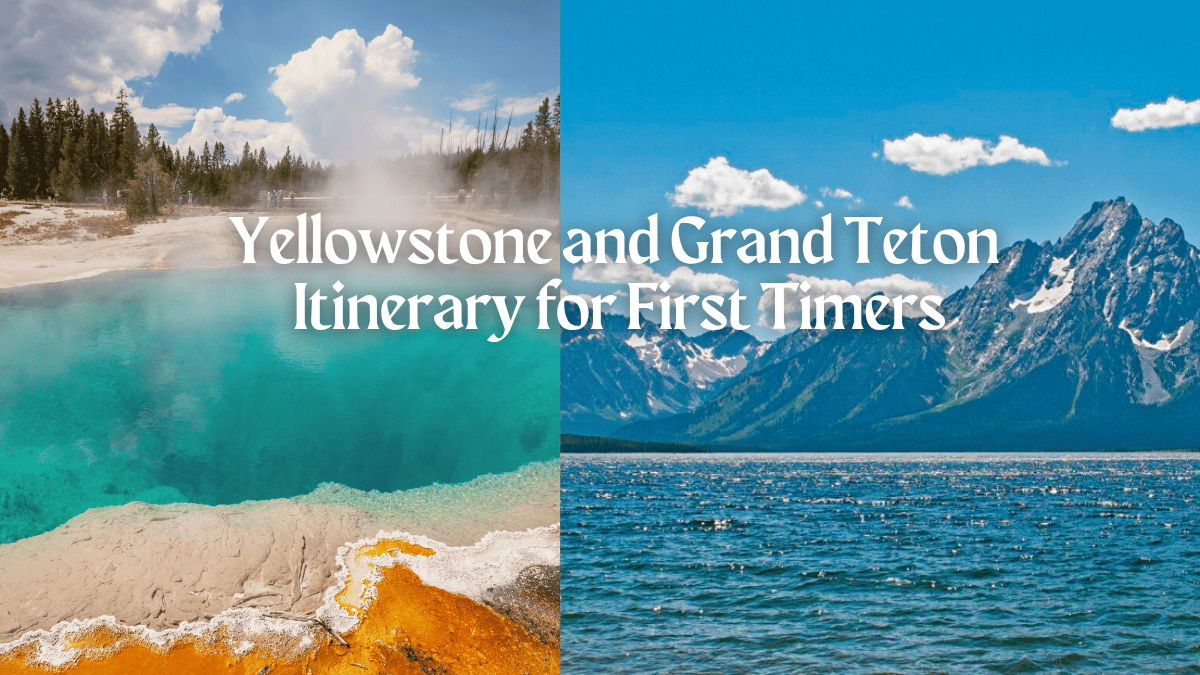
A good Yellowstone and Grand Teton itinerary should feel like one connected road trip, not two separate park visits squeezed into the same week. Grand Teton National Park sits directly south of Yellowstone National Park, so first-time visitors can combine mountain scenery, wildlife areas, geyser basins, canyons, lakes, and classic Western road-trip views without adding a separate travel leg. For most first-timers, the sweet spot is 7 days: 2 days for Grand Teton, 4 days for Yellowstone, and 1 flexible arrival, transfer, or exit day. That gives the trip enough structure to avoid backtracking, but enough breathing room for weather, wildlife traffic, construction, and slow park roads. Grand Teton is the better warm-up park; Yellowstone is the bigger logistical puzzle.
This guide assumes a summer or early fall self-drive route starting around Jackson, then moving north into Yellowstone. If your flights, lodging, or tour departure point are in Salt Lake City, Bozeman, West Yellowstone, or Denver, keep the same day-by-day logic but reverse or bend the route around confirmed lodging. Before booking, check the official National Park Service pages for current roads, alerts, construction, entrance rules, and seasonal services.
7 Day Yellowstone and Grand Teton Itinerary at a Glance
| Day |
Overnight Base |
Highlights |
| Day 1 |
Jackson |
Arrive, Mormon Row, Snake River overlooks |
| Day 2 |
Jackson |
Jenny Lake, Teton Park Road, wildlife viewing |
| Day 3 |
Old Faithful /
West Yellowstone |
South Entrance, Old Faithful, Upper Geyser Basin |
| Day 4 |
West Yellowstone |
Grand Prismatic Spring and geothermal areas |
| Day 5 |
Canyon Area |
Grand Canyon of the Yellowstone, Hayden Valley, Yellowstone Lake |
| Day 6 |
Gardiner / Mammoth |
Mammoth Hot Springs, Norris Basin, or Lamar Valley |
| Day 7 |
Departure |
Scenic stops and exit from the parks |
How Many Days Do You Need For Yellowstone And Grand Teton

Seven days is the most practical answer for a first trip. You can see both parks in 5 days, but the trip becomes a highlights run: one day in Grand Teton, a few big Yellowstone stops, and little room for slow mornings or unexpected delays. With 8 to 10 days, the trip gets easier, especially if you want longer hikes, sunrise photography, or more wildlife time. If you are still deciding how much time to give Yellowstone alone, use this route alongside our guide to how many days in yellowstone for first-time visitors. Yellowstone is large enough that adding one extra day there usually improves the whole trip more than adding another long transfer.
Suggested Time Split
For a balanced grand teton and yellowstone itinerary, divide the week like this:
- 2 days in Grand Teton for lakes, viewpoints, wildlife, and a relaxed arrival.
- 4 days in Yellowstone for geyser basins, Grand Prismatic, the canyon, Yellowstone Lake, Mammoth or Lamar Valley, and flexible route choices.
- 1 day for arrival, departure, or a buffer between lodging bases.
If you only have 5 days, cut one Yellowstone region and keep Grand Teton simple. If you have 9 days, add a hiking day in Grand Teton and a second wildlife-focused day in Yellowstone. The mistake is not choosing fewer stops. The mistake is pretending park roads behave like city roads.
Best Route Order: Grand Teton First Or Yellowstone First

Grand Teton first is usually easier if you fly into Jackson Hole Airport or plan to stay in Jackson. You can arrive, get groceries, see a few scenic pullouts, and ease into the trip without immediately facing Yellowstone's larger road system. From there, the route naturally moves north through Grand Teton into Yellowstone's South Entrance. Yellowstone first makes more sense if your trip starts in Bozeman, West Yellowstone, Gardiner, or Salt Lake City, or if you join a guided tour with a fixed departure city. In that case, do not fight the map. Start where the logistics are strongest and keep the same principle: divide Yellowstone by region, then give Grand Teton its own dedicated time.
Avoiding Backtracking
The most efficient itinerary for yellowstone and grand tetons uses more than one lodging base. A single hotel in Jackson or West Yellowstone can work, but it often turns beautiful park days into long commutes. If you can, stay near Jackson for Grand Teton, then shift to a Yellowstone base such as Old Faithful, Canyon, Lake, West Yellowstone, Gardiner, or another gateway that matches your route. Build each day around one main area. Add optional stops only after the core day makes sense.
7-Day Yellowstone And Grand Teton Itinerary For First Timers

Day 1: Arrive In Jackson And Ease Into Grand Teton
Keep the first day light. Pick up the rental car, buy snacks and water, check road updates, and settle into Jackson, Teton Village, or another nearby base. If you have daylight, drive to one or two easy viewpoints such as Mormon Row, Schwabacher Landing, the Moose area, or a nearby Snake River overlook. This is not the day to chase every photo spot. Jet lag, altitude, rental car lines, and grocery stops all take time. A calm first evening makes the next morning much better.
Day 2: Grand Teton Lakes, Viewpoints, And Wildlife Time
Use your first full day for Grand Teton's core scenery. Jenny Lake, String Lake, scenic pullouts, and the Teton Park Road area give first-timers the classic mix of peaks, water, and wildlife habitat. If your group likes easy walking, choose one short trail or lake stop rather than trying to stack every overlook. Grand Teton deserves its own day because the park rewards slower timing. Sunrise and early morning can be excellent for photography and wildlife watching, while midday is better for lake stops, visitor centers, and flexible hikes. The park is smaller than Yellowstone, but it should not be treated as a drive-through on the way north.

Day 3: Grand Teton To Yellowstone's South And West Sides
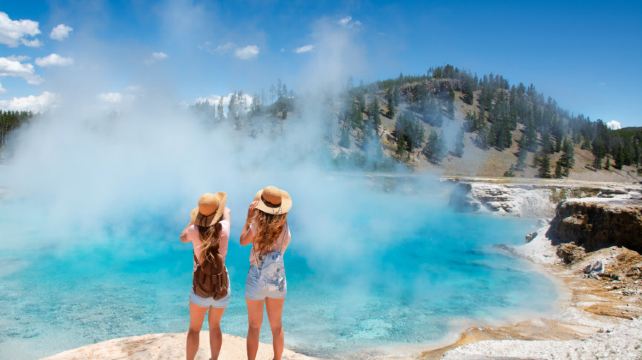
Drive north from Grand Teton toward Yellowstone, allowing extra time for stops, entrance delays, construction, and slow traffic. This is the day to begin Yellowstone without overloading it. If your lodging supports the route, prioritize Old Faithful and the Upper Geyser Basin, then add nearby geothermal areas only if the day is moving well. Old Faithful is famous, but the surrounding boardwalks are just as important for first-timers. They help explain why Yellowstone is different from any other national park on this route. For a broader planning list, pair this day with our guide to things to do in yellowstone. Do not make Day 3 a race from Grand Teton to every major geyser basin. Choose a strong first Yellowstone experience and let the week build.
Day 4: Geyser Basins And The Grand Prismatic Area
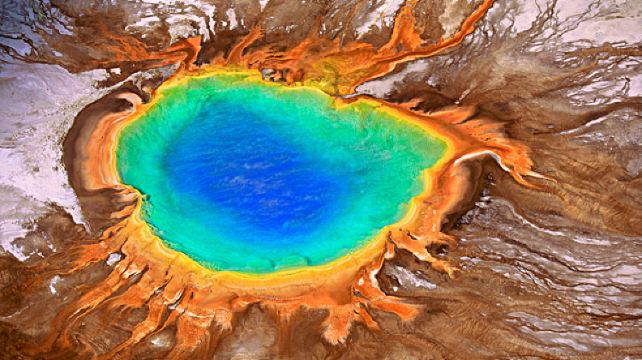
Use Day 4 for Yellowstone's west-side geothermal corridor: Upper, Midway, and selected Lower Geyser Basin stops. Grand Prismatic Spring is the anchor, but how you see it depends on conditions, parking, and your group's energy. The boardwalk gives a close look at the thermal area; the overlook gives the more recognizable elevated view when access and weather cooperate. This is also a good day to revisit things to do in yellowstone and decide which optional stops are worth your time. Some travelers want more geyser basins. Others will be happier with one excellent thermal area, a picnic break, and a slower drive to the next lodging base.
For first-timers, one memorable geothermal day beats four rushed boardwalks.
Day 5: Canyon, Hayden Valley, And Yellowstone Lake
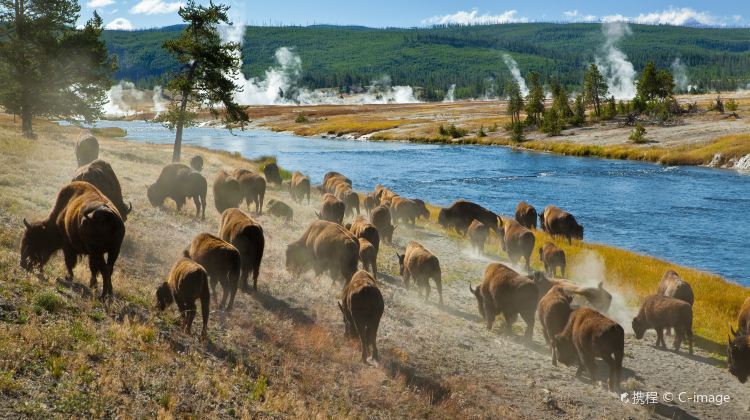
Day 5 should feel different from the geyser days. Focus on the Grand Canyon of the Yellowstone, Hayden Valley, and Yellowstone Lake if your lodging makes that route logical. The canyon area gives you waterfalls, viewpoints, and a dramatic change in scenery. Hayden Valley adds the possibility of wildlife viewing, though animals never follow an itinerary. Wildlife time is best treated as a patient bonus. Pull over only where it is safe and legal, use binoculars or a zoom lens, and follow current NPS distance rules. If wildlife is a major reason for your trip, read our guide to yellowstone national park animals before you go so you know what behavior, habitat, and viewing etiquette to expect. Wildlife is not a scheduled attraction; it is a reason to leave space in the day.

Day 6: Mammoth, Norris, Or Lamar Valley Decision Day
Day 6 is the itinerary's flex day, and it should stay that way. If your group wants more geothermal features, choose Norris Geyser Basin and Mammoth Hot Springs. If wildlife is the priority and your lodging is positioned well, consider Lamar Valley. If everyone is tired, make this a lighter day with one major stop, a scenic drive, and an early evening. This is where many first-time Yellowstone trips go wrong. By Day 6, the group may be dealing with early mornings, long drives, crowded parking, or weather changes. A good plan gives you choices. It does not punish you for skipping one more basin or viewpoint. The best Yellowstone day is the one your group still has energy to enjoy.
Day 7: Exit Strategy And Final Scenic Stops
Your final day depends on where you are flying from or driving next. If you return to Jackson, choose one or two final stops on the southbound route rather than trying to repeat the whole itinerary. If you exit toward Bozeman, West Yellowstone, Gardiner, or Salt Lake City, build in a conservative buffer before flights or long highway drives. Do not schedule a major park day before an early flight. Yellowstone and Grand Teton are too vulnerable to slowdowns: wildlife jams, construction, weather, parking, and simple distance can all stretch the day. End the trip with one clean scenic stop, not a panic tour of everything you missed.
Recommended Yellowstone And Grand Teton Tours
A self-drive itinerary gives you freedom, but it also makes you responsible for lodging, route order, driving, fuel, timing, entrance logistics, and daily decisions. A guided tour is worth considering if you are short on planning time, do not want to drive long distances, or prefer a fixed route from a gateway city. Tours4Fun's Yellowstone hub includes several multi-day products that fit different traveler moments. I would not force a 2-day recommendation unless a product clearly matches both parks, but these verified options are relevant:For a short Yellowstone-focused trip from Salt Lake City, the 3-Day Yellowstone National Park Tour from Salt Lake City fits travelers who want a compact guided introduction and are not trying to fully cover Grand Teton.
Recommend Tour
4.7
( 111 reseñas )
Código del tour: 720855Ciudad de inicio / Ciudad de fin
Salt Lake City
Ciudad y atracciones
Salt Lake City, Jackson, Park County
+18 más
Idiomas
Chinese Live, English Live
Tamaño del grupo
Máx. 55 viajeros
Audiencia del tour
Primarily Mandarin-Speaking Travelers
For the closest match to this article's route, the 4-Day Yellowstone Tour with Grand Teton from Salt Lake City is the cleanest guided option because it explicitly includes both parks and starts from a practical gateway.
Recommend Tour
4.8
( 55 reseñas )
Código del tour: 727920Ciudad de inicio / Ciudad de fin
Salt Lake City
Ciudad y atracciones
Salt Lake City, Jackson, Park County
+20 más
Idiomas
Chinese Live, English Live
Tamaño del grupo
Máx. 13 viajeros
Audiencia del tour
Primarily Mandarin-Speaking Travelers
For travelers who want a wider Western route, the 6-Day Yellowstone Bus Tour with Crazy Horse, Grand Teton, and Mount Rushmore makes more sense than a pure park itinerary because it adds South Dakota landmarks and a broader road-trip structure.
Recommend Tour
4.0
( 6 reseñas )
Código del tour: 728628Ciudad de inicio / Ciudad de fin
Salt Lake City
Ciudad y atracciones
Salt Lake City, Jackson, Park County
+27 más
Idiomas
Chinese Live, English Live
Tamaño del grupo
Máx. 55 viajeros
Audiencia del tour
Primarily Mandarin-Speaking Travelers
Where To Stay Along The Route
For Grand Teton, first-time visitors usually do best in Jackson, Teton Village, or another nearby base. Jackson is convenient for restaurants, supplies, and airport access; Teton Village works well for travelers who want a resort-style base. Staying farther away can save money, but it may cost you the sunrise and early-morning access that make Grand Teton special. For Yellowstone, lodging strategy matters even more. In-park lodging near Old Faithful, Canyon, Lake, or Mammoth can reduce driving, but availability is limited and should be checked early. Gateway towns such as West Yellowstone or Gardiner can be practical if they match your daily route. The key is to sleep near tomorrow's main region whenever possible. If lodging is limited, do not chase the perfect itinerary. Take the best available base, then simplify the route around it.
First-Timer Mistakes To Avoid
Avoid booking every night before understanding the entrances. Avoid assuming a short map distance means a short park drive. Avoid late-night arrivals followed by sunrise wildlife plans. And avoid building a day that depends on perfect parking, perfect weather, and perfect energy. The parks are not difficult to visit, but they are easy to over-schedule.
Self-Drive Or Guided Tour: Which Fits Your Trip?

Choose self-drive if you want flexible starts, optional hikes, photography time, and control over meals and lodging. It is the better option for travelers who enjoy planning and want to linger when the light, weather, or wildlife is good. Choose a tour if you want fewer decisions. Tours can be especially helpful for international travelers, solo travelers, visitors who do not want to rent a car, and anyone starting from a city where a multi-day bus route solves the logistics. The trade-off is flexibility: you gain structure, but you give up some freedom to pause, detour, or slow down. Self-drive gives you control. A tour gives you relief from planning.
Booking Order: What To Reserve First
Book lodging or a guided tour first. Availability often shapes the real trip more than the ideal map. Once lodging is set, book flights and rental car around the route, then fill in daily stops. Jackson, Salt Lake City, Bozeman, and West Yellowstone can all work as gateways, but each changes the rhythm of the trip. Jackson is easiest for starting in Grand Teton. Salt Lake City often works for longer road trips and guided tours. Bozeman and West Yellowstone can make Yellowstone-first routing easier. Compare total drive time, rental car rules, flight timing, and lodging before choosing. After that, plan food, fuel, backup stops, and rest. Yellowstone has long stretches where services are limited or seasonal, so do not treat meals and gas as afterthoughts. For seasonal timing, do not turn this itinerary into a weather guide. Use our separate guide to the best time to visit yellowstone national park and then return here to shape the route.
Practical Driving, Safety, And Wildlife Rules
Drive times in Yellowstone and Grand Teton are planning estimates, not promises. A short route can slow down because of wildlife, construction, weather, full parking lots, or cautious traffic. Build each day with one must-do area and a few optional extras. Wildlife viewing requires distance and patience. Use pullouts, keep the road clear, and follow current NPS guidance for safe distances from animals. Bison, elk, bears, wolves, and other wildlife are not photo props. If an animal changes behavior because of you, you are too close. Geothermal areas require the same respect. Stay on boardwalks and marked trails, keep children close, and treat thermal ground as dangerous even when it looks calm. Yellowstone's thermal features are one of the main reasons to visit; they are also one of the main reasons to follow every posted rule.
FAQ
How many days do you need for Yellowstone and Grand Teton?
Most first-time visitors need 7 days for a balanced trip. That gives you about 2 days in Grand Teton, 4 days in Yellowstone, and 1 day for arrival, departure, or transfer logistics.You can do both parks in 5 days, but expect to cut hikes, secondary geyser basins, or slower wildlife time.Can you do Yellowstone and Grand Teton in 7 days?
Yes. A 7-day route is the strongest first-time format if you divide Yellowstone by region and give Grand Teton its own dedicated time.The trip works best with multiple lodging bases or a guided tour that is already routed efficiently.Should I visit Grand Teton or Yellowstone first?
Visit Grand Teton first if you arrive through Jackson or want an easier scenic start. Visit Yellowstone first if flights, lodging, or a tour departure make a northern or Salt Lake City route more practical. The best order is the one that reduces backtracking.Where should I stay for a Yellowstone and Grand Teton itinerary?
Stay near Jackson or Teton Village for Grand Teton, then move closer to Yellowstone's major regions. Good Yellowstone bases depend on your route and availability, but Old Faithful, Canyon, Lake, West Yellowstone, and Gardiner are common planning anchors. Book early, then adjust the itinerary around what you can actually reserve.