Popular Cities and Major Oregon Attractions
Below are Oregon's major urban hubs, which you may wish to spend time visiting.
Portland
Portland is the state's largest city and a common starting point for travel in Oregon. The city itself is full of charm, showcasing a unique blend of urban life and natural beauty.
Washington Park: This single location houses the International Rose Test Garden and the Portland Japanese Garden, widely considered one of the most authentic outside of Japan.
Powell’s City of Books: The world’s largest independent bookstore occupies an entire city block and is a landmark for travelers.
Tax-Free Shopping: Oregon has no sales tax, making Portland a prime destination for purchasing electronics and clothing at Pioneer Place or the Pearl District.
The Oregon Coast
Oregon coast travel is unlike beach trips in the southern US. The water is cold, but the scenery is rugged and spectacular.
Cannon Beach: Famous for Haystack Rock, this is a walkable town with art galleries and easy beach access.
Newport: Home to the Oregon Coast Aquarium and the historic Yaquina Bay Bridge.
Florence: Known for the Sea Lion Caves and the massive Oregon Dunes National Recreation Area, where you can ride dune buggies.
The Columbia River Gorge
Located just 30 minutes east of Portland, this national scenic area is one of the most accessible Oregon attractions. The historic highway takes you past dozens of waterfalls. Multnomah Falls, a 620-foot two-tiered waterfall, is the most visited natural site in the state.
Crater Lake National Park
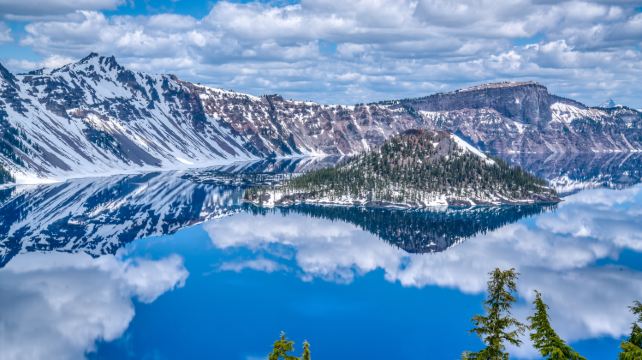
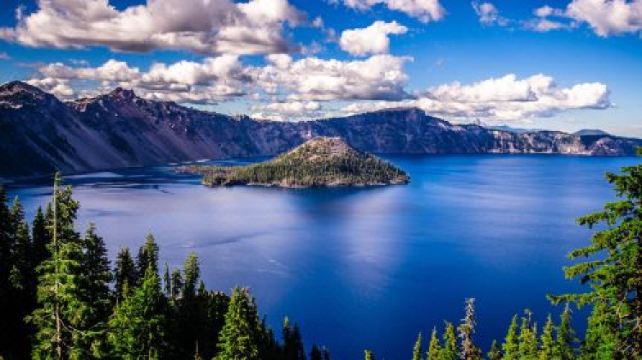
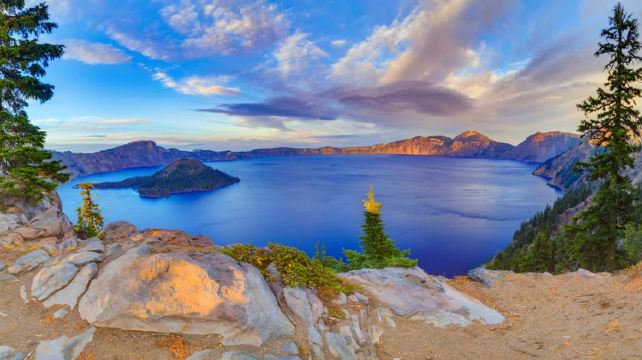
Located in Southern Oregon, this is the deepest lake in the United States. Formed by the collapse of an ancient volcano, the water is famous for its intense blue color and clarity. A drive around the Rim Drive offers panoramic views, though the road often closes due to snow from late autumn through late spring.
Suggested Oregon Travel Itineraries
If you have 7 days, we recommend you consider the following itinerary.
Day 1-2: Portland sightseeing and the Columbia River Gorge.
Day 3: Drive south along Highway 101. Stop at the Tillamook Creamery for cheese and ice cream, then stay in Newport.
Day 4: Continue south to the Oregon Dunes, then turn inland toward Roseburg.
Day 5: Visit Crater Lake National Park. Spend the day driving the rim and hiking.
Day 6: Head north to Bend. Visit the High Desert Museum or Smith Rock State Park.
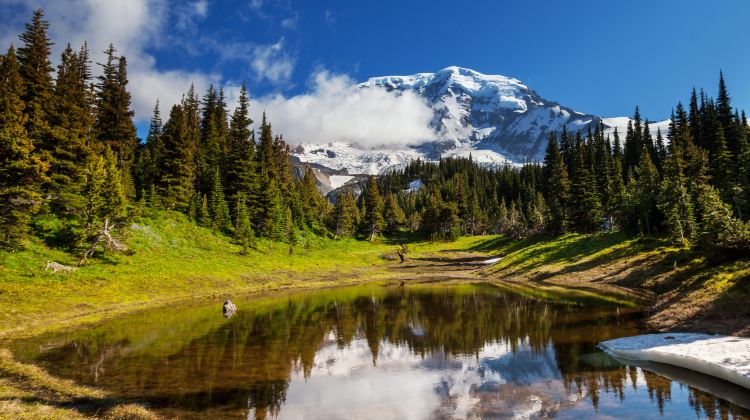
Day 7: Return to Portland via the route passing Mount Hood for mountain views.
Transportation and Getting Around
Public transport is excellent within Portland (using the MAX light rail), but exploring the rest of the state requires a vehicle.
Rental Cars: Essential for flexible travel. Be aware that one-way rentals between cities can incur drop-off fees.
Guided Bus Tours: Many travelers prefer organized Oregon tours to avoid the stress of driving, especially on winding coastal roads or mountain passes. These tours often combine Oregon with Washington or Northern California.
Amtrak: The Amtrak Cascades line connects Eugene, Portland, and Seattle, offering a scenic rail option for moving between major cities.
Nearby Sights and Extensions
Oregon is often part of a broader West Coast vacation. Because the state is centrally located, it is easy to extend your itinerary.
Washington State: Seattle is only a 3-hour drive north of Portland. Many itineraries combine Olympic National Park in Washington with the Oregon Coast.
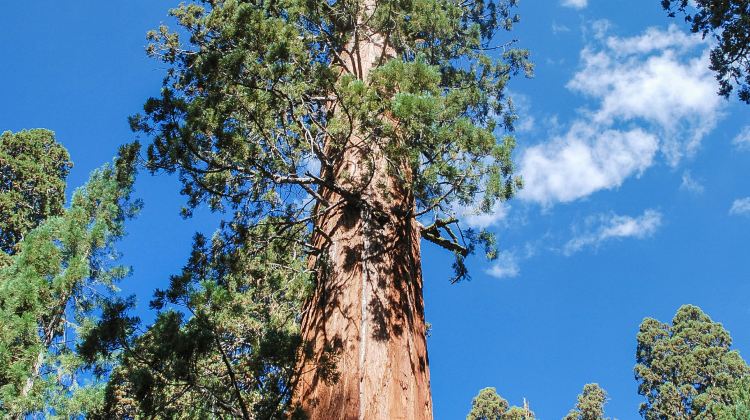
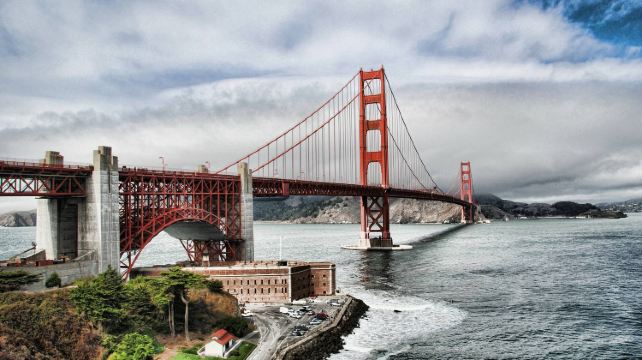
Northern California: If you drive south down the Oregon Coast, you will naturally reach the California Redwoods. A popular "Pacific Northwest" route involves driving from San Francisco to Seattle, passing through the Oregon coastline.



 11 Resultados