What Is the Best Time to Visit Norway?
Unlike many destinations, Norway’s seasons feel very distinct, and travel plans should reflect that.
Summer (June to August) is the most popular period for a Norway vacation. Long daylight hours - especially above the Arctic Circle - make it ideal for fjord cruises, scenic road trips, and hiking. This is peak season for areas like Geirangerfjord, the Lofoten Islands, and the Flåm Railway. Prices are higher, and popular routes book out early, but weather conditions are generally stable.
Shoulder seasons (May and September) are often overlooked and can be a smart choice. May brings waterfalls at full force due to snowmelt, while September offers autumn colors and fewer crowds. Many Norway fjord tours still operate, but some high-mountain roads may open later in spring or close early in fall.
Winter (November to March) is best for snow-based experiences and northern lights viewing. Travelers planning a Tromsø northern lights tour typically aim for December through February, when nights are longest. Southern Norway is quieter in winter, but cities like Oslo and Bergen remain lively and easy to visit.
Best Places to Visit in Norway
Norway’s geography shapes its travel experiences. Each region offers something different, so it helps to choose destinations that match your interests rather than trying to see everything.
Oslo is a compact and walkable capital that blends modern architecture with history and nature. Highlights include the Viking Ship Museum area (with new exhibitions opening in phases), the Opera House, and easy access to forests and islands via public transport. Oslo works well as a starting or ending point for a Norway travel itinerary.
Bergen is often called the gateway to the fjords. Its UNESCO-listed Bryggen wharf, surrounding mountains, and frequent ferry connections make it a natural base for Norway fjord tours. Weather here can be rainy, but that same rain creates the waterfalls Norway is famous for.
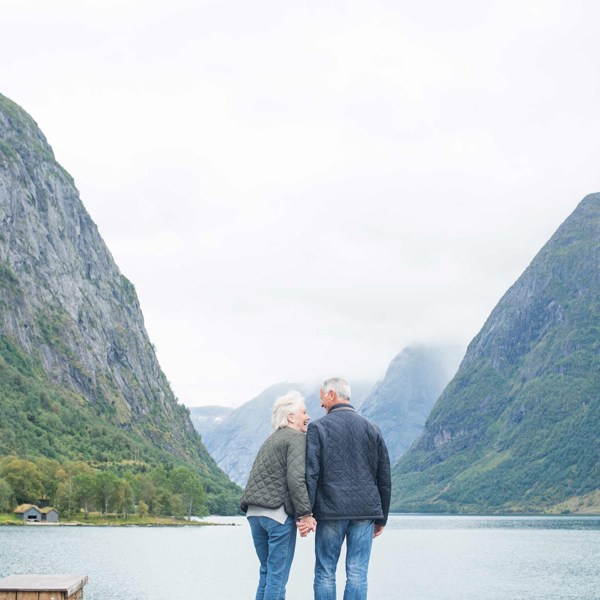
The Norwegian Fjords, including Geirangerfjord and Nærøyfjord, are central to many Norway vacation plans. These areas are best explored via a mix of ferries, scenic trains, and short drives. Travelers short on time often choose organized fjord tours, while independent travelers may prefer a road trip approach.
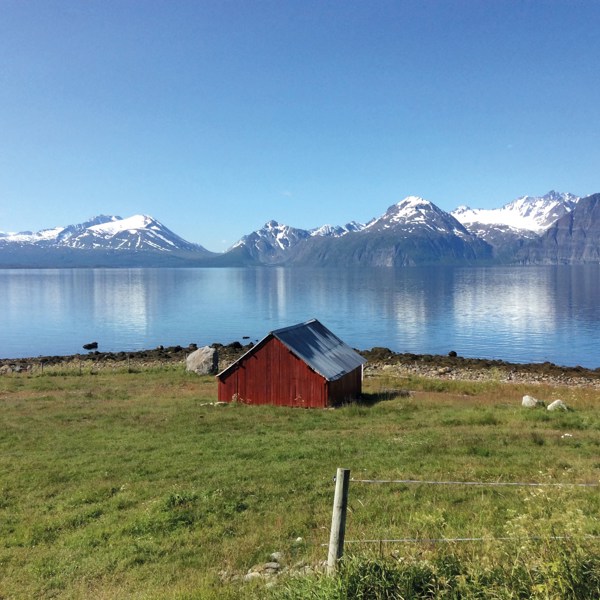
Lofoten Islands offer sharp peaks, quiet beaches, and fishing villages that feel far removed from city life. Summer is best for hiking and photography, while winter brings snow and aurora opportunities, though driving conditions require care.
Tromsø and Northern Norway are the heart of Arctic travel. In winter, Tromsø northern lights tours focus on aurora chasing, dog sledding, and Sami culture. In summer, the midnight sun creates a completely different rhythm, with wildlife cruises and coastal hikes.
How Many Days Do You Need in Norway?
Norway looks manageable on a map, but travel times are longer than many expect due to mountains, ferries, and weather. For a first trip, 7 to 10 days is a practical minimum to cover one region well. Trying to combine Oslo, the fjords, and the Arctic in a single short trip often feels rushed.
If you have two weeks, Norway becomes much more flexible. You can combine cities with rural landscapes, or link southern fjords with northern highlights. Longer stays also make it easier to adjust plans for weather, which is an important consideration in Norway.
How to Get Around Norway
Norway’s transport system is reliable and well-integrated, but choosing the right combination matters.
Trains are comfortable and scenic, especially routes like Oslo-Bergen and the Flåm Railway. They are ideal for travelers who prefer not to drive.
Ferries are essential for fjord regions and coastal routes. Many fjord crossings are part of daily life, not tourist-only services.
Driving offers the most flexibility, particularly in rural areas. However, distances are deceptive, speed limits are low, and tolls add up. Renting a car makes sense for fjord regions or Lofoten but is unnecessary in cities.
Flights are useful for covering long distances, such as traveling from Oslo to Tromsø. Domestic flights are frequent and often save significant time.
Norway Travel Itineraries: 7 and 14 Days
7-Day Norway Travel Itinerary (First-Timers)
Days 1-2: Oslo - Explore museums, neighborhoods, and nearby nature.
Days 3-4: Bergen - Fly or take the train; enjoy Bryggen and surrounding viewpoints.
Days 5-6: Fjords - Join Norway fjord tours to Nærøyfjord or Geirangerfjord.
Day 7: Return to Oslo or depart from Bergen.
14-Day Norway Travel Itinerary (In-Depth)
Days 1-3: Oslo - Culture, food, and day trips.
Days 4-6: Bergen and nearby fjords.
Days 7-9: Road trip through western fjords or Lofoten Islands.
Days 10-12: Tromsø - Northern lights tour or Arctic summer activities.
Days 13-14: Buffer days for weather or additional excursions.
These itineraries can be adjusted based on season and interests.
Pro Tips for Traveling in Norway
Visa and Entry: Norway is part of the Schengen Area. U.S. passport holders can stay up to 90 days within a 180-day period without a visa. Always check current entry rules before departure.
Language: Norwegian is the official language, but English is widely spoken, especially in tourism-related services.
Currency: Norway uses the Norwegian Krone (NOK). Credit cards are accepted almost everywhere, and cash is rarely needed.
Costs: Norway is expensive by European standards. Booking transport and accommodations early, and mixing self-guided travel with select tours, can help manage budgets.
Packing: Layers are essential year-round. Even in summer, temperatures can change quickly, especially near fjords or in the mountains.
With thoughtful planning, Norway offers one of Europe’s most rewarding travel experiences. Whether you are chasing waterfalls, planning a Tromsø northern lights tour, or mapping out a balanced Norway itinerary, understanding the country’s rhythm is the key to a wonderful trip.


 45 Resultados





 Promesa del mejor precio


