


Mejores Tours de Luisiana en Abril
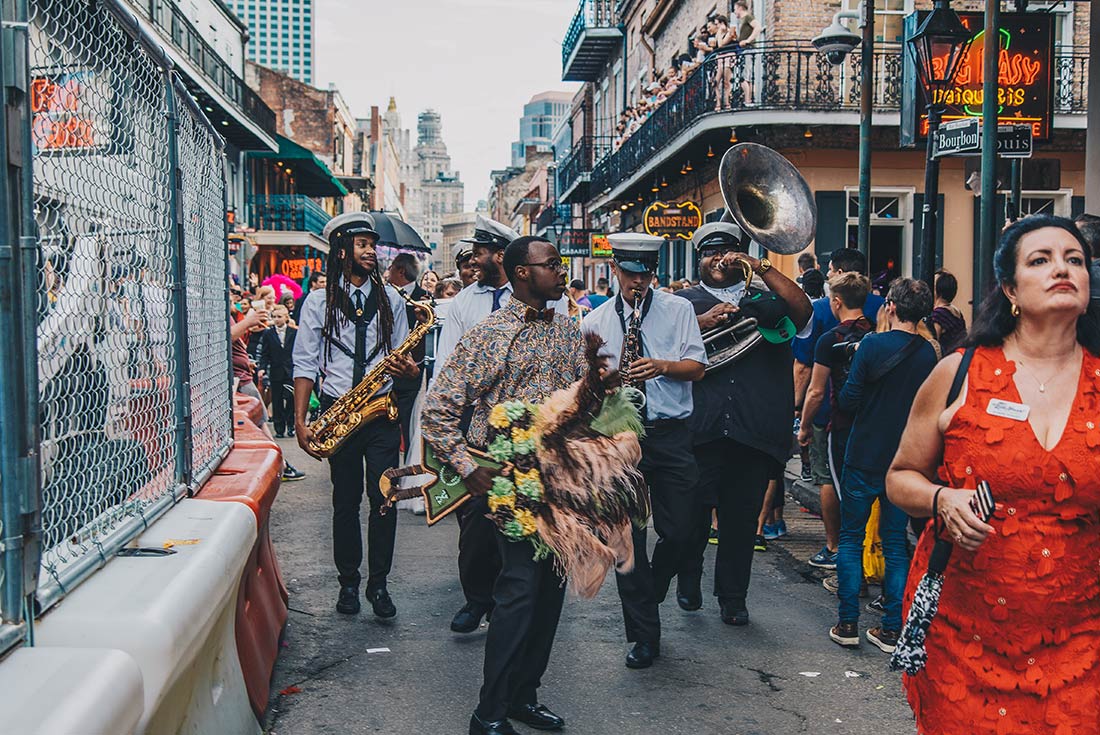
Located in the deep American South, Louisiana offers a travel experience unlike any other. A melting pot of French, Spanish, African, and Native American cultures, the state is defined by its vibrant history and distinct landscapes. New Orleans anchors the experience, where visitors flock to the historic French Quarter for world-class jazz, nightlife, and festivals like Mardi Gras. Beyond the city, the region features mysterious bayous and wetlands perfect for outdoor exploration. Popular Louisiana tours include high-speed airboat rides to spot alligators or visits to historic estates like Oak Alley along the River Road. Culinary adventures are essential here, with travelers savoring authentic gumbo, jambalaya, and beignets.
Mostrar todo
 2 Resultados
Filtros
Lugares
Fechas y duración



4.0
( 29 reseñas )
Código del tour: 731394Ciudad de inicio / Ciudad de fin
Nashville, New Orleans
Duración
10.0 Days
Ciudad y atracciones
Nashville, Memphis, Natchez
+5 más
Idiomas
English Live
Tipo de grupo
Tour Grupal Estándar
Audiencia del tour
Primarily English-Speaking Travelers
Operador
The Travel Corporation (TTC)
Ahorrar 10%
De $4,009.50
$3,608.55
General
5.0
Código del tour: 683757Ciudad de inicio / Ciudad de fin
Nashville, New Orleans
Duración
7.0 Days
Ciudad y atracciones
Nashville, Memphis, New Orleans
Idiomas
English Live
Tipo de grupo
Tour en grupo pequeño
Audiencia del tour
Mixed International Travelers
Operador
Intrepid Travel
De
$4,256.00
¿Por qué reservar con Tours4fun?
 Garantía del Mejor Precio Precios Transparentes Garantía de Seguridad en Viajes Soporte Multilingüe 24/7


Ofertas de viaje exclusivas
Suscríbete a nuestro boletín para recibir acceso exclusivo a ofertas exclusivas para miembros por correo electrónico.