


Tours y viajes guiados en Gyantse
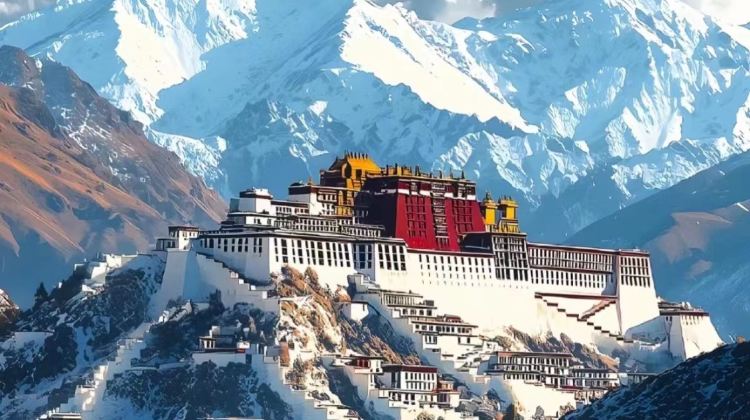
Perched on the ancient trade routes of southern Tibet, Gyantse reveals a captivating blend of history and resilience. Dominating the skyline, the restored Pelkor Chode Monastery and its striking Kumbum Stupa showcase intricate murals and Buddhist artistry. Nearby, the formidable Gyantse Dzong fortress stands as a symbol of Tibetan resistance during the early 20th century. Less frequented than Lhasa, Gyantse offers a quieter glimpse into traditional life, with barley fields stretching below rolling hills and pilgrims circling the sacred Chorten Ningpo. Its high-altitude charm and cultural depth make it a rewarding stop along the road to Shigatse and Everest Base Camp.
Mostrar todo
Mejores tours guiados en Gyantse




La mejor época para visitar Gyantse
Verano
2026
Summer in Gyantse brings mild temperatures averaging 15°C (59°F), with clear skies and gentle breezes enhancing the scenic highland charm. Rainfall is light, making it ideal for exploring the historic Gyantse Dzong fortress, the striking Palcho Monastery with its famed Kumbum Stupa, and the lush valleys of the Nyang Chu River. This season offers vibrant green landscapes, blooming wildflowers, and excellent visibility for photographing Tibet’s cultural landmarks against dramatic Himalayan backdrops, all while enjoying comfortable travel conditions.
Mostrar todo
Otoño
2026
Autumn in Gyantse, from September to November, brings crisp, clear days with temperatures averaging 10°C (50°F), perfect for exploring the high-altitude landscape under bright blue skies. As the monsoon fades, visibility improves dramatically, making views of the snow-dusted Himalayas and the iconic Pelkor Chode Monastery exceptionally photogenic. The cooler air enhances the vibrant hues of fall across the Nyainqentanglha Mountains, while the tranquil Kamba Valley invites cultural walks through traditional Tibetan villages. Don’t miss the renowned Gyantse Dzong, perched dramatically on a hilltop, or the annual Horse Racing Festival in September, offering an authentic taste of local heritage. With fewer tourists and sunny, stable weather, autumn is ideal for acclimatizing and discovering Tibet’s spiritual heart.
Mostrar todo
Invierno
2026
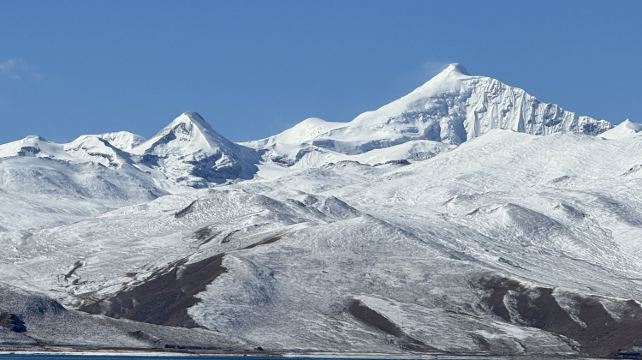
Winter in Gyantse, brings clear days and cold nights, with temperatures averaging -5°C (23°F) to 8°C (46°F). The frost-dusted landscape offers stunning views of the Pelkor Chode Monastery and the ancient Kumbum Stupa, often blanketed in light snow, creating a serene, almost mystical atmosphere. Travelers can explore the town’s rich Tibetan Buddhist heritage with fewer crowds, enjoy yak butter tea in local teahouses, and take in panoramic views of the frozen Gyantse Valley. Nearby Nyamgang Peak remains snowcapped, ideal for photography and quiet reflection in one of Tibet’s most historic towns.
Mostrar todo
Primavera
2027
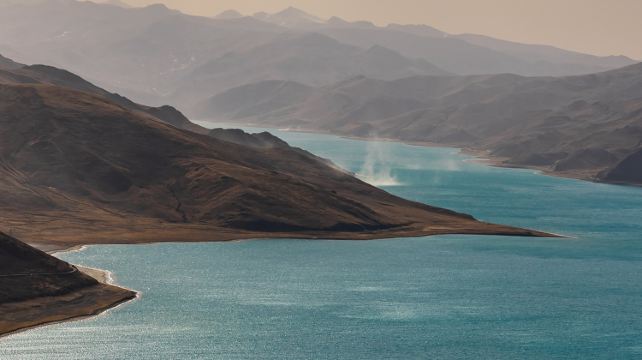
In spring, Gyantse enjoys cool, crisp days with temperatures averaging 8°C (46°F) and sunny skies, ideal for exploring high-altitude landscapes without monsoon rains. This season highlights the stunning Palkhor Chode Monastery, ancient Kumbum Stupa, and the dramatic Yangpachen Festival, celebrating Tibetan culture with vibrant dances and rituals. Wildflowers begin to bloom across the Nyainqentanglha foothills, enhancing scenic views along the route to Shigatse and Lake Yamdrok.
Mostrar todo
Preguntas frecuentes sobre tours de Gyantse
What is the best time of year to visit Gyantse for clear views of the Himalayas?
The best time to visit Gyantse for clear Himalayan views is from May to October, with optimal visibility in September and October. During these months, the monsoon rains have subsided, skies are clear, and temperatures are mild. Avoid June and early July when the Indian monsoon brings cloud cover and occasional rain to southern Tibet.
How do I get from Lhasa to Gyantse, and what should I know about the journey?
Travel from Lhasa to Gyantse takes about 4–5 hours by car via G349 highway, covering 280 km. The road is paved but high-altitude (average 4,000+ meters), so acclimatize in Lhasa first. Permits (Tibet Travel Permit, Alien Travel Permit) are required—arrange through a licensed travel agency. Private vehicles and organized tours are the only options; no public transit is available.
Are there altitude sickness risks in Gyantse, and how can I minimize them?
Gyantse sits at 3,900 meters, posing moderate altitude sickness risk. Minimize it by spending at least two nights in Lhasa (3,650 m) beforehand to acclimatize. Avoid alcohol, stay hydrated, and move slowly upon arrival. Carry Diamox (acetazolamide) if prescribed. Seek medical help immediately if symptoms like severe headache or shortness of breath worsen.
What cultural etiquette should I follow when visiting the Pelkor Chode Monastery in Gyantse?
When visiting Pelkor Chode Monastery, dress modestly, remove hats, and avoid loud talking. Walk clockwise around stupas and prayer wheels. Never touch religious artifacts or photograph altars without permission. Ask before photographing monks. Refrain from pointing feet at statues or people. Tipping is not expected, but donations to the temple are appreciated.
Explorar los tipos de tours en Gyantse


