Evelyn Last updated 15 Sep 2026
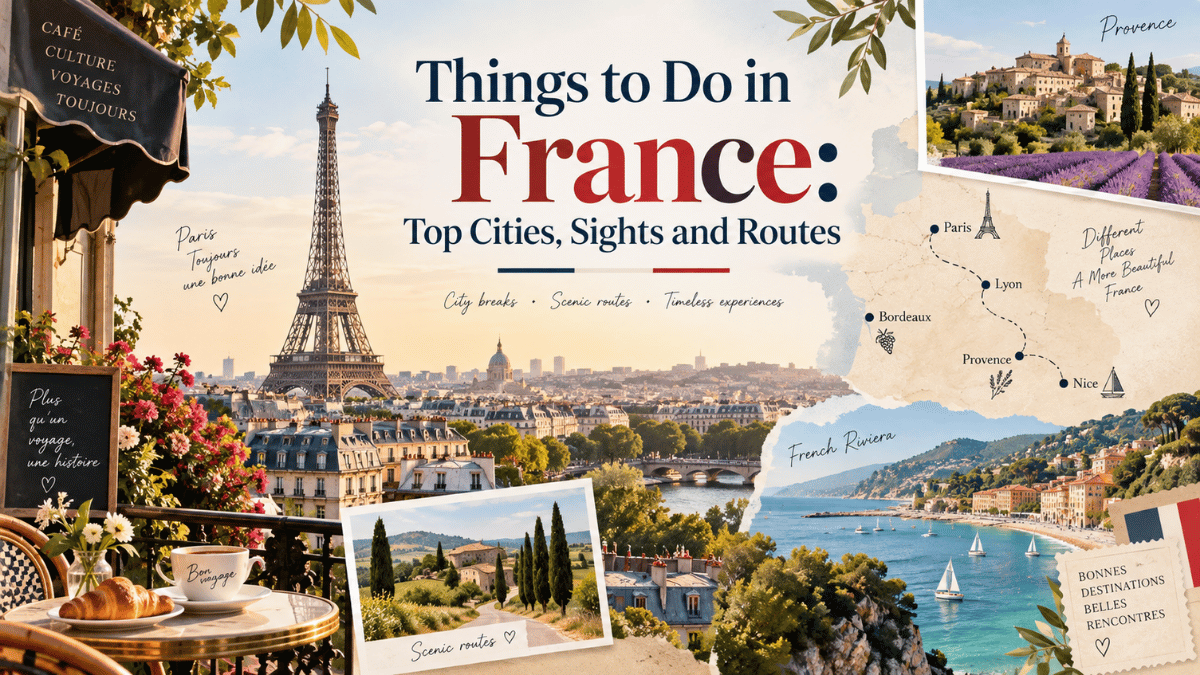
The best things to do in France combine one world-class city with a region that feels completely different. Begin in Paris for the Louvre, Eiffel Tower, neighborhood walks, food markets, and the Seine. Then choose one logical extension: Normandy and the Loire Valley for history and châteaux; Provence and the French Riviera for villages, Mediterranean scenery, and markets; Lyon and Burgundy for food; Bordeaux and Toulouse for the southwest; or the Alps and Alsace for mountains and storybook towns. A seven-day trip works best with Paris plus one region, while ten to fourteen days can support two regional bases. Count arrival and departure days separately from full sightseeing days. France rewards depth: two nights in a place usually reveal more than a rushed stop, and trains are most useful when they reduce—not create—hotel changes.
| Route Style |
Best For |
Suggested Time |
Transport Logic |
| Paris only |
Art, landmarks, food, neighborhoods |
3–5 days |
Metro and walking |
| Paris + Normandy/Loire |
History, coast, châteaux |
7–9 days |
Train plus selective car use |
| Paris + Provence/Riviera |
Markets, villages, Mediterranean |
8–10 days |
High-speed train and regional base |
| Southwest circuit |
Wine, pilgrimage, smaller cities |
7–10 days |
Rail between hubs; day tours locally |
Paris: Build a Strong First Chapter
Paris deserves at least three usable sightseeing days. Give one day to the historic center and the Seine, one to a major museum and the surrounding neighborhood, and one to a district such as Montmartre, the Marais, or Saint-Germain-des-Prés. This structure leaves space for cafés, bakeries, gardens, and unexpected discoveries instead of turning the city into a race between monuments.
Use a Paris activity guide to group sights by neighborhood. The Louvre pairs naturally with the Tuileries and Palais Royal; the Eiffel Tower connects with the Seine and western Paris; Notre-Dame, the Latin Quarter, and Sainte-Chapelle form another compact cluster. Reserve major timed-entry attractions before filling the remaining hours, and avoid scheduling two enormous museums on the same day.
Active travelers who want an introduction at street level may consider a private guided bike tour of Paris. The private cycling format can cover more ground than a walk while providing local orientation, making it useful near the start of a stay. Its limitation is that comfort depends on traffic confidence and weather, and it should complement rather than replace time inside museums and monuments. Paris is also a place to slow down. Browse a neighborhood market, sit in a public garden, cross the Seine on foot, and plan one dinner without an evening attraction afterward. These ordinary intervals often make the famous sights feel connected rather than isolated.
Recommend Tour
4.9
( 8 reviews )
Tour Code: 709776City & Attractions
Paris, Eiffel Tower, Place de la Concorde
+1 more
Languages
English Live, Italian Live, Spanish Live
Group Size
Max. 10 travelers
Tour Audience
Primarily English-Speaking Travelers
Choose One Regional Route Beyond Paris
The most important planning choice is not which attraction ranks highest, but which places connect without excessive backtracking. A broad guide to travel experiences across France can help identify the region that best contrasts with Paris. Once selected, stay in one or two bases and explore outward rather than changing hotels every night.
Normandy and the Loire Valley for History
Normandy combines coastal landscapes, medieval heritage, Impressionist connections, and the D-Day beaches. Rouen works for Gothic architecture and city history, Bayeux for the tapestry and access to landing sites, while Mont-Saint-Michel provides the region’s most theatrical silhouette. The distances make a guided excursion or carefully planned car segment more practical than trying to improvise several rural stops by train. The Loire Valley suits travelers drawn to Renaissance architecture, gardens, and wine landscapes. Tours or Amboise can serve as a base for châteaux such as Chenonceau, Chambord, and Clos Lucé. Choose two major estates in a day rather than collecting exterior photos at five. Estate opening times, transport links, and seasonal garden conditions should be checked close to travel.
Provence and the Riviera for Light and Landscape
Base a Provence stay in Avignon, Aix-en-Provence, or Arles according to your priorities. Avignon supports papal history and rail convenience, Aix offers markets and elegant streets, and Arles connects Roman heritage with Van Gogh associations. Villages, vineyards, and lavender areas often require a car or organized excursion, while major cities remain easier by rail.
On the Riviera, Nice is the strongest transport base for coastal day trips. Antibes offers old-town atmosphere and museums; Cannes emphasizes waterfront glamour; Menton brings gardens and an Italian-influenced setting. Monaco is a separate country but an easy regional addition. Compare a France tour package by overnight locations and usable time, not simply the number of names printed in the itinerary.
Add Culture, Food, and the Southwest
France’s essential experiences are not limited to monuments. Lyon rewards travelers who plan around markets, traditional cooking, Roman remains, and the lanes of Vieux Lyon. Bordeaux combines an elegant riverfront with access to surrounding wine country. In both places, a food market or guided tasting can provide context, but leave room for an unstructured meal and a walk through residential streets. Toulouse offers terracotta architecture, lively squares, the Canal du Midi, and a convenient southwest base. Carcassonne can work as a day trip for its fortified medieval city, while the Pyrenees reward a longer extension. The region suits travelers who want recognizable French culture with a slower pace than the capital and fewer long-distance transfers.
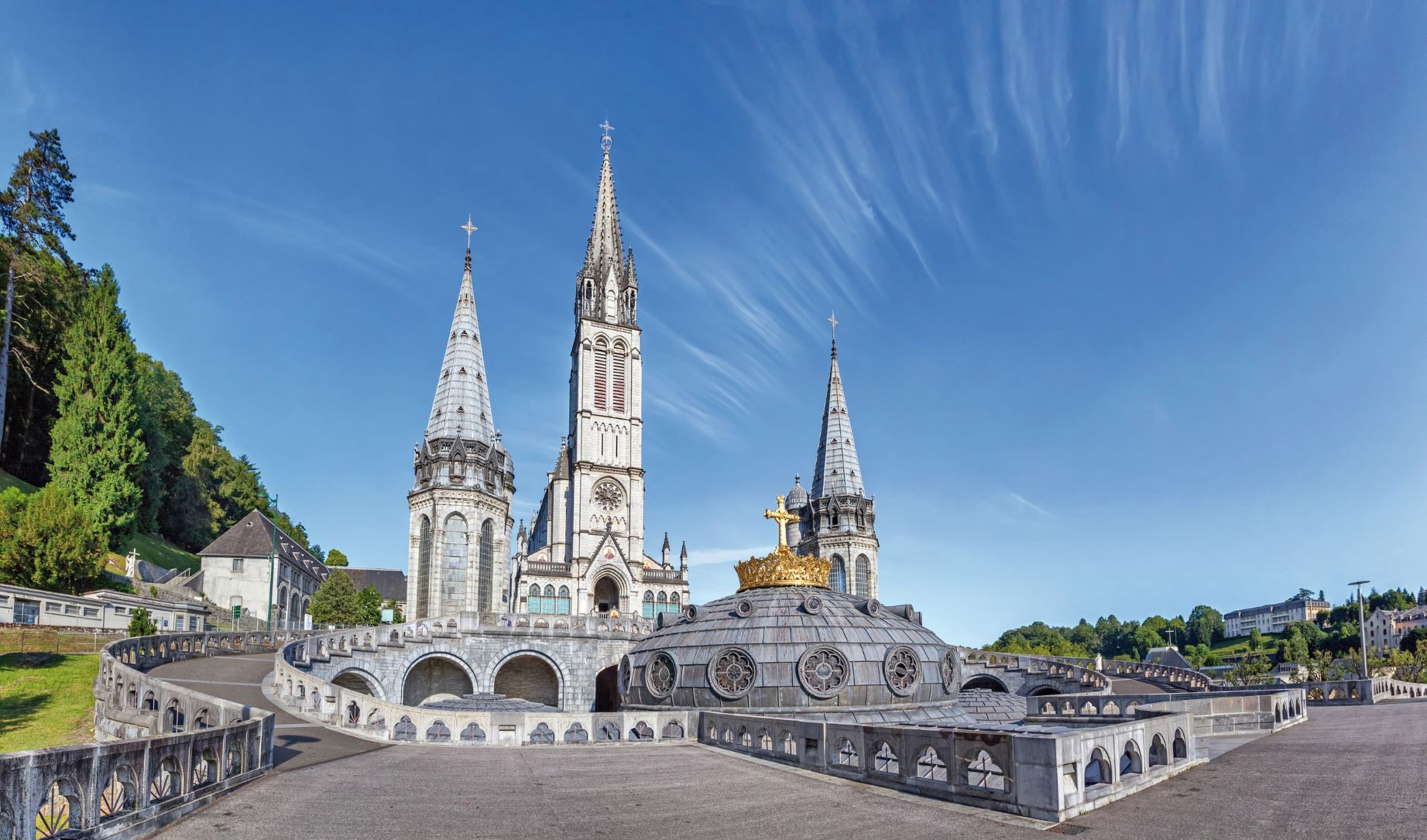
For visitors interested in spiritual heritage, the guided day tour from Toulouse to Lourdes provides an eight-hour round trip with central meeting-point transport, an English-speaking driver-guide, a guided sanctuary visit, and free time. It removes the burden of coordinating a same-day return, but occupies a full sightseeing day; meals and monument admission charges are excluded. Regional food should follow geography rather than a generic checklist. Seek seafood in coastal areas, Alpine cheeses in mountain regions, Provençal produce in the south, and local specialties in Lyon or Alsace. Market mornings work well before museums or a transfer, while winery visits need a sober transport plan. Reservations are wise for celebrated restaurants, yet neighborhood bakeries and casual lunch menus can be equally memorable.
Recommend Tour
Start / End City
Toulouse
City & Attractions
Toulouse
Languages
English Live, French Live
Group Size
Max. 16 travelers
Tour Audience
Primarily English-Speaking Travelers
Match the Experience to Your Travel Style
For Art and Architecture
Prioritize Paris, the Loire Valley, and one heritage-rich city such as Rouen, Reims, Strasbourg, Lyon, or Avignon. Limit museum fatigue by alternating interiors with gardens, river walks, and neighborhood exploration. One carefully chosen guided visit can explain context that would otherwise require hours of reading.
For Scenery and Outdoor Time
Choose the Alps for hiking and mountain views, Provence for village landscapes, Brittany or Normandy for coastlines, and Corsica for a more demanding island trip. Season matters: mountain access, beach conditions, and daylight change the value of each route. Build weather flexibility into outdoor days and keep a museum or food-focused alternative nearby.
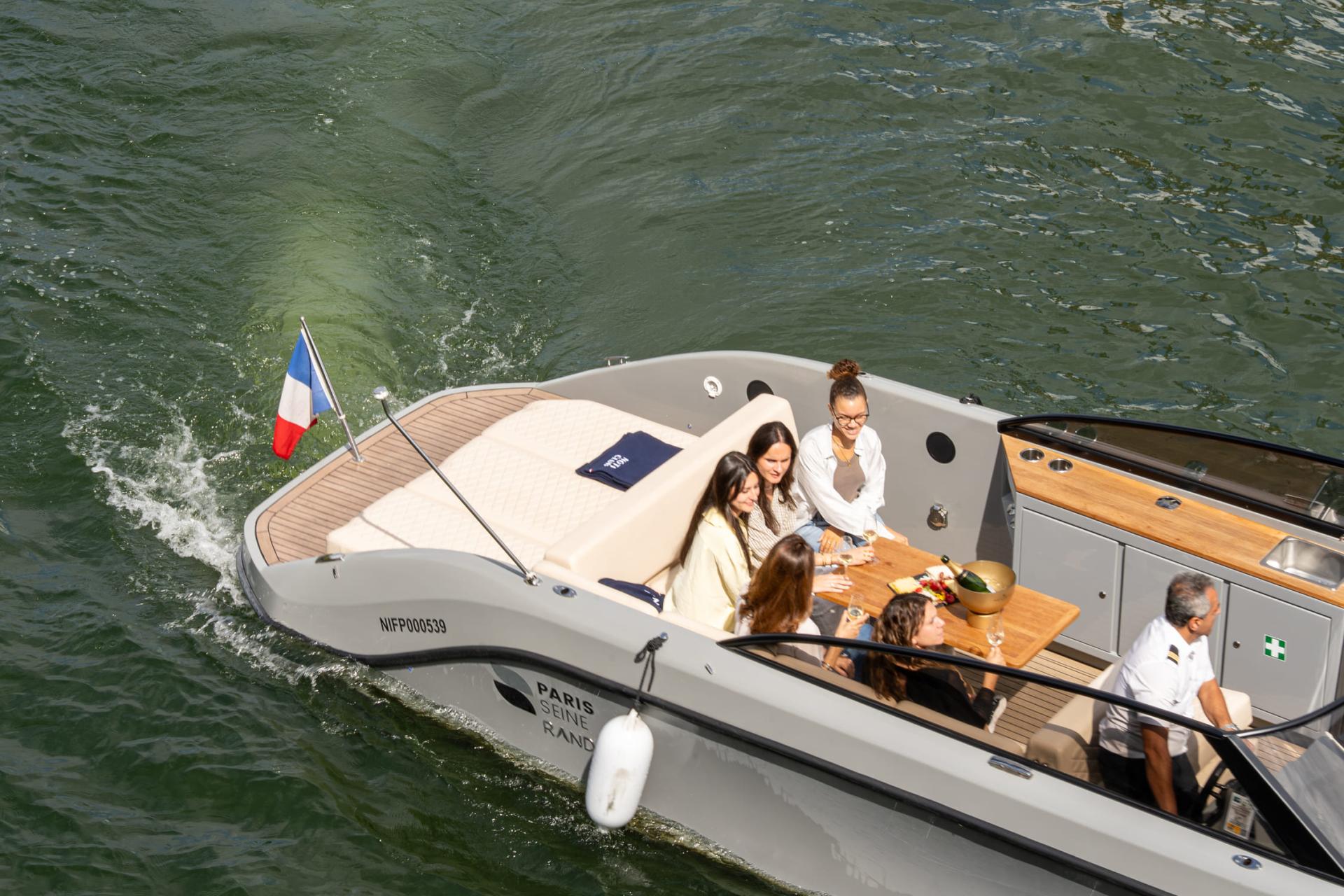
Small private groups celebrating in Paris may prefer a 90-minute private Seine cruise for up to ten guests. Its private boat, professional skipper, Eiffel Tower departure point, soft drinks, and champagne create an intimate view of riverside landmarks. The limitation is scope: meals are excluded, and a cruise does not replace street-level exploration or landmark visits.
Recommend Tour
City & Attractions
Paris, River Seine
Group Size
Max. 10 travelers
For Travelers Who Prefer Structure
Organized experiences are most valuable where public transport is awkward, interpretation matters, or a transfer-heavy day would otherwise require complex planning. Browse Tours4fun after choosing your regions, then compare meeting points, duration, inclusions, free time, and end location. A well-placed day tour can simplify one difficult segment without controlling the entire vacation.
Practical Planning That Protects Sightseeing Time
- Count honestly: A seven-night trip rarely provides seven full days once flights and transfers are included.
- Cluster geographically: Group Paris sights by district and regional sights around a stable base.
- Use trains strategically: Rail excels between major cities; rural coastlines, villages, and vineyards may need a car or tour.
- Reserve selectively: Secure essential timed entries, then preserve open space for meals, walks, and weather changes.
- Limit hotel changes: Two or three nights per base usually creates a calmer, more rewarding rhythm.
FAQ
What Should I Not Miss on My First Trip to France?
Spend several days in Paris, then add one contrasting region. Normandy or the Loire Valley works for history, Provence for villages and markets, and the Riviera for Mediterranean scenery. The best choice depends on season and total usable days.How Many Days Are Enough for France?
Seven days supports Paris plus one regional base. Ten days allows Paris and two compatible areas, while fourteen days gives room for two or three regions without constant hotel changes. Treat arrival and departure as partial days.Is It Better to Travel Around France by Train or Car?
Use trains between large cities such as Paris, Lyon, Bordeaux, Avignon, and Nice. Rent a car or take a tour for rural villages, coastlines, vineyards, and scattered historic sites. Many trips benefit from combining both.What Is the Best Month to Visit France?
Late spring and early fall often balance pleasant weather with broad regional appeal. Summer favors coasts and long daylight but can be busy and hot; winter suits museums, cities, and mountain sports. Match the month to the experience rather than the country as a whole.