The Old Center, Built on Inca Stone
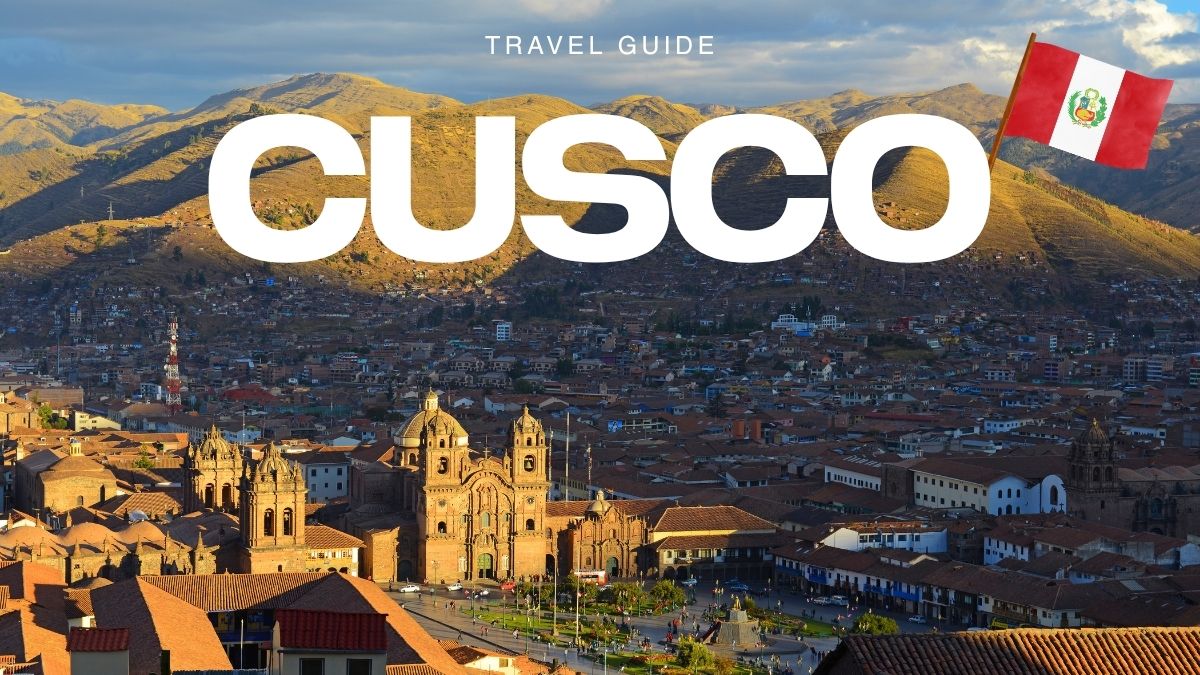
The historic center stands on pre-Columbian foundations, which is why the street plan feels older than the buildings above it. Churches, convents and plazas fill a compact few blocks, and the ground climbs away from each one. Walk it, and give the climbing some room in the schedule. If you would rather not assemble the center yourself, a Cusco tour pairs the temple visits with the hillside ruins in a single shared visit.
Coricancha and the Convent Above It
Coricancha counts among the most revered temples of the Inca city, and the Convent of Santo Domingo was built straight on top of it. You see both in one visit: the colonial cloister and the Inca stonework it was raised on. The tour walks you through the church and the courtyard, and that single contrast explains more about Cusco than any label on a wall.
The Cathedral, and What to Wear Inside
The Cathedral Basilica of the Virgin of the Assumption is the main temple of the city, and it faces the open ground where the center's life collects. Dress for it. Sleeveless shirts, shorts, and short skirts are not advised inside religious buildings, and a light layer over your shoulders saves an argument at the door.
Craft Shops, and Buying From Them
Artisans, workshops and craft shops are part of the working city, not a souvenir add-on bolted to it. Buy where you can watch a piece being made, ask what a pattern means before you decide, and treat the price as payment for an hour of someone's afternoon, not a markup on a factory scarf.

The Ruins Above the City
Four archaeological sites sit on the hills, and the road just outside the center, and the city tour takes all four in one run. They are the reason the city's World Heritage listing includes the fortress as well as the churches.
Sacsayhuaman
Pachacuti built Sacsayhuaman in the fifteenth century, and it stands as an immense fortress made of large stones. How those stones were fitted together is still a mystery. Walk the whole line of the wall, not just the first viewpoint.

Qenqo, Puca Pucara and Tambomachay
Three more sites sit along the same road. Qenqo is an archaeological complex, Puca Pucara was built as a military complex, and Tambomachay carries the nickname Inca spa. Book the whole morning for the four and let the guide set the pace at each stop.
The Cusco Tourist Ticket, and When It Pays
The Cusco Tourist Ticket, known as the BTC, is a personal and non-transferable pass covering 16 attractions in Cusco and the surrounding area. Sacsayhuaman, Qenqo, Puca Pucara and Tambomachay are on it, along with Sacred Valley sites that include Ollantaytambo, Pisac, Moray and Chinchero. As of November 2026, the partial pass runs 152 PEN and covers the city; the full pass is $70 and adds the valley. At four sites or more it earns its price. Validate it at each entrance and keep it safe, because it cannot be replaced.
Altitude, and How to Spend Day One
At 3,399 meters, Cusco reminds you of the altitude before you have unpacked. Stairs cost more than they should, a suitcase up two flights leaves you leaning on the wall, and none of that is a fitness problem. It is oxygen, and the answer is time rather than effort.
What Actually Helps
Rest on the day you land, drink water or coca tea steadily, and skip alcohol for the first night. Many travelers start acetazolamide 24 hours before the flight, which is a question for a doctor, not a booking site. Eat light, and treat the afternoon as lost on purpose.
Where to Sleep on Night One
Spend that first night in Cusco itself instead of pushing straight on to somewhere higher. Machu Picchu sits at 2,430 meters, so the citadel is easier on the body than the city is, and the hard night is the one you spend in Cusco. Going higher on arrival is how a two-day headache gets built.
Getting In From the Airport
Alejandro Velasco Astete International Airport sits 10 to 15 minutes from the center. Authorized airport taxis run fixed rates of around $3 to $5, and ride-hailing apps such as Uber do not operate here. Confirm the fare before the car moves, and walk past the unmarked cabs waiting outside arrivals.

Markets, Workshops and Food
The shopping here is workshops, not souvenir rows: textiles, adobe crafts, ceramics and silverware still come out of valley workshops using Inca techniques. The Living Museum of Yucay shows the process while it happens, so build the valley day around it and not around the souvenir stalls, whatever your Cusco city travel guide suggests.
Chinchero on a Sunday
Chinchero's market is included in the tourist visits planned for Sundays, so a Sunday in the valley puts the stalls and the village in one stop. The church above it dates to the seventeenth century, was raised on an Inca palace, and counts among Peru's earliest Catholic structures. Arrive in the morning, and give the terraces and the church their own time before the stalls.
Pisac and the Valley Stalls
The traditional markets of Pisac are where handmade pieces actually come from, and the stalls sit below a hilltop citadel that overlooks the valley. Go early in the morning, while the stalls are still being set out, and the weaving you watched in the workshop starts to make sense.
What to Eat, and When
Lunch in the Sacred Valley tends to arrive as a set menu of Andean cooking, and the one served at Café Inkaterra above the Vilcanota River shows what the local ingredients can do. Eat lightly on your first day at altitude, whatever looks good on the table, and leave the long dinner for the night you have slept properly.
When to Go
Cusco sits high enough that the year splits into a dry half and a wet half, and that split decides what fits into a day. Weather comes before wish lists, and it is the first thing to settle in any travel guide to Cusco.
June to August, Dry and Cold
These are the sunniest and most stable months, with daytime highs around 18 to 20°C, or 64 to 68°F. Nights drop to 0 to 2°C at higher altitude in July, so the clear skies come with a price at both ends of the day. This is peak season, which means booking beds around the city early and carrying a warm jacket for the mornings.
September to November, the Shoulder
Early September still runs mostly dry, with days near 18 to 20°C and nights of 4 to 8°C depending on altitude. Rain picks up through October and November, and the crowds thin out after the peak months. The high valleys around Chinchero and Urubamba stay workable, and the historic center is easier to walk without the summer rush.
December to February, the Wet Months
Rain peaks in these months. Daytime highs in the city settle around 17 to 18°C, or 63 to 64°F, while nights fall to 6 to 7°C and lower at altitude. Afternoon showers, often heavy, are common between December and February, especially in the Sacred Valley. Some trekking sections close or turn slippery, and the trade-off is fewer people at the sites. Bring waterproof layers and keep a flexible plan.
March to May, Drying Out
Daytime highs climb from about 18°C in March into the low 20s by May, and nights still drop to 6 to 8°C. The trails dry, the cloud cover eases, and the crowds stay smaller than in the peak months. Expect the odd afternoon shower in March and pack for both a sunny afternoon and a cold morning.
How Many Days Cusco Deserves
Two days is the honest minimum, three is the useful number, and four is what you book when the citadel is a day out, not a separate trip. Promising Cusco in a day is really selling you the airport transfer, and no Cusco Peru travel guide can stretch that arithmetic.
Here is how the days divide, and what each one costs you.
| Days |
What fits |
What you give up |
| Two |
Center on foot, Coricancha, the cathedral, Sacsayhuaman |
The Sacred Valley |
| Three |
Adds Chinchero, the Living Museum of Yucay and Ollantaytambo |
A citadel day trip |
| Four |
Adds Machu Picchu, with a spare morning for the markets |
A second valley day |
Two Days, the City Alone
Keep both days in the city and let the altitude set the pace. The center, Coricancha, the cathedral, and the hillside ruins fill the first day with room to sit down. The second day is markets, workshops, and a slow morning, and you never touch a bus timetable. Skip the valley, and keep the city whole.
Three Days, Add the Valley
The third day belongs to the Sacred Valley: Chinchero in the morning, the Living Museum of Yucay at midday, Ollantaytambo in the afternoon. You get the terraces and the workshops without moving hotels. If you are comparing Cusco vacation packages, look at how many of the three nights sit in the city itself.
Four Days, Add the Citadel
The fourth day is Machu Picchu, and it works because the first two days already acclimatized you. Add a loose morning for the markets so the trip does not end in a taxi. If Cusco is one stop on a longer Peru tour, take the four days here rather than three, because the city is the part people regret rushing.

Machu Picchu, Scheduled From the City
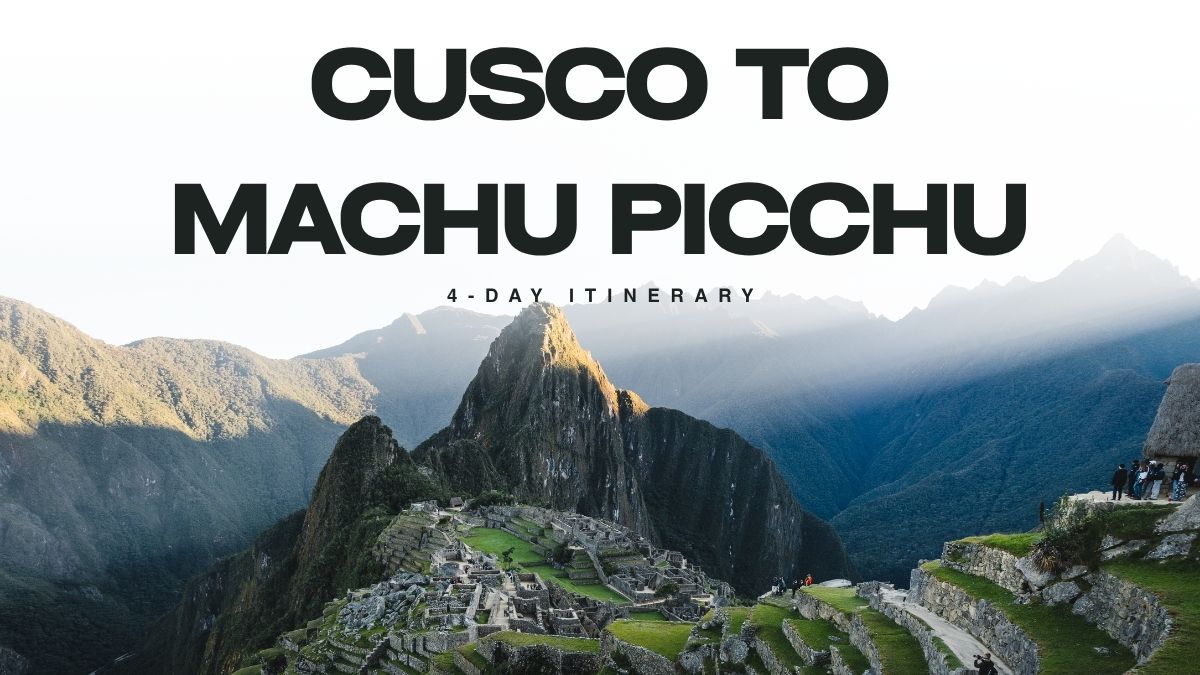
Machu Picchu sits about 80 kilometers northwest of Cusco, and as a day out it is built around one fixed point: the entry time printed on your ticket.

Book the Citadel Before the Hotel
Entry is capped, so the ticket is the thing that decides your dates. The purchase needs each visitor's full name, date of birth, nationality and passport number, and those details have to match the passport you travel on. Tickets become non-refundable the moment they are bought, and the circuit you walk, 2 or 3, is assigned by availability, not by choice. The climbs to Huayna Picchu and Machu Picchu Mountain sell out sooner still, so reserve those three to four weeks ahead.
The Shape of the Day
The first entrance requires a guide, and the guided visit runs about two hours and thirty minutes. The train from Ollantaytambo takes roughly an hour and a half each way, and the bus up from Aguas Calientes takes 25 minutes. You are back in Cusco the same evening.
Making the City the Point
Trips here tend to open with the citadel and treat Cusco as a place to sleep. The city is the better half of the trip and the half that gets cut when the calendar tightens, which is a strange trade once you have spent a morning walking it.
You can walk the plazas and the Inca walls under the colonial facades without joining a tour, and the steep lanes between them handle the acclimatizing for you. The four hillside sites come on a single pass, and the market towns in the valley sit close enough for a morning out.
Decide the count before you book the hotel. Two days buys the city, three buys the valley, and the citadel needs a fourth, so leave Machu Picchu off the plan until you have that day.
FAQ
How many days do you need in Cusco?
Two for the center and the hillside ruins, three once the Sacred Valley joins the plan. Less than two and the altitude eats whatever you saved.How do you handle the altitude?
Rest on arrival, drink water or coca tea, skip alcohol the first night, and ask a doctor about acetazolamide before you fly.Is the Cusco Tourist Ticket worth buying?
At four sites it covers its own cost. The partial pass handles the city ruins, and the full pass extends to the valley.Can you see Machu Picchu as a day trip from Cusco?
Yes, with tickets secured ahead and an early departure. The guided entry at the citadel takes about two and a half hours, and the journey fills the rest of the day.