GizaCairoEgyptAfricaPlaces to GoThings to DoFood & DrinkTravel TipsVacations
Show All

Top 10 Things to Do in Cairo Beyond the Pyramids in 2026

cover

Things to do in Cairo fill three days before you ever reach the Giza plateau, and the stops below are the ones a pyramid-first itinerary leaves out. The pyramids sit west of the river at Giza. The city that built them sits on the east bank, with a market that has traded for centuries, two museums holding what came out of the tombs, and a corniche that residents walk after dark.


Cairo rewards a different plan than Giza does. A pyramid is a single morning in the desert, while things to do in Cairo, Egypt, beyond the plateau form a set of clusters you move between, and the river separates them: Tahrir and the Egyptian Museum sit together, Khan el-Khalili and Islamic Cairo form a walkable block, the Corniche belongs to the evening, and Saqqara and Dahshur sit outside the city line entirely.


Weather decides how much of that you can do on foot. Autumn and winter hand you whole days outside; summer hands you early mornings and air-conditioned afternoons.


The 10 stops below are grouped by bank as far as the city allows: the east-bank stops sit in one block, the Grand Egyptian Museum pairs with the plateau on the Giza side instead of costing you a second crossing, and the river is saved for the evening. None of them is on the Giza plateau itself, which you will see separately and faster than you expect.

10 Things to See and Do in Cairo Egypt

Distances in Cairo deceive: a stop that looks close on the map can cost you half a morning in traffic. The order below keeps the east-bank stops in one walkable block, parks the Grand Egyptian Museum next to the plateau, and saves the river for the evening.


The Egyptian Museum in Tahrir Square


Tahrir Square is the wide, loud center of modern Cairo, and the Egyptian Museum stands on it with a collection pulled out of tombs and temples across the country. The Tutankhamun galleries are the draw, and the golden mask is inside them.


Go at opening, before the coach groups arrive. The Tahrir building is the older of the two collection spaces, so work upward instead of reading every label and keep the rest of the day loose.


The Grand Egyptian Museum


The Grand Egyptian Museum is the reason to give Cairo a full day rather than an afternoon. New exhibits are still being added to a collection that never sat comfortably in the Tahrir building, and the scale is what surprises people: you do not stroll through it, you work through it.


Book a morning and leave the afternoon free. It sits on the Giza side of the river, so pair it with the plateau on the same day and save yourself a second crossing.

GED


Khan el-Khalili Bazaar


Khan el-Khalili is a grid of alleys rather than one street, with Ottoman-era mosques and small tea houses in the same lanes, and the tea houses stay full late into the night.


Agree on a price before anything is wrapped, and treat a detour into a side alley as the point rather than a mistake. The bazaar is a working market, not a staged one.

Khan el-Khalili Bazaar


The Mosques of Islamic Cairo


Islamic Cairo is the older city inside the modern one: streets that were never built for traffic, minarets above the roofline at every second corner. The mosques here are working buildings rather than exhibits, which changes both the atmosphere and your behavior inside them.


Dress modestly, carry a scarf, and arrive in the morning when the courtyards are empty and the stone is still cool. Time a visit outside prayer times, and remove your shoes without being asked. Walking between a few of them teaches you more than trying to see every one.


Coptic Cairo and the Old City


Coptic Cairo sits apart from the bazaar rather than beside it: churches and Islamic buildings share the same few blocks, and the streets narrow into the oldest layer of the city once you leave the main road. It is quieter than Khan el-Khalili and far quieter than Tahrir, and it reads as a neighborhood rather than a monument.


Come early, before the tour groups, when the lanes are quiet. Check opening times at the church doors instead of assuming them. Two or three lanes are enough to see; the neighborhood is the point, not the checklist.


Al-Azhar Park


Al-Azhar Park is the green space the city added late: lawns, paths and terraces looking back over the rooftops and minarets you have been walking under all morning. In autumn the trees turn gold, which is the reason to put the park at the end of a walking day rather than the start.


Arrive in the late afternoon with nothing scheduled after it. The view from the upper terraces is the reason to time it that way.


The Nile Corniche and a Felucca Ride


The Corniche runs along the river for a long stretch, with bridges overhead and gardens breaking up the traffic. In the evening, the walk fills with families and food carts, and the river gives you a horizon the rest of the city does not.


Walk a section in the last hour of light, then take a felucca. The sailboats work the river at sunset because that is when the wind and the light cooperate. A felucca is the open-boat version of the same view, and the fare and the duration are agreed before you board.


Best Things to Do in Cairo After Dark: A Nile Dinner Cruise


The dinner cruise is the seated version of the Corniche. The boat runs after dark, the bridges light up, and the city turns into a skyline you cannot see from street level. It is touristy, and on the night you land it is also the right call: you are fed, you are seated, and nobody has to navigate a restaurant while jet-lagged.


Book it for the arrival evening rather than the last one. If you want the river without the show, take a felucca after dark instead and eat on land.

nile


Koshari, Falafel and the Street Food


Koshari is the dish to start with: rice, pasta and lentils in one bowl, topped with tomato sauce and fried onions, sold from counters for a few dollars. Falafel comes next, and grilled kebabs cover the evening.


Eat where the queue is local, and the turnover is fast. A wrong guess costs almost nothing. Skip the ice from street carts and drink bottled water.


Saqqara, Memphis and Dahshur


Saqqara and Memphis fill a half day south of the city, and they reward the traveler who has already seen the famous site and wants the quieter one. In autumn Saqqara sees fewer crowds, and the site reads better when nobody is standing in front of it.


Dahshur is the add-on most people cut: the Bent Pyramid and the Red Pyramid, out in the open, with low autumn light that makes the drive worth it. Adding it means another drive on top of the half day, so give the three of them a full day with a driver rather than an afternoon.

A Three-Day Order That Works

Three days is the number most travelers settle on, and it is enough for the Egyptian Museum, Islamic Cairo and the pyramids without running. Traffic is the constraint, and you pay it twice a day if you plan by distance. Group the days by side of the river and the plan holds.


Day 1: Giza, Then the Grand Egyptian Museum


Start at the plateau at opening, when the light is low and the coaches have not arrived. The Grand Egyptian Museum sits on the same side of the river, so the afternoon goes there without a second crossing.


Day 2: Tahrir, the Bazaar and Islamic Cairo


The Egyptian Museum in the morning, then Khan el-Khalili, the mosques and Al-Azhar Park in one walk that ends with tea or a terrace at sunset. This is the densest day and the one to protect: do not bolt a day trip onto it.


Day 3: Coptic Cairo, the Corniche and a Felucca


The Old City in the morning while it is quiet, a slow afternoon, then the Corniche in the last hour of light and a felucca or a dinner cruise after dark. Keep the evening unbooked until you know how your feet feel.


Uber works in Cairo and takes the negotiation out of the day, which matters more than the fare. If you would rather not build the days yourself, a Cairo tour handles the driving, and Cairo vacation packages add the hotel and the airport transfer to the same ground.


An Egypt tour carries the route south to Luxor and Aswan once the city is done. Tours4fun runs both, with Egypt programs from six days and private departures available.

When to Go and What Things Cost

Autumn is the transition: 32 °C (90 °F) in September, 22 °C (72 °F) by November, which makes an October trip and a November trip different propositions. October through April is the window when walking all day is realistic, and most of that stretch sits between 15 °C and 25 °C.


Winter is the comfortable season and the crowded one. Days sit around 19 °C (66 °F) and nights drop to 9 °C (48 °F), so pack a jacket for the evening. December and January are peak season, and hotel rates rise with the demand.


Spring runs 24–30 °C (75–86 °F) with the Khamsin, a hot dusty wind that shows up for a few days, usually in April. Summer highs average 35 °C (95 °F) across Egypt and stay above 34 °C (93 °F) in Cairo, which is why the museum, the park and early starts earn their place in a summer plan.

Cairo


Figure $50 to $80 for a mid-range room and a few dollars a meal, so the room sets the daily spend, not the food. A 30-day single-entry visa costs $25 on arrival at Cairo International Airport, with an e-visa available before you fly, and your passport needs six months of validity left. Ramadan shifts opening hours, so check before you build a day around a museum.

Two Day Trips That Leave the City

The city fills three days without effort, but two excursions leave the city line and both earn the hours if you have a fourth day to spend.


Fayoum Oasis


Fayoum is a few hours out, close enough for a long day, and it is the green counterweight to the city: springs, waterfalls and, in spring, ground that blooms. It is the one stop on this list where the day is about landscape rather than monuments, and it works as a break between two dense city days.


Bahariya Oasis and the White Desert


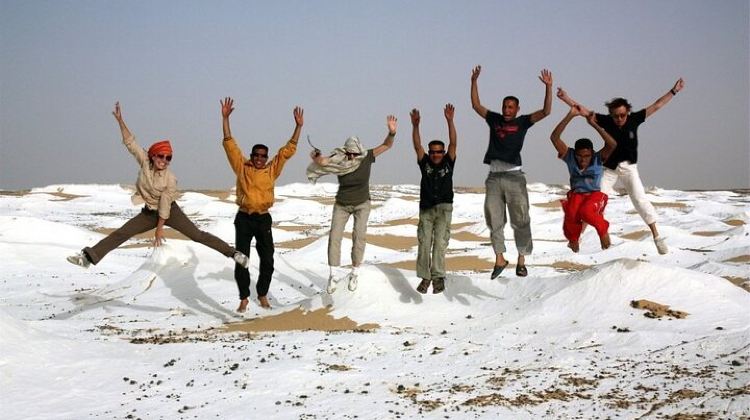
The White Desert runs the other direction and needs two days: a night out there, then back. The rock formations are the draw, and a two-day trip from Cairo with breakfast and select meals included starts at $349, departing daily. Take it at the end of a trip rather than the start, so the drive back does not eat a sightseeing day.

What to Cut From a Cairo Itinerary

10 things to see and do in Cairo Egypt will not fit three days, so something has to go. The real trade is between depth on the east bank and distance outside the city: every hour spent driving to Dahshur or Fayoum is an hour not spent in the bazaar or on a terrace at Al-Azhar Park.


On three days, the cuts are arithmetic. Drop Dahshur when Saqqara is already in the plan, since the drive doubles and the pyramids there are smaller. Drop the dinner cruise if you want a quiet river and take a felucca instead. Keep Al-Azhar Park even on a tight schedule, because it is the one stop that resets a hot day.


Skip the second museum if time is short. The Egyptian Museum and the Grand Egyptian Museum each take the better part of a day, and doing both back to back leaves two blurred impressions instead of one clear one. If your trip runs a week or more, add Luxor and Aswan rather than a fourth Cairo day, since the city rewards three days and then repeats itself.


Book the pyramids for the morning of your first full day and leave the rest of the plan loose. That is the trade most travelers get wrong: they book the plateau for midday and spend the best light sitting in traffic.

FAQ

How many days do you need in Cairo?

Three, at a pace that leaves room for heat and traffic. The fourth day is a choice between Saqqara and a slower east-bank morning, not a fourth museum.

Which months work best for walking?

March, April and November are the easiest months to walk: 24–30 °C (75–86 °F) by day in spring, 22 °C (72 °F) by November, and cool nights for sleeping. July and August push you indoors from noon to four.

Do you need a visa, and how do you get one?

Most nationalities need one, and the passport is the part people get wrong: six months of validity left, checked before you book. The official e-visa portal settles it before you fly if you would rather not queue at the airport.

Is the tap water safe to drink?

No. Use bottled water for drinking and for brushing your teeth, and refuse ice from street carts. Hotel restaurants and cafes serve water that is fine.

Is Saqqara worth a morning if you have already seen the pyramids?

Yes. Saqqara and Memphis make the half-day run south of the city, and Saqqara is quieter in autumn. Dahshur with the Bent and Red pyramids adds a second drive, so keep it for a day when you have the time.